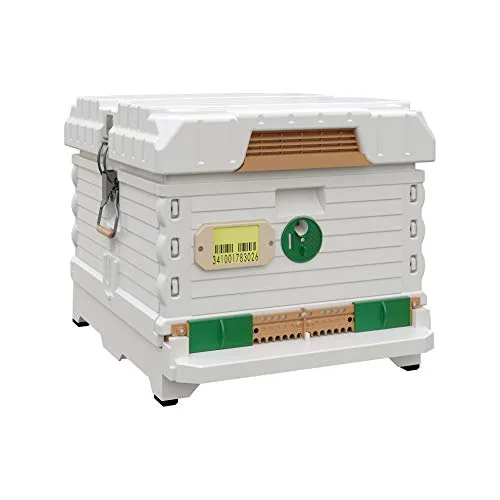
Apimaye
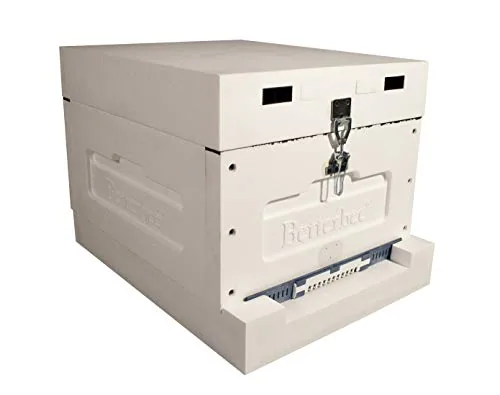
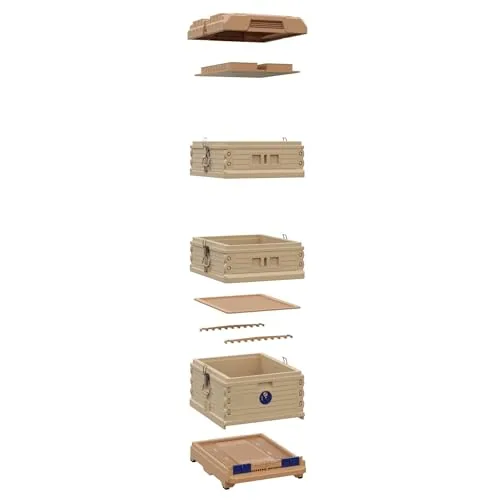
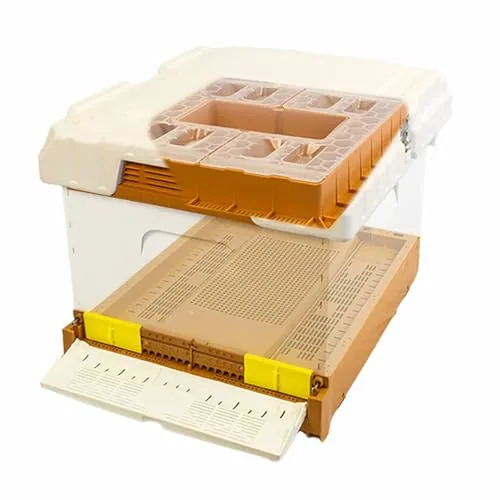
Apimaye Ergo Insulated 10-Frame Hive Set, No Frames
- Frames
- 10 (frames not included)
- Boxes
- Double deep
- Material
- Insulated plastic
Best for Cold-winter apiaries using their own frames
To winterize a beehive, you need a colony with low mites, enough stored food, a dry interior and an entrance mice cannot use. Gear helps with each: mite testers and EPA-registered treatments in late summer, feeders and candy boards for food, wraps or insulated hives for warmth and less condensation, and mouse guards for the entrance. This page groups everything tagged for winter.
Best for Cold-winter apiaries using their own frames
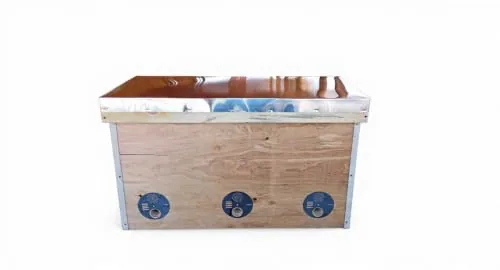
Best for Cold-climate horizontal hive
Best for Wrapping a single deep for winter
Best for Cold climates without wrapping
Best for Wrapping a full stack for winter
Best for Wrapping an 8-frame hive
Best for Winterizing 8-frame hives
Best for Insulated setup with room for honey supers
Best for Upgrading wooden 10-frame hives
Best for Liquefying crystallized honey
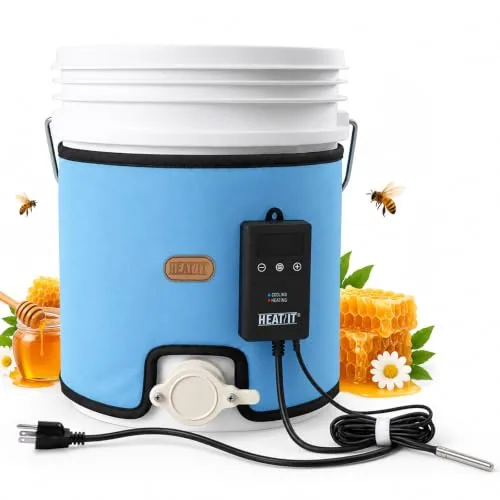
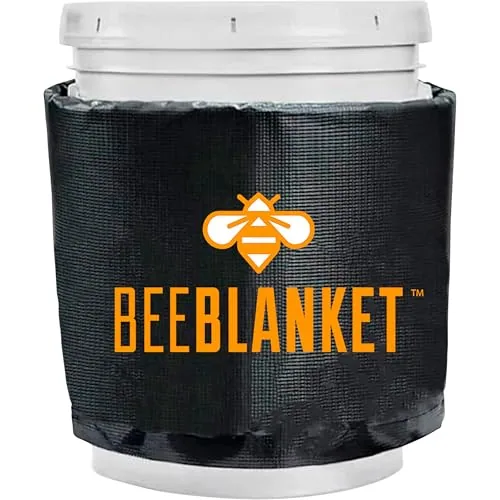
Best for Keeping bucket honey liquid
Best for Bottling from a warm bucket
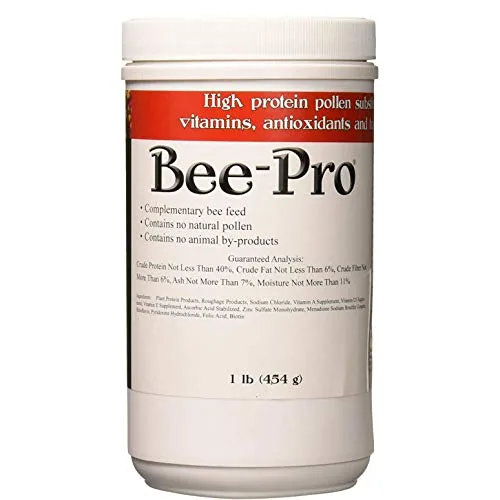
Best for Protein feeding before spring
Best for Keeping mice out in winter
Best for Winter emergency feeding
Best for Winter mouse protection
Best for Checking hive weight
Best for Winter mouse protection
Best for Winterizing several hives
Best for Fall and winter protection
HBHC's 9th edition advises sampling just before the colony clusters and treating promptly at 2 or more mites per 100 bees in the population-decrease phase. Use the mite threshold calculator, then an EPA-registered product per its label.
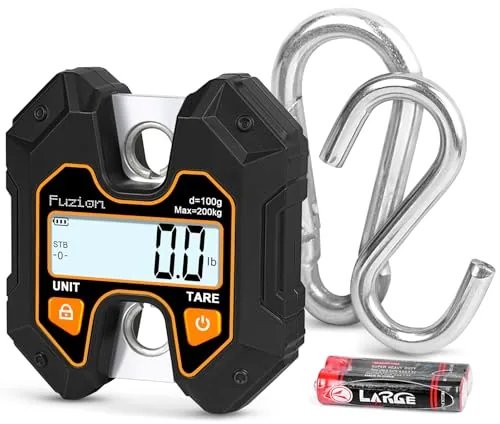
Lift the back of the hive or weigh it with a hanging scale (QWORK 110 lb, Fuzion 440 lb). Ask your local club or extension office what weight colonies need in your region.
Heavy syrup in early fall while bees can still store it; a candy board (BeeTech 10-frame) or fondant once it is cold. See beehive feeders.
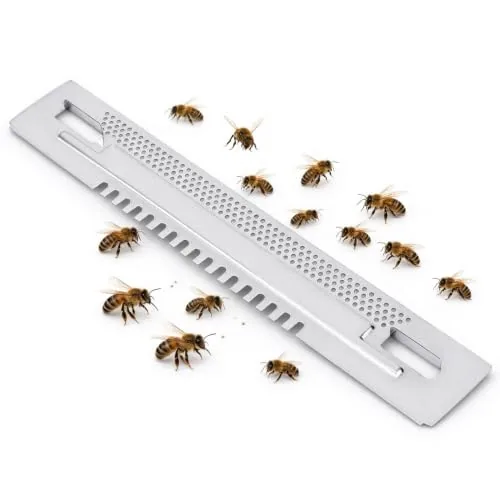
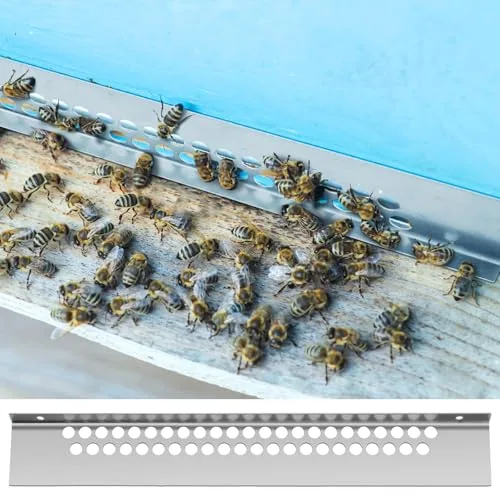
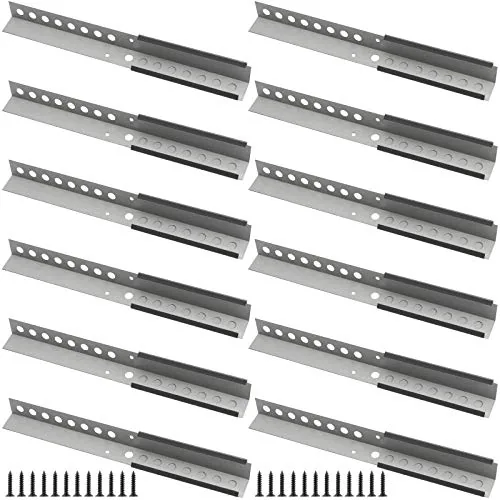
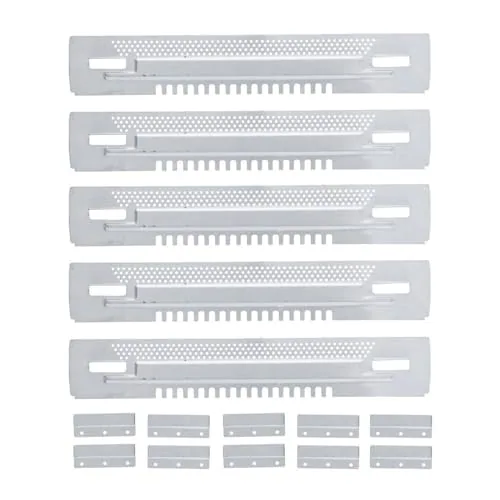
Stainless or galvanized guards (BeeCastle, KEILEOHO, TIHOOD) go on before the first hard frost.
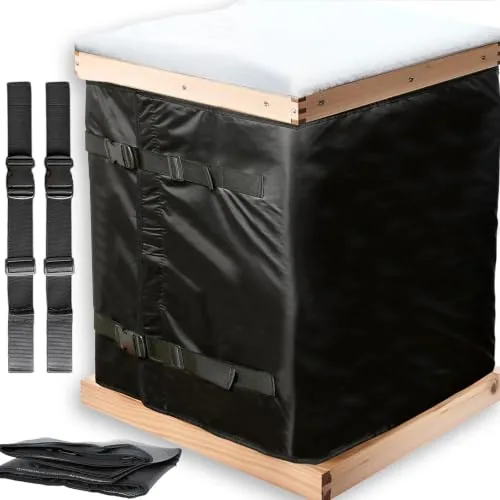
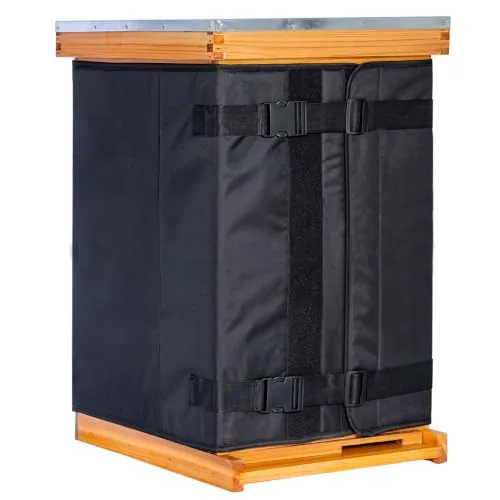
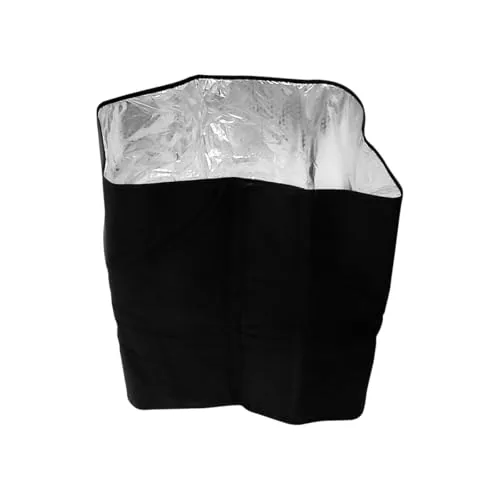
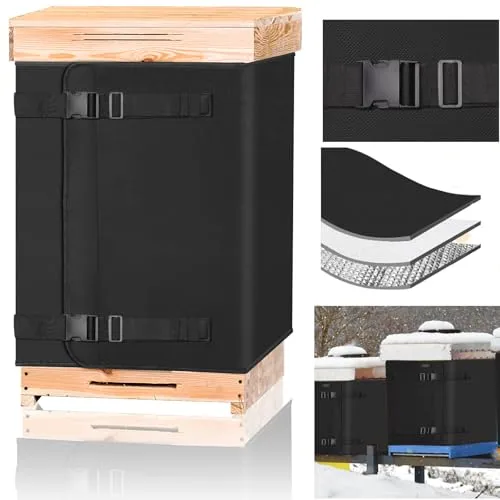
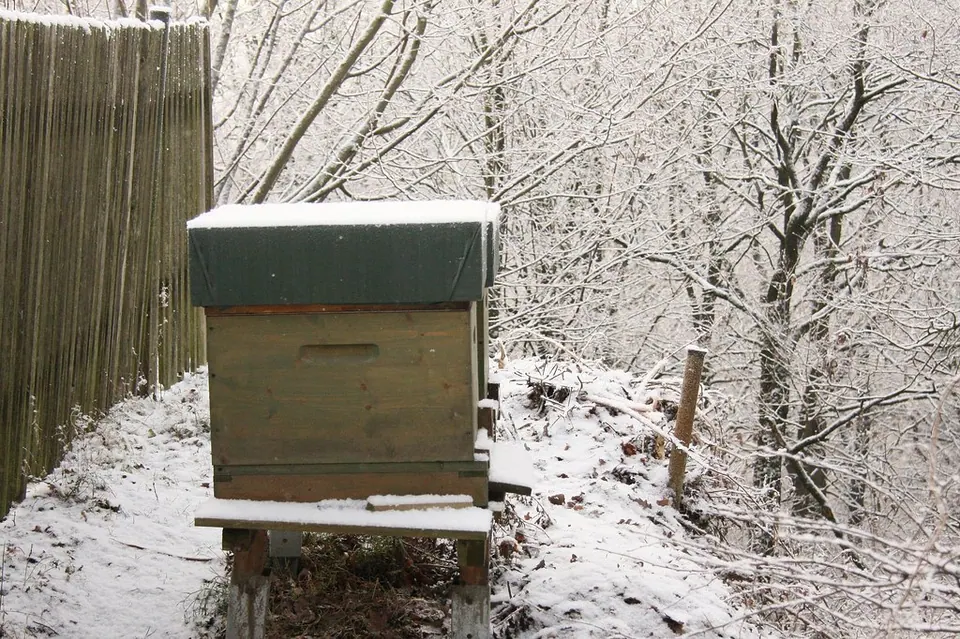
Wraps (POLLIBEE, Windspeed, Trademark Innovations) or insulated boxes (Apimaye, Lyson) reduce heat loss; an upper vent or quilt lets moisture escape.
For broodless-period mite control, see oxalic acid vaporization vs dribble.
Winter gear in our catalogue
| Option | Listed spec | Fit |
|---|---|---|
| POLLIBEE wrap | 600D Oxford, 3 mm pearl cotton, 2 foil layers | 8 and 10 frame, 2 deeps + 1 medium |
| Windspeed wrap | 600D Oxford, 3 mm pearl cotton, aluminum film | 8-frame |
| LRDCIMO wrap | Insulated, straps and buckles | Hoover Hives 10-frame deep |
| Apimaye Ergo | Insulated plastic boxes | 10-frame (own system) |
| Lyson kit | Insulated polystyrene, 1 deep (9.5 in) | 10-frame |
Source: Hive & Frame catalogue (maker listings); insulation values are maker claims
A wrap is a seasonal add-on to wooden hives you already own; an insulated hive is a year-round choice that also helps in hot summers. Read the best insulated beehives list and the Apimaye insulated hive review.
Region matters: see how to winterize a beehive, the seasonal calendar and the categories for bee health and insulated hives. UF IFAS ENY-161 covers overwintering in northern climates.
 Best of
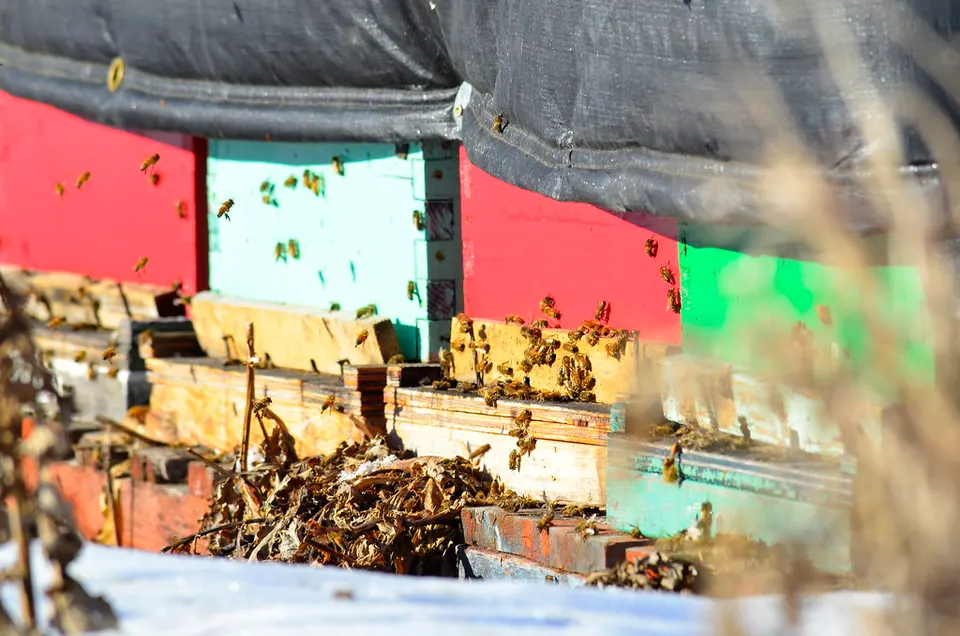
Best insulated beehive options compared: Apimaye and Lyson hives, an insulated Layens and winter wraps, by listed…
 Best of
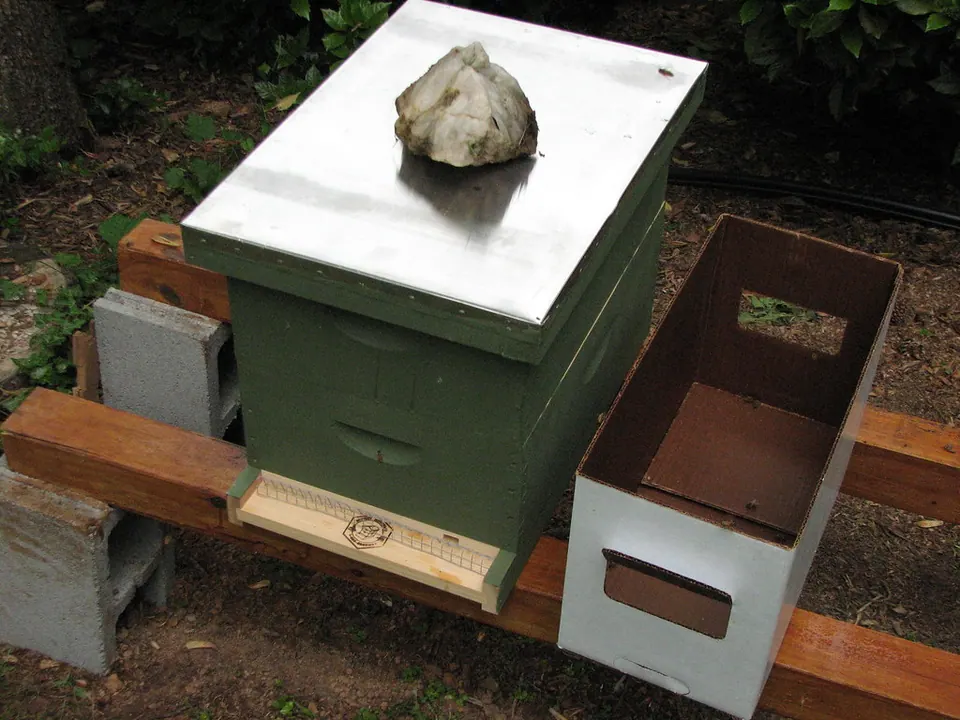
Best nuc box options compared: insulated 7-frame nucs, a queen mating nuc and full-size alternatives, with honest…
 Best of
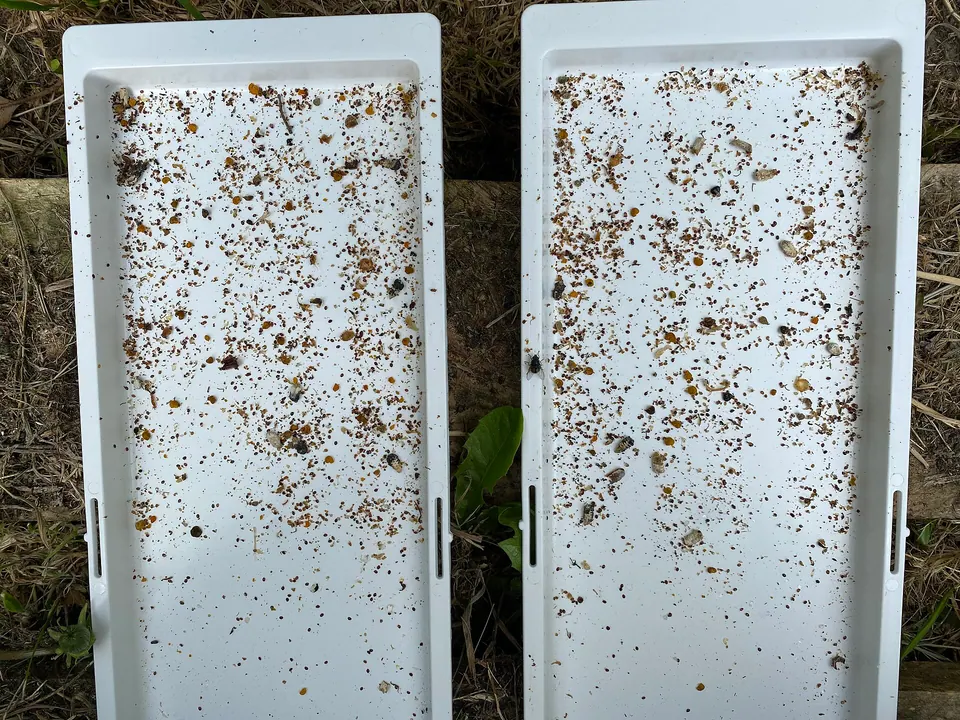
The best oxalic acid vaporizer for your apiary: pan vs pot designs, 12V, 110V and cordless power by specs, plus the…
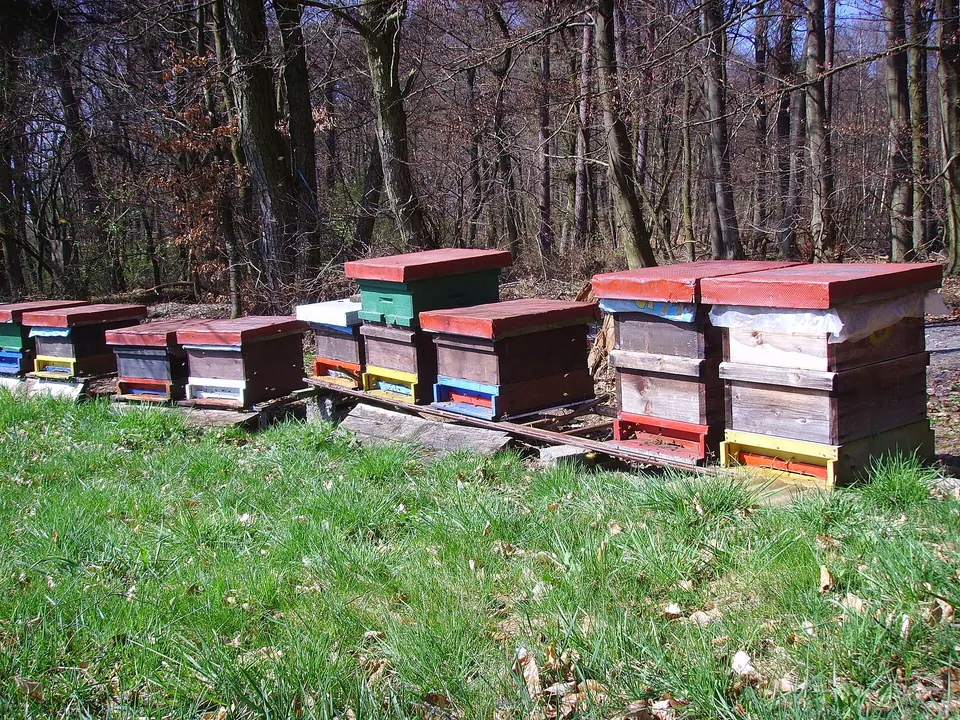 Best of
Hive monitoring without a dedicated system: general temperature sensors, hanging scales and mite testers as honest…
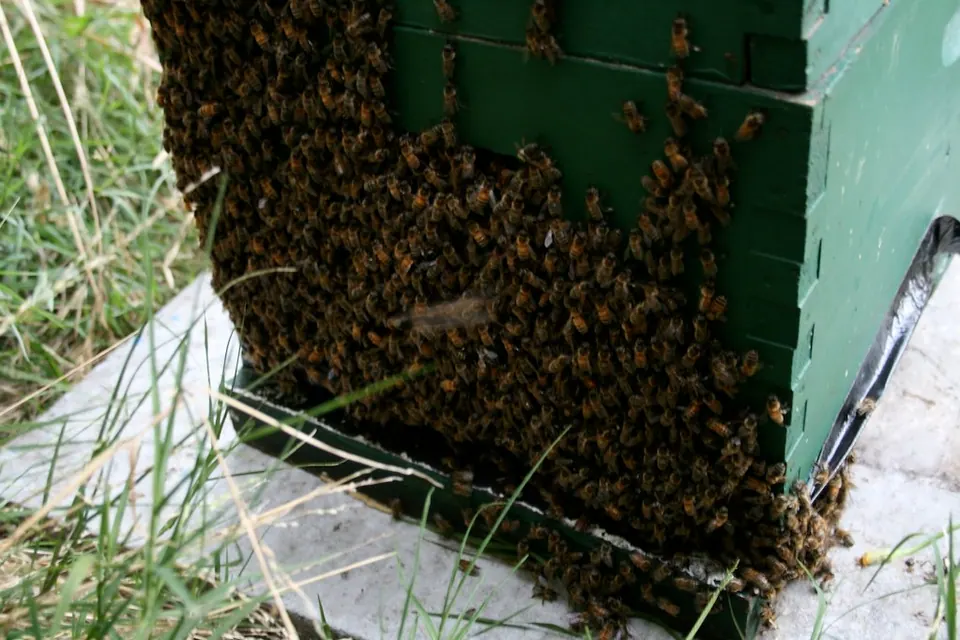 Review
Apimaye insulated hive review from the listing and published sources: Ergo 10-frame set, built-in feeder, pollen trap,…
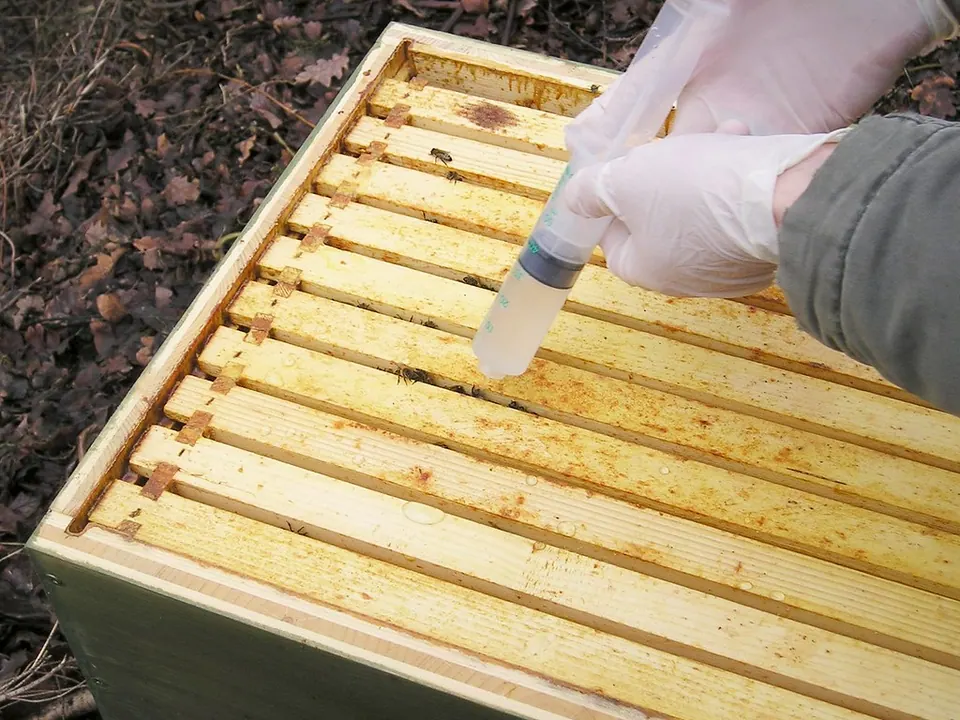 Versus
Oxalic acid vaporization vs dribble by the EPA label: doses, respirators, broodless timing per HBHC 9th edition, the…