Hoover Hives
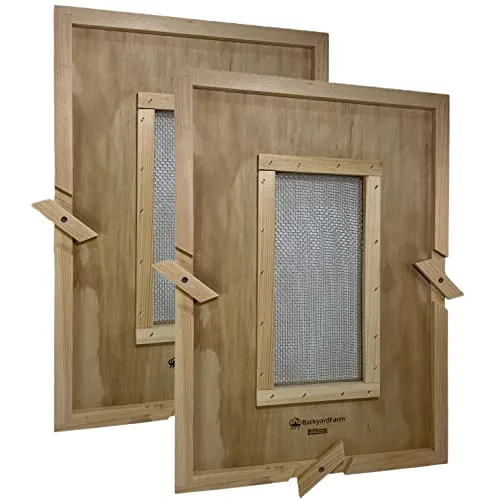
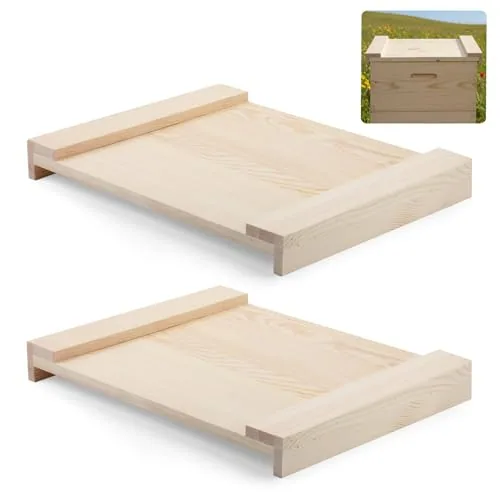
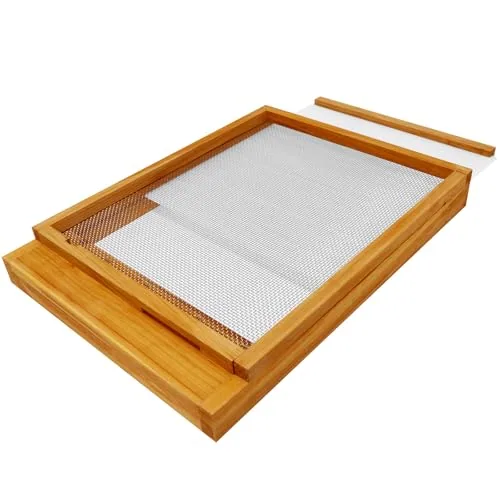
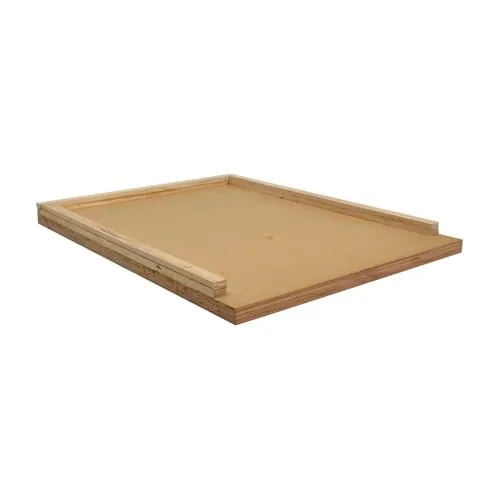
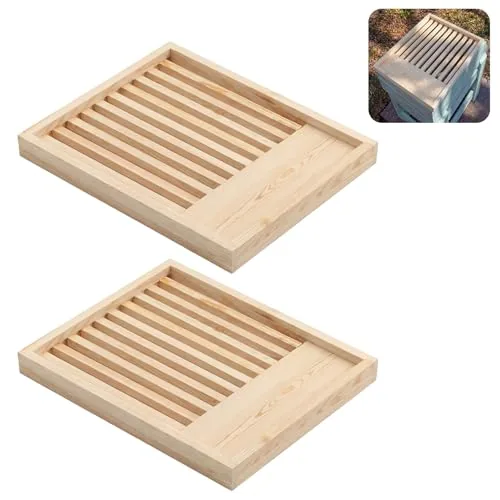
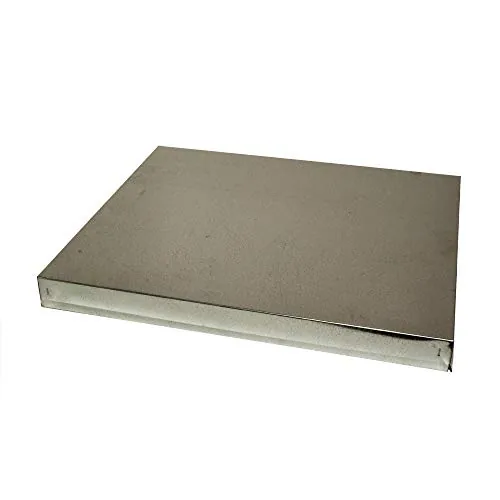
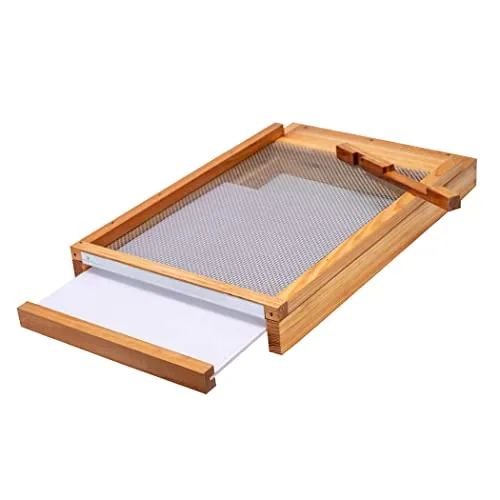
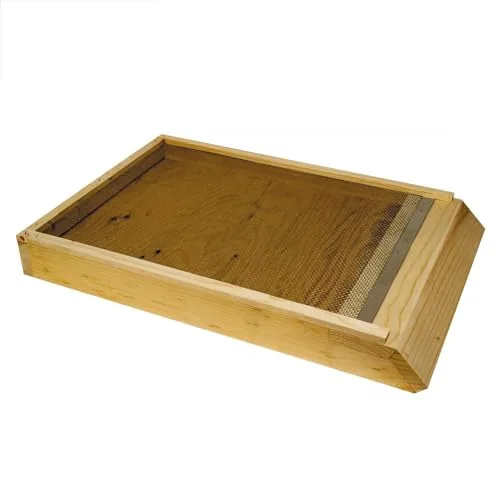
Hoover Hives Wax-Coated Solid Bottom Board
- Size
- Listed as 8-frame (bullets say 10-frame)
- Material
- Solid wood
- Finish
- Beeswax-coated
Best for Replacing a worn bottom board
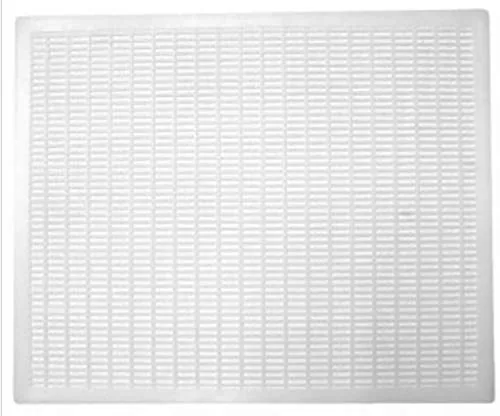
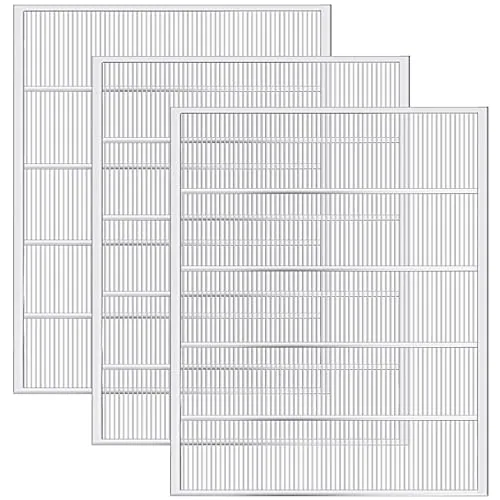
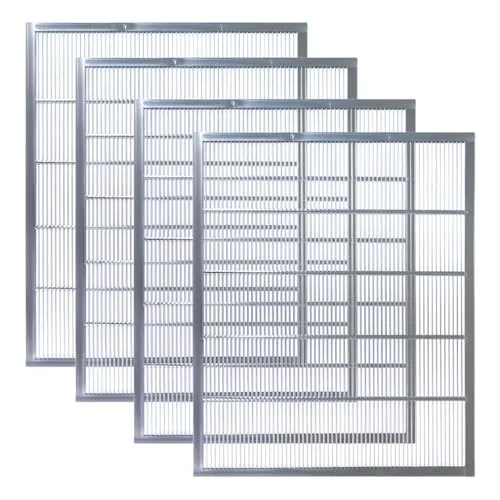
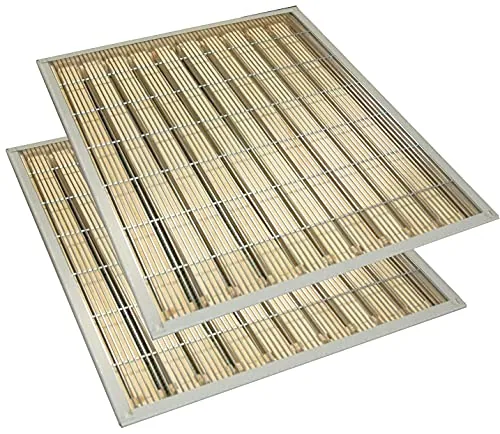
Wooden and plastic frames, wax and plastic foundation, queen excluders, inner and outer covers and bottom boards, with sizes as makers list them.
Best for Replacing a worn bottom board
Best for Keeping supers brood-free
Best for Beekeepers avoiding plastic foundation
Best for Splits and swarm control
Best for Filling a deep brood box
Best for Stocking deep boxes
Best for Budget medium foundation
Best for Skipping frame assembly
Best for Wax foundation in honey supers
Best for Quick frame replacements
Best for Stocking two deep boxes
Best for Spare or migratory covers
Best for Durable excluders for two hives
Best for Filling a deep box
Best for Several hives or spares
Best for All-wax deep foundation
Best for Budget deep frames
Best for Multi-hive apiaries
Best for Upgrading wooden 10-frame hives
Best for Summer ventilation
Best for 8-frame hive owners
Best for Replacing medium foundation
Best for Excluders for two hives
Best for Replacing a hive floor
Best for Topping up a medium super
Best for Filling a medium super
Best for Improving ventilation
Best for Ready-to-use deep frames
Best for Brood frames you can read easily
Best for Collecting pollen from 8-frame hives
Best for Replacing deep foundation
Best for Replacing a weathered lid
Best for Stocking several deeps at once
Best for Stocking a medium super
Best for Ventilated hive floors
Best for Ventilated hive floors
Best for Two deep boxes of frames
Best for Larger apiaries refitting frames
No product matches every filter. Clear one to see more.
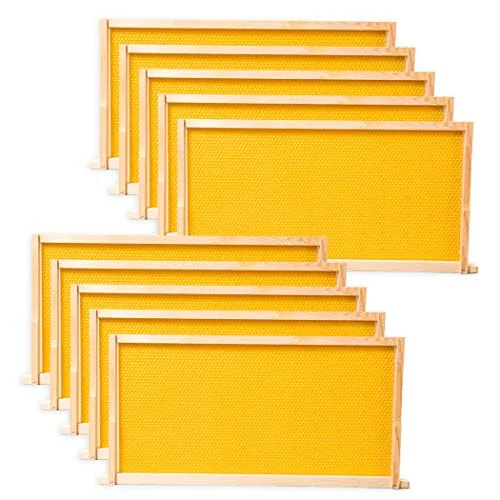
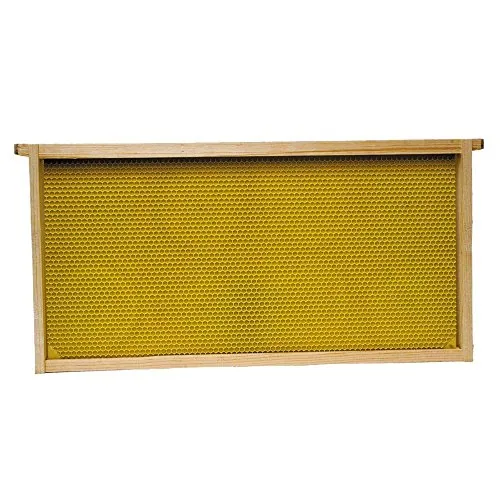
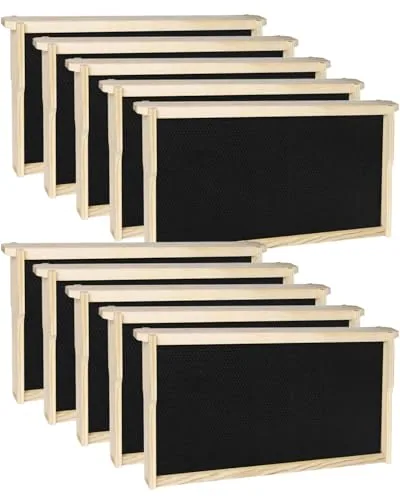
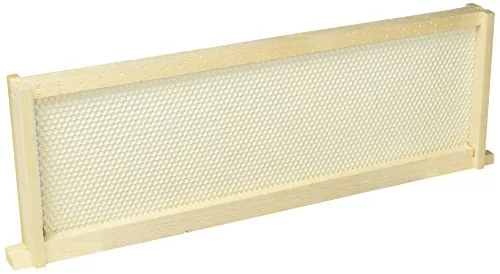
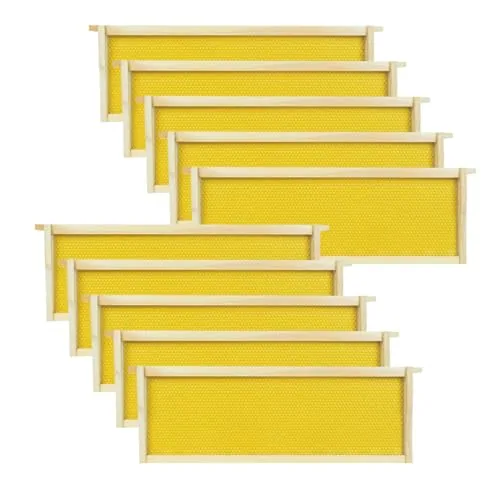
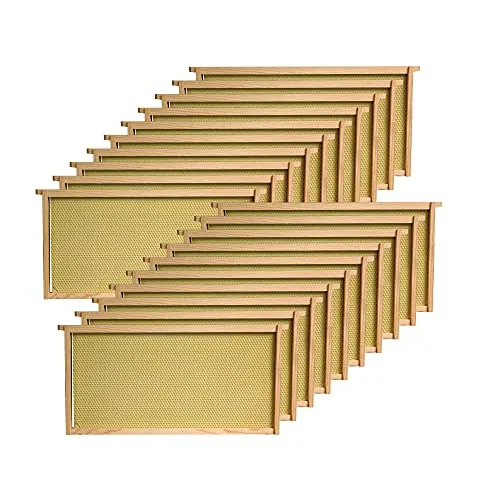
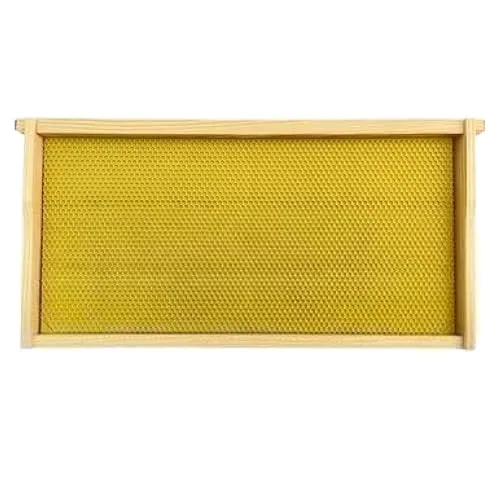
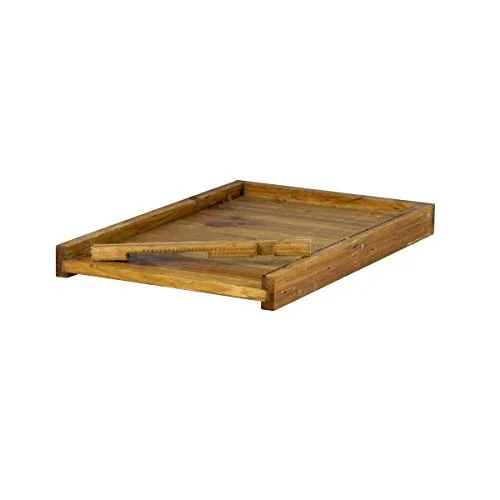
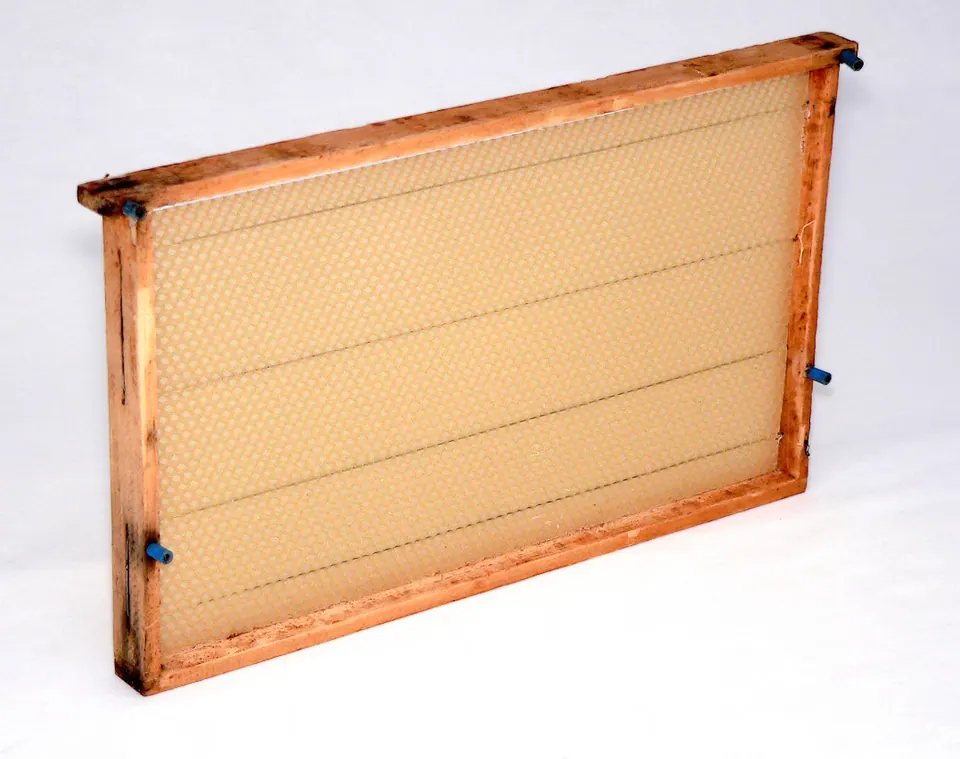
Beehive frames and foundation are the parts your bees build comb on, and they are the parts you will buy most often after the first year. A frame is the wooden or plastic rectangle; foundation is the sheet inside it, embossed with a cell pattern so bees build straight comb. This category also covers the parts around the frames: queen excluders, inner and migratory covers, slatted racks and solid or screened bottom boards.
Everything here assumes a Langstroth hive. Top bar and Warré hives use bars, not frames; see hives and kits for those.
Langstroth frame sizes as listed in our catalogue
| Frame | Listed size | Goes in | Typical use |
|---|---|---|---|
| Deep | 9-1/8 in tall (19 x 1-3/8 x 9-1/8 in on several listings) | Deep box, 9-5/8 in | Brood nest and winter stores |
| Medium | 6-1/4 in tall | Medium box, 6-5/8 in | Honey supers; some keepers run all mediums |
| Foundation, deep | 8-1/2 in (Mann Lake FN800) or 16.65 x 8.26 in (BeeCastle) | Deep frames | Check frame groove type before mixing brands |
Source: Hive & Frame catalogue (maker and seller listings)
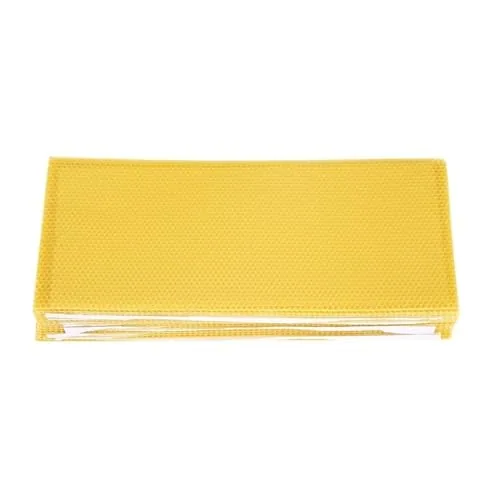
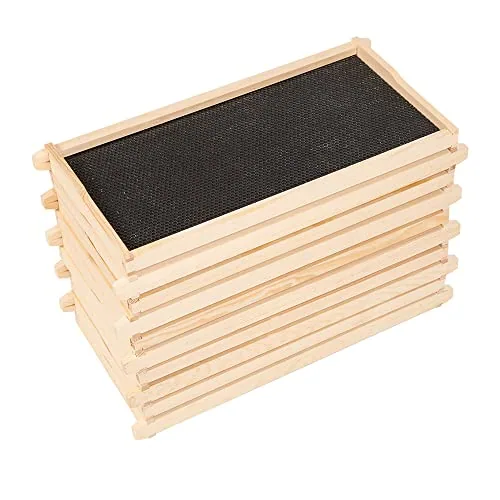
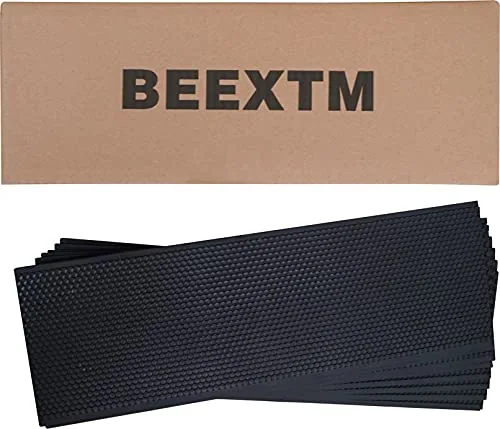
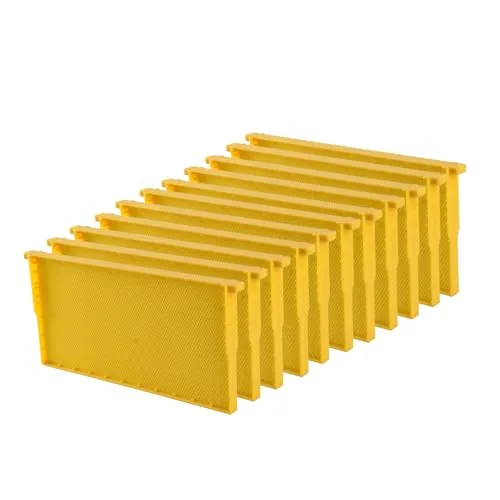
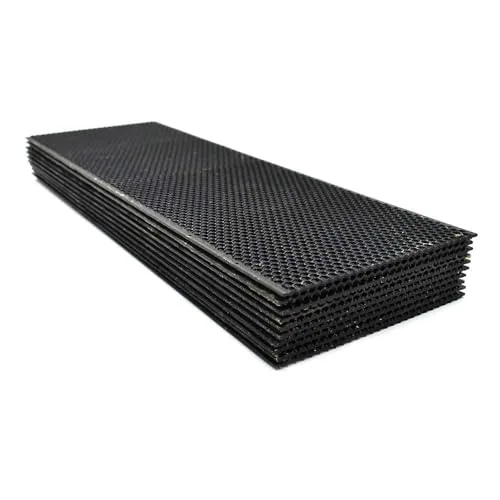
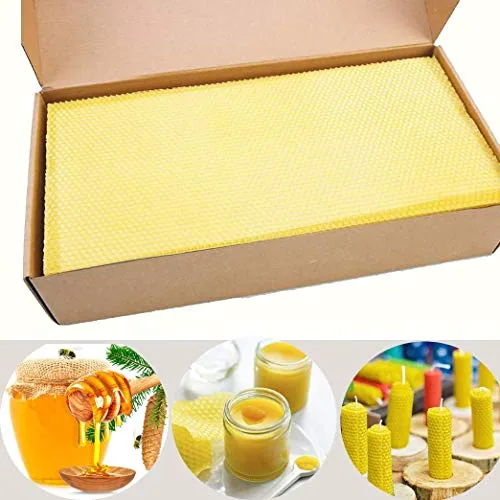
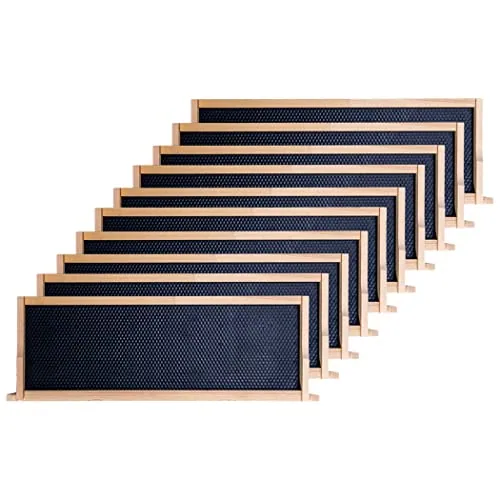
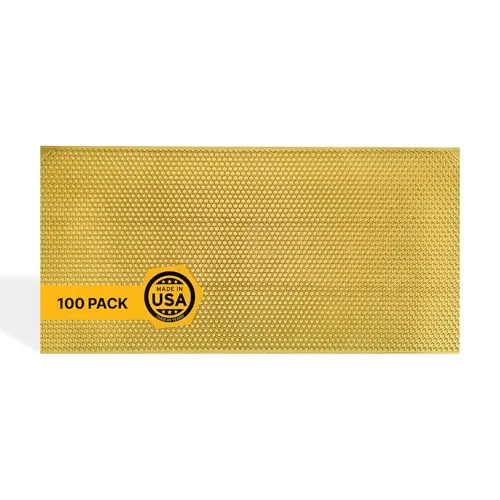
Pure beeswax sheets (Goodland, Anu Limen, Varybeaty) are what many bees accept fastest, but they sag in heat and can break in an extractor without wiring. Plastic foundation coated in beeswax (Mann Lake Rite-Cell, BeeCastle, POLLIBEE, HiveSweet) is rigid and reusable. Rite-Cell is listed as beeswax-coated plastic, not pure wax, so read the material line. One-piece plastic frames (Benefitbee) skip assembly entirely. Our plastic vs wax foundation comparison goes through acceptance, extraction and cost of ownership.
 Best of
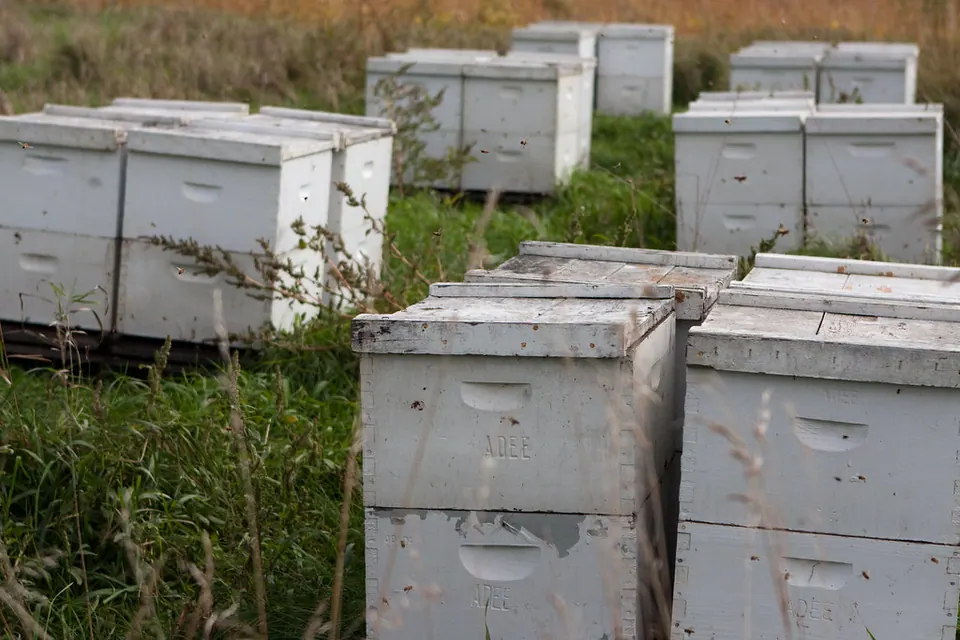
Best Langstroth hive picks compared by box count, frames, wood and finish: assembled and flat-pack 10-frame stacks…
 Versus
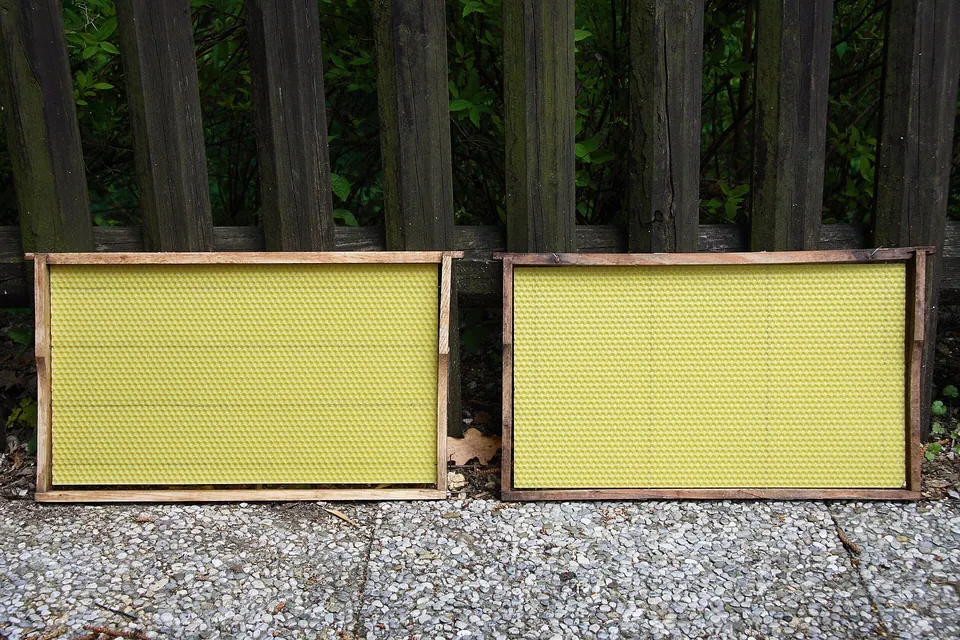
Plastic vs wax foundation compared: bee acceptance data, extractor durability, wiring, comb honey and which to buy for…
VersusMann Lake vs Hoover Hives by listed specs: painted US pine or beeswax-dipped fir, assembled or flat-pack, frames,…
 Guide
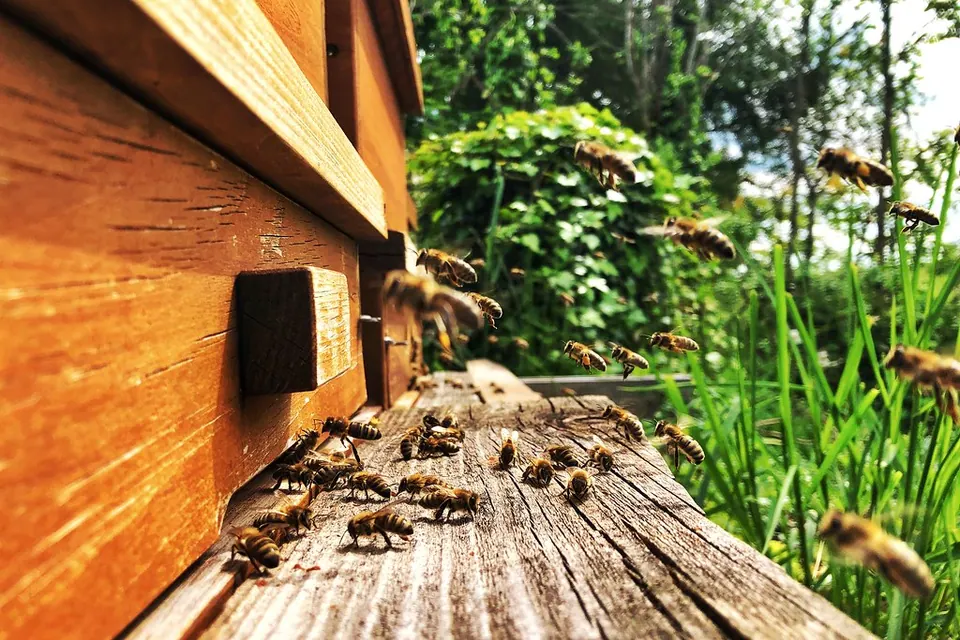
How to prevent swarms: spot the signs early, give room before the bees need it, reverse or open the brood nest, and…
 Guide
How to winterize a beehive: get mites down by late summer, reach your regional honey target, fit mouse guards, control…