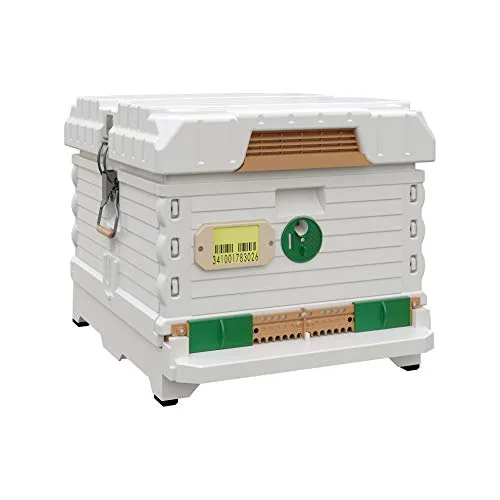
Apimaye
Apimaye Ergo Insulated 10-Frame Hive Set, No Frames
- Frames
- 10 (frames not included)
- Boxes
- Double deep
- Material
- Insulated plastic
Best for Cold-winter apiaries using their own frames
Compact hives, gentle handling and neighbor-friendly setups for small yards: hive stands, veils, bee waterers and books for city beekeepers.
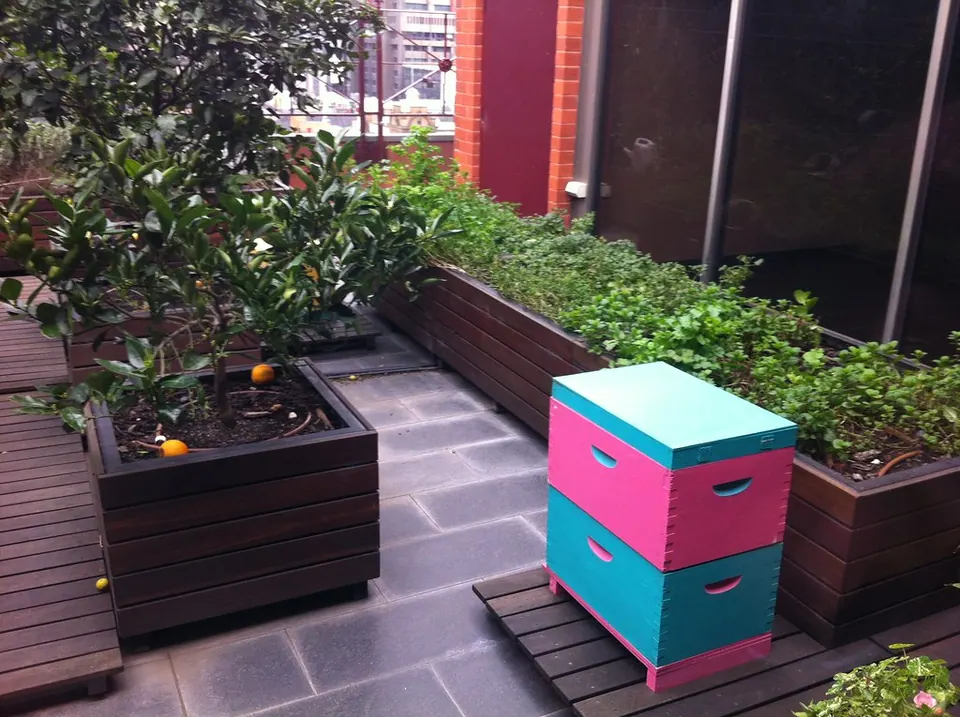
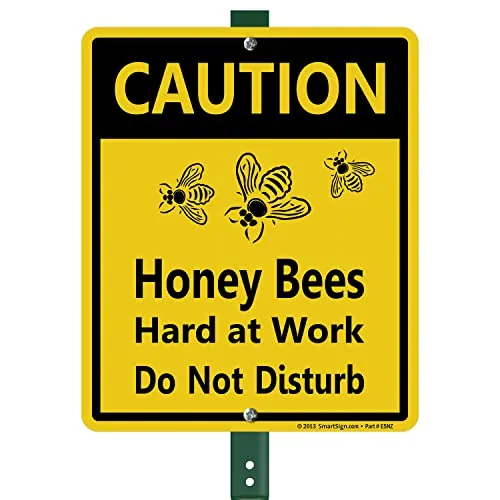
Backyard beekeeping works in surprisingly small yards, as long as you plan where the bees fly, where they drink and how you work them. This page gathers gear tagged for small spaces: compact hives, stands, quick-on veils and hats, bee waterers, a yard sign and books written for backyard keepers. Groups below link to the full category with the backyard filter.
Best for Cold-winter apiaries using their own frames
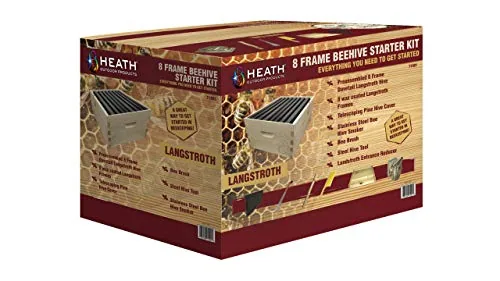
Best for Beginners buying everything at once
Best for Budget 8-frame start
Best for Natural, low-intervention beekeeping
Best for Budget small-yard hive
Best for Tap-harvest honey in a backyard
Best for Beekeepers who want to avoid lifting
Best for Small-yard beginner kit
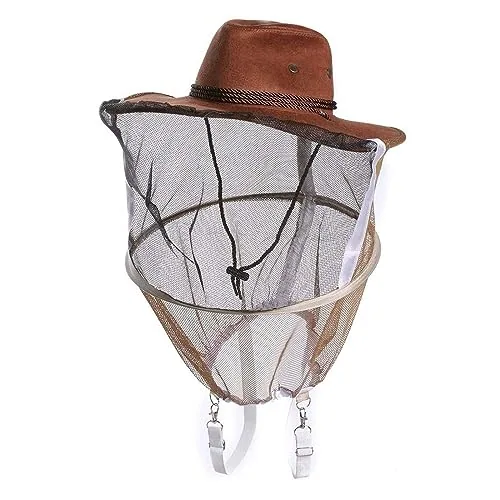
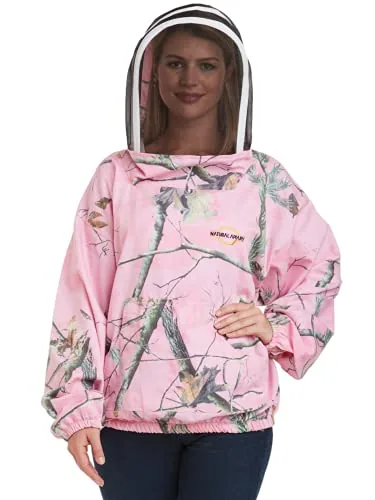
Best for Quick hive checks
Best for Quick checks on calm colonies
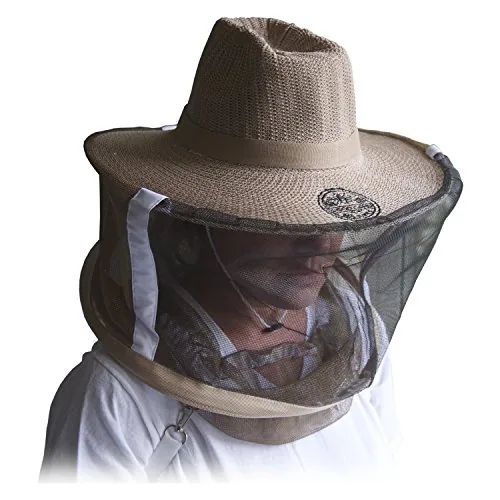
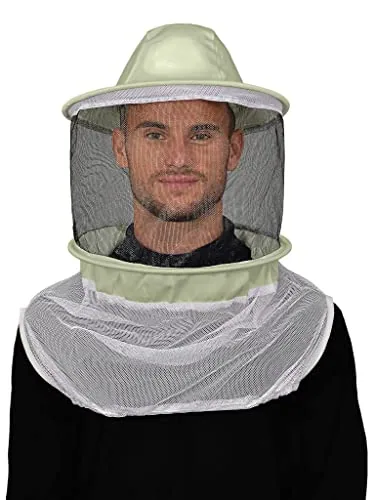
Best for Veil-only quick checks
Best for Short checks on calm hives
Best for Kids or a single backyard hive
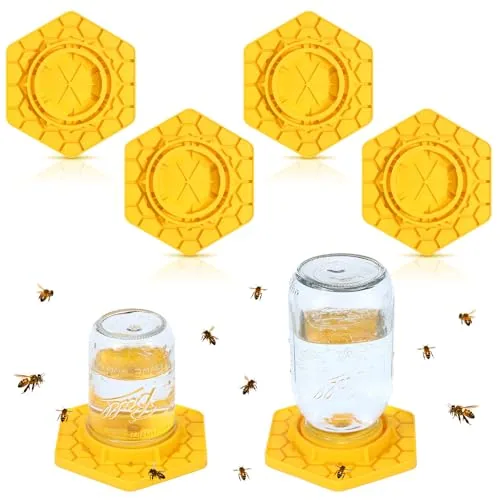
Best for A water source near the yard
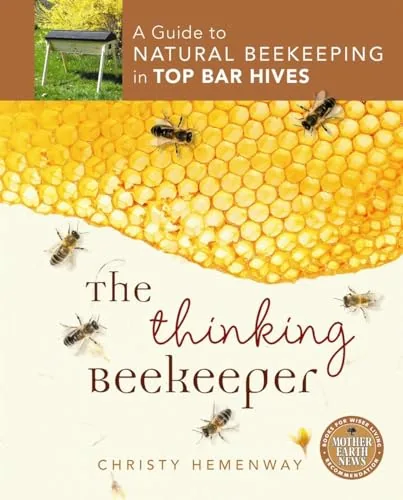
Best for Top-bar beginners
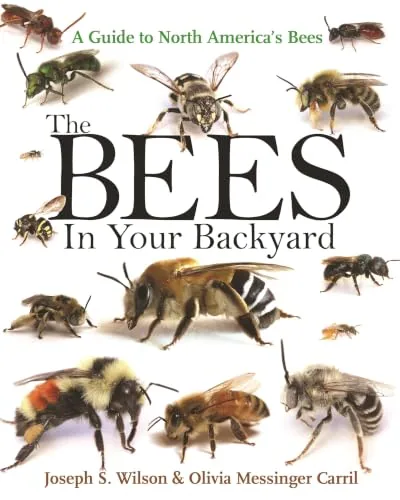
Best for Learning wild and native bees
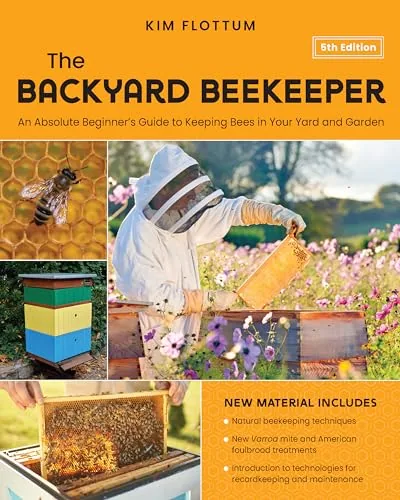
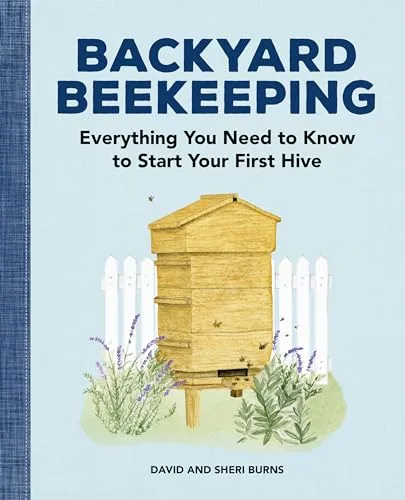
Best for Backyard first-hive keepers
Best for New backyard beekeepers
Best for Marking a backyard apiary
Compact hive options in our catalogue
| Style | Example | Why it suits small yards |
|---|---|---|
| 8-frame Langstroth | Hoover Hives 8-frame deep, BeeCastle 8-frame starter | ✓ Narrower, lighter boxes |
| Flow Hive | Flow Hive 2 and Classic, 6 Flow Frames | ✓ Harvest without an extractor or open boxes on harvest day |
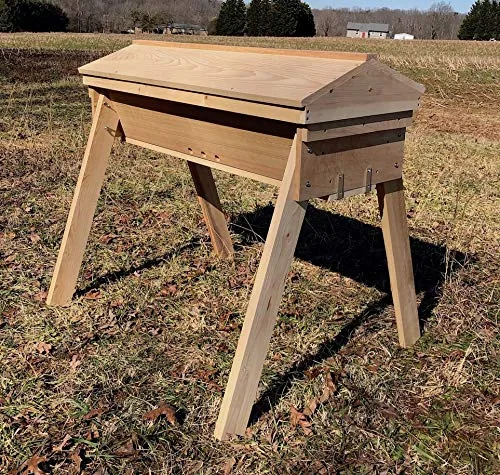
| Top bar | MtnViewHoney (40 x 18 x 13 in), Gold Star Honeybees | ~ No lifting; needs more ground space |
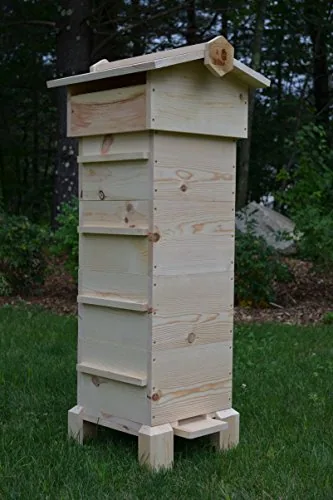
| Warré | Buzzing Rooster 4-box | ~ Small footprint; fewer local mentors |
Source: Hive & Frame catalogue (maker listings)
Weigh the trade-offs in 8-frame vs 10-frame, Flow Hive vs Langstroth and best top bar hives. If you consider a Flow Hive, buy only from Flow's own listings; many lookalikes use the name.
Considering a Flow Hive? Read the Flow Hive 2 review first.
New to all of it? Start with your first hive and the first-hive shopping list.
 Best of
The best beehive for beginners, compared by real specs: assembled Langstroth stacks, an 8-frame box, insulated, Flow…
 Best of
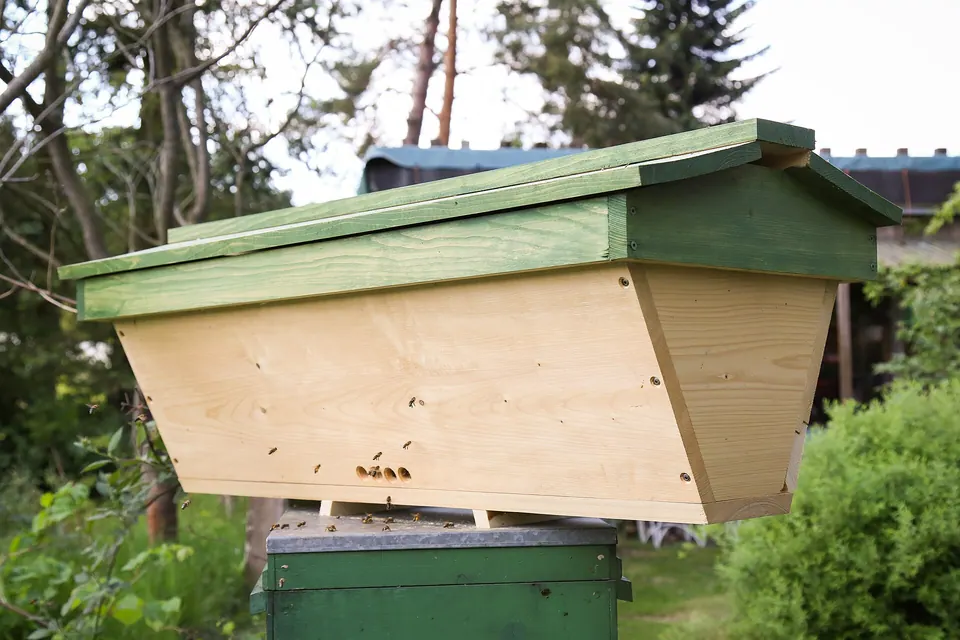
Best top bar hive picks for 2026: only two true top bar makers, plus Warré, Layens and DIY options that suit…
 Best of
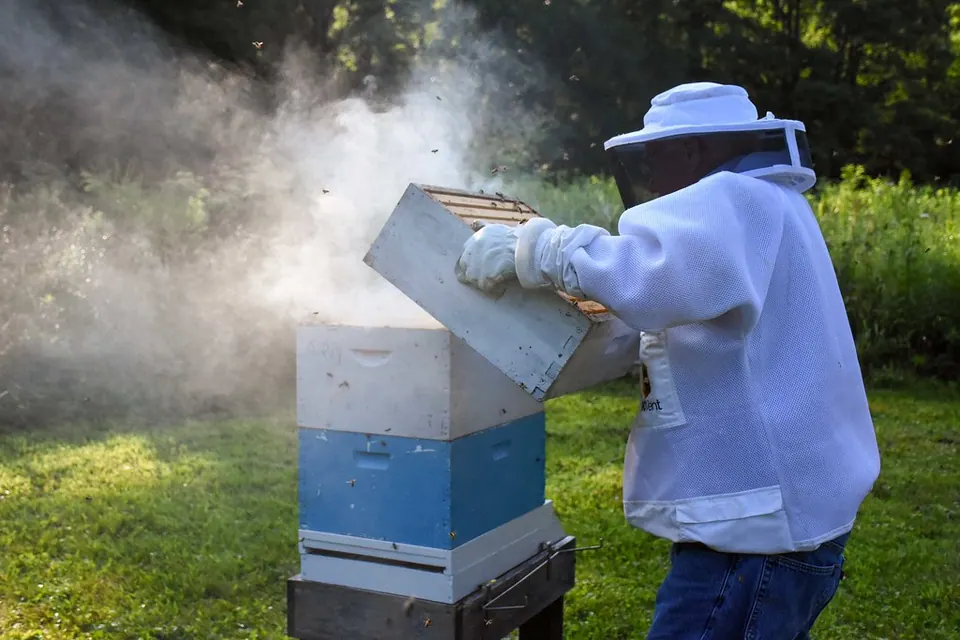
The best beekeeping jacket for quick checks and hot days: ventilated mesh vs polycotton, round vs fencing veils and…
 Review
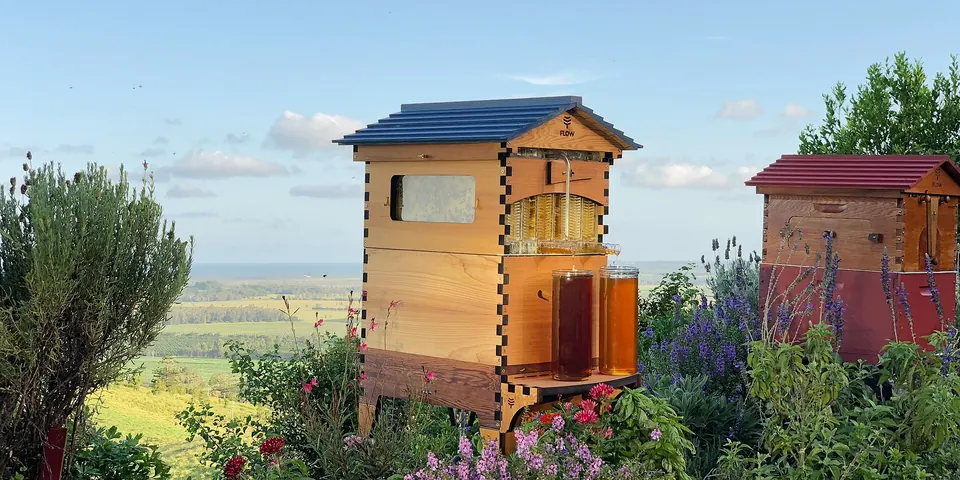
Flow Hive 2 review from the official listing and Flow's own data: 6 Flow Frames, about 39 lb per full super, real…
 Review
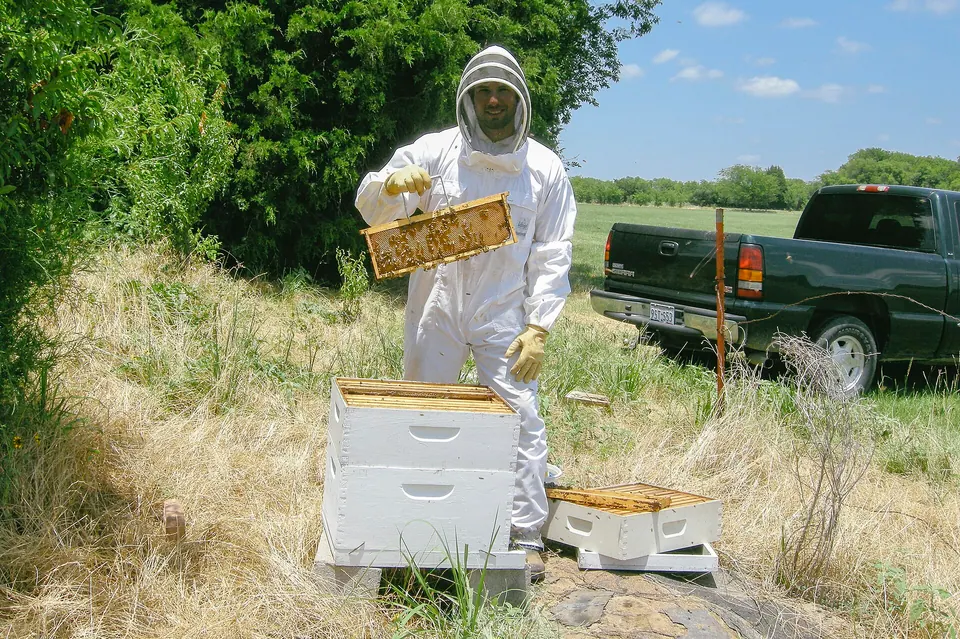
Oz Armour bee suit review from the listing: ventilated air mesh, fencing and round veils, eight pockets, leg zips, and…
 Versus
Flow Hive vs Langstroth compared by harvest method, weight, wax, cost of extra gear and colony care, with picks from…