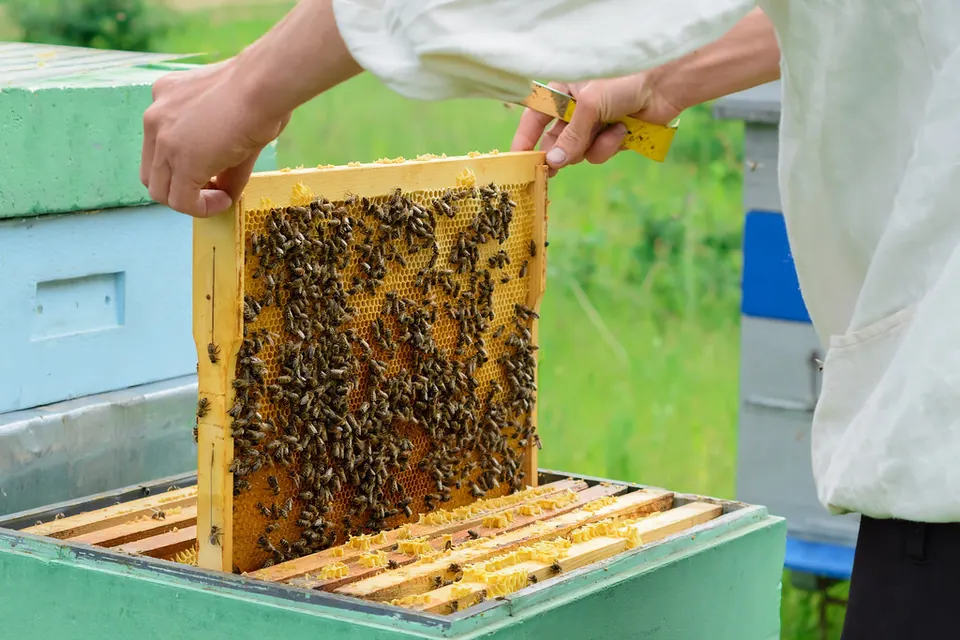

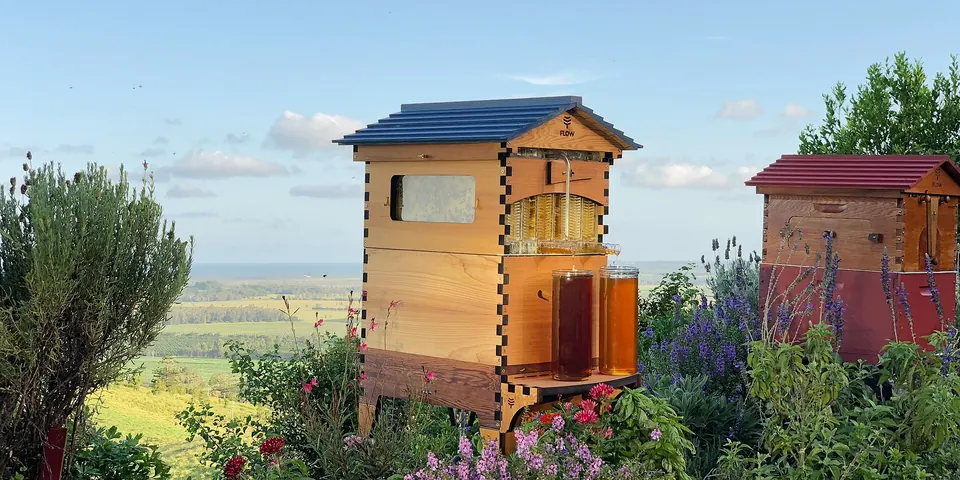
- A Flow Hive is a Langstroth hive below the honey super. The difference is only how you harvest.
- Flow says a full 6-frame Flow super gives about 39 lb of honey with no uncapping or extractor.
- A conventional super gives you beeswax, comb honey and drawn comb that fits any hive, but needs an extractor or crush and strain.
- Brood care, swarm control and varroa management are identical in both.
Flow Hive vs Langstroth is less of a contest than it looks: the Flow Hive 2 sits on an 8-frame Langstroth deep, and its brood box works exactly like any other. What changes is the box on top, where Flow Frames replace wooden frames and a key replaces the extractor.
This comparison uses the official Flow listings, Flow's own yield figures and published box weights. For the full single-product write-up, read the Flow Hive 2 review; for hive types beyond these two, see Langstroth vs top bar hive.
Picks from each side
Flow Hive
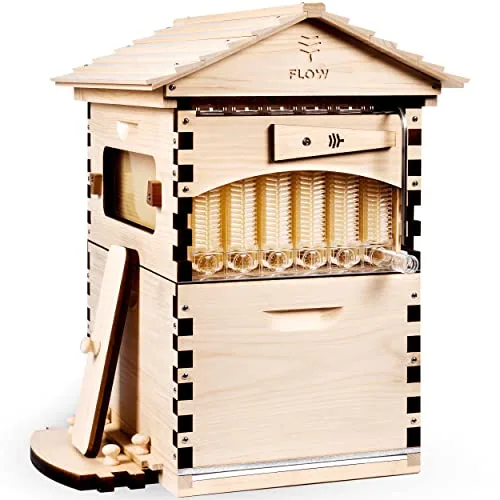
Flow Hive 2, 6 Flow Frames
- Frames
- 6 Flow Frames in super
- Includes
- Multifunction tray, adjustable stand, harvest shelf
Best for Tap-harvest honey in a backyard
Flow Hive Classic, 6 Flow Frames
- Frames
- 6 Flow Frames
Best for Flow harvesting on a simpler hive
Langstroth
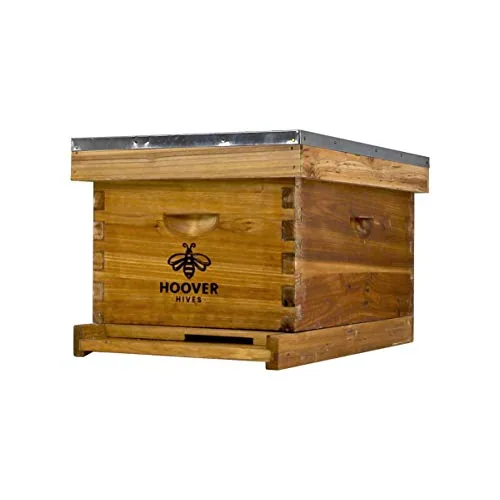
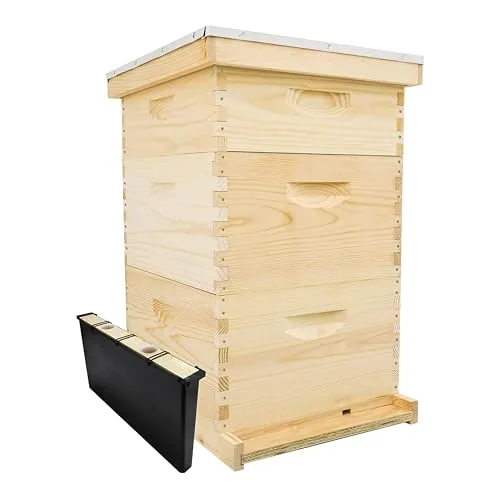
Hoover Hives 8-Frame Deep Hive Kit, Assembled
- Frames
- 8 with foundation
- Boxes
- 1 deep
- Material
- Fir
Best for A lighter assembled first hive
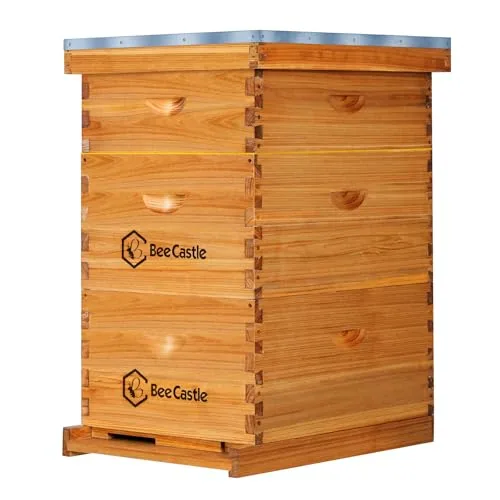
BeeCastle 10-Frame Waxed Langstroth Hive, 2D+1M
- Frames
- 10
- Boxes
- 2 deep, 1 medium
- Material
- Cedar boxes, pine frames
Best for A full-size first hive
Mann Lake KD150 10-Frame Hive Kit, 2D+1M, Unpainted
- Frames
- 30 unassembled
- Boxes
- 2 deep, 1 medium
- Material
- Dovetail pine, made in USA
Best for DIY assembly and painting
Flow Hive vs Langstroth side by side
How the two set-ups differ
| Flow Hive 2 | Conventional Langstroth | |
|---|---|---|
| Brood box | 8-frame Langstroth deep | 8- or 10-frame deep (or medium) |
| Honey super | 6 plastic Flow Frames | 8–10 wooden frames with foundation |
| Harvest | ✓ Turn a key, honey drains to a jar | ~ Uncap, then extract or crush and strain |
| Extra harvest gear | ✓ Jars only | ✗ Uncapping tools, extractor or strainer, bucket |
| Beeswax from cappings | ✗ None from the Flow super | ✓ Yes |
| Comb honey | ✗ No | ✓ Yes, with thin foundation or foundationless frames |
| Drawn comb for splits | ✗ Flow Frames stay in the super | ✓ Supers can move between hives |
| Crystallized honey | ✗ Will not drain from the frame | ~ Harder to extract; can be cut out |
| Inspections and mites | ~ Same as Langstroth | ~ Same as Flow |
| Knockoff risk | ✗ High; buy the official listing | ✓ Low |
Source: Flow support and forum; Hive & Frame catalogue
What the numbers say about harvest and lifting
Flow says each full Flow Frame gives about 6.5 lb (3 kg) of honey, so a full 6-frame super is about 39 lb and a 7-frame super about 44 lb. With a conventional hive you harvest by lifting full supers off the stack and carrying them indoors. GloryBee, a bee supply company, puts a full 8-frame medium at about 40 lb and a full 10-frame medium at about 50 lb.
Approximate weight of a full hive box
Box, comb, bees and honey; the Flow Hive 2 brood box is an 8-frame deep
The Flow advantage at harvest is real: you leave the super in place. But you still lift the super off to inspect the brood box below it, and a full Flow super holds about 39 lb of honey before you add the box and frames. The 8-frame brood box is lighter than a 10-frame deep, which is a point in favor of both the Flow Hive 2 and any 8-frame Langstroth.
To turn pounds into jars, try the honey yield calculator. Flow and USDA both stress that yields swing widely with colony strength, forage and weather.
Is a Flow Hive easier than a Langstroth for beginners?
Only at harvest time. Everything that decides whether a first colony survives happens in the brood box, and that is the same in both hives.
- Inspections: every one to two weeks in the season, looking for eggs, brood pattern, stores and queen cells. The Flow super comes off just like a wooden one.
- Varroa: sample about 300 bees and compare with the HBHC 9th-edition thresholds in the mite threshold calculator. Use only EPA-registered treatments, exactly per the label, including its rules on honey supers.
- Swarm control: add space before the colony is crowded, in either hive.
- Winter: leave enough honey for the colony. Flow says so explicitly.
Where a Flow Hive does help beginners is the gear list: no extractor, uncapping fork or strainer for the Flow super. Price your own version of each set-up in the first-hive shopping list, which has both options.
What you give up with Flow Frames
Wax and flexibility. Cappings from a conventional harvest are where most hobby beeswax comes from, for candles, balms or just a block for the next season. Flow Frames produce no cappings, since the bees uncap and reuse the cells.
Drawn wooden comb is also a resource: you can move a frame of honey to a light colony, or use drawn supers to give a swarm a head start. Flow Frames stay in the Flow super.
Finally, honey that crystallizes in the comb, which some nectar sources do quickly, will not run out of a Flow Frame. With wooden frames you can still cut and strain it. Know your local flows before you buy.
Mistakes to avoid
- Buying a Flow Hive to avoid inspections. The brood box still needs regular checks and mite counts.
- Harvesting uncapped frames. Wet nectar can ferment. Harvest capped frames, and check moisture if you sell; the USDA grade standards are the reference.
- Mixing 8- and 10-frame boxes. The Flow Hive 2 is 8-frame; extra brood boxes must be 8-frame too.
- Adding a super too early or too late. Add space when the brood boxes are mostly drawn and busy, not on install day.
- Buying a knockoff. Check brand, seller and model before you order.
Who should choose a Flow Hive, and who should choose a Langstroth?
Choose a Flow Hive if you…
- want honey without processing gear or a sticky kitchen
- have one or two hives in a backyard and like harvesting at the hive
- are fine with 8-frame equipment and plastic honey frames
- value Flow's warranty and support enough to buy the official product
Choose a conventional Langstroth if you…
- want beeswax, comb honey or drawn comb to move between hives
- plan to grow past two or three hives and share an extractor
- live where honey often crystallizes in the comb
- want the most widely compatible equipment in the US
Browse every hive we track in the hives and kits category, or start from your first hive.
Other options worth a look
Neither of these? An insulated Langstroth-size hive takes standard frames with built-in feeder and pollen trap, a top bar hive skips box lifting entirely, and a US-made single deep is a simple, low-commitment start.
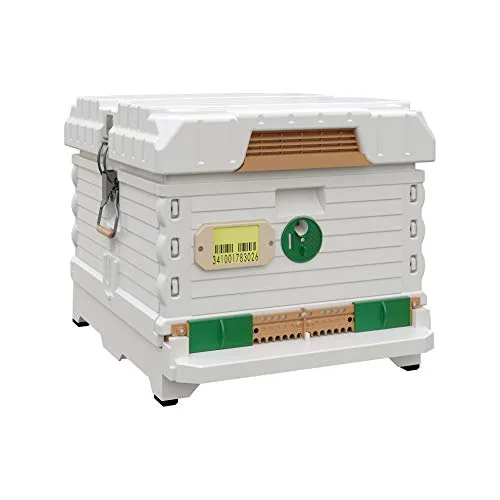
Apimaye Ergo Insulated 10-Frame Hive Set, No Frames
- Frames
- 10 (frames not included)
- Boxes
- Double deep
- Material
- Insulated plastic
Best for Cold-winter apiaries using their own frames
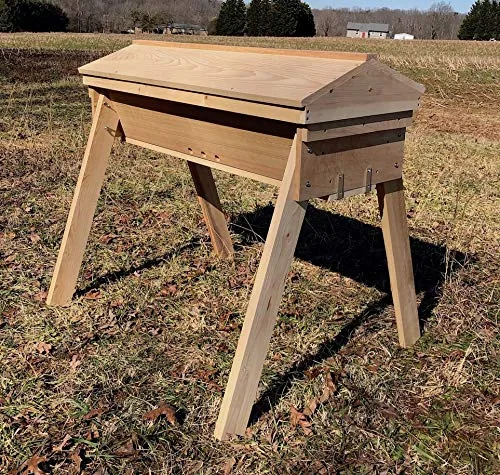
Gold Star Honeybees Top Bar Hive Kit
- Type
- Top bar hive
- Size
- 48 x 48 x 36 in
- Includes
- Bevel-point top bars, glass observation window
Best for Beekeepers who want to avoid lifting
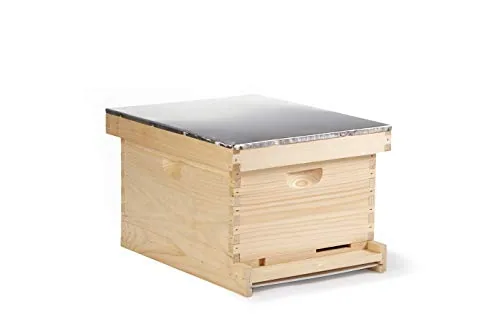
Little Giant 10-Frame Complete Hive, Made in USA
- Frames
- 10 wooden with black foundation
- Boxes
- 1 deep
Best for Single ready-to-use hive
Before you buy, read how to spot a fake Flow Hive and the best Langstroth hives.
Choose a Flow Hive if a clean, extractor-free harvest is the thing that will keep you beekeeping, and buy the official listing. Choose a conventional Langstroth if you want wax, comb honey and equipment that moves freely between hives. Either way, the bees need the same care: inspections, swarm control and mite counts against the HBHC thresholds.
Built from the official Flow listings, Flow support and forum statements, GloryBee box weights, USDA NASS yield data and HBHC guidance, plus the Hive & Frame catalogue for picks. Hive & Frame keeps no test colonies and did not harvest from either hive.
Questions
Is a Flow Hive better than a Langstroth?
Can you put a Flow super on a Langstroth hive?
How much honey does a Flow Hive produce vs a Langstroth?
Do you need an extractor with a Langstroth hive?
Is a Flow Hive good for beginners?
Do Flow Hive vs Langstroth hives differ for varroa treatment?
Sources
- Flow support: How much honey comes out of a Flow Hive or super
- Flow support: Why choose a genuine Flow Hive
- Flow forum: Flow Hive 2 dimensions (Flow staff reply)
- Flow: hive sizing guide
- GloryBee: Eight is Great Because of Weight
- USDA NASS, Honey report (March 2026)
- Honey Bee Health Coalition, Tools for Varroa Management, 9th edition (2026)
- EPA: registered pesticide products approved for use against varroa mites
- USDA AMS: U.S. Grades for Extracted Honey