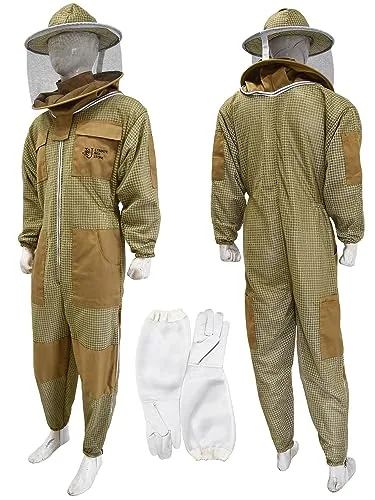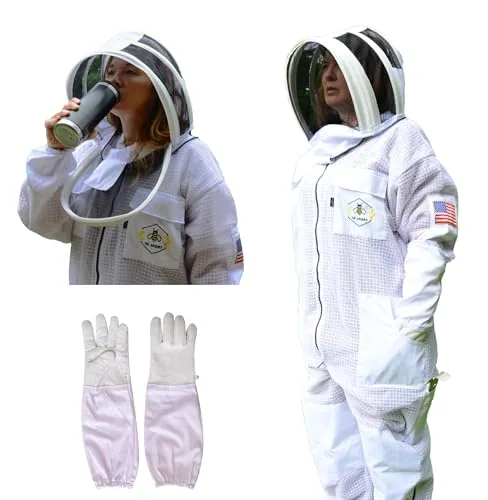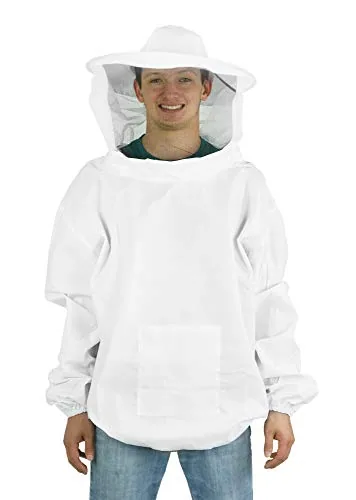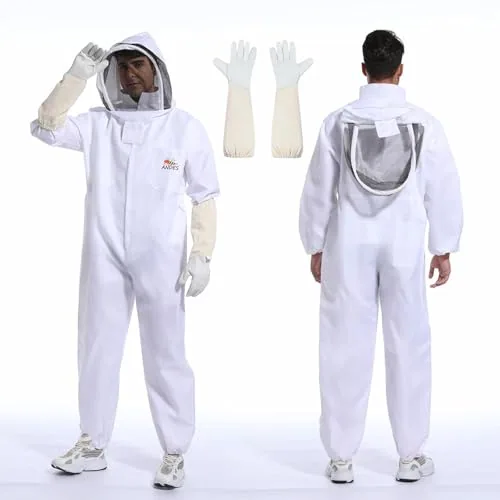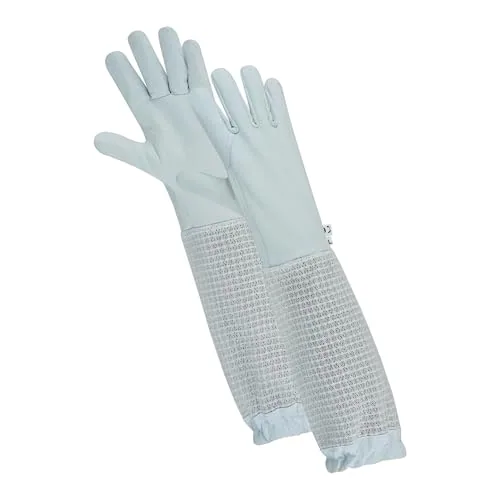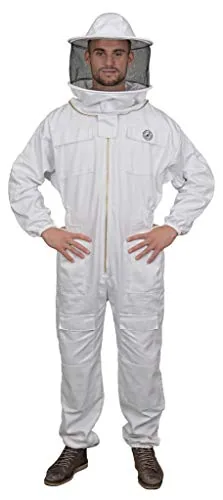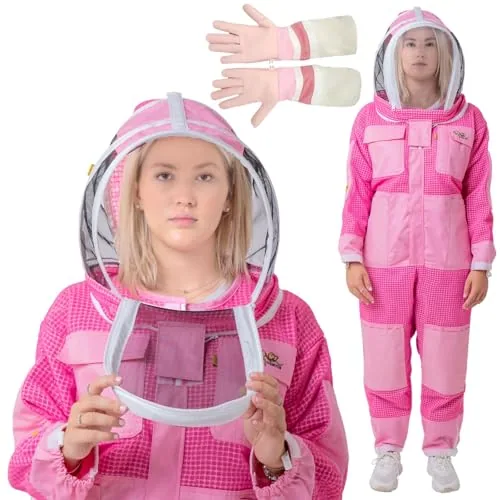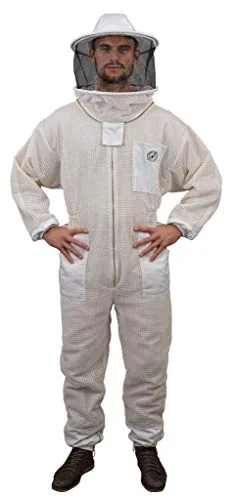
Andes
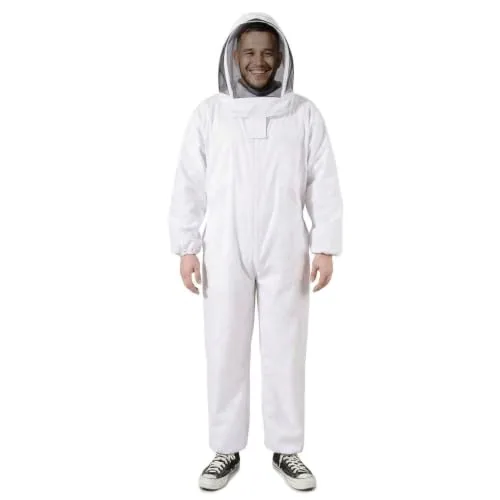
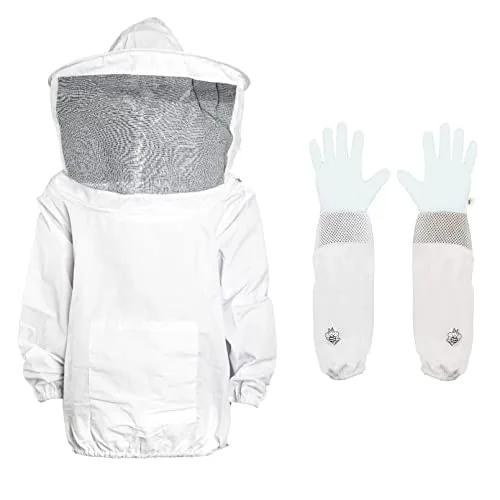
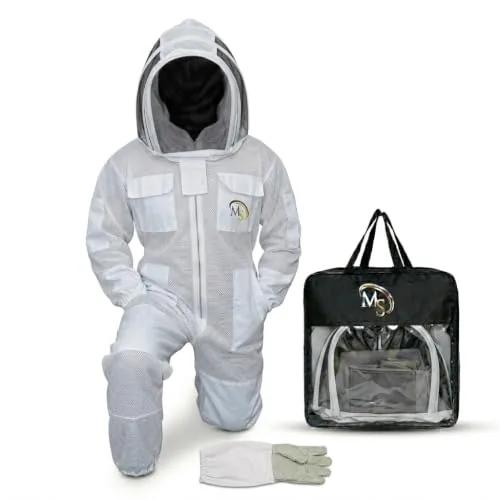
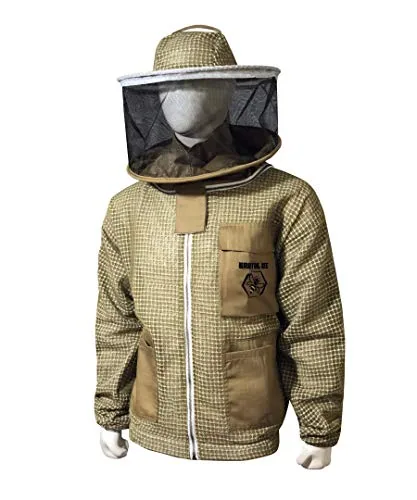
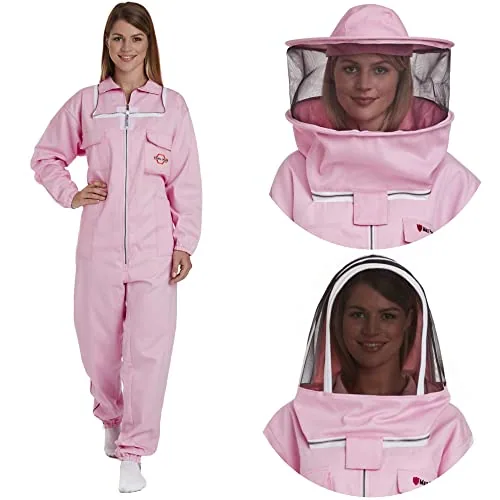
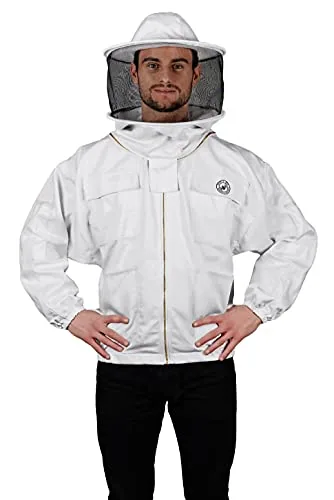
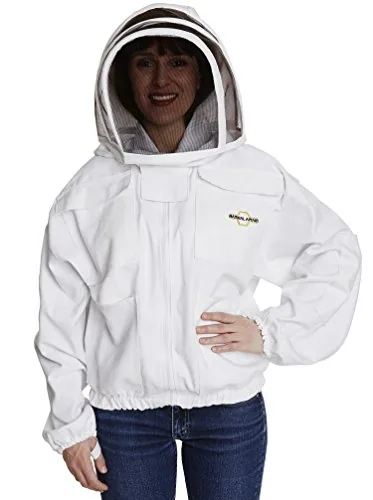
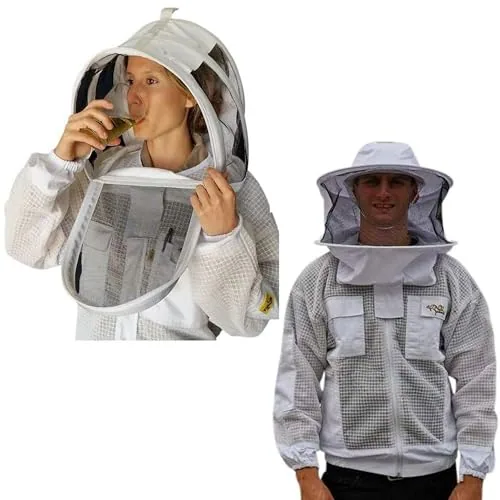
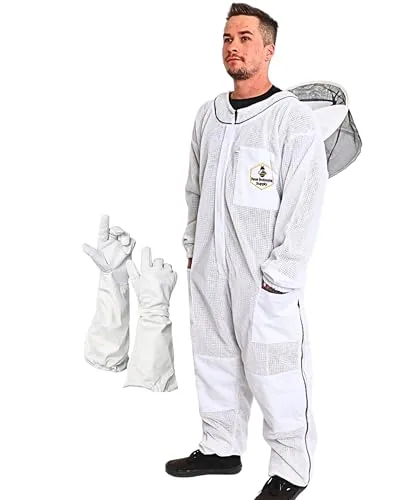
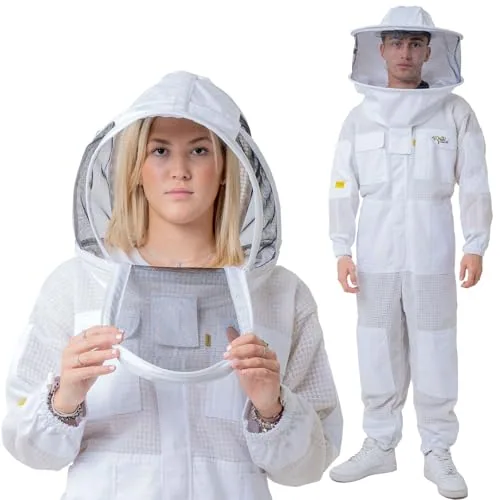
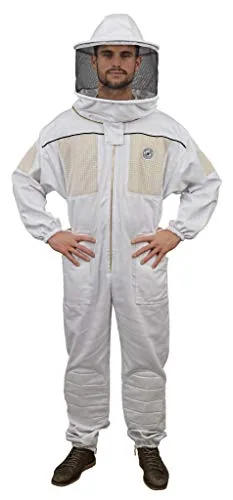
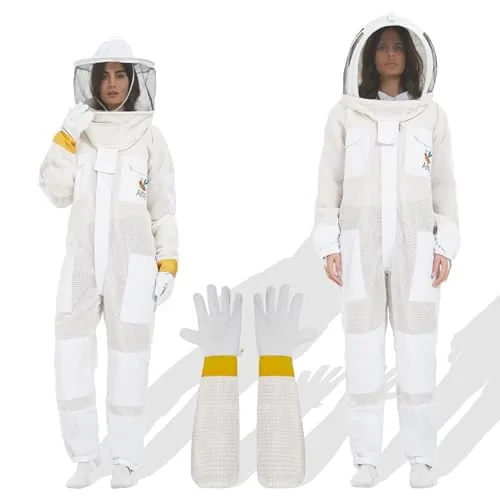
ANDES 3-Layer Ventilated Bee Suit, 2 Veils & Gloves, XL
- Fabric
- 3-layer poly-cotton mesh
- Veil
- Round and fencing (detachable)
- Sizes
- XL (listed variant)
Best for Hot-weather inspections
Best for Hot-weather inspections
Best for Warm-weather hive work
Best for Quick hive checks
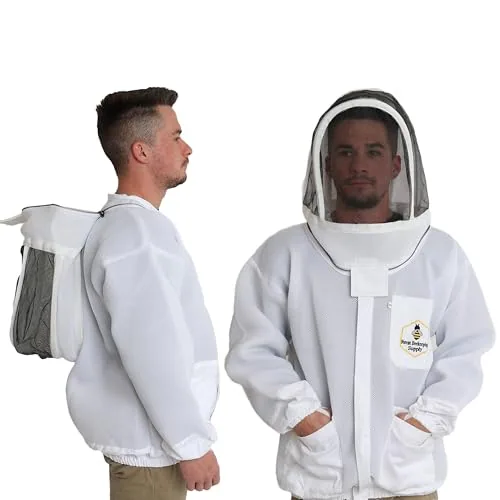
Best for Larger beekeepers wanting a jacket
Best for Hot climates
Best for Budget first suit
Best for Everyday hive gloves
Best for Quick checks on calm colonies
Best for Everyday inspections
Best for Durable everyday gloves
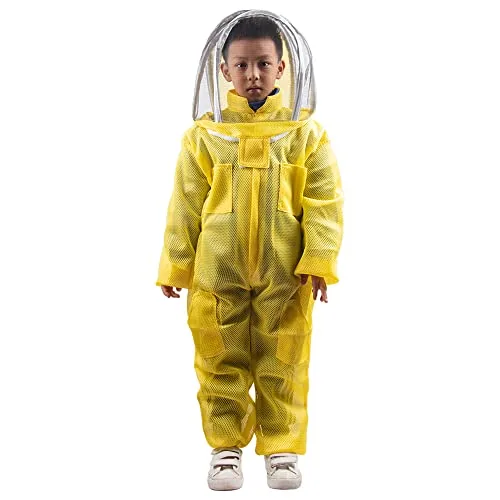
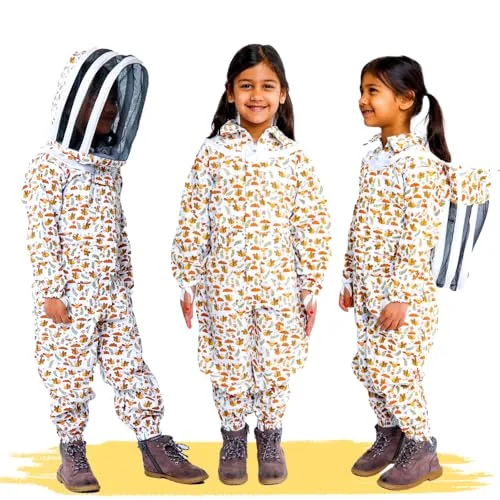
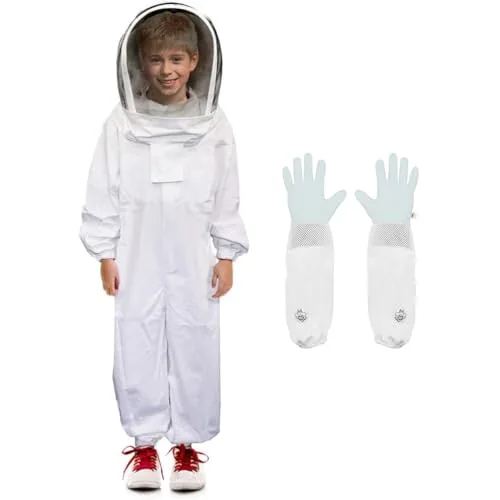
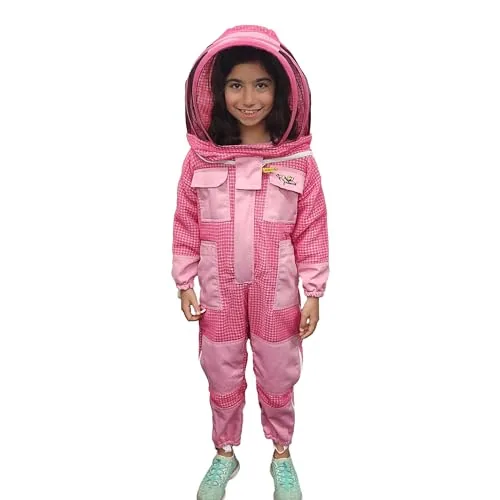
Best for Children 120-150 cm tall
Best for Younger children
Best for Wearing with a drape veil
Best for Summer inspections
Best for A durable all-round suit
Best for Ventilated suit in khaki
Best for Long hive sessions
Best for Budget ventilated suit
Best for Hot-weather full suit
Best for Budget jacket for starters
Best for A first full suit
Best for Jacket wearers in the heat
Best for Basic glove protection
Best for Kids' first hive visits
Best for Starter gloves and tool
Best for Gloves for warm days
Best for Kids 4'7"-4'11"
Best for Defensive colonies in cooler weather
Best for Gloves with forearm coverage
Best for Young helpers at the hive
Best for Children joining hive checks
Best for A jacket instead of a full suit
Best for Veil-only quick checks
Best for Kids helping with inspections
Best for Hot weather with good coverage
Best for A first full suit
Best for Hot-weather jacket
Best for Jacket wearers in mild weather
Best for Smaller hands
Best for Jacket for routine checks
Best for Jacket wearers in summer
Best for Long inspections in summer
Best for Hot-weather jacket
Best for Warm-weather jacket on a budget
Best for Short checks on calm hives
Best for Tough gloves for warm days
Best for Mild-weather full coverage
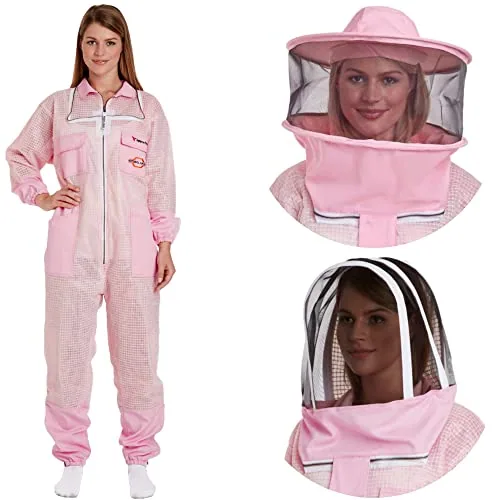
Best for Women wanting a ventilated suit
Best for Very hot climates
Best for Ventilated suit with two veils
Best for Glasses wearers wanting room
Best for Larger beekeepers wanting a jacket
Best for Tall or larger beekeepers
Best for Kids who help at the hive
Best for All-round ventilated suit
No product matches every filter. Clear one to see more.
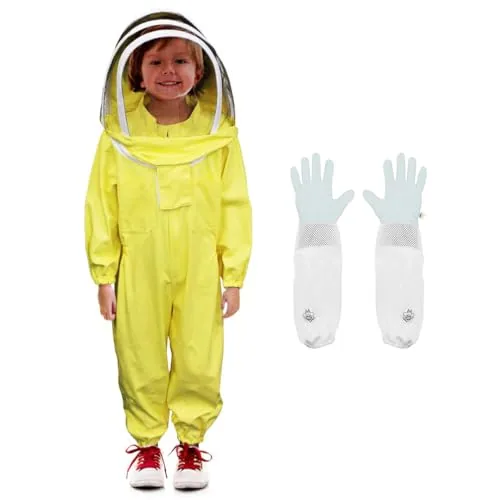
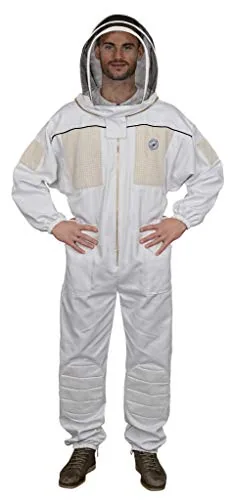
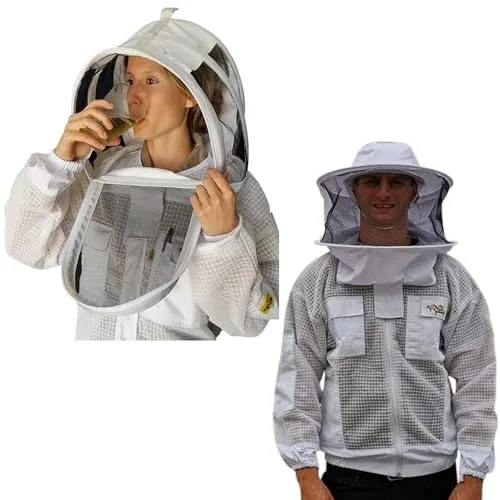
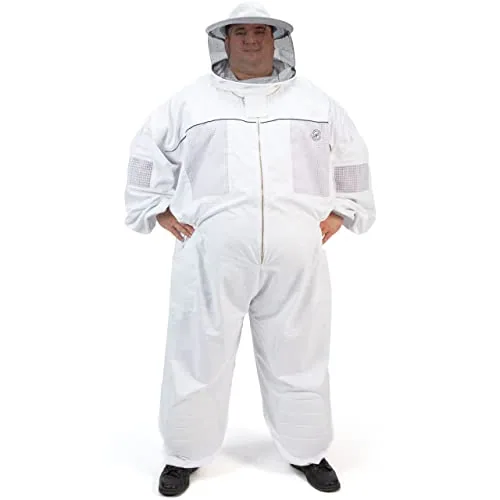
A beekeeping suit is the gear that lets you work calmly, and calm hands make for gentler inspections. This category covers full suits, ventilated 3-layer suits, jackets, smocks, standalone veils and hats, gloves and kids' suits from Humble Bee, OZ ARMOUR, Natural Apiary, Forest Beekeeping Supply, Flexzion, Luwint and others.
No suit stops every sting. Fit, a closed veil, smoke and slow movements do most of the work; our bee sting safety guide covers the routine.
What the spec lines on suit listings mean
| Spec | What you will see | Why it matters |
|---|---|---|
| Fabric | 100% cotton, 50/50 polycotton, 280 gsm polycotton (Humble Bee 410/430) | Heavier woven fabric resists stings; it is also warmer |
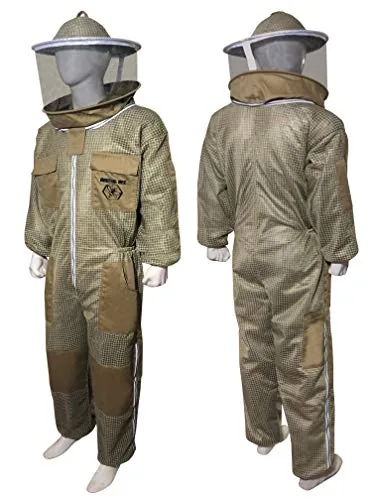
| Ventilation | 3-layer mesh (OZ ARMOUR, Natural Apiary Zephyros), 220 gsm vent panels (Humble Bee 430) | Mesh layers keep the stinger away from skin while air moves through |
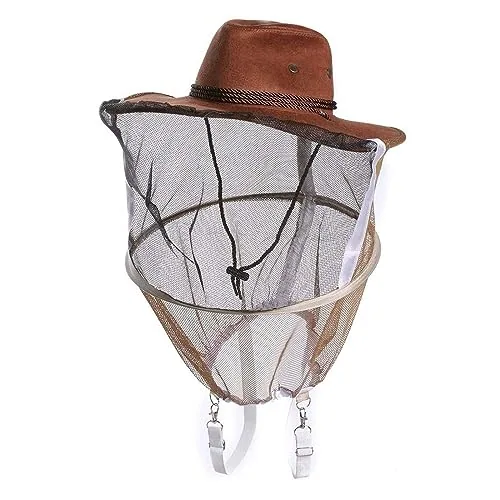
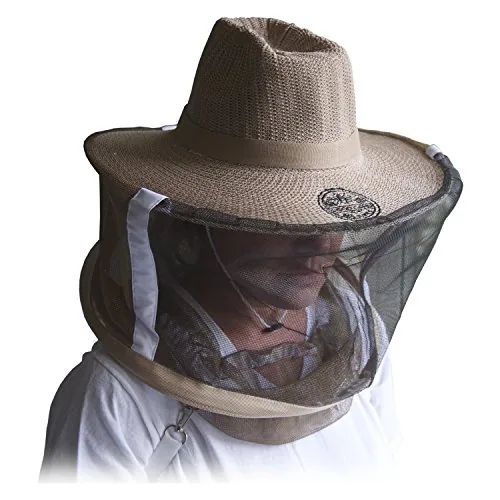
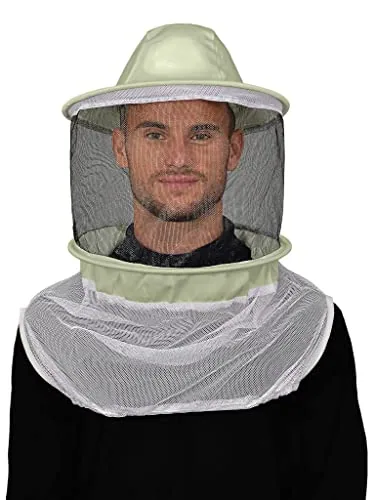
| Veil type | Round (self-supporting), fencing, or both included | Round gives wide view; fencing sits closer and folds back easily |
| Closures | Brass or YKK zippers, thumb and foot loops, elastic cuffs | Gaps at wrists and ankles are where bees get in |
| Sizes | Listed per variant, e.g. 3XL fits 6'4"-6'6" (Humble Bee) | Buy for height and room over clothes |
Source: Hive & Frame catalogue (maker listings)
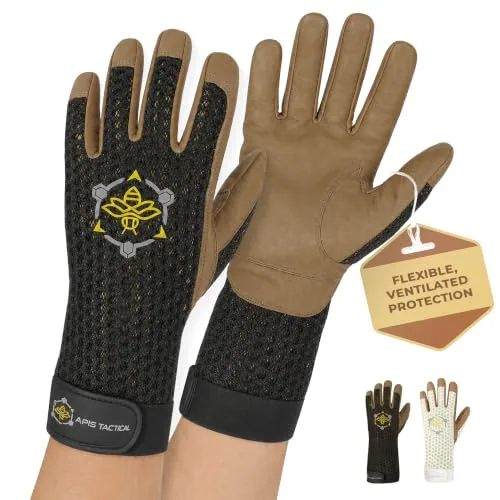
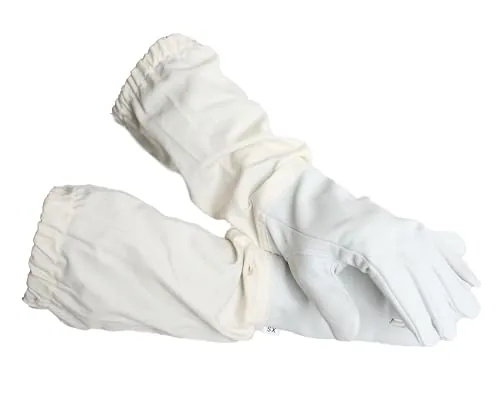
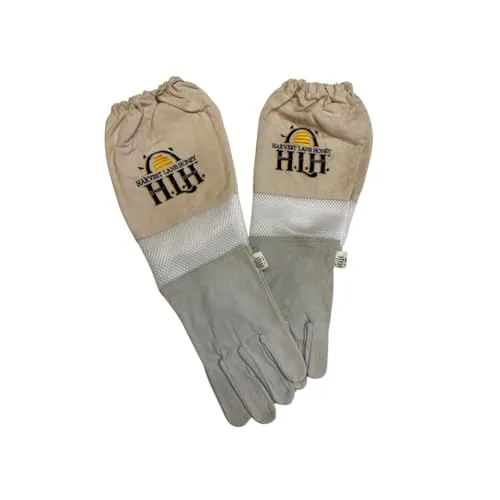
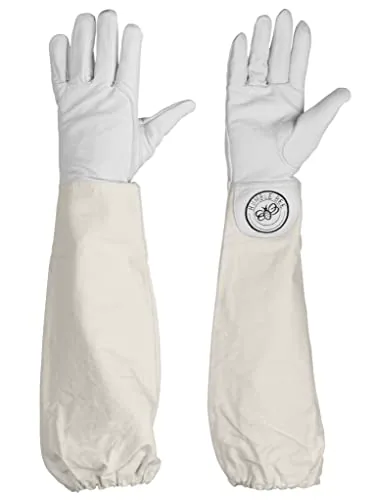
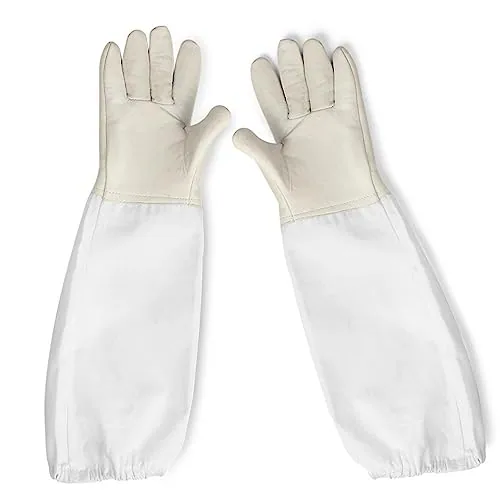
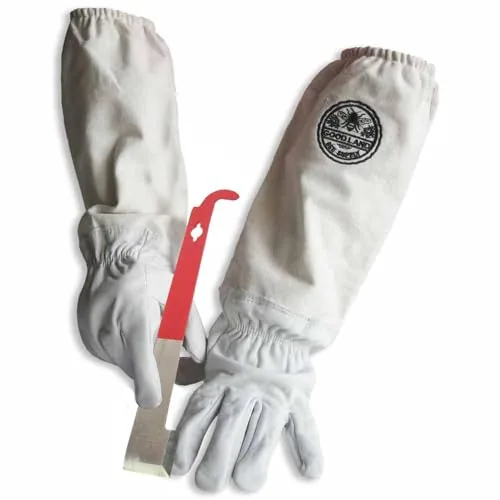
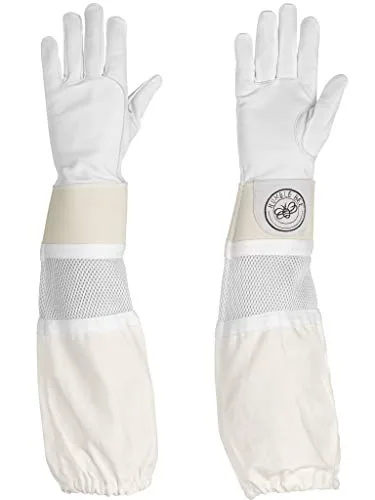
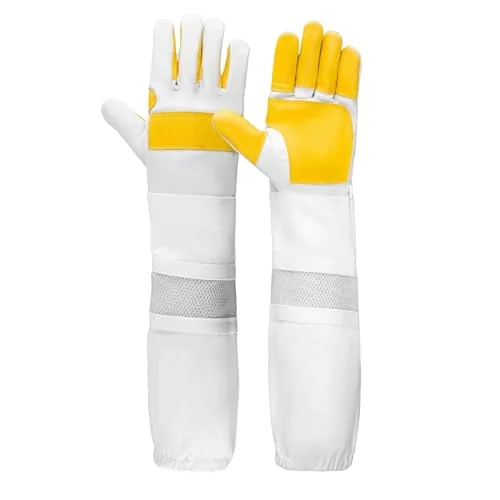
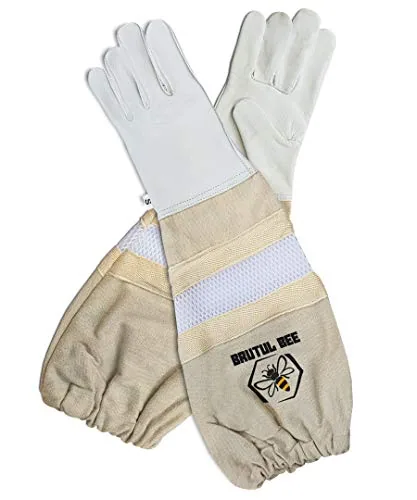
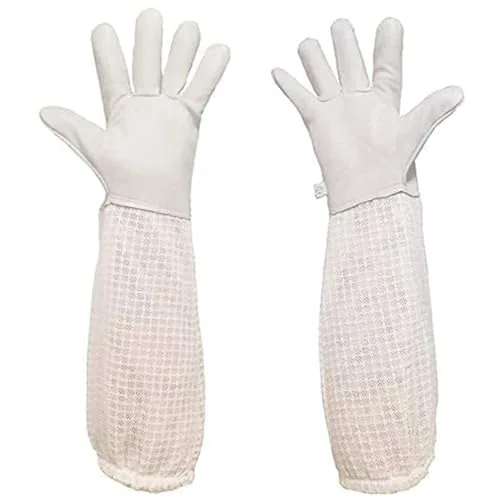
Gloves split the same way: goatskin is thinner and more nimble, cowhide is tougher, and sheepskin sits in between. Most come with canvas or mesh sleeves that tuck under the suit cuff.
Brand detail: the Oz Armour suit review, the Natural Apiary suit review and Humble Bee vs Natural Apiary.
Starting from zero? The first-hive shopping list adds one suit per person, and your first hive lists the rest of year-one gear.
 Best of
Best beekeeping starter kit picks compared by what is actually in the box: hive, frames, smoker, tools and gear from 6…
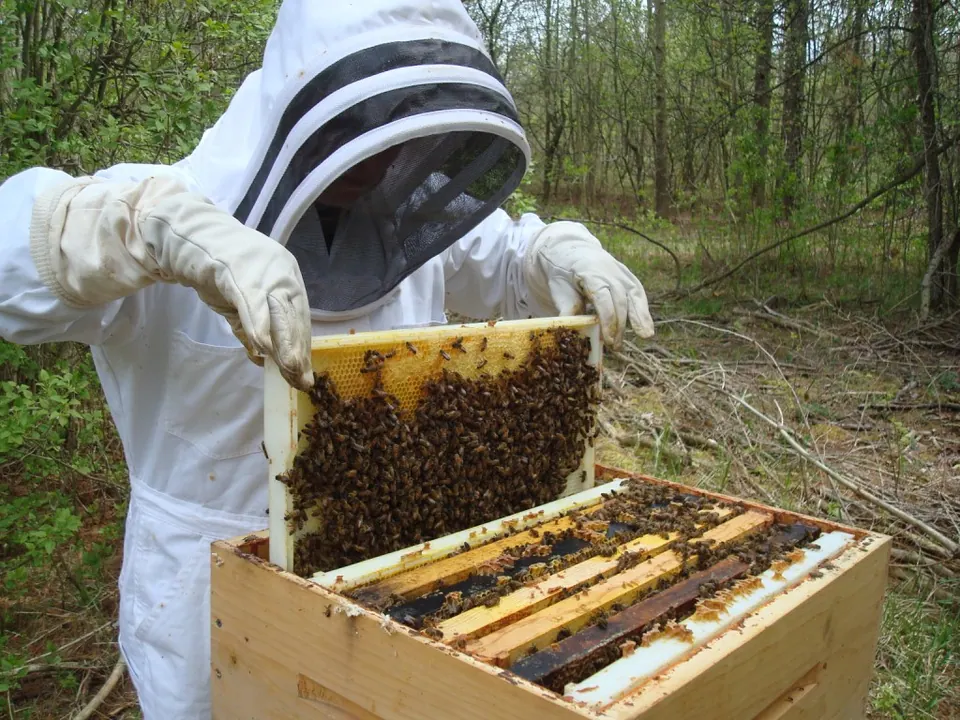 Best of
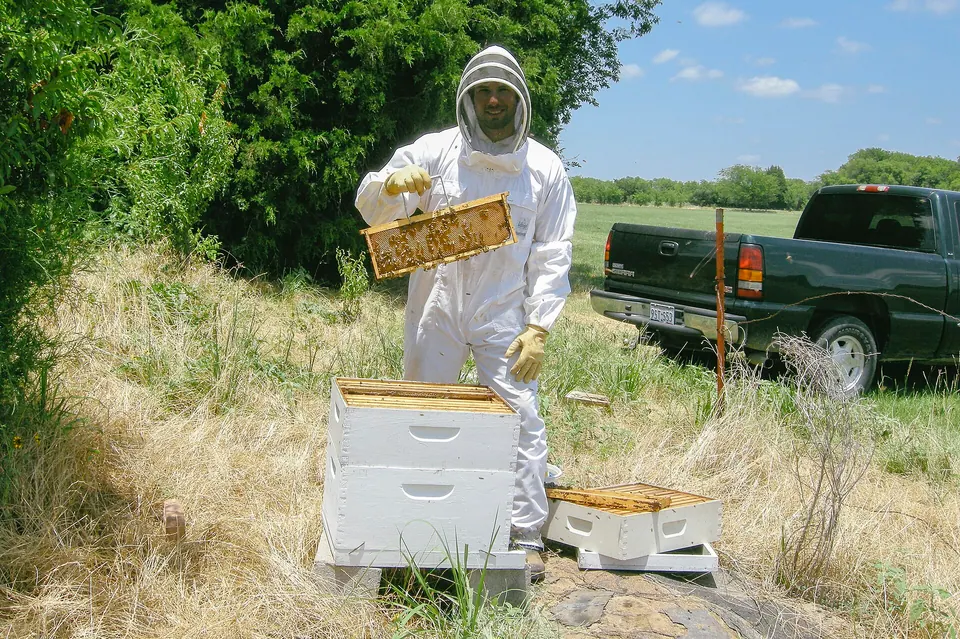
The best beekeeping suit for your climate and colonies: fabric weight, ventilation layers, round vs fencing veils and…
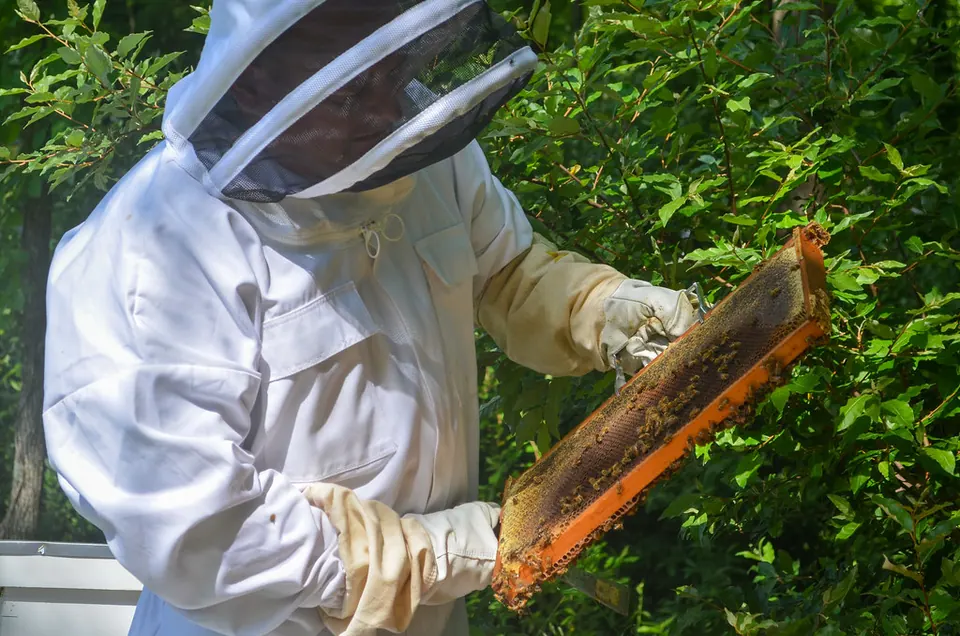 Best of
The best ventilated bee suit for hot summers: 3-layer mesh vs vent panels, round vs fencing veils, fit and closures,…
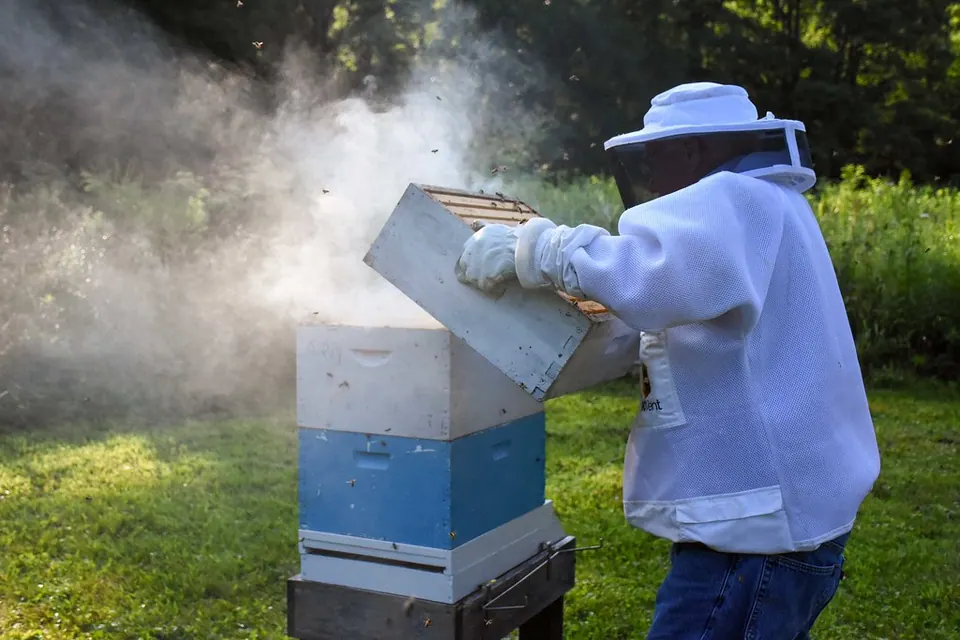 Best of
The best beekeeping jacket for quick checks and hot days: ventilated mesh vs polycotton, round vs fencing veils and…
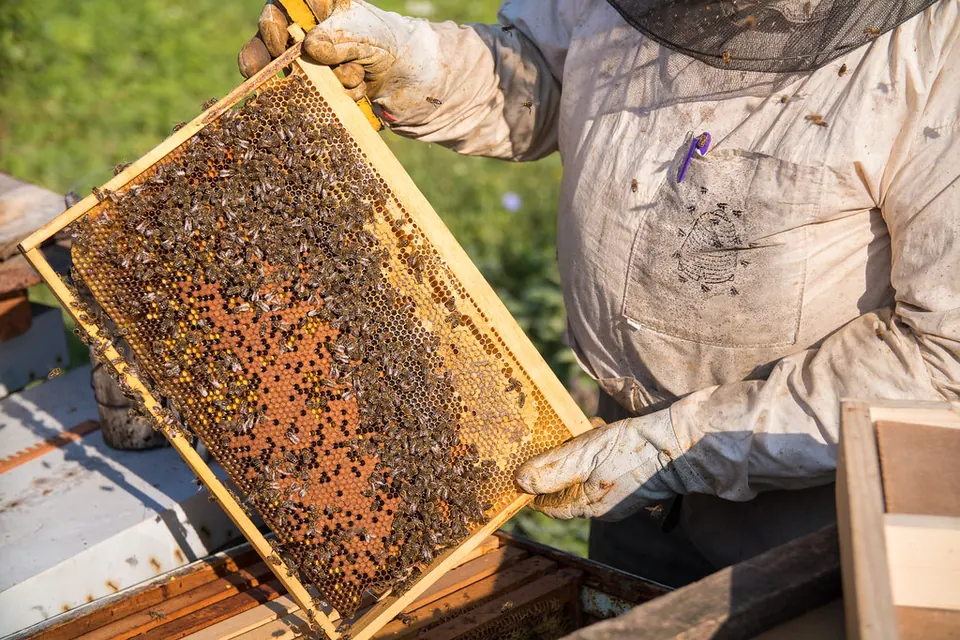 Best of
The best beekeeping gloves for your hands and climate: goatskin vs cowhide, canvas vs mesh sleeves, sizing and…
 Best of
The best kids beekeeping suit for young helpers: full suits vs pullover jackets, veils, gloves and height charts, plus…