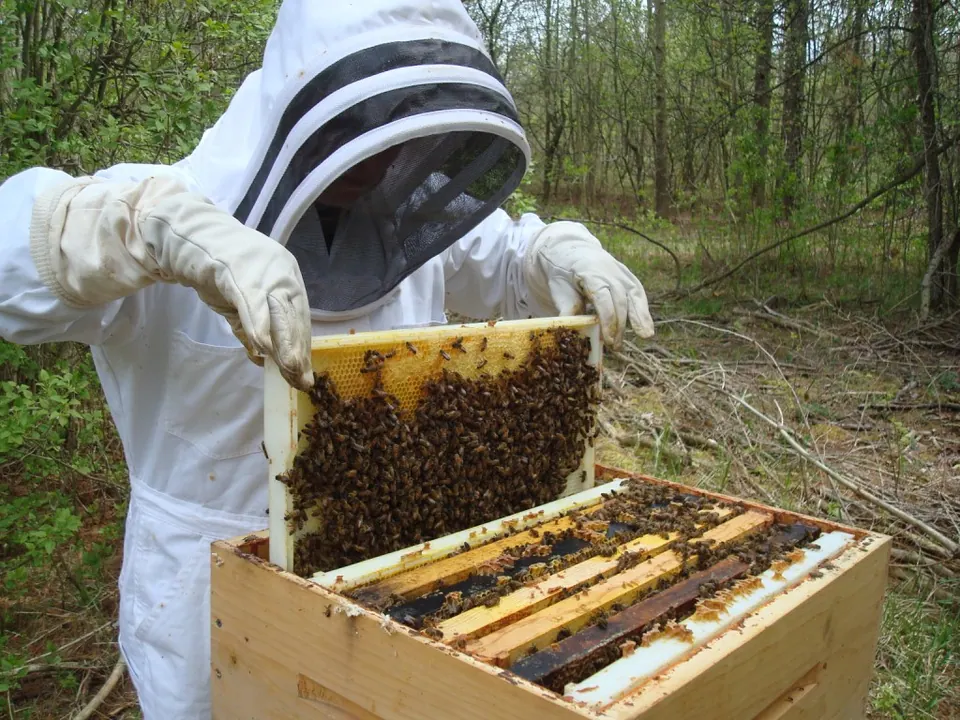
- Seek emergency care (call 911) for signs of anaphylaxis, a severe and potentially life-threatening allergic reaction (CDC/NIOSH). If you have had a serious reaction before, talk to a doctor or allergist before you work bees.
- A veil is non-negotiable; a full suit or jacket, gloves and sealed cuffs and ankles stop most stings.
- Light smoke, slow movements, good weather and short inspections calm colonies more than any fabric.
- After a sting: move away, scrape the stinger out, wash with soap and water, apply ice, and have someone stay with you.
Bee sting safety is mostly about habits: how you dress, when you open the hive, how you use the smoker and how you move. Good gear matters too, and modern ventilated suits make it easier to wear full protection in summer heat.
This guide covers practical safety for beekeepers and visitors. It is not medical advice. The only medical instructions here come from the CDC's National Institute for Occupational Safety and Health (NIOSH): get emergency care for anaphylaxis, and follow its basic first-aid steps for ordinary stings. Ask a doctor or allergist about anything else, including allergy testing.
The emergency rule: anaphylaxis
Never work bees alone if you are new, have any history of strong reactions, or are working a defensive colony far from help. Keep a charged phone in a pocket, not in the truck.
What should you wear for bee sting safety?
Protection works in layers, from the face outward. Bees target the face, dark openings and places where fabric is tight against skin.
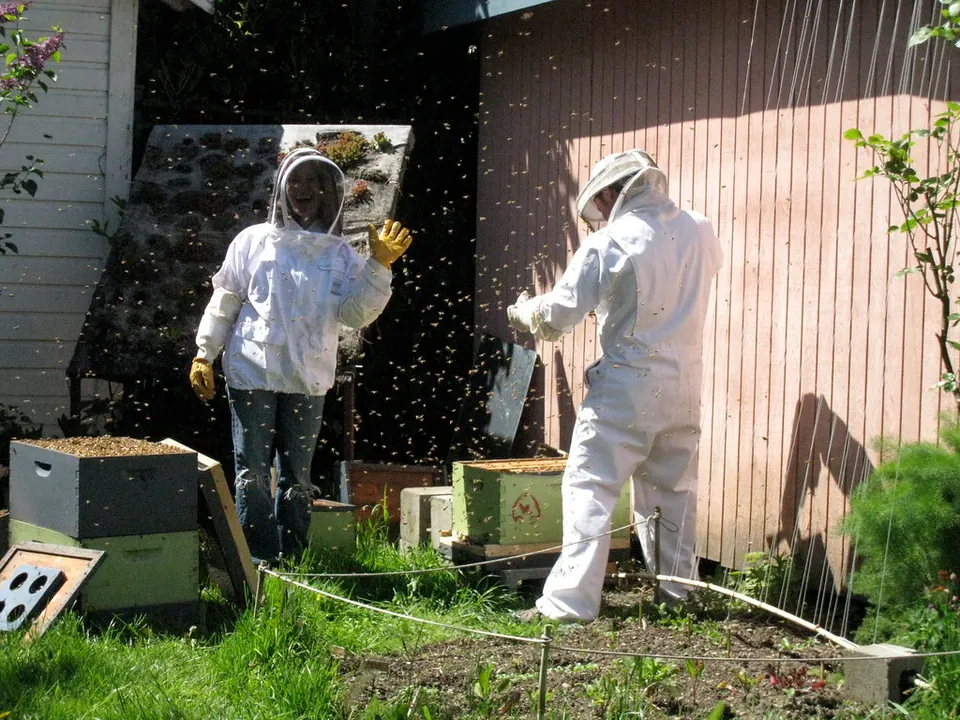
Protective gear options
| Option | Covers | Good for | Trade-off |
|---|---|---|---|
| Veil only (hat and mesh) | Face and neck | ✓ Calm colonies, quick checks, experienced keepers | ✗ Arms, body and legs exposed |
| Jacket with veil | Face, torso, arms | ✓ Most backyard inspections | ~ Legs and ankles need tucked pants and boots |
| Full suit with veil | Everything except hands and feet | ✓ Beginners, big colonies, harvest day | ~ Hot without ventilation |
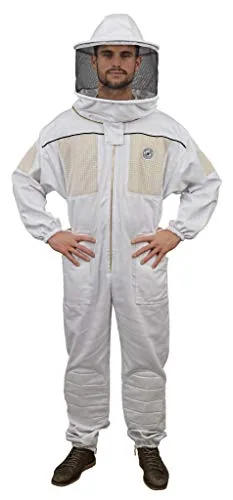
| Ventilated (mesh) suit | Everything; open-weave layers keep stingers away from skin | ✓ Hot climates, long sessions | ~ Higher cost; check fit carefully |
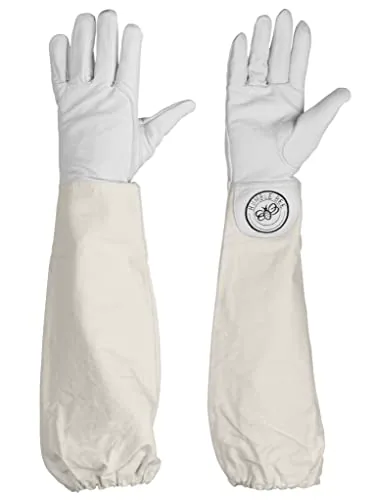
| Gloves (goatskin, cowhide) | Hands and forearms | ✓ Beginners, defensive colonies | ~ Less dexterity; thinner gloves feel more |
| Product | Fabric | Veil | Closure | Includes |
|---|---|---|---|---|
| Humble Bee 410 Polycotton Suit with Round Veil | 280 gsm 50/50 polycotton | Self-supporting round (removable) | Brass zippers, thumb and foot holds | — |
| Humble Bee 430 Ventilated Suit with Round Veil | 280 gsm polycotton + 220 gsm vent panels | Self-supporting round (removable) | Brass zippers, kneepads | — |
| OZ ARMOUR 3-Layer Ventilated Suit, Fencing & Round, L | Air mesh (listing says 3-layer and double-layer) | Fencing and round (detachable) | Leg-high zips, Velcro, elastic | — |
| Natural Apiary Zephyros 3-Layer Vented Suit, 2 Veils | 3 layers, 5 mm gap | Round and fencing (non-flammable) | Metal YKK zippers | — |
| ANDES 3-Layer Ventilated Bee Suit, 2 Veils & Gloves, XL | 3-layer poly-cotton mesh | Round and fencing (detachable) | — | Goatskin gloves |
| Humble Bee 210 Polycotton Veil with Round Hat | 260 gsm 50/50 polycotton | Round hat with oversized mesh | Elastic shoulder straps | — |
Specs as listed by the maker or seller; check the listing before you buy.
Listed fabric weight of polycotton and vented gear
Grams per square meter as listed by the maker; mesh suits list layers instead
Fit matters more than brand. A suit that is too tight pulls fabric against your back and knees when you bend, and that is where stings get through. Size charts differ by brand, so check the chart and the listing notes before you order.
How to avoid bee stings when you open a hive
- Pick the right time
Work on a warm, calm, sunny day when many foragers are out. Avoid cold, windy or stormy weather and late evening, when colonies tend to be more defensive.
- Check your gear before you walk out
Zip the veil fully, close cuffs and ankles, tuck pants into boots or socks, and check for holes in the mesh.
- Light the smoker well
Get a cool, steady white smoke before you leave the house. Puff a little at the entrance, wait a minute, then a little under the lid.
- Stand to the side
Work from the side or back of the hive, not in front of the entrance flight path.
- Move slowly and smoothly
Lift frames straight up, avoid bumping boxes and do not crush bees. Set frames down gently.
- Keep it short
Know what you are checking before you open the box. Close up if the colony gets loud or starts bumping your veil.
- Walk away, do not swat
If bees follow you, walk calmly away through shrubs or into a building. Swatting releases more alarm odor and draws more bees.
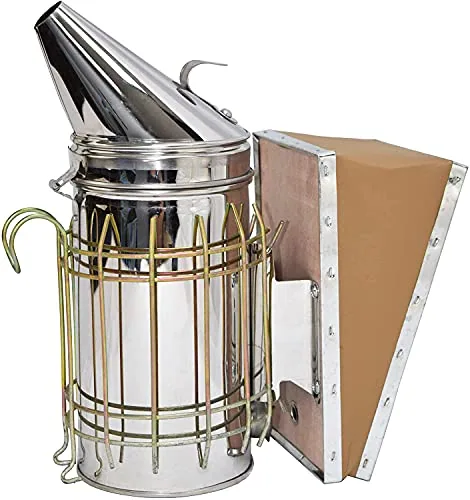
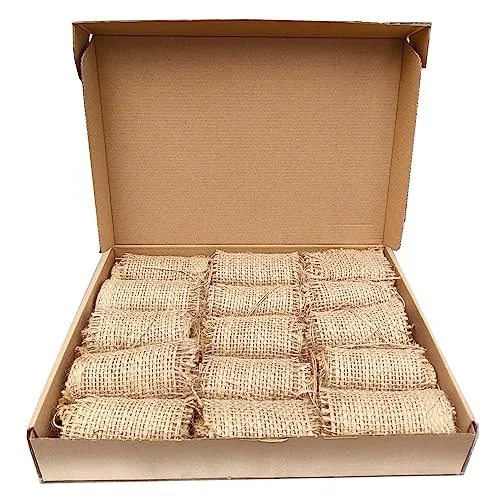
Smoke helps because it masks the alarm odor bees release when they sting and encourages them to stay on the comb. Too much smoke stresses the colony, so use a few gentle puffs and top up only as needed. Compare smokers in our best bee smoker list.
What to do after a bee sting
NIOSH's first-aid steps for bee, wasp and hornet stings are short and practical:
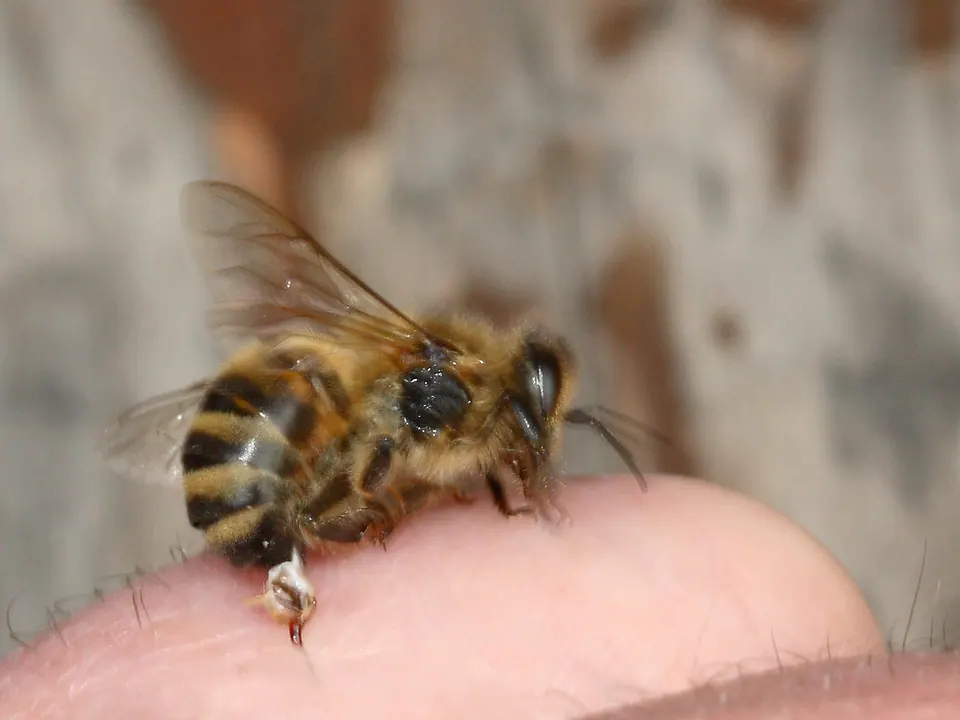
- Have someone stay with the person to see if they have an allergic reaction.
- Wash the site with soap and water.
- Remove the stinger by wiping gauze or scraping a fingernail over the area. Never squeeze the stinger or use tweezers.
- Apply ice to reduce swelling.
- Do not scratch the sting.
And the rule that overrides everything: seek emergency care for signs of anaphylaxis. Before you go back to the hive, smoke the spot where you were stung, or step away for a minute, so the alarm odor does not draw more bees to the same place.
Keeping visitors, neighbors and kids safe
- Give every visitor a veil, even if they only stand at a distance.
- Ask visitors about past sting reactions before they come near the hive, and keep anyone with a known serious allergy well away.
- Children need a properly fitting kids' suit or jacket and close supervision; adult suits leave gaps.
- Face hive entrances away from paths, play areas and neighbors' doors; a fence or hedge in front makes bees fly up and over.
- Provide water near the hive so bees do not crowd a neighbor's pool.
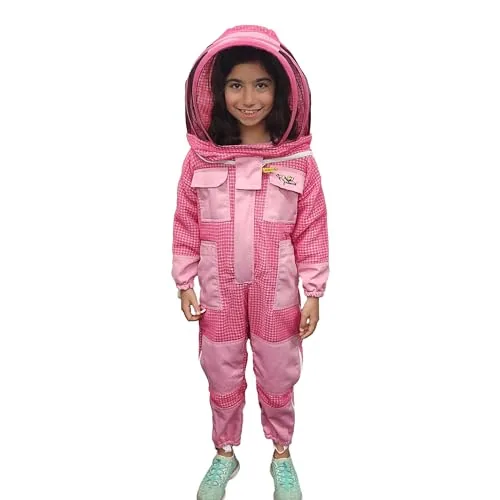
OZ ARMOUR Kids 3-Layer Bee Suit, Pink, with Gloves
- Fabric
- 3-layer mesh
- Veil
- Ventilated fencing
- Sizes
- Kids
Best for Kids who help at the hive
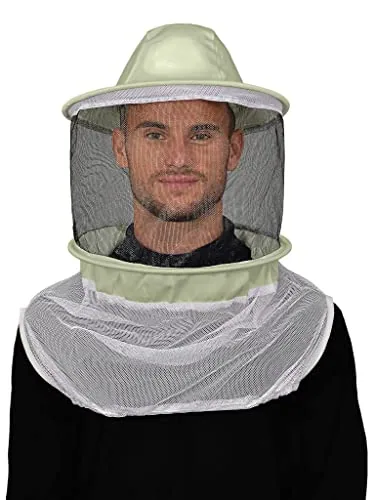
Humble Bee 210 Polycotton Veil with Round Hat
- Fabric
- 260 gsm 50/50 polycotton
- Veil
- Round hat with oversized mesh
- Sizes
- Universal fit
Best for Veil-only quick checks
Our kids and family hub lists smaller suits and gloves, and the best kids beekeeping suit list compares them.
Mistakes to avoid
- Working bees with the veil unzipped "just for a minute".
- Wearing a suit that is too tight across the back and knees.
- Opening a hive in cold, wet or stormy weather.
- Over-smoking, or forgetting the smoker and hoping the colony stays calm.
- Standing in front of the entrance.
- Leaving stingers in gloves and suits; wash gear regularly so old alarm odor does not mark you.
- Working alone if you have any history of serious reactions.
Which protective setup is right for you?
- Brand-new beekeepers: a full suit with a round or fencing veil plus goatskin gloves; a polycotton suit like the Humble Bee 410 or a ventilated suit if summers are hot. Compare in best beekeeping suit.
- Hot climates: a three-layer ventilated suit such as the Humble Bee 430, ANDES or Natural Apiary Zephyros; see best ventilated bee suit.
- Calm colonies, quick checks: a jacket or a veil with long sleeves; read bee suit vs jacket.
- Anyone who wants more feel: thinner goatskin gloves once you are comfortable, or cowhide when you need more protection.
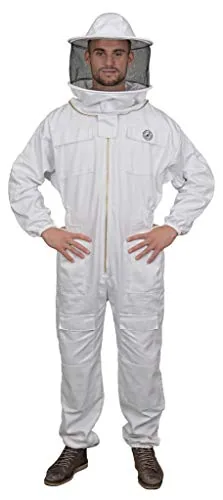
Humble Bee 410 Polycotton Suit with Round Veil
- Fabric
- 280 gsm 50/50 polycotton
- Veil
- Self-supporting round (removable)
- Sizes
- XXL (fits 6'2"-6'3")
Best for Mild-weather full coverage
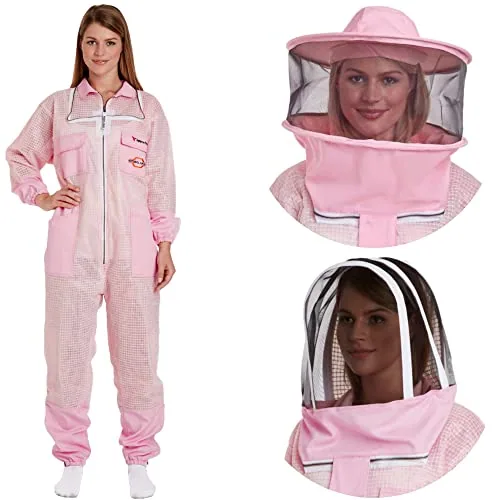
Natural Apiary Zephyros 3-Layer Vented Suit, 2 Veils
- Fabric
- 3 layers, 5 mm gap
- Veil
- Round and fencing (non-flammable)
- Sizes
- 2XS pink (listed variant)
Best for Hot weather with good coverage
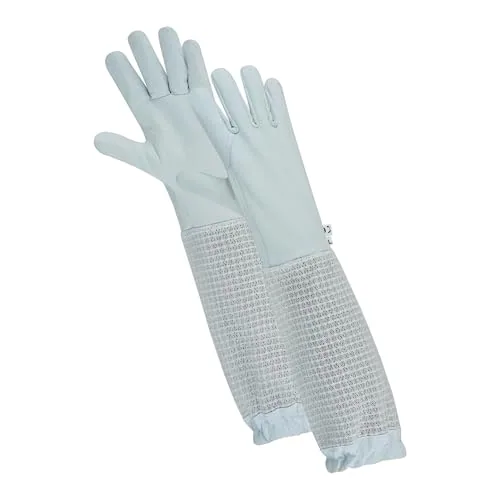
OZ ARMOUR Cowhide Leather Gloves, 3-Layer Mesh, M
- Sizes
- M (listed variant)
- Ventilation
- 3-layer mesh arms
- Material
- Cowhide leather
Best for Tough gloves for warm days
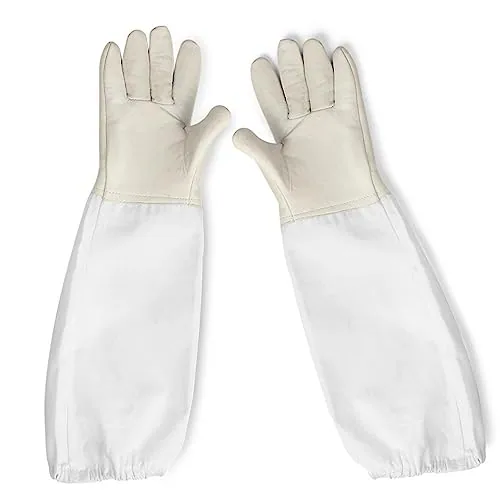
Flexzion Goatskin Beekeeping Gloves, Canvas Sleeves
- Sizes
- Fits most adults
- Ventilation
- Vent mesh at wrist
- Material
- Goatskin leather
Best for Basic glove protection
Browse all protective gear. For a calm inspection routine, read how to inspect a beehive.
For brand-level detail, read the Humble Bee 430 review, the Oz Armour suit review and Humble Bee vs Natural Apiary.
Wear a veil every time, add a suit or jacket and gloves that fit, work in good weather with a well-lit smoker and move slowly. If you are stung, scrape the stinger, wash and ice the spot, and have someone stay with you. Seek emergency care for signs of anaphylaxis, and talk to a doctor or allergist if you have ever had a serious reaction.
Medical and first-aid statements are limited to CDC/NIOSH guidance. Gear specs are copied from maker listings in our catalogue; fit notes come from maker size charts. We did not wear or test these suits. This is not medical advice.