BeeCastle
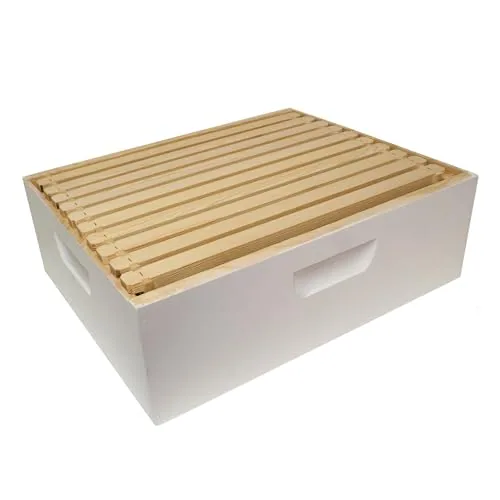
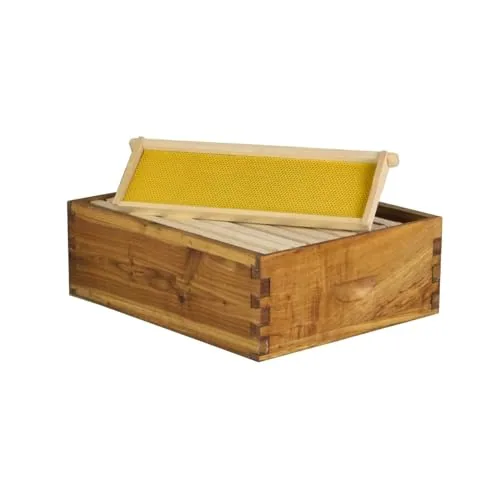
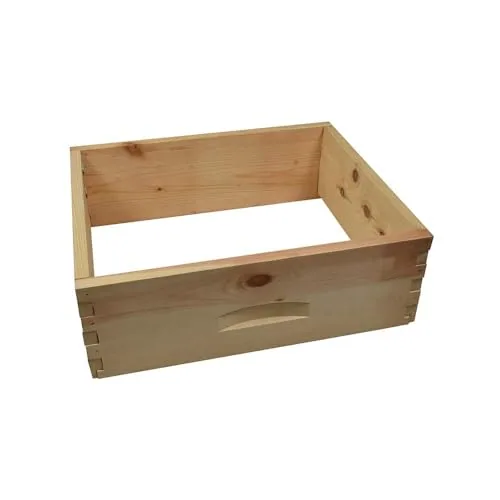
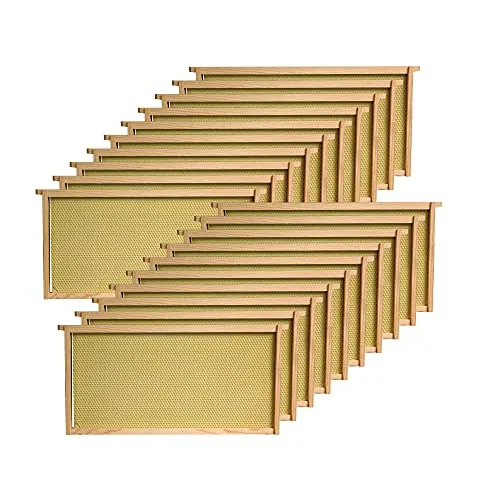
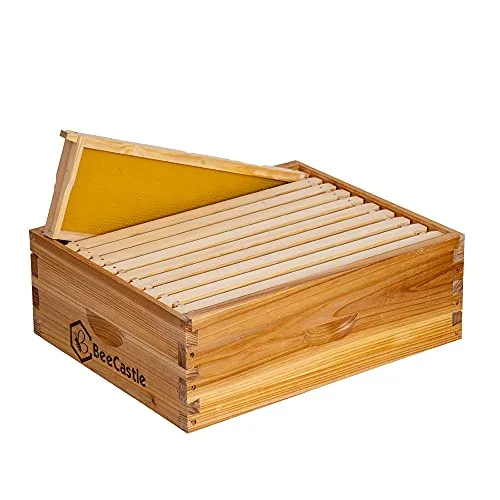
BeeCastle 10-Frame Medium Super, Beeswax-Dipped
- Frames
- 10 medium
- Boxes
- 1 medium super
- Material
- Cedar
Best for Adding honey space to a 10-frame hive
Selling honey from a backyard apiary takes three things beyond the bees: a clean way to extract and bottle, a label that meets the rules, and a realistic idea of how much you will have to sell. This page groups gear tagged for sideline sellers: larger extractors, heated uncapping knives, double sieves, refractometers, bucket heaters, jars by the case, labels and tamper seals, plus honey supers and commercial frame packs.
Best for Adding honey space to a 10-frame hive
Best for Adding a ready medium to a hive
Best for Adding a honey super
Best for Adding supers to an Apimaye hive
Best for Hive-to-harvest in one purchase
Best for Adding a honey super
Best for Stocking several deeps at once
Best for Larger apiaries refitting frames
Best for Equipping a first harvest in one order
Best for Clearing bees from supers before harvest
Best for Checking honey before bottling
Best for Testing moisture before bottling
Best for Hobbyists with a few hives
Best for Straining honey into a bucket
Best for Growing hobby apiaries
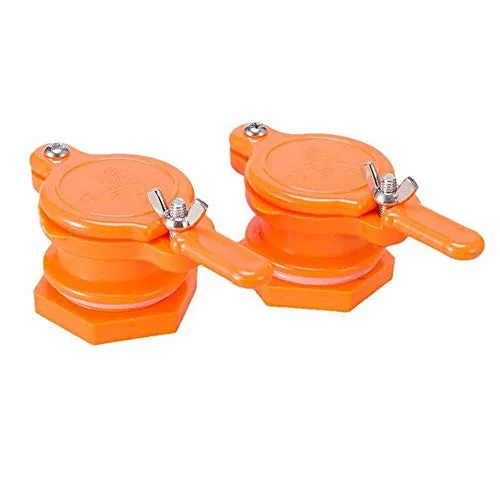
Best for Replacing an extractor gate
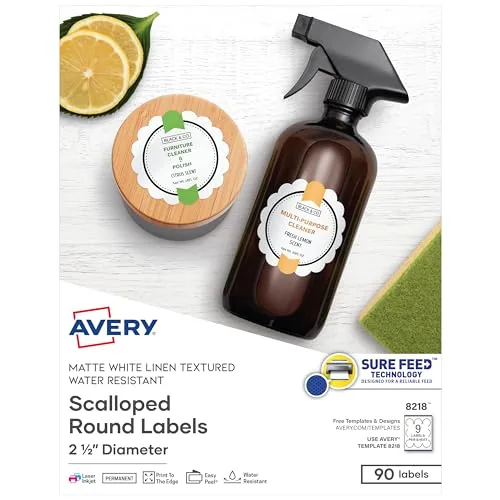
Best for Printing your own honey jar labels
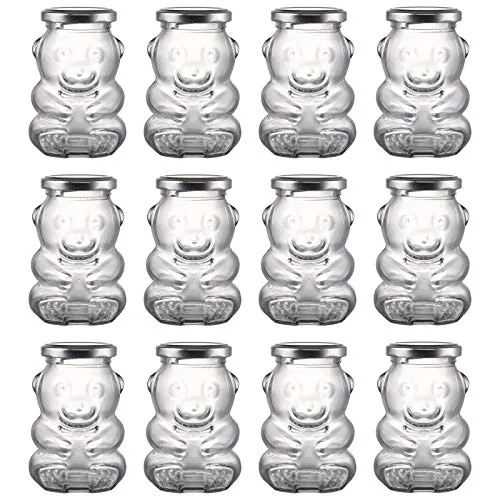
Best for Gift-style glass honey packaging
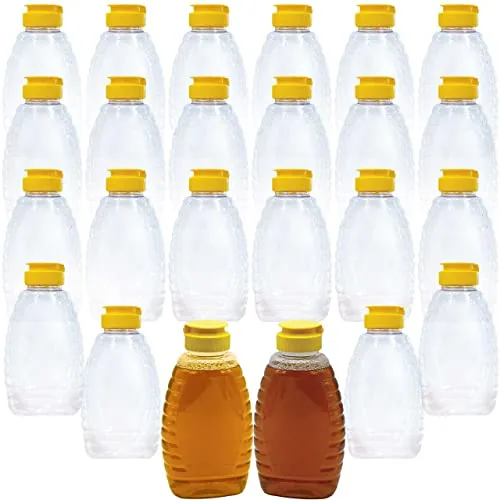
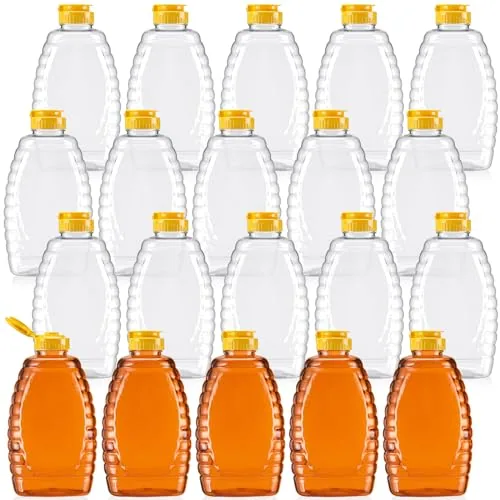
Best for Everyday squeeze bottles for honey
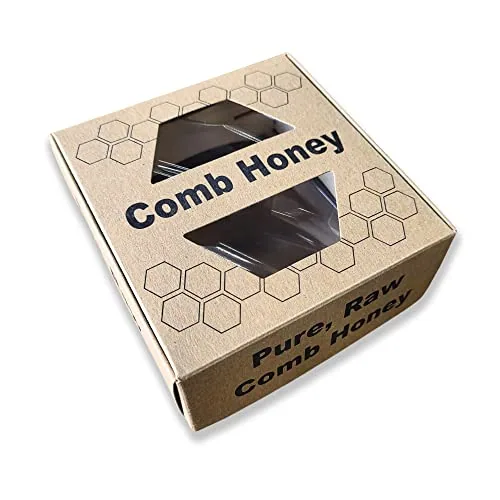
Best for Selling comb honey in cassettes
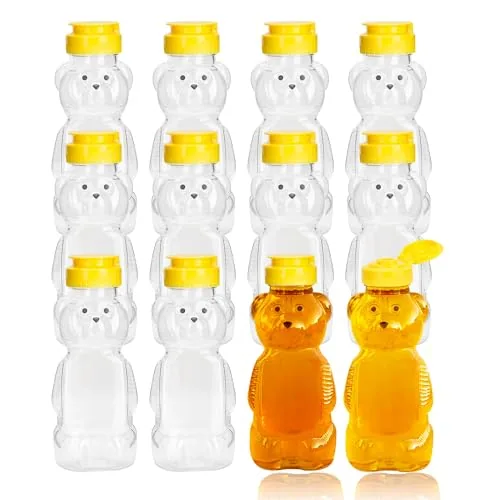
Best for Small-batch honey bear packing
Best for Larger honey containers
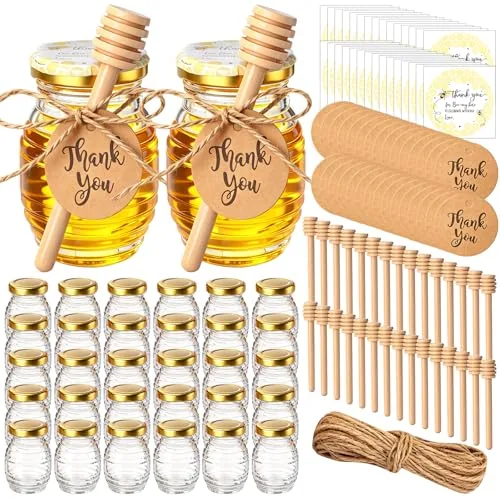
Best for Wedding and shower honey favors
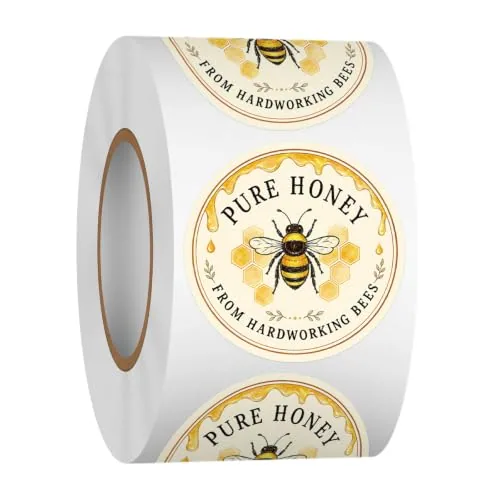
Best for Quick labels for market jars
Best for Selling candles in volume
Best for Larger candle runs
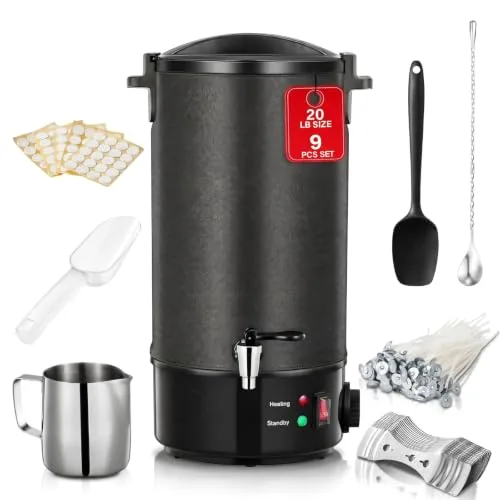
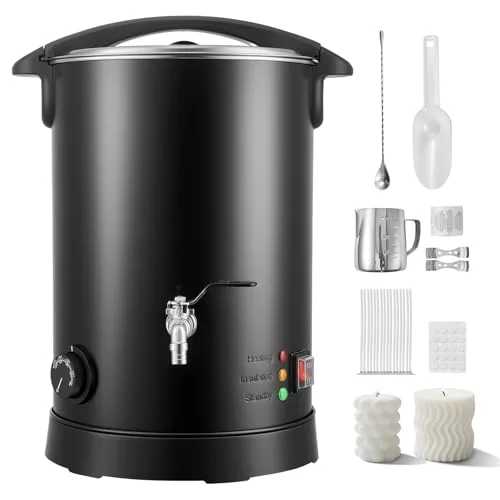
Best for Faster larger melts
Best for Mid-size candle batches
Best for Larger beeswax batches
Best for Volume candle production
Best for Small-scale honey producers
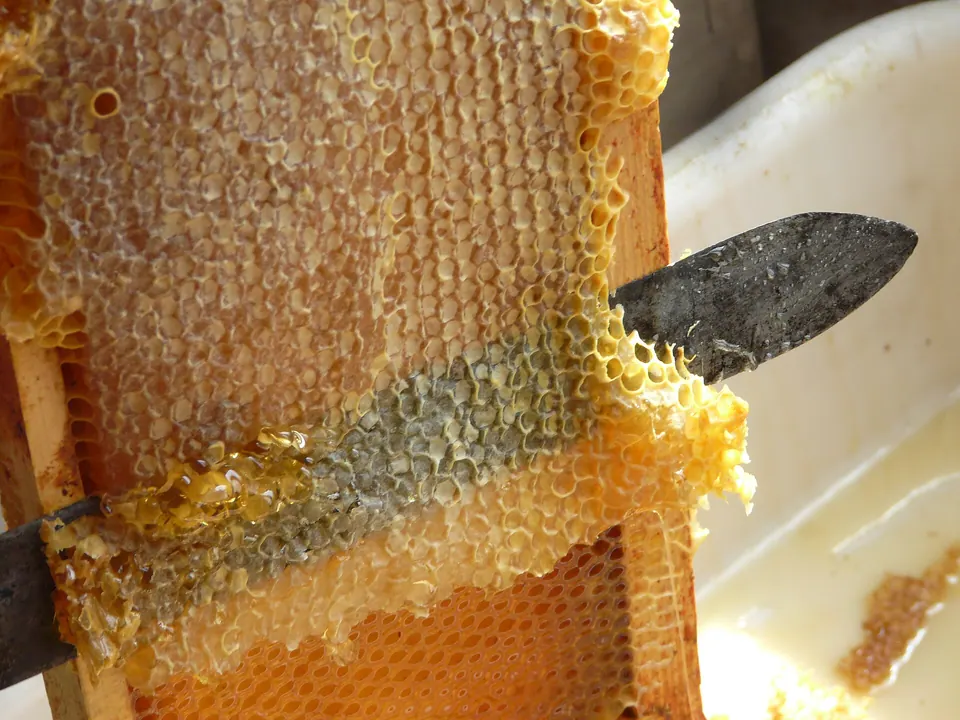
A heated knife (GLOGLOW 110V, Fdit) speeds up a large harvest; an uncapping tray with slats (Zonon) catches the cappings. See best uncapping knives.
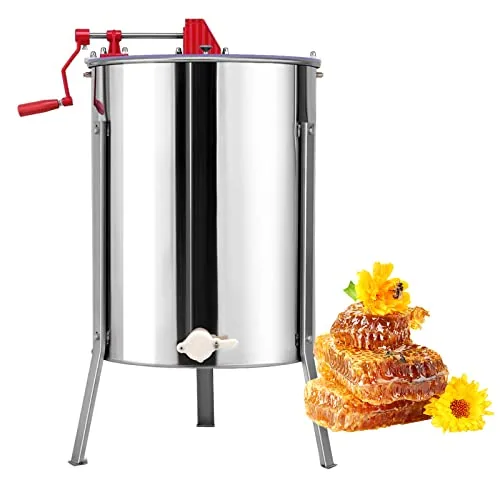
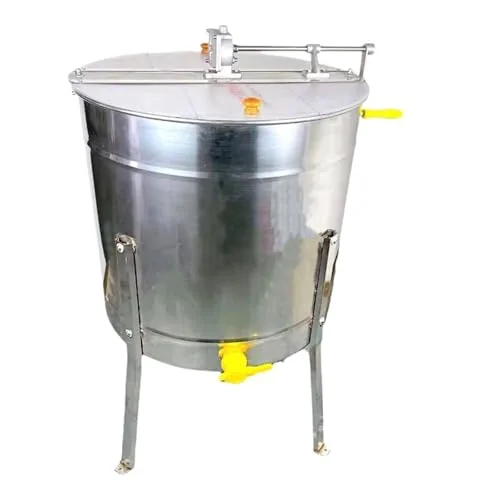
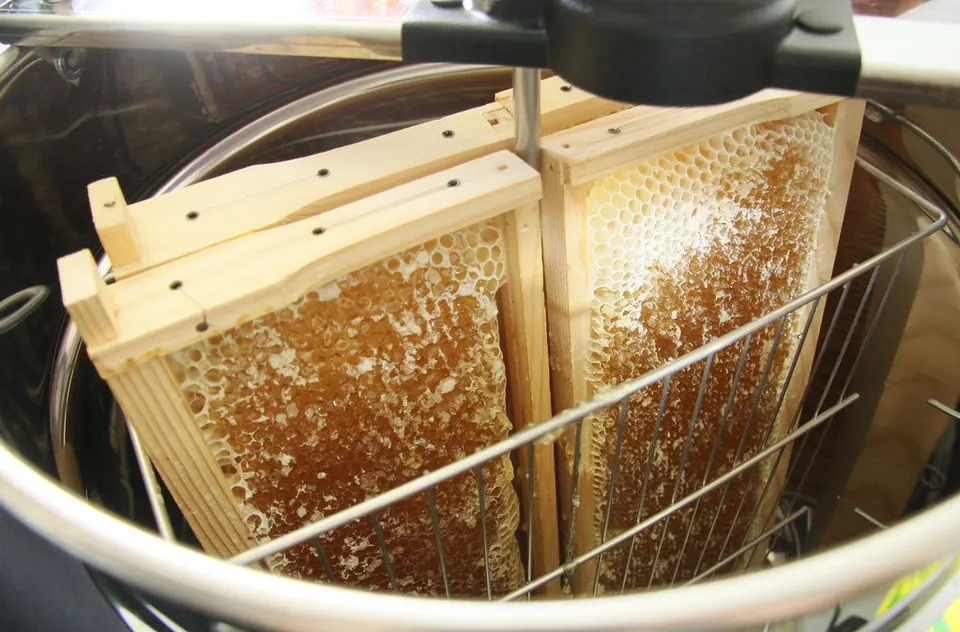
Four- to eight-frame electric extractors (VIVO BEE-V004E, VEVOR 4/8) save time once you run several supers. See best electric extractors and VEVOR vs Goodland.
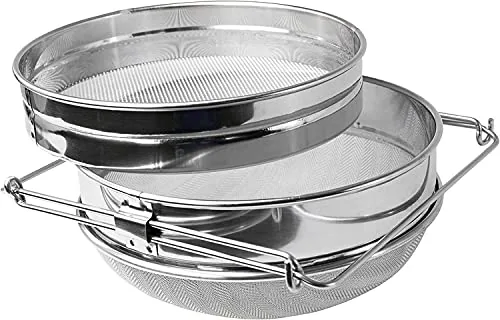
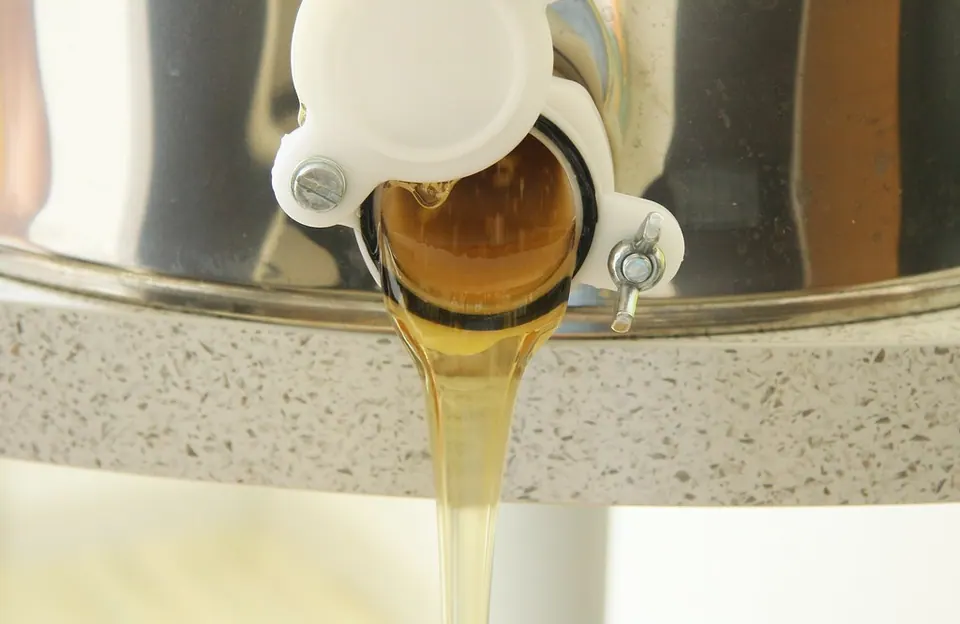
A double sieve over a 5-gallon bucket with a honey gate, then a day or two to let air rise. See honey strainers and bottling buckets.
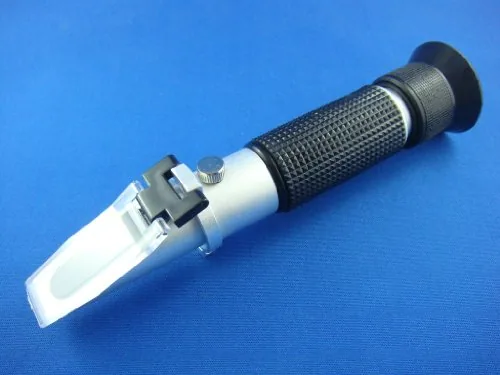
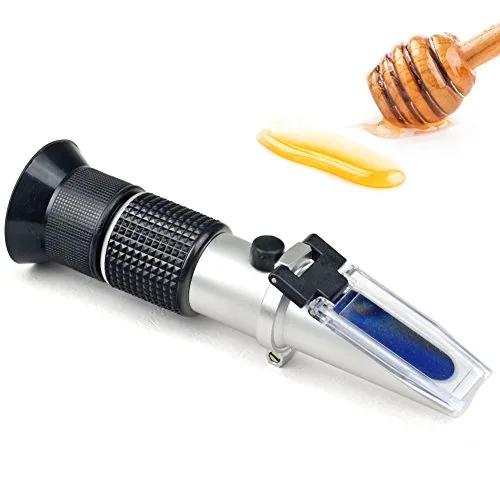
A refractometer (12–27% moisture scale on triple-scale models) confirms honey is dry enough to store without fermenting. See honey moisture.
Jars sized by honey weight, a compliant label and a tamper seal. See best honey jars and bottling and selling.
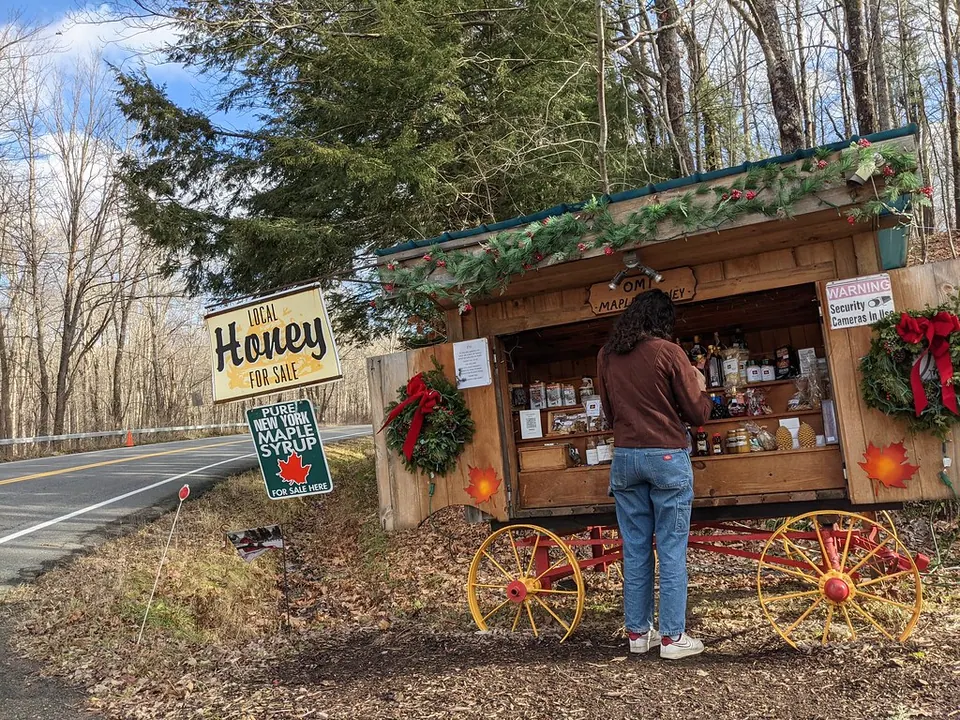
The FDA guidance on labeling honey says pure honey is named “honey”, optionally with its floral source, and blends with other sweeteners cannot be called pure honey. Licensing, cottage food exemptions and sales limits are set by each state, and they differ widely, so check your state department of agriculture before your first market. Our guides on US honey labeling rules, laws by state and selling at farmers markets go step by step.
Selling candles and wax too? See wax and candles and the honey harvest category for every extraction tool.
 Best of
Best honey extractor picks compared by frames per load, manual or electric drive, listed stainless grade and gate…
 Best of
Best electric honey extractor picks from VIVO, VEVOR, Goodland and TsoLay, compared by frames per load, listed motor…
 Best of
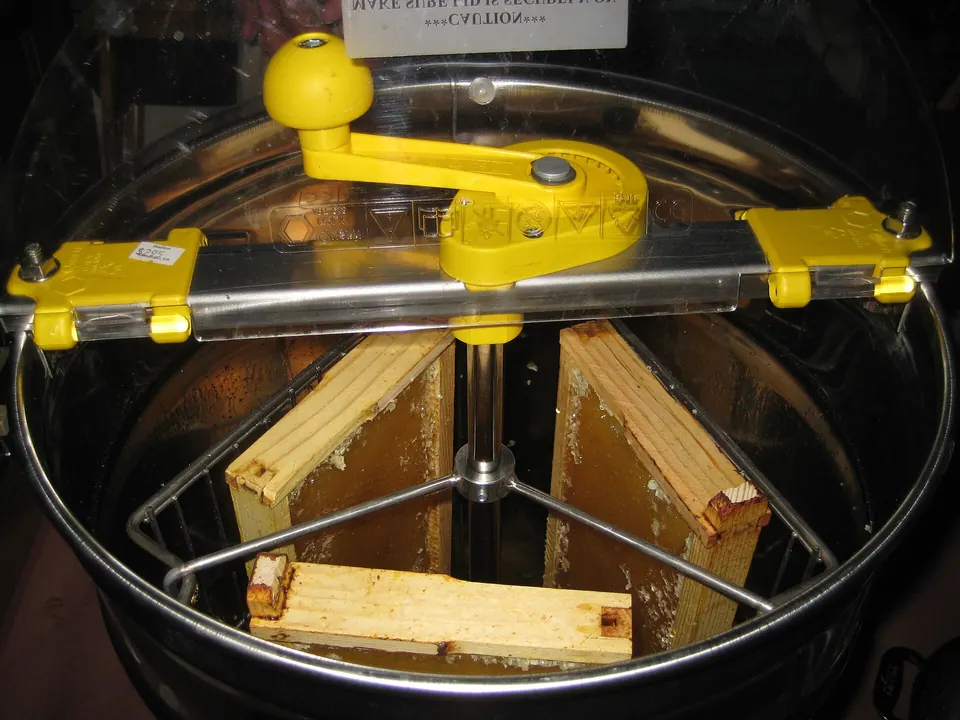
Best manual honey extractor picks from 7 brands, compared by frames per load, listed drum steel and gauge, gate…
 Best of
Best uncapping knife picks: heated and cold knives, forks, a roller and uncapping tubs from 10 brands, compared by…
 Best of
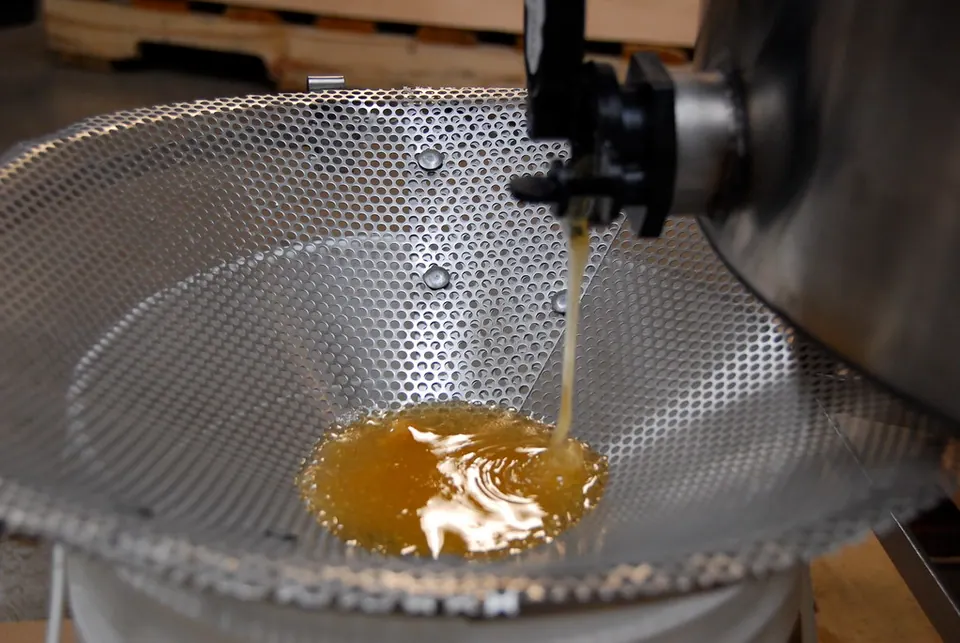
Best honey strainer picks compared by mesh size in microns, stainless grade, bowl and bucket fit: double sieves, nylon…
 Best of
Best honey bottling bucket picks: 5-gallon gate buckets, a two-layer tank, gate valves and pail heaters, compared by…