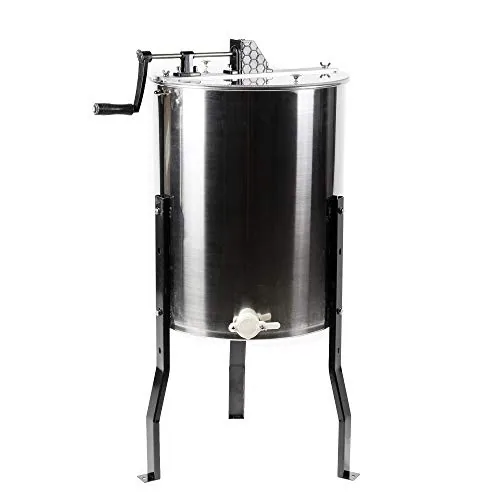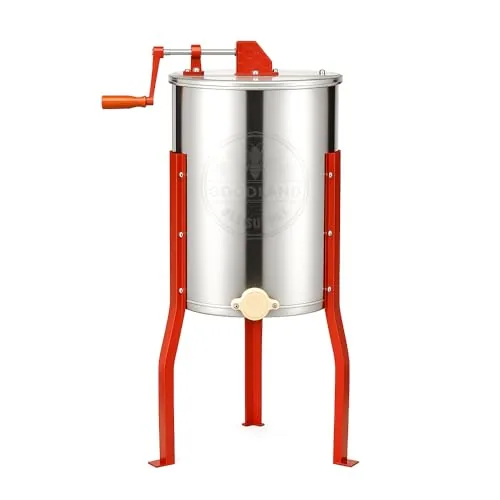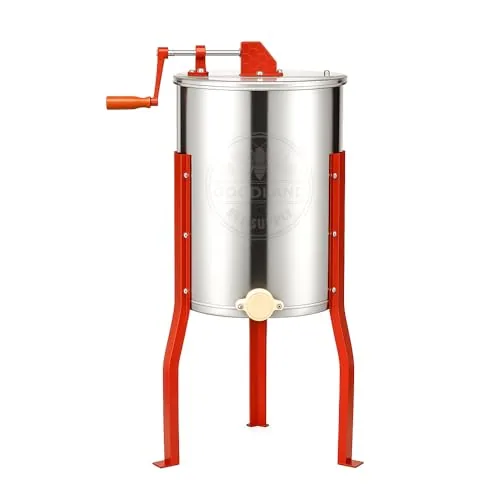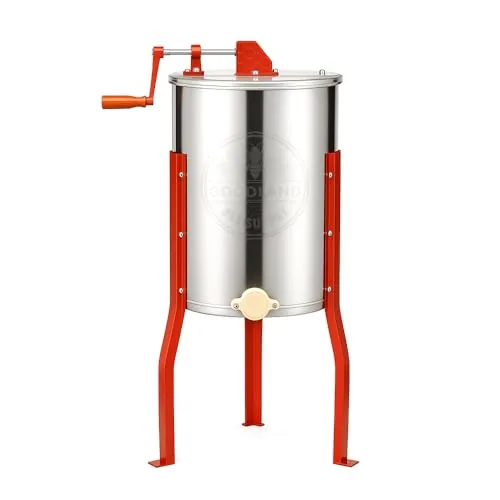
Goodland Bee Supply
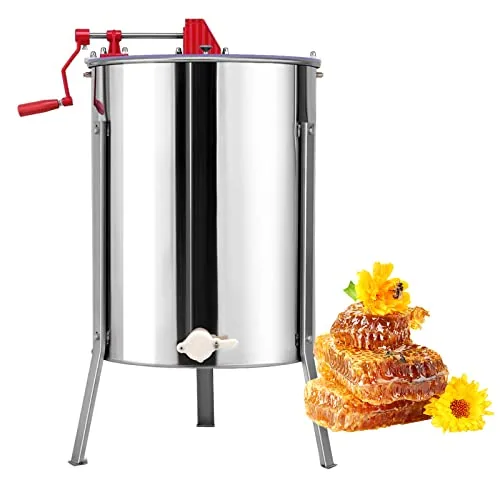
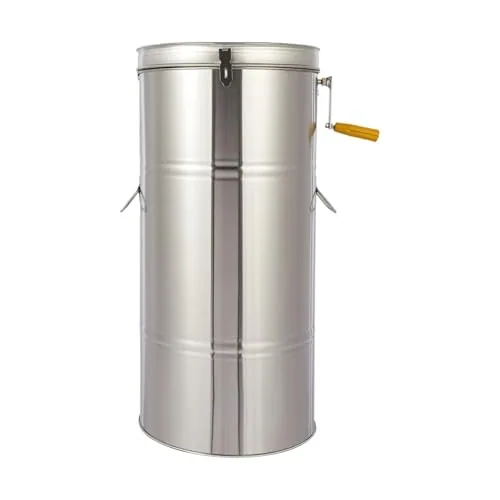
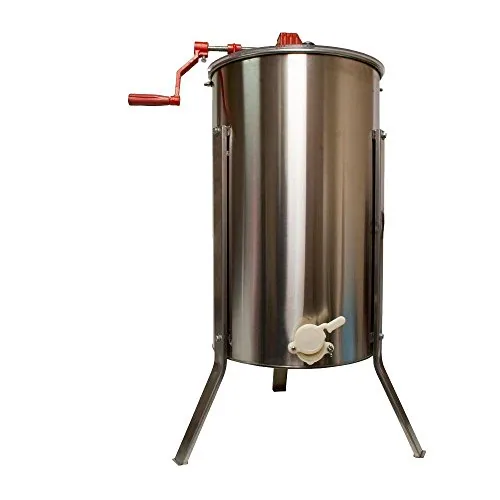
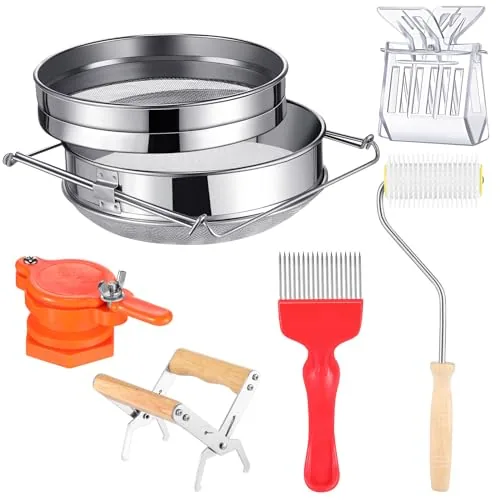
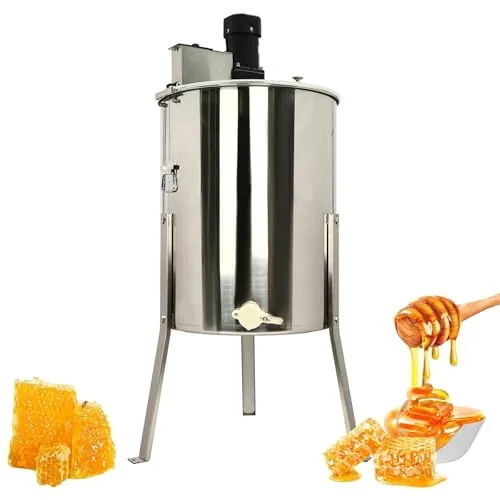
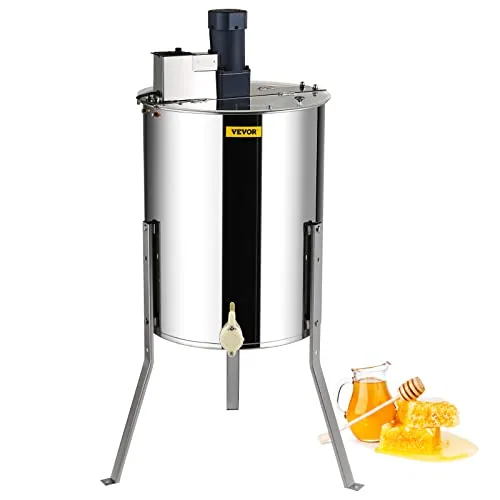
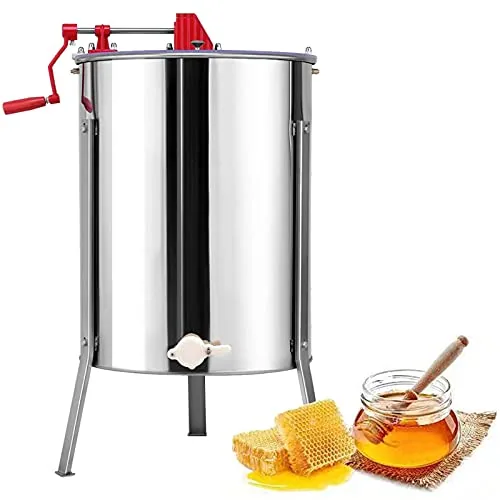
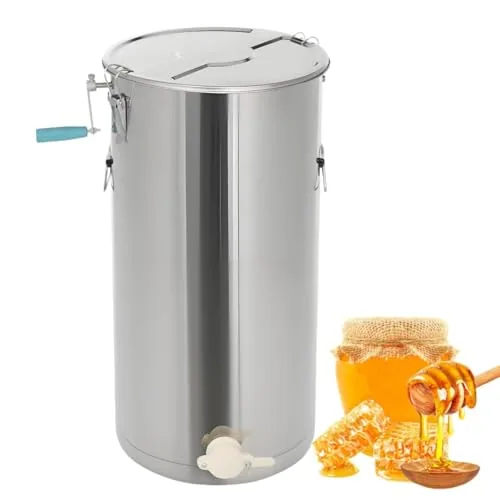
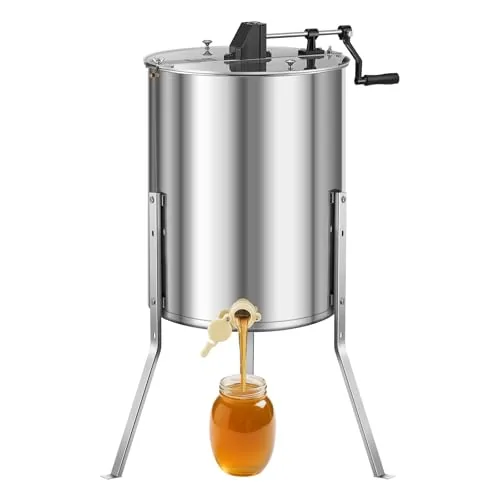
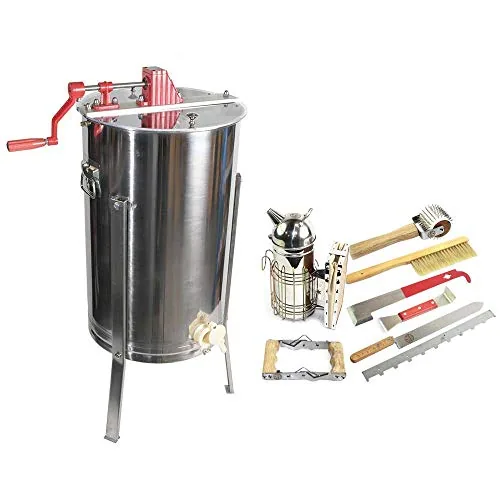
Goodland Beginner Tool Kit with 2-Frame Extractor
- Frames
- 2 (extractor)
- Drive
- Manual hand crank
- Material
- Stainless steel drum
Best for Equipping a first harvest in one order
Best for Equipping a first harvest in one order
Best for Clearing bees from supers before harvest
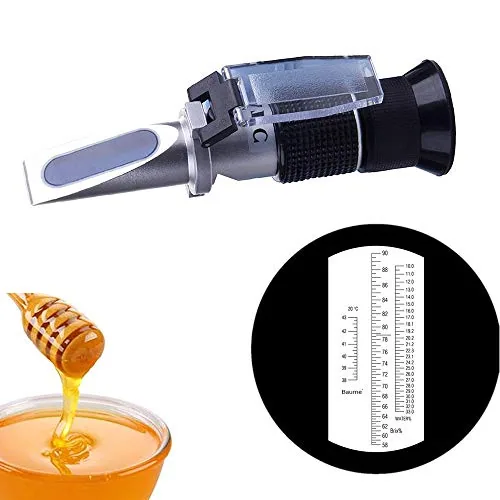
Best for Checking honey before bottling
Best for Testing moisture before bottling
Best for Hobbyists with a few hives
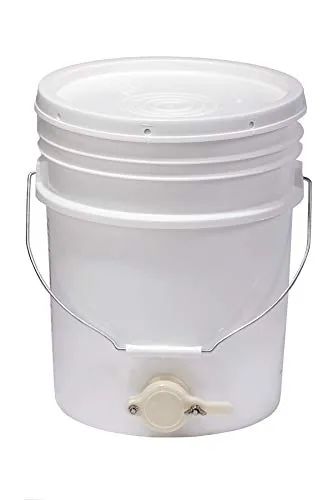
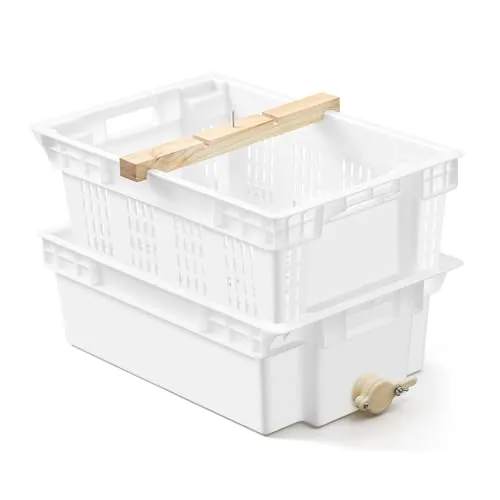
Best for Making a bottling bucket
Best for Straining honey into a bucket
Best for Budget first extractor
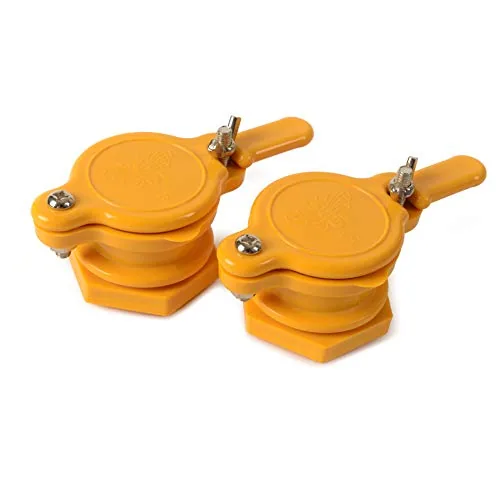
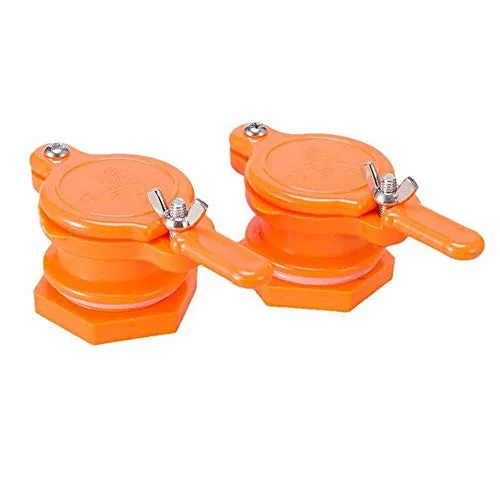
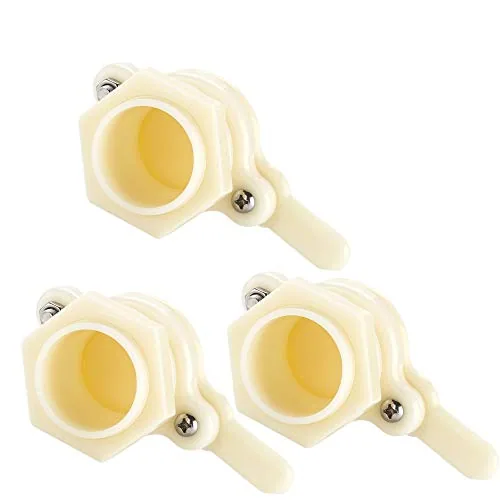
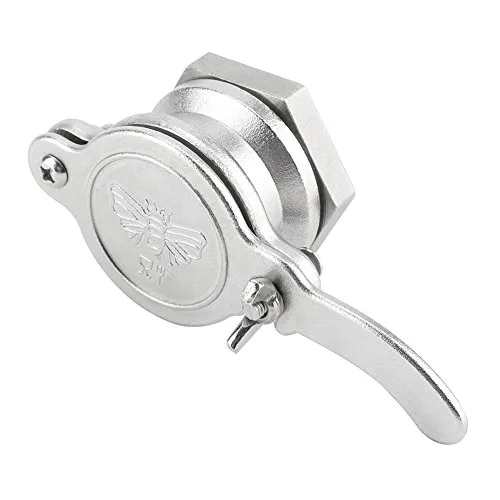
Best for Replacing an extractor gate
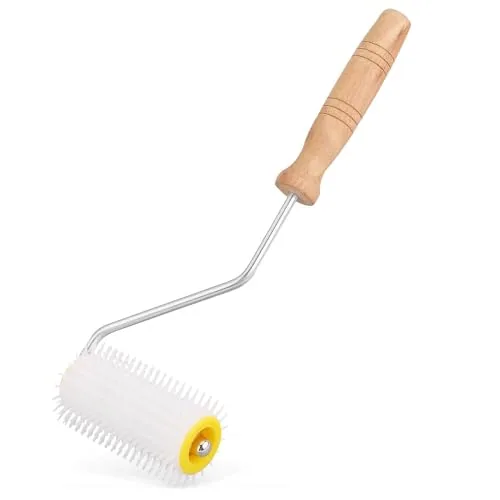
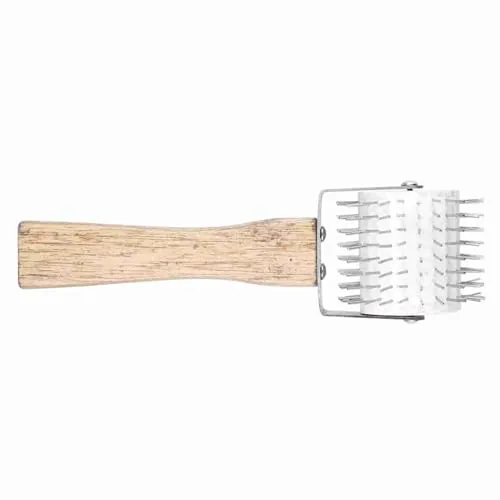
Best for Faster uncapping
Best for Uncapping over a bucket
Best for Uncapping uneven comb
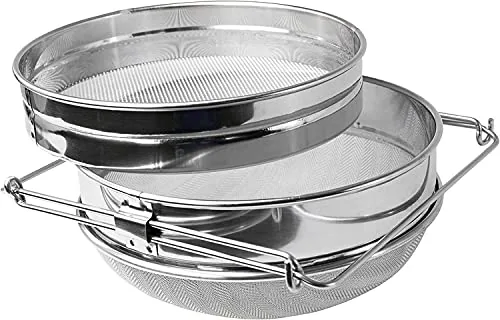
Best for Straining a small harvest
Best for Bucket uncapping setup
Best for Uncapping many frames
Best for Checking honey is dry enough to bottle
Best for Hobby beekeepers starting extraction
Best for Liquefying crystallized honey
Best for Bucket uncapping setup
Best for Uncapping several supers
Best for Faster uncapping
Best for Catching and bottling honey
Best for General sugar testing
Best for Crush-and-strain harvests
Best for Precise sugar readings
Best for Testing honey before sale
Best for Straining extracted honey
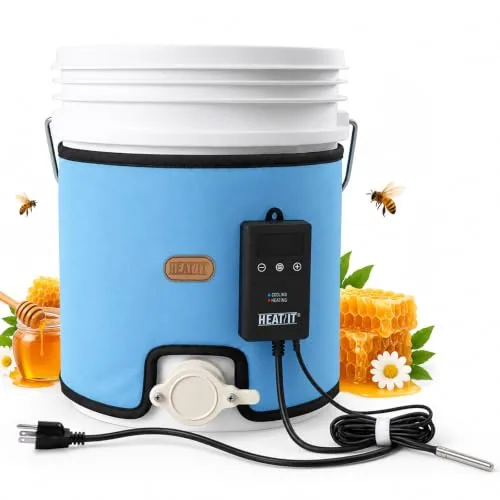
Best for Keeping bucket honey liquid
Best for Uncapping uneven comb
Best for First harvest tool set
Best for Fine moisture readings
Best for Hobbyists moving to electric
Best for Growing backyard apiaries
Best for Straining before bottling
Best for Uncapping a few frames
Best for Moving honey in bulk
Best for Spare uncapping forks
Best for Checking honey moisture
Best for Uncapping larger batches
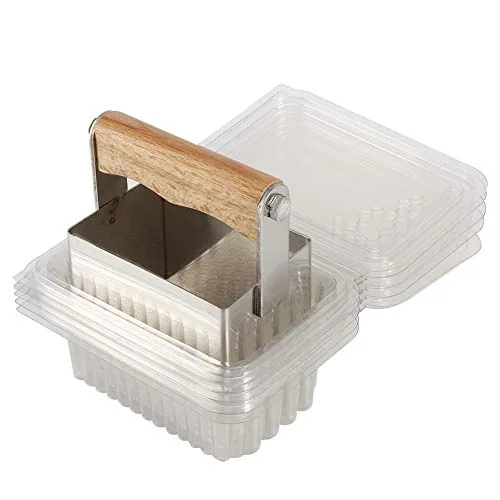
Best for Cutting comb honey pieces
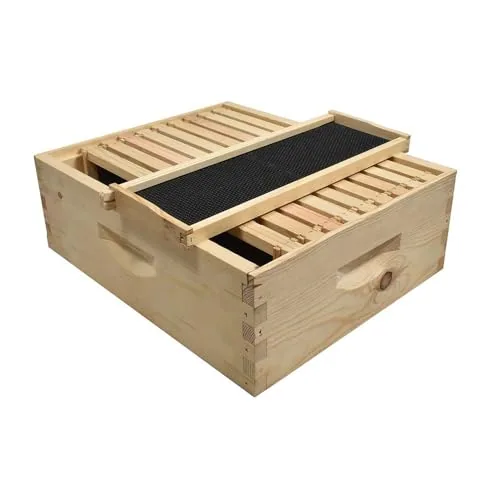
Best for Adding harvest gear to existing hives
Best for First small harvest
Best for Crush-and-strain or small extraction
Best for Growing hobby apiaries
Best for Uncapping several supers
Best for Quick uncapping of small batches
Best for Small-batch uncapping
Best for Low spots a knife misses
Best for Settling and bottling larger harvests
Best for Bottling from a warm bucket
Best for Small manual extraction
Best for Small apiaries going electric
Best for Extracting several supers per session
Best for Turning buckets into bottling pails
Best for Sideline beekeepers extracting many supers
Best for Upgrading to a metal gate
Best for Larger manual batches
Best for Manual extraction for several hives
Best for A step up from 2 frames
Best for First extractor for 1-3 hives
Best for Hobbyists with several hives
Best for Small harvests without cranking
Best for Equipping a first honey season
No product matches every filter. Clear one to see more.
Honey harvest equipment turns capped frames into strained, bottled honey. The usual chain is: remove the cappings (uncapping knife, fork or roller), spin the frames (extractor), strain out wax (double sieve or nylon bag), settle and pour (bucket with a honey gate) and check moisture (refractometer). This category lists each step from VIVO, VEVOR, Goodland, Little Giant, Harvest Lane Honey and others.
In year one you may not need an extractor at all. Crush and strain works for a few frames; our guide to extracting honey with or without an extractor walks through both.
Extractors in the Hive & Frame catalogue (examples)
| Extractor | Frames | Drive | Listed detail |
|---|---|---|---|
| Goodland Hardin Professional | 2 | Manual crank | 16-gauge stainless tank |
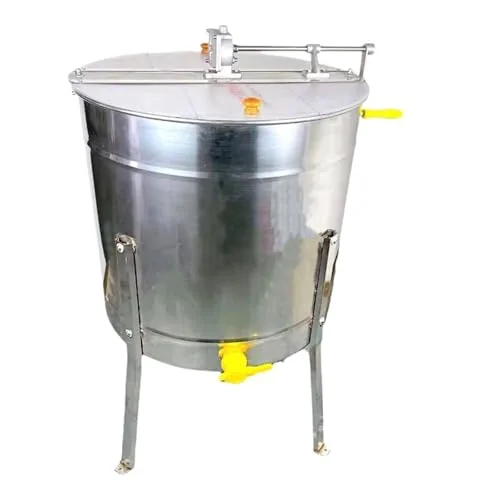
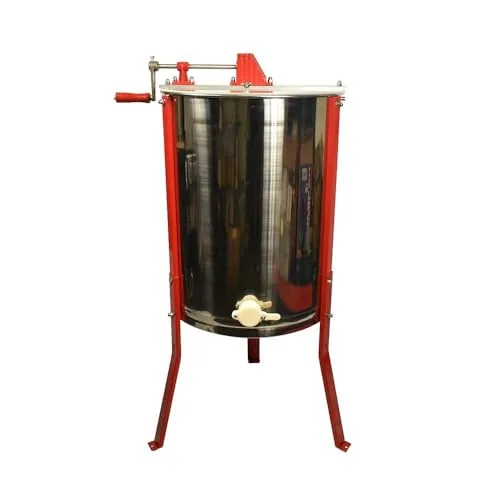
| Goodland HE3MAN / HE4MAN | 3 / 4 | Manual crank | 22-gauge food-grade stainless, 3-leg stand |
| VIVO BEE-V004B | 4 deep or 8 small/medium | Manual crank | Gate 15.4 in from floor |
| VIVO BEE-V004E | 4 deep or 8 small/medium | Electric, 120V AC | Gate 17.2 in from floor |
| VEVOR 2/4 and 4/8-frame | 2 or 4 deep | Electric | 140W, up to 1300 rpm adjustable |
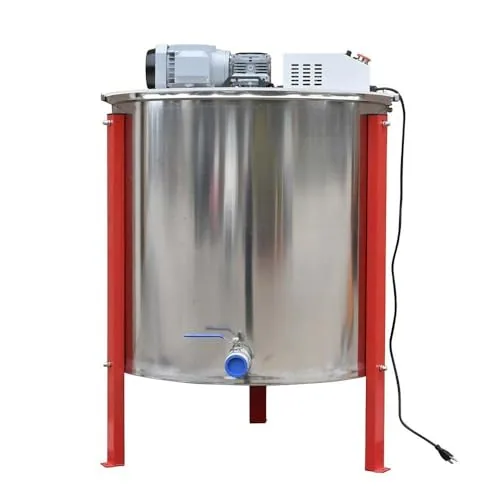
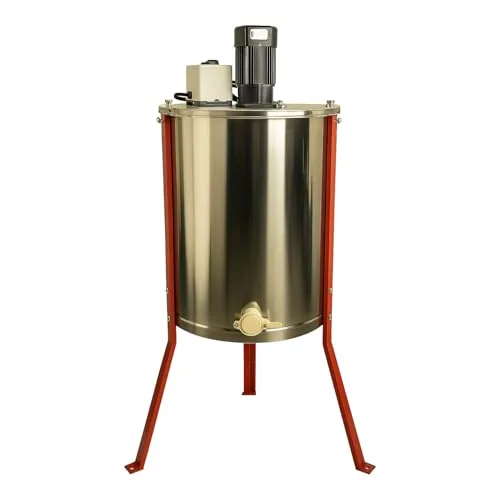
| Goodland HE12MOT | 12 | Electric, 110V | 22-gauge 304 stainless drum |
Source: Hive & Frame catalogue (maker listings)
Brand detail: the VEVOR honey extractor review and VEVOR vs Goodland.
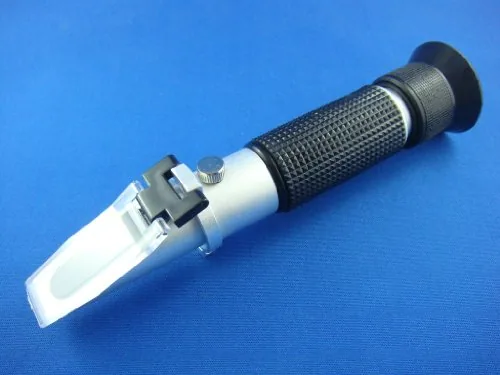
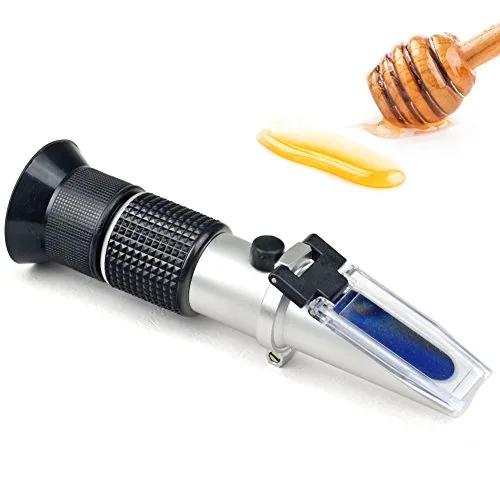
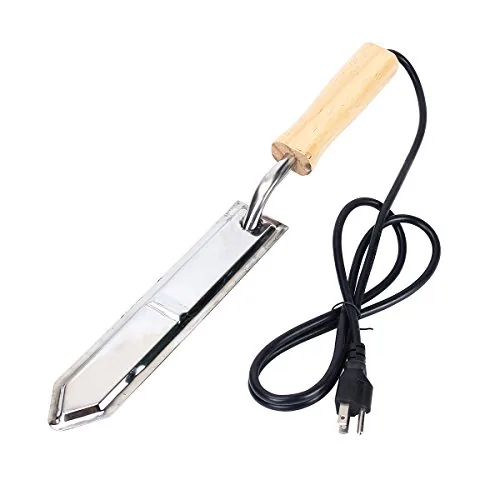
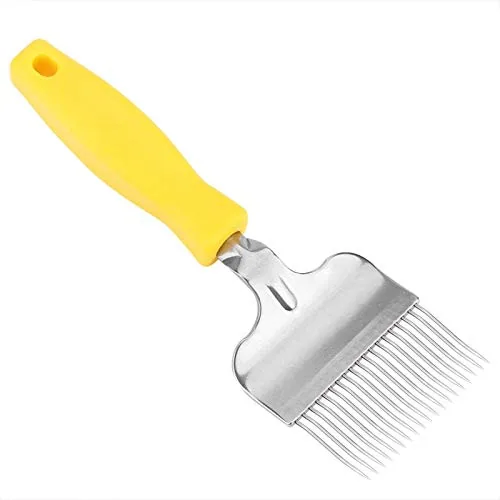
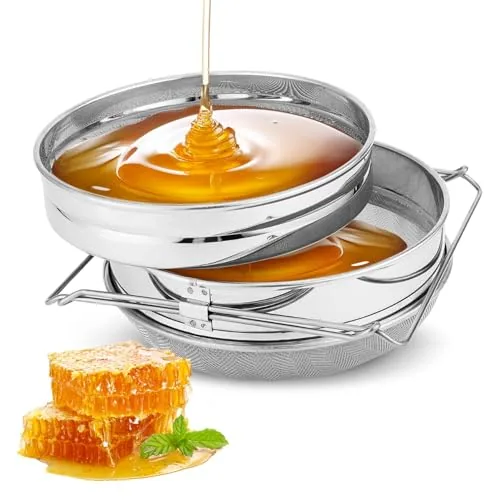
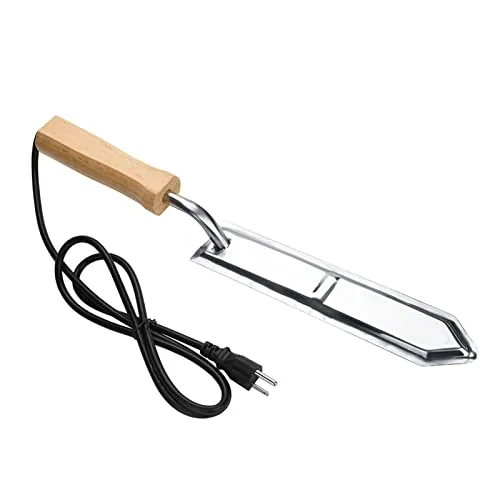
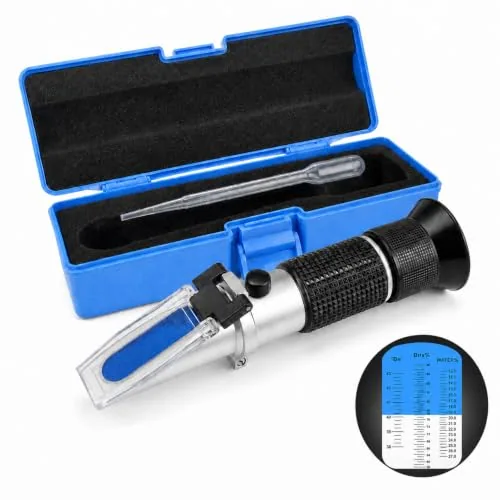
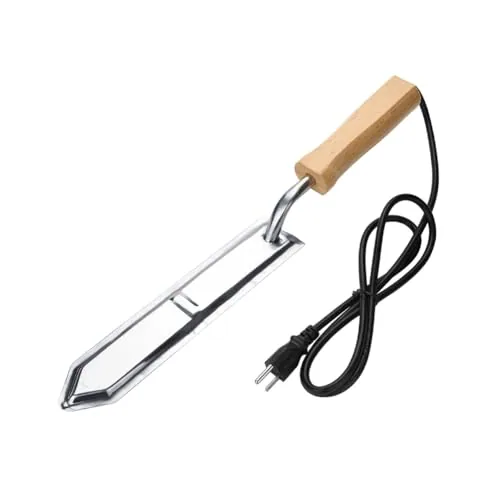
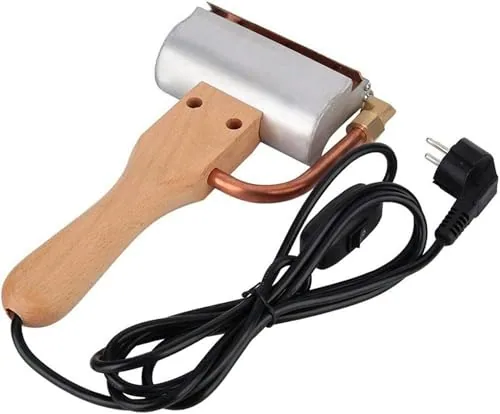
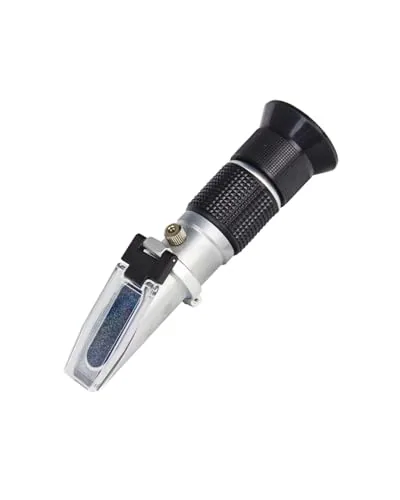
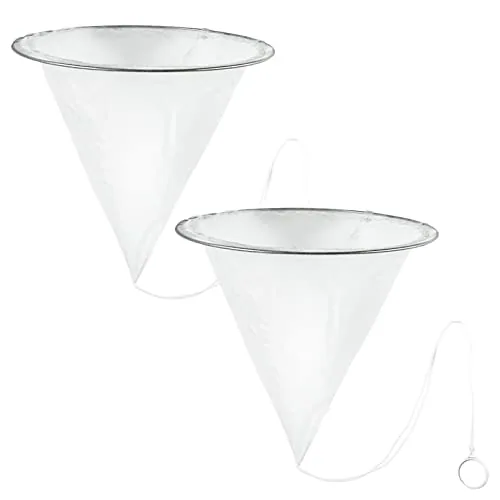
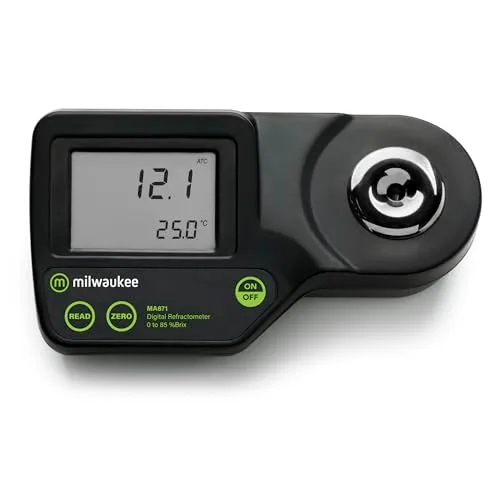
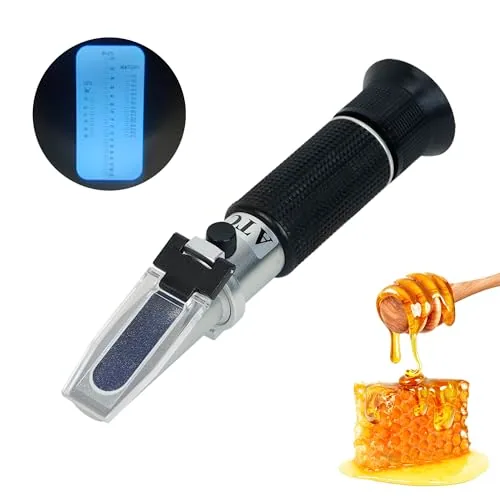
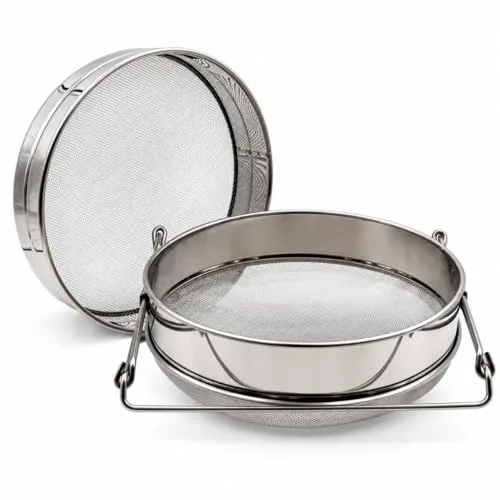
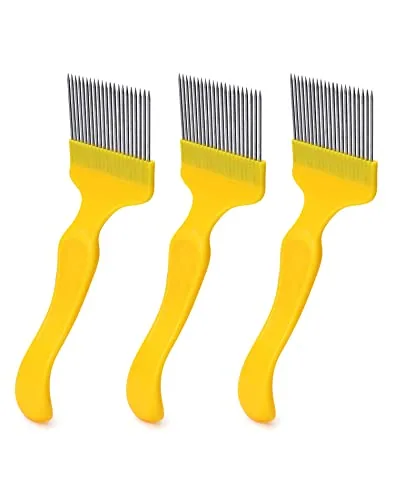
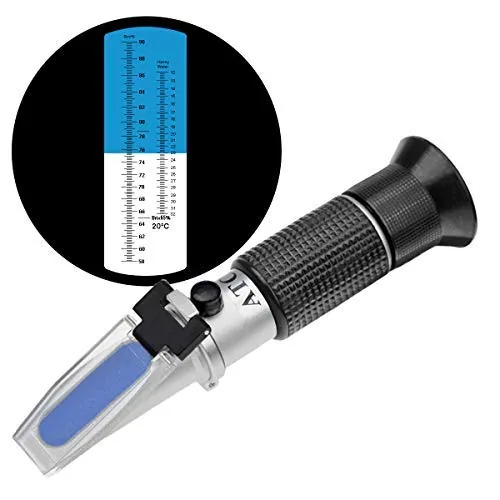
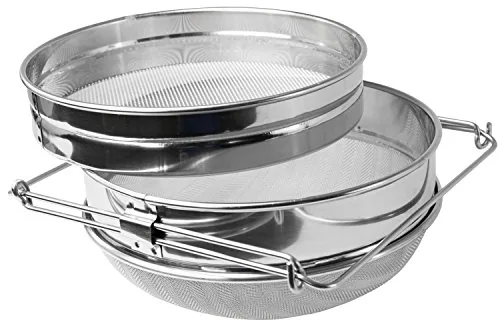
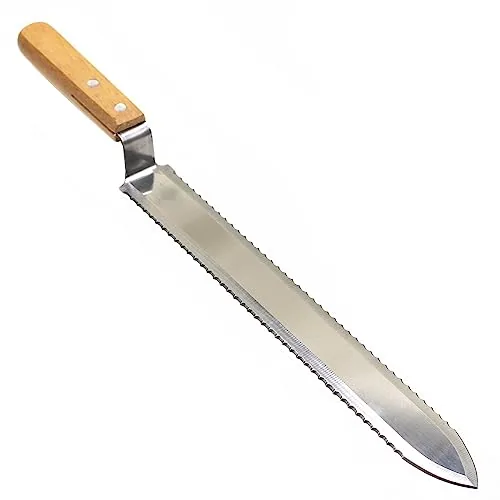
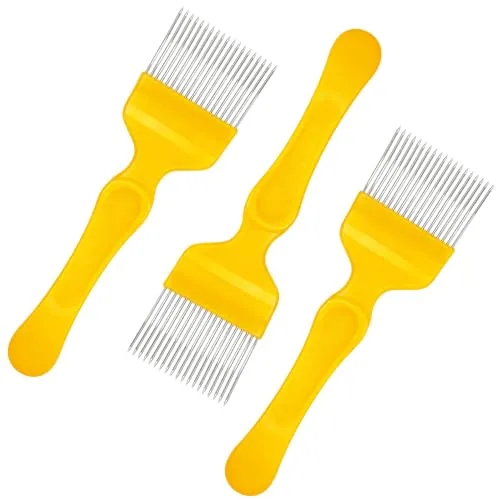
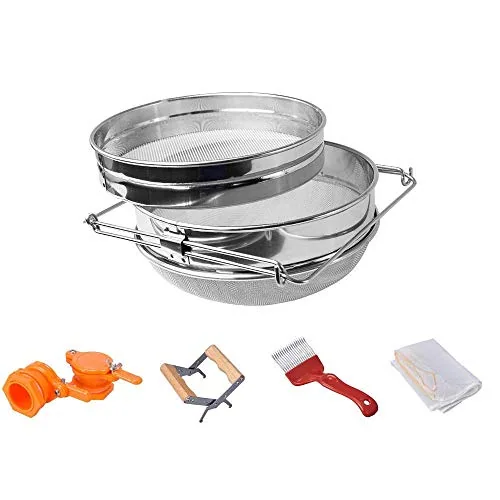
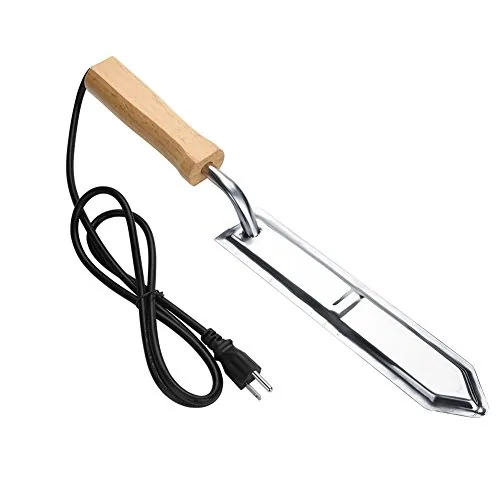
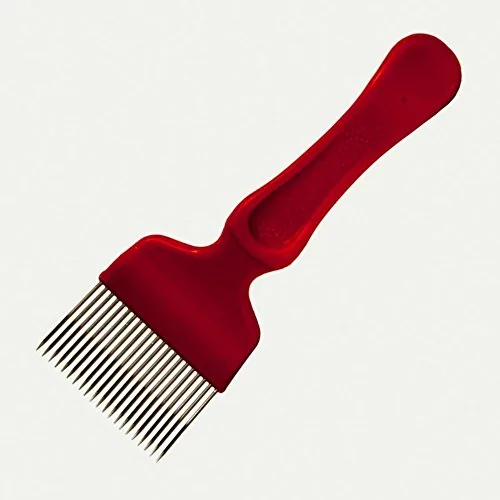
Electric uncapping knives (GLOGLOW 110V, Fdit, Joyzan) slice cappings with heat; cold serrated knives and 21-tine forks are cheaper and fine for a few frames. Double sieves list two mesh sizes, for example 1875 and 650 micron (VIVO BEE-V101H, BEEXTM), and sit over a 5-gallon bucket. Before bottling, a refractometer tells you water content; triple-scale models read 12–27% moisture. Our honey moisture guide explains readings and calibration.
Planning to sell? Estimate jars with the honey yield calculator, then see bottling and selling and selling honey.
 Best of
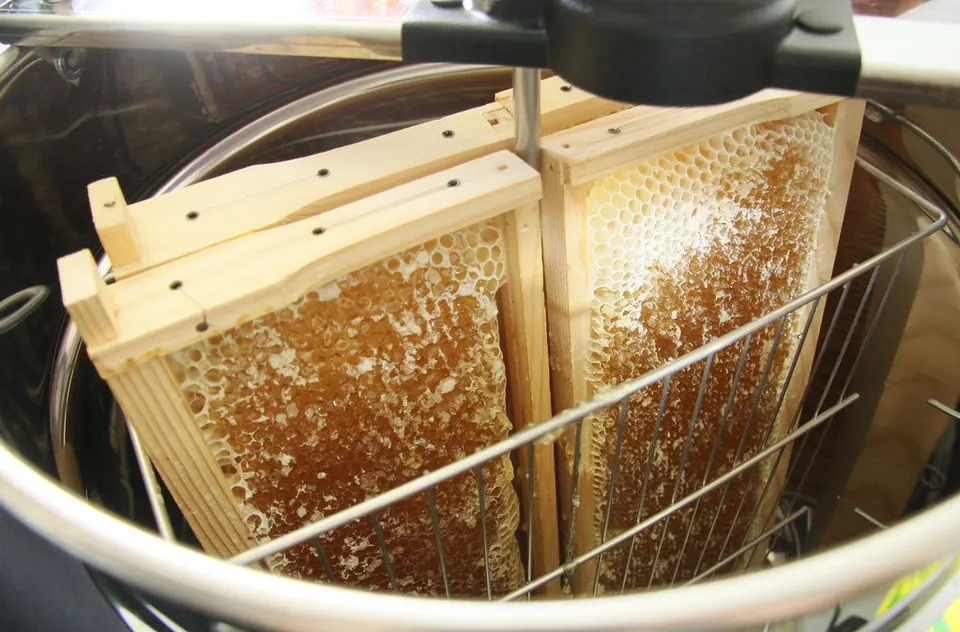
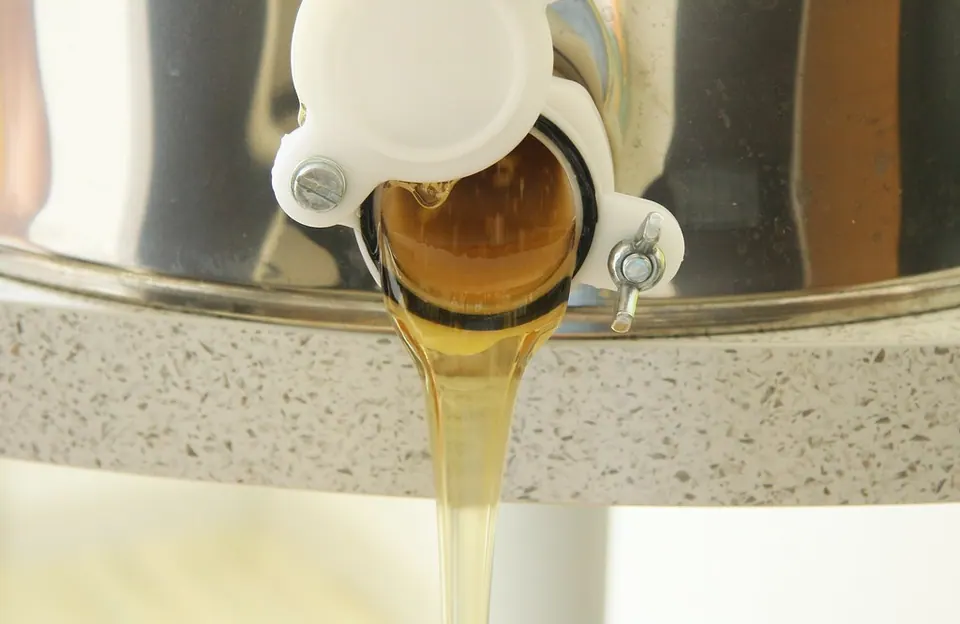
Best honey extractor picks compared by frames per load, manual or electric drive, listed stainless grade and gate…
 Best of
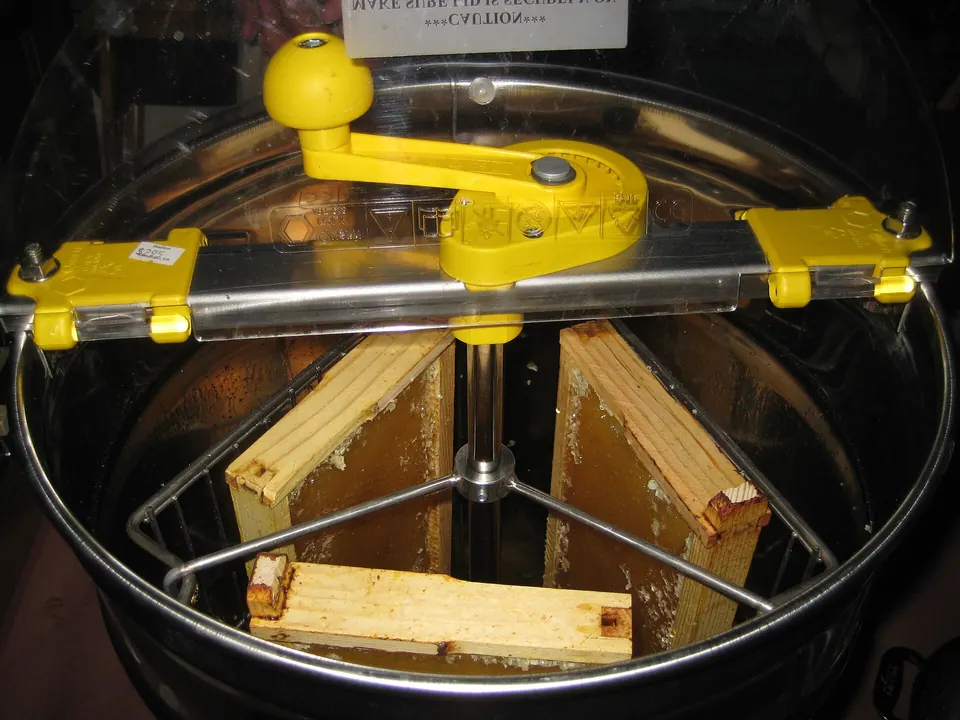
Best electric honey extractor picks from VIVO, VEVOR, Goodland and TsoLay, compared by frames per load, listed motor…
 Best of
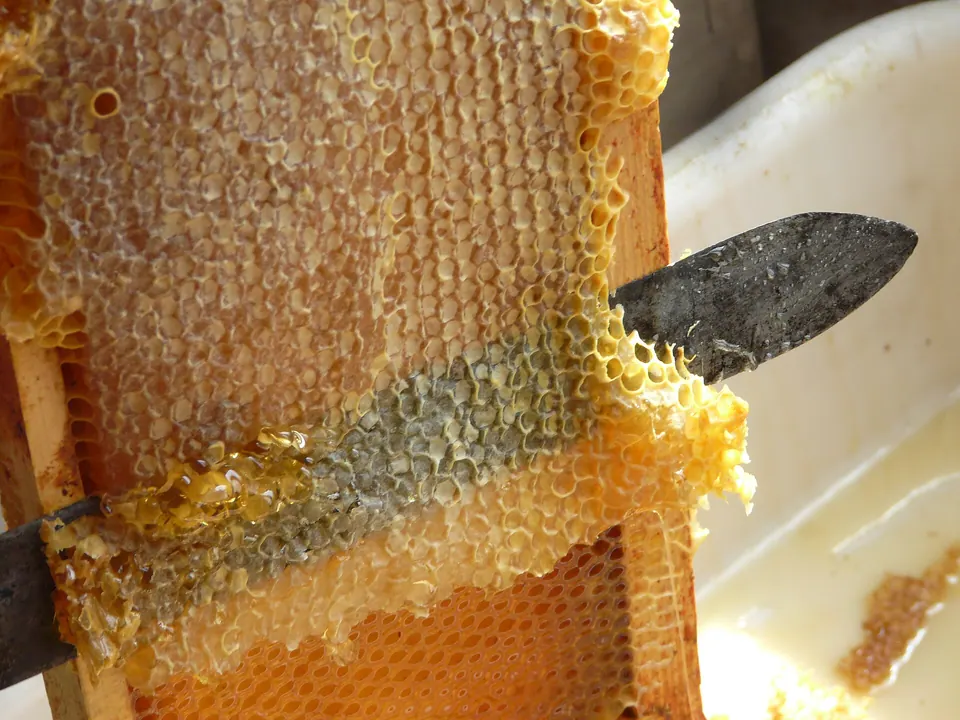
Best manual honey extractor picks from 7 brands, compared by frames per load, listed drum steel and gauge, gate…
 Best of
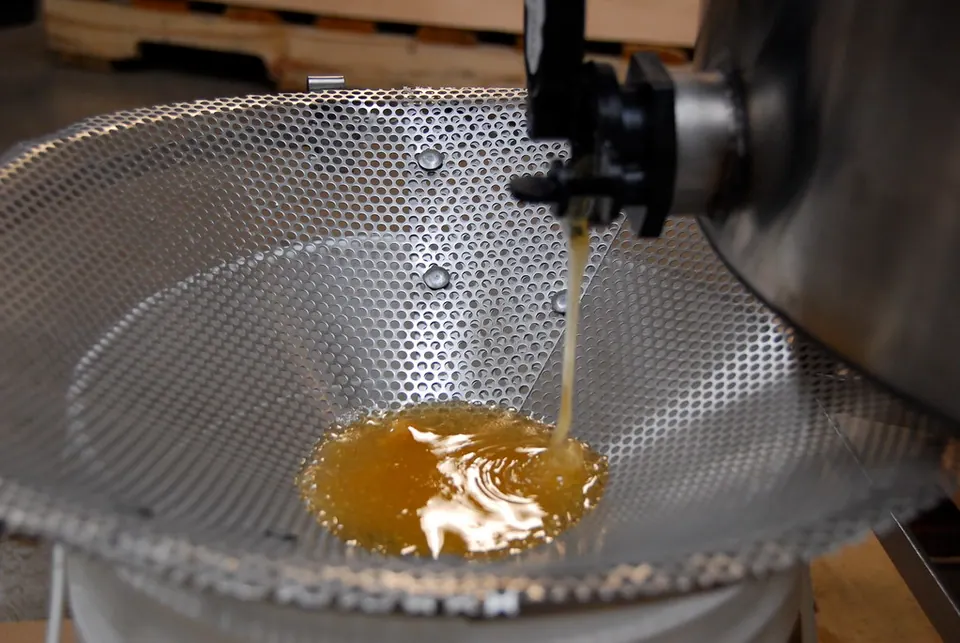
Best uncapping knife picks: heated and cold knives, forks, a roller and uncapping tubs from 10 brands, compared by…
 Best of
Best honey strainer picks compared by mesh size in microns, stainless grade, bowl and bucket fit: double sieves, nylon…
 Best of
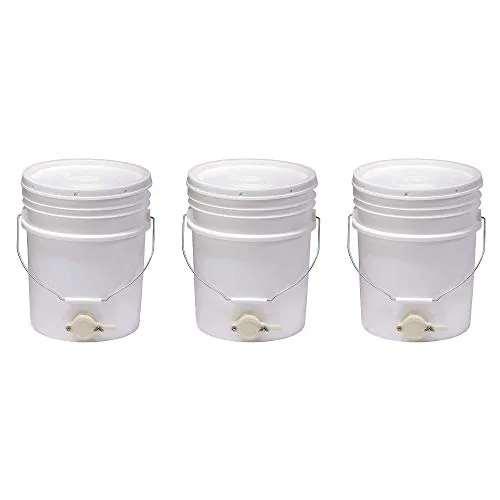
Best honey bottling bucket picks: 5-gallon gate buckets, a two-layer tank, gate valves and pail heaters, compared by…