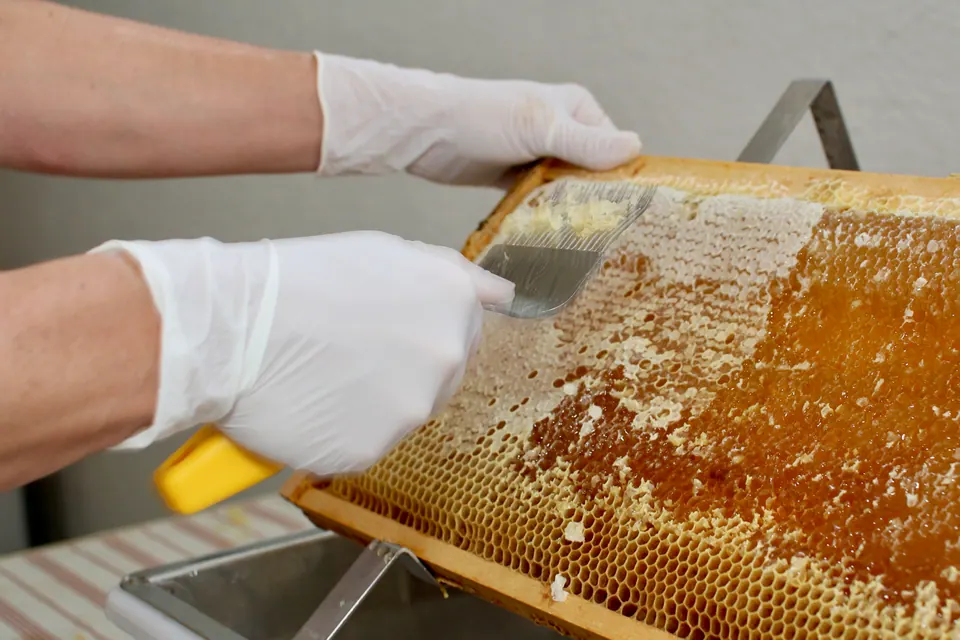
- Harvest frames that are mostly capped. Our regional calendars say to pull supers once most frames are capped, or about 80% capped in the Pacific Northwest.
- To extract honey, clear the bees from the super, uncap the frames, spin them in an extractor (or crush and strain the comb), strain, settle and bottle.
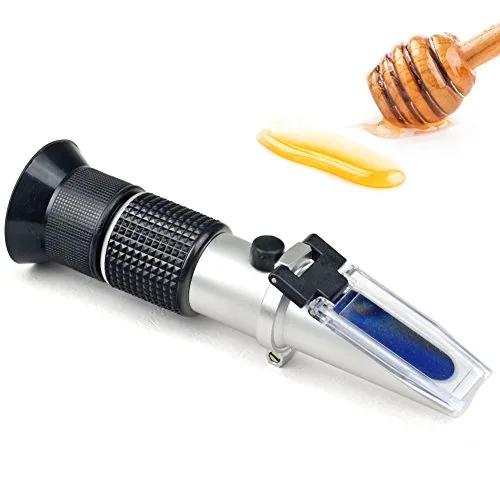
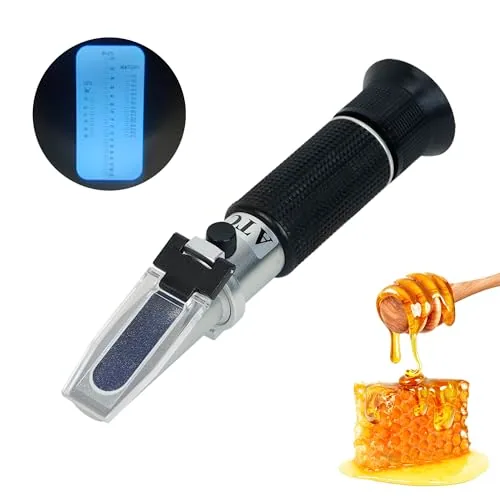
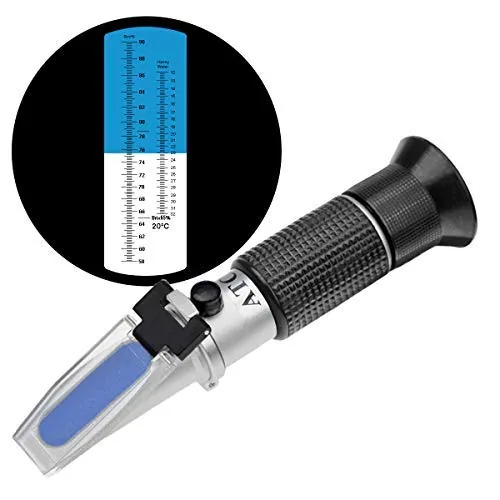
- Check moisture with a refractometer before bottling; the calendars we follow say to aim for 18% or lower.
- Extract within a few days of pulling supers, to avoid small hive beetle damage, and work indoors or in a bee-tight space to avoid robbing.
- No extractor? Crush and strain needs a bucket, a strainer and patience, and many clubs lend or rent extractors.
Knowing how to extract honey well is mostly about preparation. The actual spinning takes minutes per load; the time goes into clearing bees, uncapping, keeping everything clean and sticky-free, and giving the honey time to strain and settle. Plan a full afternoon for your first harvest, and do it in a kitchen, garage or shed where bees can’t follow you in.
This guide covers the extractor method and crush and strain, using the timing and moisture advice in the regional calendars behind our seasonal calendar. Gear picks are compared by listed specs only: frame capacity, drive type and materials. Before you start, estimate how many jars to buy with the honey yield calculator.
When is honey ready to extract?
Bees cap cells with wax once the nectar has dried down into honey. Uncapped cells may still hold nectar that is too wet to keep. Pull supers when most frames are capped. If a frame is only partly capped, give it a gentle shake over the hive: if nectar sprinkles out, leave it for the bees.
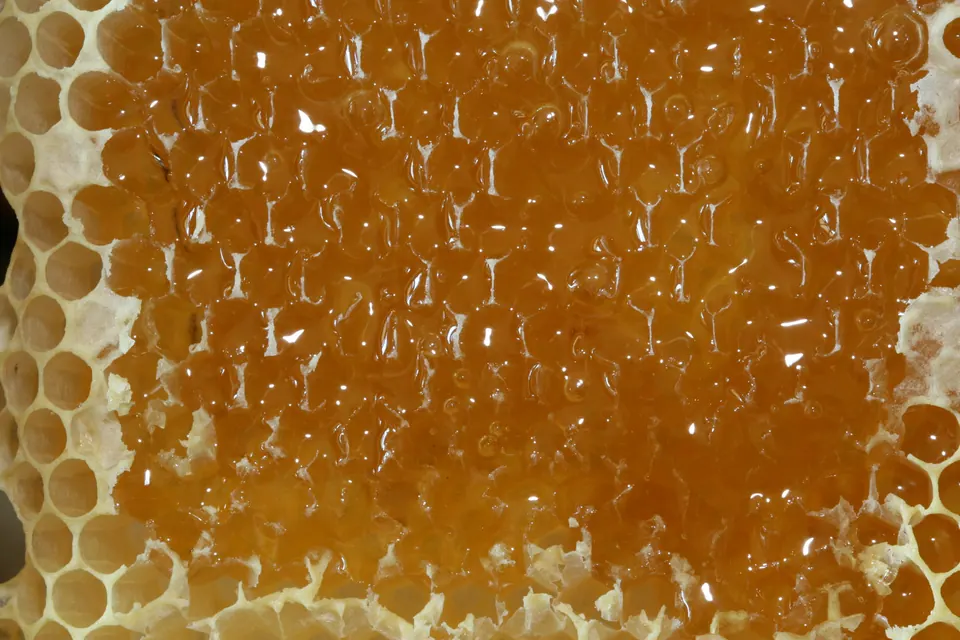
When regional calendars schedule the main harvest
| Region | Main harvest | Notes |
|---|---|---|
| Northeast & Upper Midwest | July | Before the summer dearth; leave fall honey for the bees |
| Mid-Atlantic & Upper South | June to mid-July | Sourwood flows run later in the mountains |
| Deep South & Gulf Coast | June to mid-July | Near the Gulf, tallow can extend the flow into June |
| Florida & subtropical | Late April (orange blossom, south); June–July | Fall pepper honey once capped |
| Southwest & California | May, before extreme heat | |
| Pacific NW & Mountain West | July (about 80% capped) | Leave 80–100 lb for winter in the Mountain West |
Source: Hive & Frame seasonal calendar, adapted from regional extension calendars
Always leave the bees enough to get through the dearth and winter. A first-year colony may have little or no surplus at all. Our winterizing guide lists regional store targets.
What do you need to extract honey?
- A way to clear bees: a one-way bee escape board placed a day or two before, or a soft brush.
- An uncapping tool: a heated or cold knife, a fork or a needle roller, plus a tray or tub to catch cappings.
- An extractor (manual or electric), or for crush and strain, a clean food-grade bucket and a potato masher.
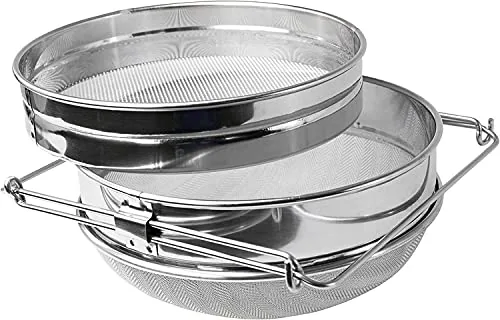
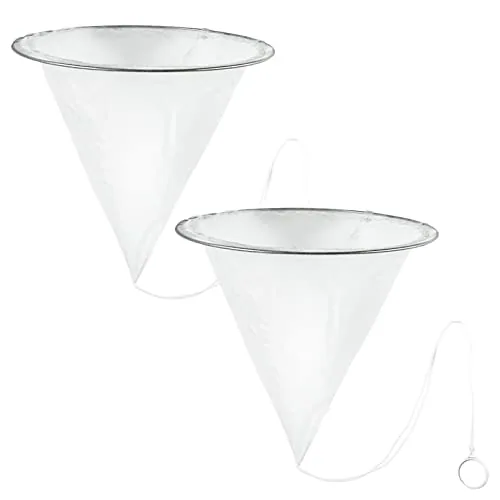
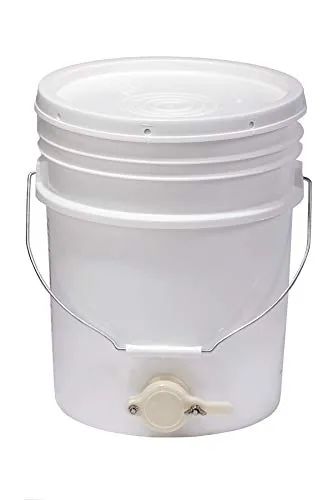
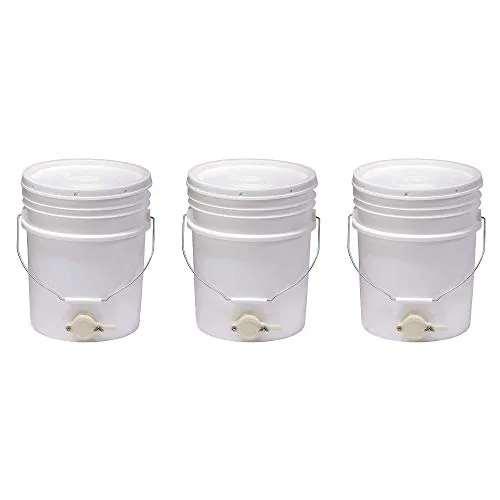
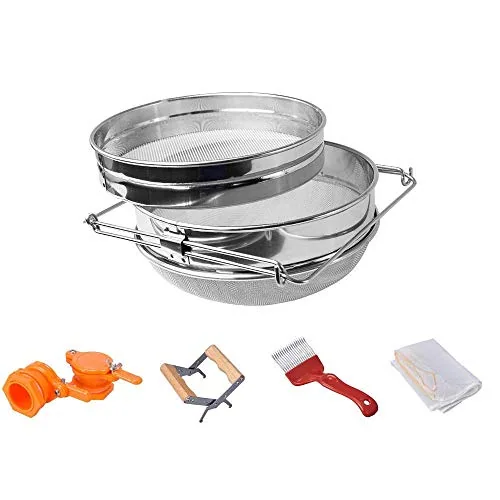
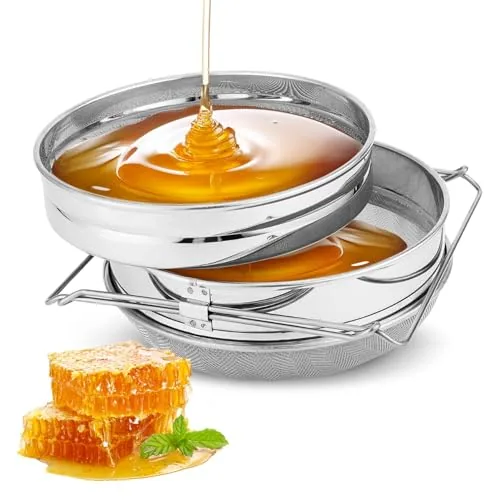
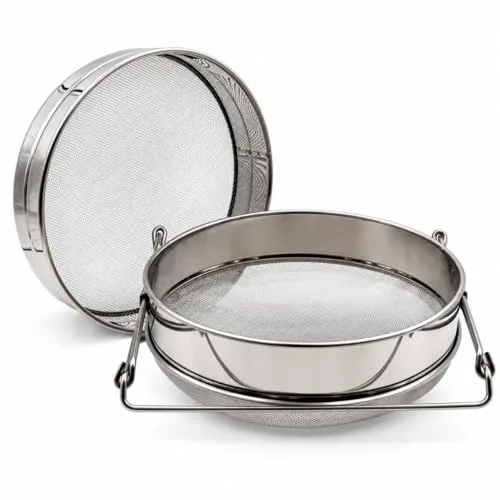
- A double sieve or straining bag, and a bucket with a honey gate.
- A refractometer to check moisture.
- Clean jars and lids, towels, and a wet cloth for sticky hands.
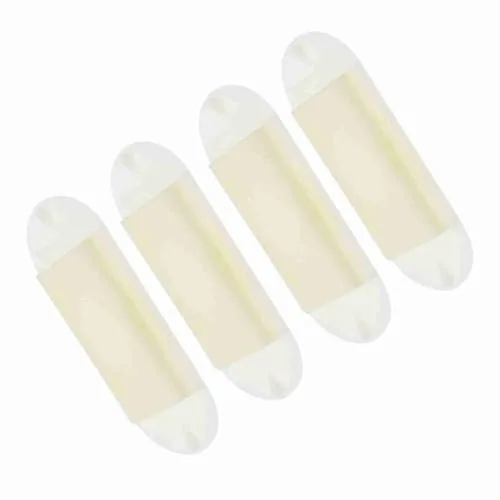
JTLB Porter Bee Escape, One-Way
- Material
- Plastic
- Type
- Porter-style one-way escape
- Use
- Fits inner cover hole
Best for Clearing bees from supers before harvest
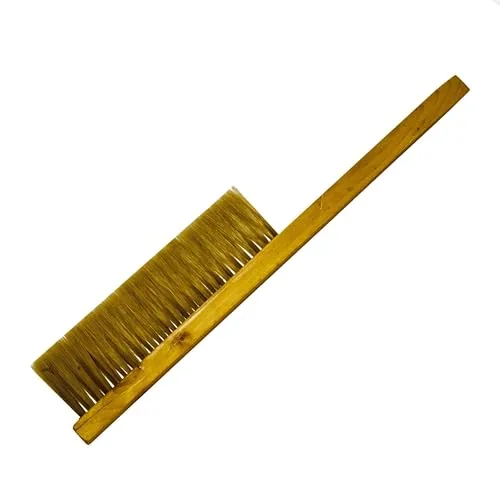
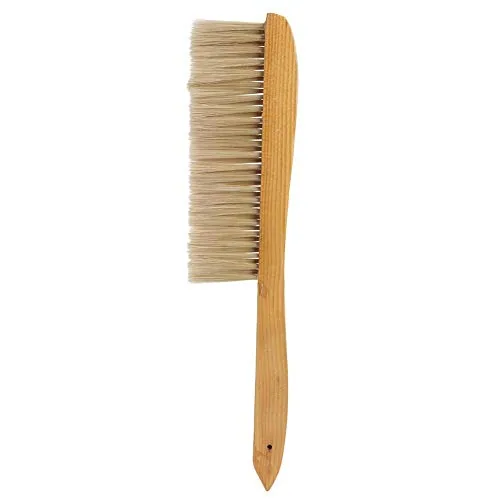
Harvest Lane Honey TOOL-102 Bee Brush, 15"
- Material
- Soft fibers, wood handle
- Length
- 15 in
Best for Clearing bees from frames
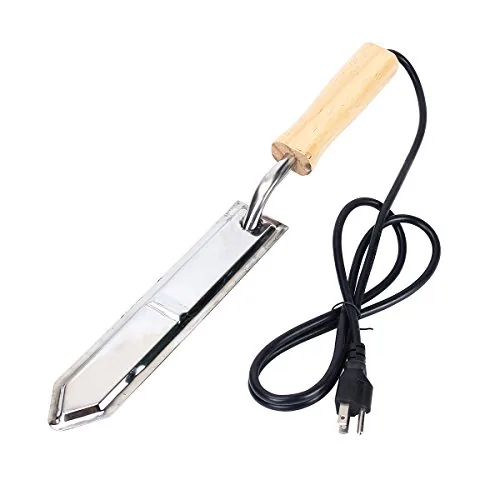
Cyberone Electric Uncapping Knife, Wood Handle
- Material
- Stainless steel blade, solid wood handle
- Type
- Electric heated knife
Best for Faster uncapping
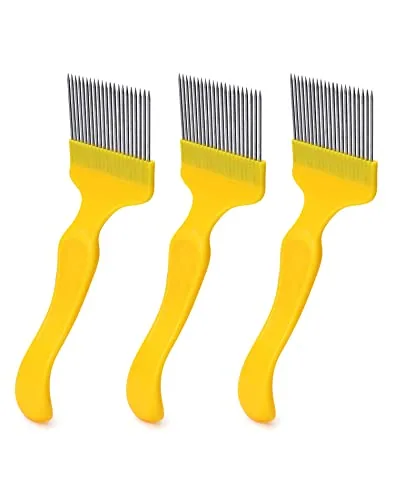
QWORK 21-Tine Stainless Uncapping Fork, 3 Pack
- Material
- Stainless tines, plastic handle
- Type
- 21-tine straight fork
- Count
- 3
Best for Uncapping uneven comb
| Product | Frames | Drive | Material |
|---|---|---|---|
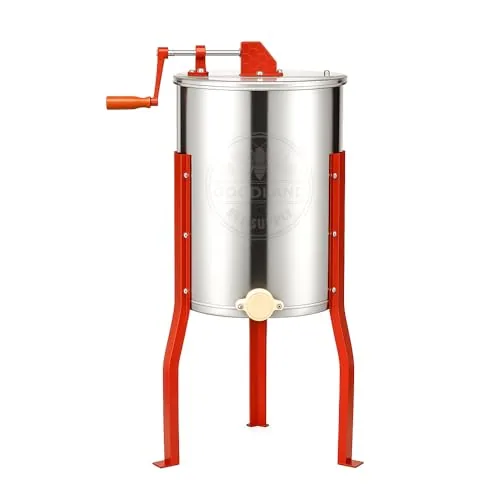
| Goodland Hardin Professional 2-Frame Manual Extractor | 2 | Manual crank | 16-gauge stainless tank |
| Harvest Lane Honey 2-Frame Metal Extractor | 2 (deep and medium) | Manual | Food-grade stainless steel (listed) |
| Goodland HE3MAN 3-Frame Manual Extractor with Stand | 3 (deep, medium or shallow) | Manual crank | 22-gauge food-grade stainless |
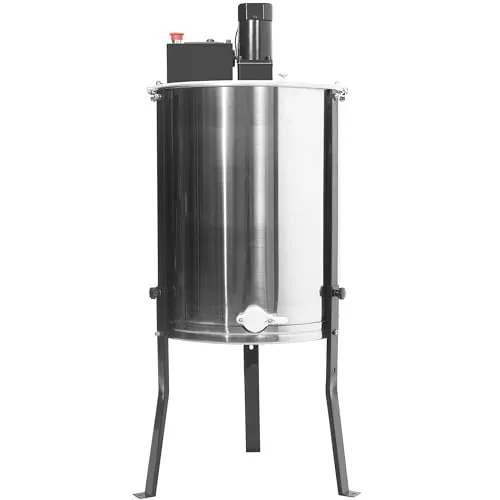
| VIVO BEE-V004E Electric 4/8-Frame Extractor | 4 deep or 8 small/medium | Electric, 120V AC | Stainless steel drum, 25.5 x 18.5 in |
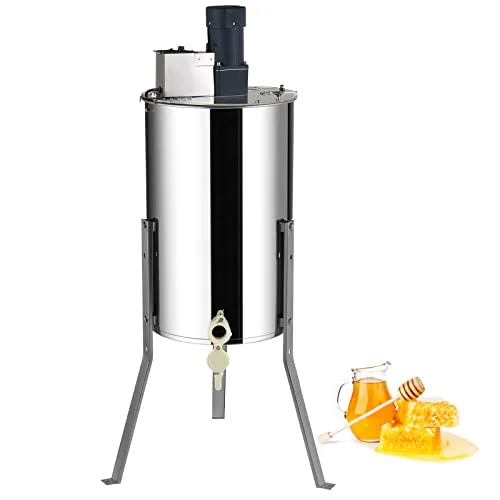
| VEVOR 2/4-Frame Electric Extractor, Adjustable Stand | 2 deep or 4 medium/shallow | Electric | Stainless steel |
| Goodland HE12MOT 12-Frame Electric Extractor, 110V | 12 | Electric, 110V | 22-gauge 304 stainless drum |
Specs as listed by the maker or seller; check the listing before you buy.
Frames per load: extractors in our catalogue
Deep frames per load as listed (some take more medium frames)
For one or two hives, a 2- or 3-frame manual extractor is plenty, and many clubs lend one. Electric drums with 4 or more frames per load save time once you are running several supers.
Compare the gear in the best honey extractors and best uncapping knives, and see manual vs electric and radial vs tangential extractors.
How to extract honey with an extractor, step by step
- Clear the bees from the supers
Put a bee escape board under the supers a day or two before, or brush bees off each frame at the hive. Take the supers indoors right away, covered, so robber bees don’t find them.
- Set up a clean, bee-tight workspace
Wash the extractor, buckets and tools. Lay down plastic or newspaper. Close doors and windows; a few bees inside are fine, an open door is not.
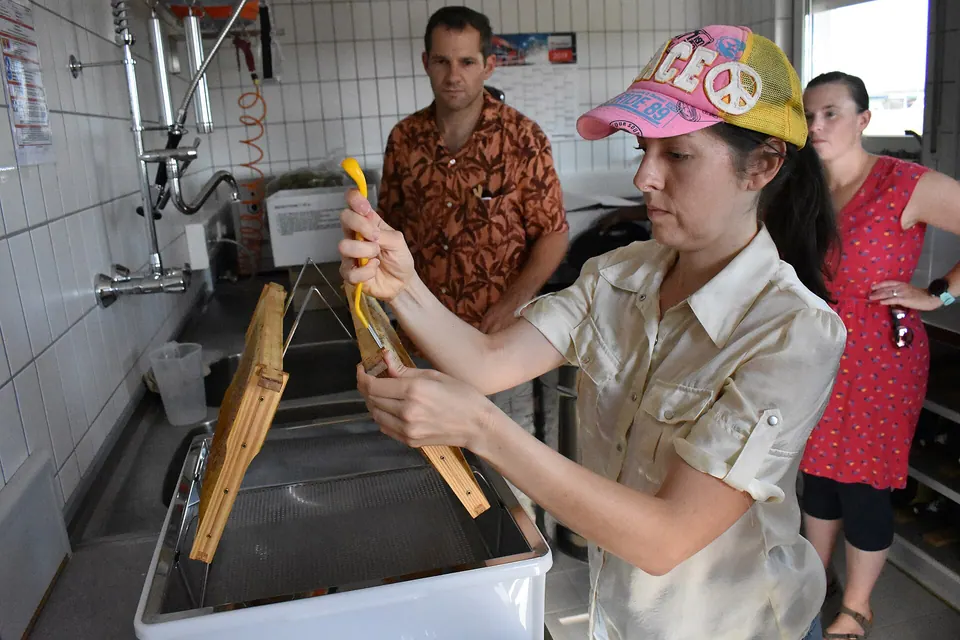
- Uncap each frame
Hold the frame upright over a tray and slice or scratch off the wax cappings on both sides. A heated knife cuts cleanly; forks and rollers handle uneven comb.
- Load the extractor evenly
Place frames of similar weight opposite each other to keep the drum balanced. An unbalanced load shakes and can walk across the floor.
- Spin slowly, then faster
Start slow so heavy new comb doesn’t break, then build speed. In a tangential extractor, spin one side partway, flip, spin the other side fully, then flip back and finish.
- Drain and strain
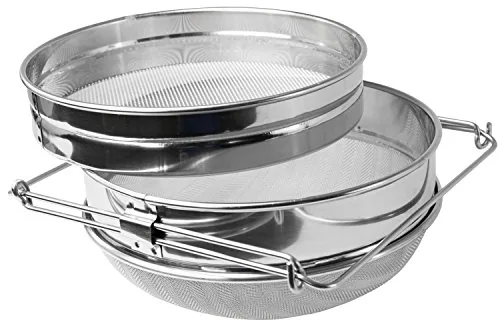
Open the gate and run the honey through a double sieve into a bucket with a honey gate. Fine mesh catches wax bits and bee parts.
- Let it settle and check moisture
Cover the bucket and let it sit a day or two so air bubbles and fine wax rise to the top. Check moisture with a refractometer; the calendars we follow say to aim for 18% or lower.
- Bottle from the bottom
Fill jars from the honey gate, which draws from the bottom and leaves the foam on top. Cap and label.
- Return the wet frames
Put the sticky supers back on the hives for the bees to clean, late in the day to limit robbing, as the Mid-Atlantic calendar suggests. Then store them where wax moths and beetles can’t reach.
How do you extract honey without an extractor?
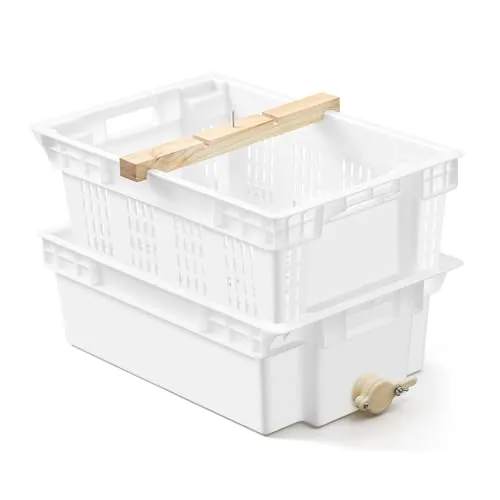
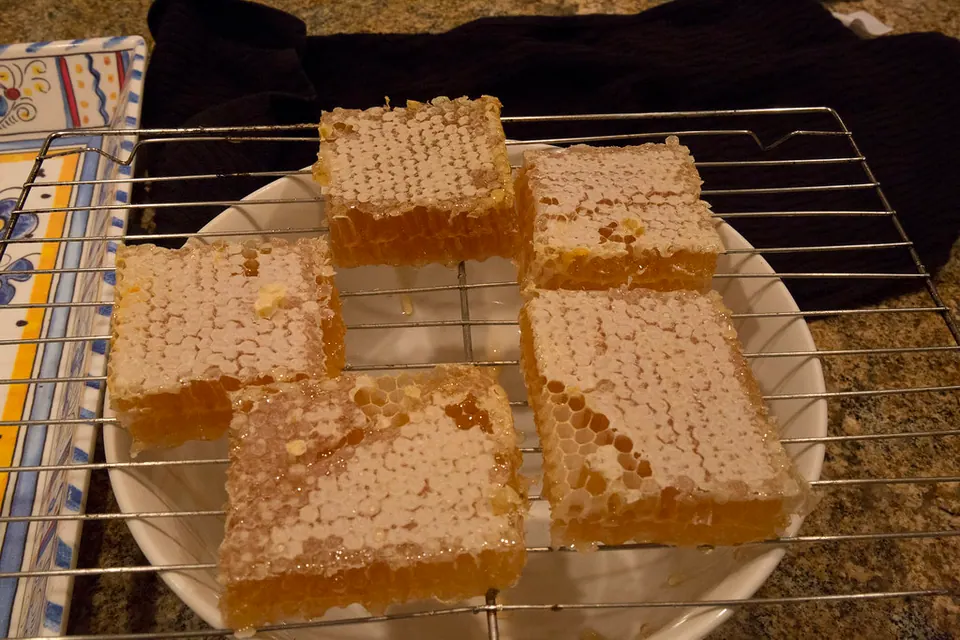
Crush and strain is how most top bar beekeepers harvest, and it works for anyone with a small harvest. You lose the comb, so the bees must build new wax, but you need almost no special equipment.
- Cut the comb into a bucket
Cut the comb off the frame or bar into a clean food-grade bucket. Leave a strip at the top so bees can rebuild.
- Crush it
Mash the comb with a potato masher or clean paddle until every cell is broken.
- Strain
Pour the mash into a double sieve or a fine straining bag over a bucket with a honey gate. Let gravity do the work, overnight in a warm room.
- Settle, check and bottle
As with extracted honey, let it settle, check the moisture and bottle from the gate. Save the leftover wax for rendering.
Extractor vs crush and strain
| Extractor | Crush and strain | |
|---|---|---|
| Comb reused | ✓ yes, bees refill it | ✗ no, bees rebuild |
| Equipment needed | ~ extractor, uncapping tools, strainer | ✓ bucket, masher, strainer |
| Speed | ✓ fast once set up | ~ slow, strains overnight |
| Wax yield | ~ cappings only | ✓ more wax to render |
| Works with top bar hives | ✗ not standard | ✓ yes |
| Best for | Langstroth hives, several supers | First harvests, top bars, a few frames |
How much honey will you get?
That national average is for honey-producing colonies, mostly commercial. A backyard colony can make far more or nothing at all, depending on forage, weather and the colony’s age. Run your own numbers in the yield calculator.
Honey yield and profit calculatorHives × pounds per hive, minus what you keep, gives jars by size. Add your own prices and costs to estimate profit.Selling some? Honey labels and sales rules vary by state. Read the FDA’s guidance on proper labeling of honey and check with your state department of agriculture before your first market.
Honey extraction mistakes to avoid
- Pulling uncapped frames. Wet honey can ferment. Check with a refractometer.
- Waiting days to extract. Small hive beetles can ruin stored supers; extract within a few days.
- Working with the door open. Robbing starts fast, especially in a dearth.
- Spinning new comb too fast. Start slow or it blows out.
- Harvesting from treated supers. If a mite product’s label says no supers, that honey is not for eating.
- Taking too much. Leave the bees their winter stores, especially in year one.
Who should use which method?
- First harvest, one or two hives: crush and strain, or a borrowed 2-frame extractor. See honey harvest gear.
- Several hives or selling honey: an electric 4-frame or larger drum, a heated knife and bottling buckets. See selling honey.
- Top bar beekeepers: crush and strain, or cut comb honey into containers.
- Bottling for gifts or markets: browse bottling and selling for jars and labels.
To extract honey, pull mostly capped frames, clear the bees, uncap, spin in a balanced extractor, strain through a double sieve, let it settle, check moisture (18% or lower) and bottle from the gate. For a small first harvest, crush and strain costs almost nothing and works just as well. Either way, extract quickly, keep robbers out, and leave the bees what they need for winter.
Questions
How do you extract honey from a frame?
Can you extract honey without an extractor?
How do I know when honey is ready to harvest?
How long does honey take to strain?
Do I need a heated uncapping knife?
What do I do with wet frames after extracting?
Sources
- USDA NASS: Honey (released March 13, 2026), 2025 crop
- USDA AMS: U.S. Grades for Extracted Honey
- FDA: Proper Labeling of Honey and Honey Products (guidance, 2018)
- Calendar for Beekeeping in Central North Carolina (updated Dec. 2023)
- Utah State University Extension: Beekeeping annual calendar
- Penn State Center for Pollinator Research: Honey Bee Management Throughout the Seasons