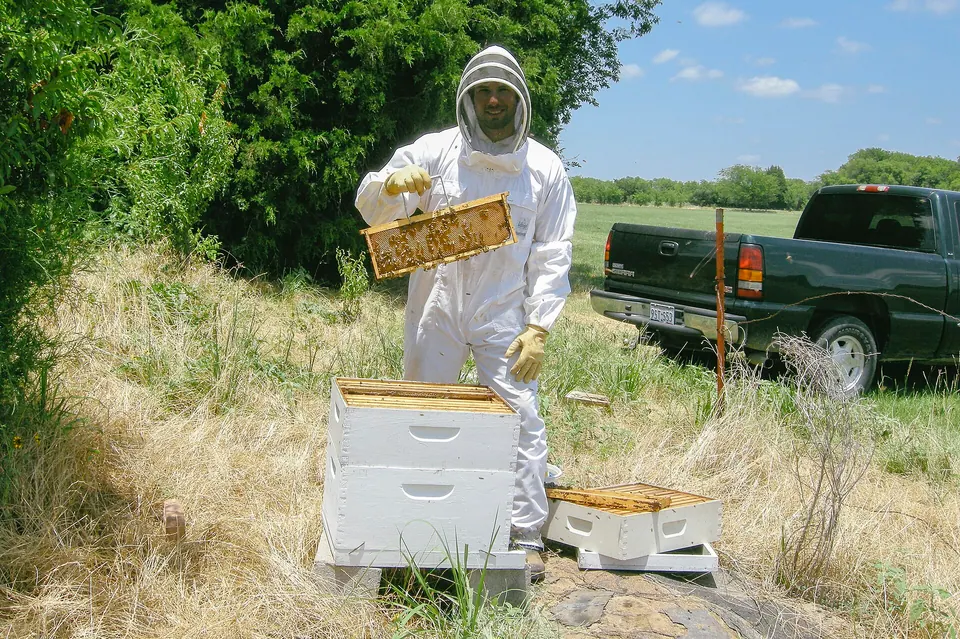
- The cost to start beekeeping depends on how many hives you run, which hive style you choose, and whether you start from a package or a nuc.
- Mississippi State University Extension’s one-hive example budget (P4136, 2025) totals $1,070.34 to establish a hive, plus $324.98 for honey-harvest gear.
- A 2022 MSU Extension article (updated August 2025) put start-up costs at $450–$550, so published estimates vary widely with scope.
- Use our shopping-list builder for an itemized list with quantities, then add today’s prices from your own suppliers.
- Costs people forget: a second hive, mite tests and registered treatments, sugar, and a harvest setup.
The cost to start beekeeping is easier to plan from a parts list than from a single number. Every first hive needs the same core items: boxes and frames, covers and a bottom board, bees, a feeder, a smoker, a hive tool and protective gear. What changes the total is how many hives you start, whether you buy assembled or flat-pack boxes, and whether you start from a package or a nuc.
We don’t publish product prices. They change too often and vary by seller and region. Instead, this guide gives you an itemized list with quantities, the published extension figures we could verify with a date, and the costs beginners tend to miss. Build your own list with the first-hive shopping list builder and type in what your suppliers charge today. The total is worked out in your browser and never sent anywhere.
What does a published extension budget say?
Extension services publish example budgets because the question comes up so often. The most detailed recent one we found is Mississippi State University Extension Publication P4136, Honeybee Hive Establishment Costs (2025). It builds a single 10-frame Langstroth hive with two deep brood boxes and two medium boxes, starts it from a nuc, and includes a suit, tools and first-year supplies.
Where the money goes in one extension budget
MSU P4136 one-hive establishment budget by category, US dollars, rounded
Two things stand out. First, the bees are only about a sixth of the budget; woodenware and accessories are the bigger share. Second, the scope of each estimate drives the gap between published figures. The 2022 article’s lower range covers a basic start, while P4136 includes a hive stand, a full suit, supplies and a miscellaneous line. Treat both as dated snapshots from one state, not as quotes for your area.
What do you need to buy? The itemized list
This is the list our builder starts from for one 10-frame Langstroth colony. Quantities follow a common starting setup: two deep boxes for the brood nest and two medium supers for honey, with a frame and foundation for every slot.
One 10-frame colony: what to buy and how often
| Item | Quantity per colony | One-time or recurring | Notes |
|---|---|---|---|
| Bottom board (screened or solid) | 1 | One-time | Screened boards help with mite-drop checks |
| Deep boxes | 2 | One-time | Brood nest |
| Medium supers | 2 | One-time | 8-frame setups usually use 3 |
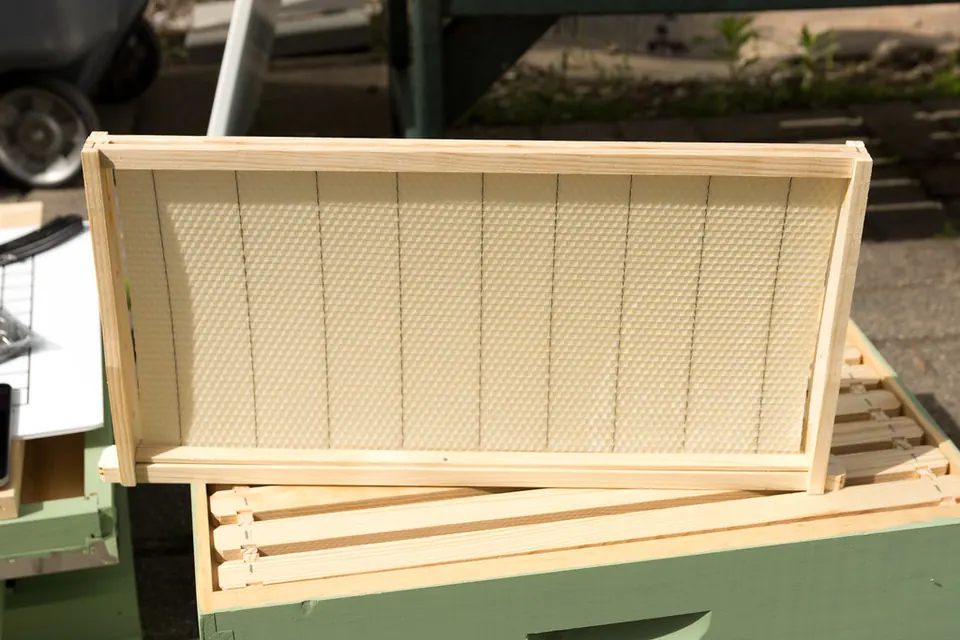
| Deep frames with foundation | 20 | One-time | 15 if you start from a 5-frame nuc |
| Medium frames with foundation | 20 | One-time | |
| Inner and outer cover | 1 each | One-time | Telescoping outer cover is standard |
| Entrance reducer / mouse guard | 1 each | One-time | Reducer for new colonies, guard for winter |
| Feeder | 1 | One-time | Top, frame or entrance style |
| Bees (package or nuc) | 1 | One-time (unless a colony dies) | From local or regional suppliers only |
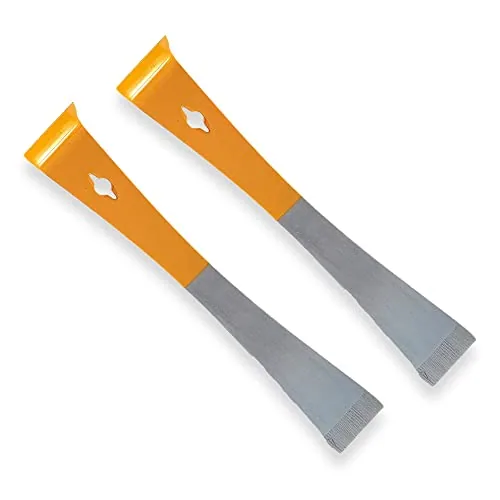
| Smoker, fuel, hive tool | 1 set per beekeeper | Fuel recurring | Shared across hives |
| Veil + suit or jacket, gloves | 1 per person | One-time | Fit matters more than features |
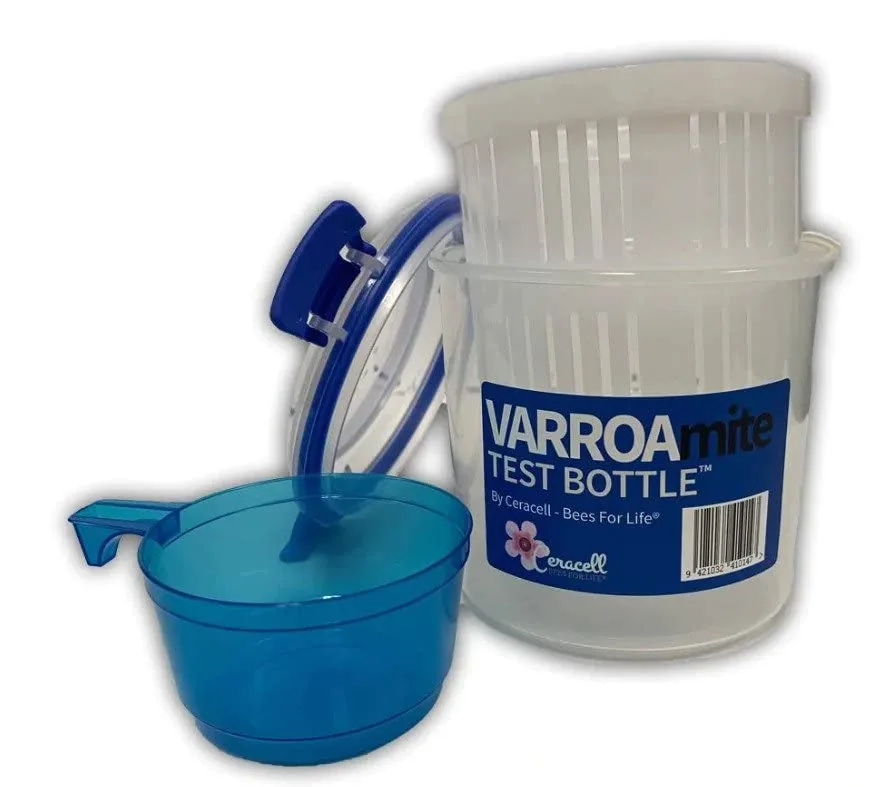
| Mite test jar | 1 per beekeeper | One-time | Alcohol or sugar method |
| EPA-registered varroa treatment | Per label | Recurring | Usually at least once a year |
| Sugar and pollen substitute | As needed | Recurring | New colonies and light hives |
| Harvest setup | 1 | One-time (or borrow) | Extractor, rented extractor, or crush and strain |
Source: Hive & Frame startup shopping list
First-hive shopping list builderSet your number of hives, hive style and bee source, and get the quantities for your setup. Add your own prices to see a total.How many frames and boxes does each setup need?
Frames are the line item people underestimate most, because every box needs a full set. Starting from a nuc saves frames, because the nuc arrives on its own drawn comb.
Frames to buy per colony
Deep plus medium frames, per our shopping-list setup
An 8-frame hive uses fewer frames per box but more boxes, so the frame count comes out about the same. What you save with 8-frame gear is weight per lift, not parts.
| Product | Size | Foundation | Count |
|---|---|---|---|
| Mann Lake WW906 Deep Rite-Cell Frames, Natural, 10 Pack | Deep, 9-1/8 in | Rite-Cell plastic, beeswax-coated | 10 (assembled) |
| POLLIBEE Deep Frames with Waxed Foundation, Yellow, 10 | Deep, 19 x 1-3/8 x 9-1/8 in | Beeswax-coated plastic, yellow | 10 (unassembled) |
| HiveSweet Deep Frames with Waxed Foundation, 20 Pack | Deep, 9-1/8 in | Beeswax-coated food-grade plastic | 20 (unassembled) |
| HiveSweet Medium Frames with Waxed Foundation, 10 Pack | Medium, 6-1/4 in | Beeswax-coated food-grade plastic | 10 (unassembled) |
Specs as listed by the maker or seller; check the listing before you buy.
Kit or piece by piece?
Starter kits bundle a hive with tools and sometimes a suit. They can save shopping time, but compare what is actually in the box with the list above. Many kits include a single deep box, so you still need a second deep, the supers and their frames. Few include a mite test jar.
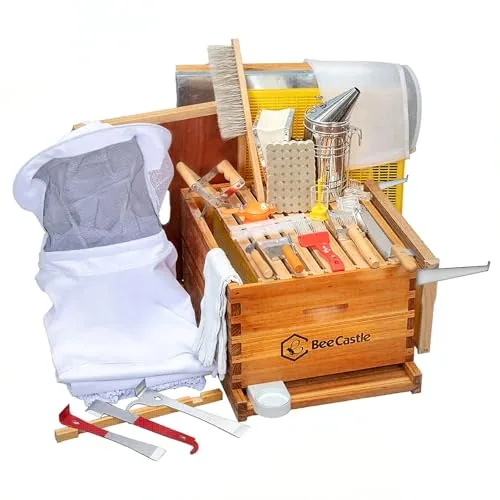
BeeCastle 10-Frame Starter Kit with Tools and Suit
- Frames
- 10 deep (unassembled)
- Boxes
- 1 assembled deep
- Material
- Cedar, pine frames
Best for One-order beginner setup
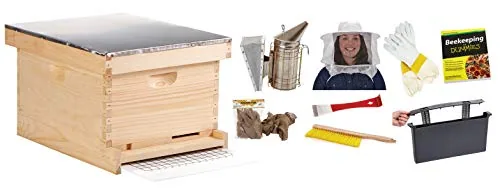
Little Giant 10-Frame Deluxe Beginner Hive Kit
- Frames
- 10 with waxed black plastic foundation
- Boxes
- 1 assembled deep
- Includes
- Gloves, veil, smoker, fuel, tools, feeder, book
Best for A complete first-season bundle
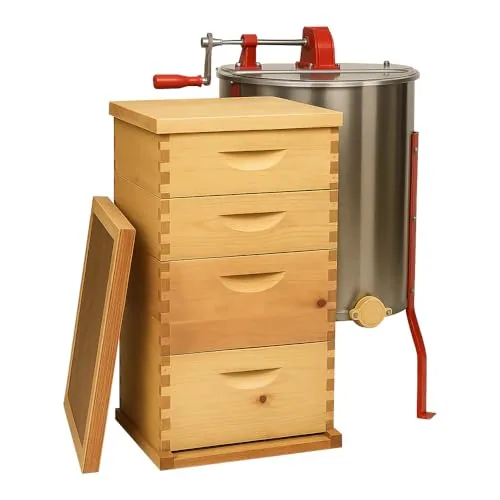
Goodland GLE4STACK Hive Kit with 2-Frame Extractor
- Frames
- 10 (30 frames)
- Boxes
- 2 deep, 1 medium
- Material
- Kiln-dried pine
Best for Hive-to-harvest in one purchase
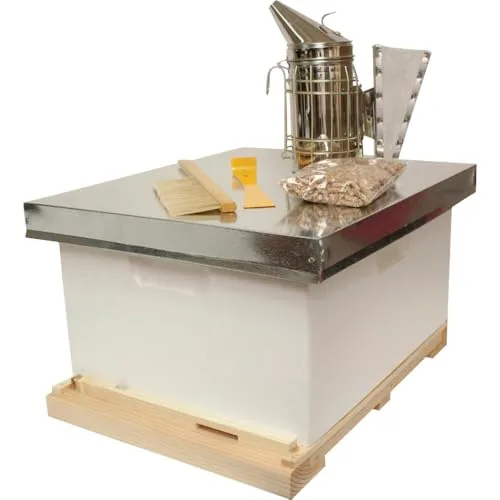
Harvest Lane Honey Beginner Beekeeper Kit
- Frames
- 10 with foundation
- Boxes
- 1 brood box
- Includes
- Hive tool, brush, smoker, pellets, inner cover, flat top
Best for Starting with one brood box
Buying piece by piece lets you pick each item, for example an assembled hive from one brand and a ventilated suit from another. Assembled, painted boxes cost more than flat-pack. Unassembled kits take an evening or two with glue, nails or screws and exterior paint, so factor in your time.
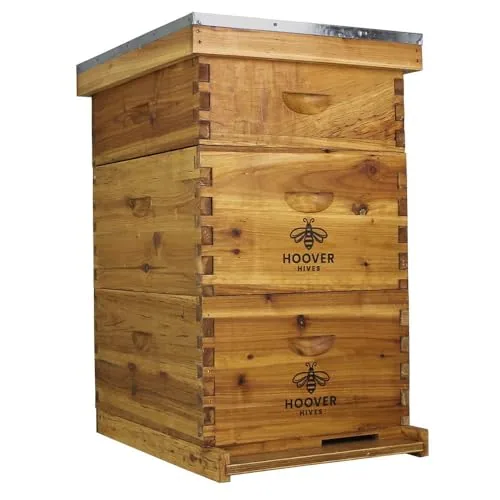
Hoover Hives 10-Frame Langstroth, Assembled, 2D+1M
- Frames
- 10 (30 NZ pine frames)
- Boxes
- 2 deep, 1 medium
- Material
- Fir exterior
Best for A ready-to-use full hive
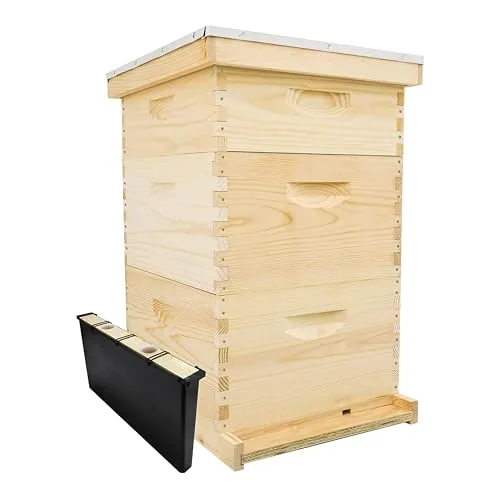
Mann Lake KD150 10-Frame Hive Kit, 2D+1M, Unpainted
- Frames
- 30 unassembled
- Boxes
- 2 deep, 1 medium
- Material
- Dovetail pine, made in USA
Best for DIY assembly and painting
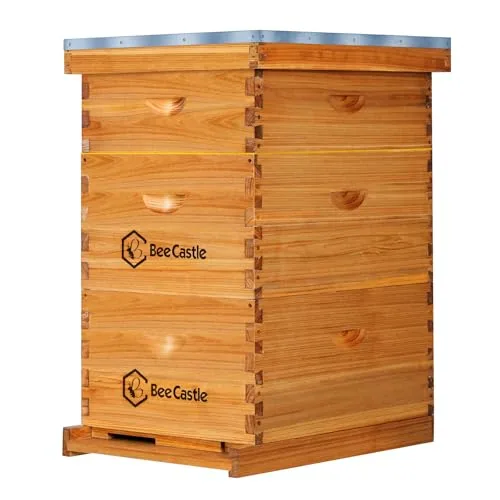
BeeCastle 10-Frame Waxed Langstroth Hive, 2D+1M
- Frames
- 10
- Boxes
- 2 deep, 1 medium
- Material
- Cedar boxes, pine frames
Best for A full-size first hive
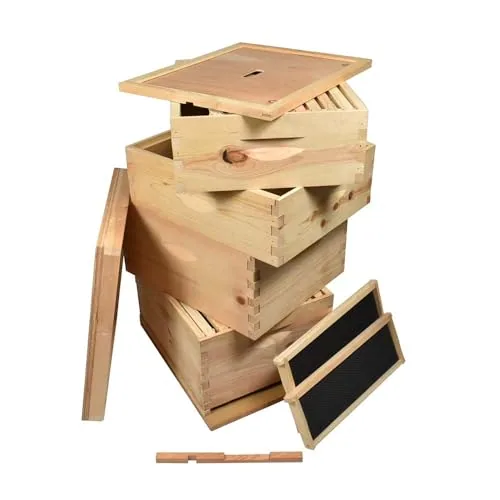
Goodland Bee Supply GL-2B2SK Double Deep Hive Kit
- Frames
- 10 (30 wooden frames)
- Boxes
- 2 deep, 1 medium
- Material
- Kiln-dried pine
Best for Building your own full hive
To compare actual kits and hives, see the best beekeeping starter kits, the best beehives for beginners and 8-frame vs 10-frame hives.
Where do first-year beekeeping costs hide?
- The second hive. Extension programs often suggest starting with two colonies. That nearly doubles the hive and bee lines, but not the tools or gear.
- Mite control. A test jar is a one-time buy. EPA-registered treatments are recurring, and the label sets how many doses each colony needs. Never swap in unregistered oxalic acid to save money; it is not a legal hive treatment.
- Feeding. New packages and nucs are fed syrup until they draw comb, and light colonies get fed again in fall. Sugar is a recurring cost.
- Replacement bees. If a colony dies over winter, you buy bees again. Good mite control is the cheapest insurance.
- Harvest gear. MSU lists harvest equipment separately for a reason. You can delay it: crush and strain needs only a bucket and a strainer, and many clubs lend or rent extractors.
- Registration and classes. Some states charge a small registration fee, and beginner classes are often paid. Check your state department of agriculture.
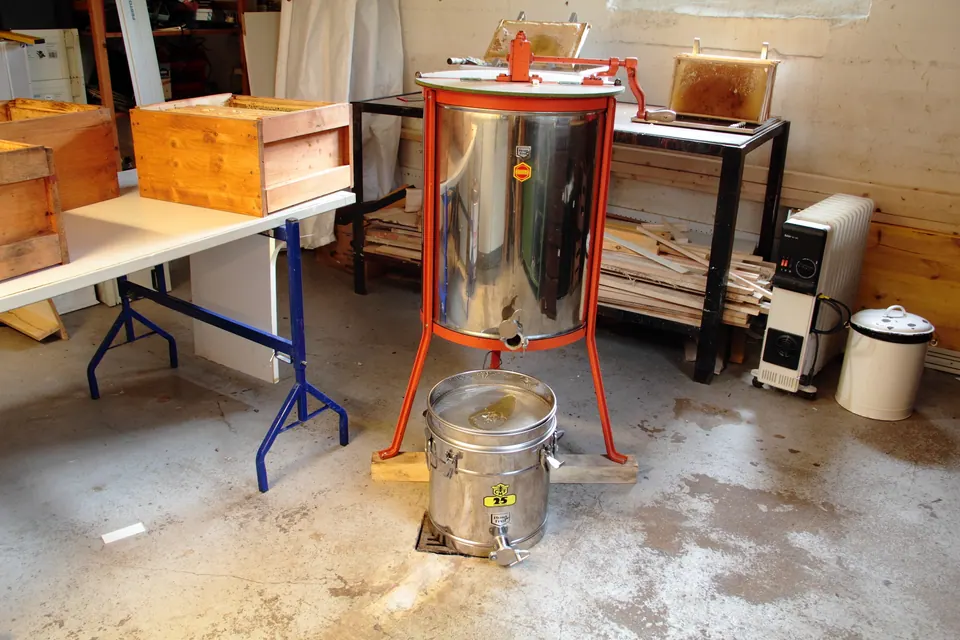
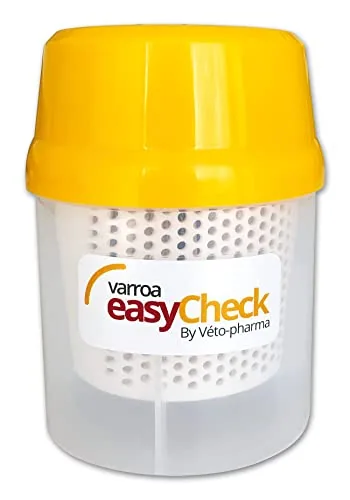
Foxhound Varroa Easy Check Mite Tester
- Type
- Mite tester
- Methods
- Alcohol wash, soapy water, sugar shake
Best for Regular mite counts
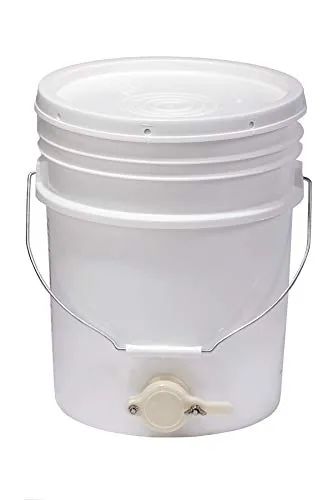
Little Giant 5-Gal Plastic Honey Bucket with Gate
- Gate
- Honey gate, tight lid
- Material
- HDPE plastic, metal handle
- Size
- 5 gallon
Best for Catching and bottling honey
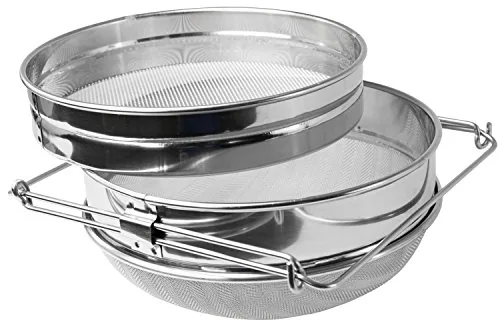
VIVO BEE-V101H Double Sieve Honey Strainer
- Material
- 201 stainless steel mesh
- Size
- 9 in bowl, arms to 15.5 in
- Mesh
- 1875 + 650 micron
Best for Straining before bottling
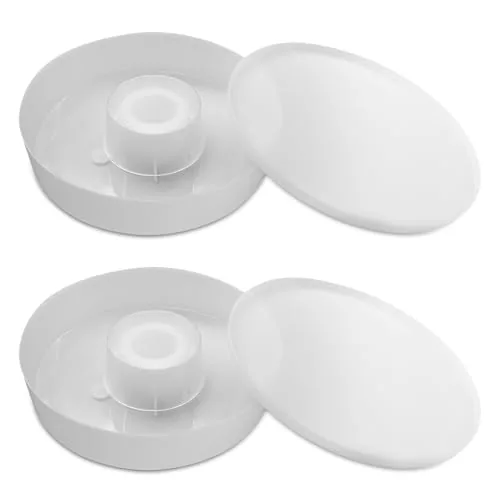
AOIT Rapid Round Hive Top Feeder, 1/2 Gal, 2 Pack
- Type
- Top feeder (round)
- Fits
- 8- or 10-frame
- Capacity
- 1/2 gallon each
Best for Simple syrup feeding
How to keep the cost to start beekeeping down
- Pick one hive format and stick to it
Matching boxes and frames let you move frames between colonies and buy in bulk. Mixing 8- and 10-frame boxes means two sets of everything.
- Buy the list, not the kit
Price a kit against the itemized list. If the kit leaves out the second deep, the supers or the frames for them, add those before you compare.
- Share the one-per-beekeeper items
You need one smoker, one hive tool and one mite test jar whether you have one hive or four.
- Delay the extractor
Most first-year colonies make little surplus. Borrow, rent or crush and strain before you buy. See how to extract honey.
- Protect the bees you buy
Count mites monthly with an alcohol wash and winterize properly. A colony that survives saves you buying bees again.
Mistakes that make beekeeping cost more
- Comparing kit prices without checking what is included.
- Buying a suit by your usual clothing size instead of the maker’s chart, then replacing it.
- Buying an extractor in year one, before you know how much honey you will have.
- Skipping mite counts and losing the colony over winter.
- Starting with one hive, losing the queen, and having no frame of eggs to rescue it.
Who should budget for what?
- Hobbyist, one or two hives: the itemized list, two colonies if you can, crush and strain for the first harvest. Start at your first hive.
- Planning to sell honey: add harvest and bottling gear later, once you know your yields. See selling honey.
- Cold-winter regions: budget for mouse guards, moisture control and possibly wraps or insulated boxes. See bee health and feeding.
- Families: extra veils and properly sized kids’ suits. See kids and family.
There is no single honest number for the cost to start beekeeping. Published extension figures range from $450–$550 (MSU, 2022, updated 2025) to $1,070.34 for a fully equipped one-hive budget (MSU P4136, 2025), before harvest gear. Your own total depends on hive count, format and bee source. Build the list with quantities first, price it with your local suppliers, and keep money aside for mite control and feeding.
Questions
What is the cost to start beekeeping with one hive?
Is it cheaper to start with a package or a nuc?
Are beekeeping starter kits worth it?
What are the yearly costs after the first year?
Do I need an extractor in year one?
Why doesn’t Hive & Frame list prices?
Sources
- Mississippi State University Extension P4136: Honeybee Hive Establishment Costs (2025)
- MSU Extension: Beekeeping requires planning, patience (Jan. 19, 2022; updated Aug. 8, 2025)
- Mississippi State University Extension P4124: economic considerations for honey production (2026)
- Oklahoma State University Extension: Beekeeping multiproduct costs and break-even calculations
- Penn State Extension: Installing packaged bees