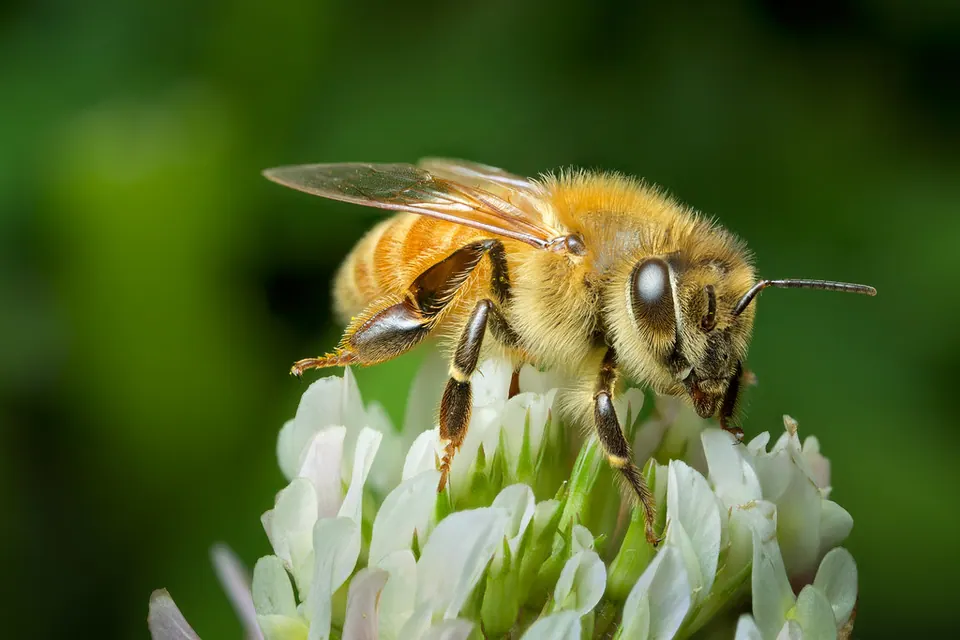
- This beekeeping calendar splits the US into six regions, because nectar flows and dearths follow region, not USDA hardiness zone.
- Every region shares the same arc: order bees in winter, build up and control swarms in spring, harvest after the main flow, knock mites down in late summer, then winterize.
- The dates move a lot: the Deep South installs bees and supers up weeks before the Northeast, and Florida has almost no winter at all.
- Mite checks use the HBHC 9th-edition thresholds (June 2026): 1% in the dormant and increase phases, 2% at peak and decrease.
- The full 12-month calendar is at /seasonal-calendar/, and the seasonal checklist lets you tick tasks off for your region.
A beekeeping calendar is only useful if it matches your region. A task list written for Pennsylvania will have you adding supers a month late in Georgia and opening hives in a Minnesota March. That is why our calendar uses six US beekeeping regions, each adapted from the extension calendars written for it: UF/IFAS for Florida, Mississippi State and the University of Arkansas for the Deep South, central North Carolina for the Mid-Atlantic and Upper South, Penn State, Cornell and the University of Minnesota for the Northeast and Upper Midwest, the University of Arizona for the Southwest, and Utah State and Oregon State for the Pacific Northwest and Mountain West.
The module below shows this month’s focus and tasks for each region; pick yours. For all 12 months side by side, open the full seasonal calendar. To tick tasks off as you go, use the seasonal checklist, which remembers your region and progress in this browser.
What should you do in your hives this month?
Cold winters, one main summer flowTuck colonies in and stop opening hives
Short winters, big April-May flow, July dearthTuck colonies in with 60 lb or more of honey
Early spring flow, long hot dearth, fall goldenrodBrood shrinks; robbing risk returns
No real winter, citrus spring flow, fall pepper flowMild-weather checks and stores
Mild winters, early spring flow, brutal summer heatWinterize at higher elevations
Wet or snowy winters, June flow, short seasonHands off: bees cluster below about 57°F
General guidance adapted from extension calendars. Timing varies with local forage, elevation and each year's weather; follow your local association and state apiarist. Full calendar and sources.
Timing in every region shifts with local forage, elevation and each year’s weather. Use the calendar as a starting point and adjust it with your local association. Its members know when your flows really start.
Which beekeeping region are you in?
The six regions in our beekeeping calendar
| Region | States | Season in one line |
|---|---|---|
| Northeast & Upper Midwest | ME, NH, VT, MA, RI, CT, NY, PA, OH, MI, IN, IL, WI, MN, IA, ND, SD, NE | Cold winters, one main summer flow |
| Mid-Atlantic & Upper South | NJ, DE, MD, DC, VA, WV, NC, KY, TN, MO, KS, AR, OK | Short winters, big April–May flow, July dearth |
| Deep South & Gulf Coast | SC, GA, AL, MS, LA, TX | Early spring flow, long hot dearth, fall goldenrod |
| Florida & subtropical | FL, HI | No real winter, citrus spring flow, fall pepper flow |
| Southwest & California | AZ, NM, NV, CA | Mild winters, early spring flow, brutal summer heat |
| Pacific NW & Mountain West | WA, OR, ID, MT, WY, CO, UT, AK | Wet or snowy winters, June flow, short season |
Source: Hive & Frame seasonal calendar
A few states sit on the edge. Texas is in the Deep South group because most Texas hives are in the humid east; far West Texas should also read the Southwest calendar. California is grouped with the Southwest for its mild winters and dry summers, though the foggy coast and northern mountains run later. Alaska sits with the Pacific Northwest and Mountain West, but expect every spring and summer task to run several weeks later. Hawaii is with Florida because colonies rear brood most of the year; check with the Hawaii Department of Agriculture’s apiary program for island-specific timing.
How does the beekeeping year differ by region?
The same milestones arrive at very different times. This table pulls the key months from each regional calendar.
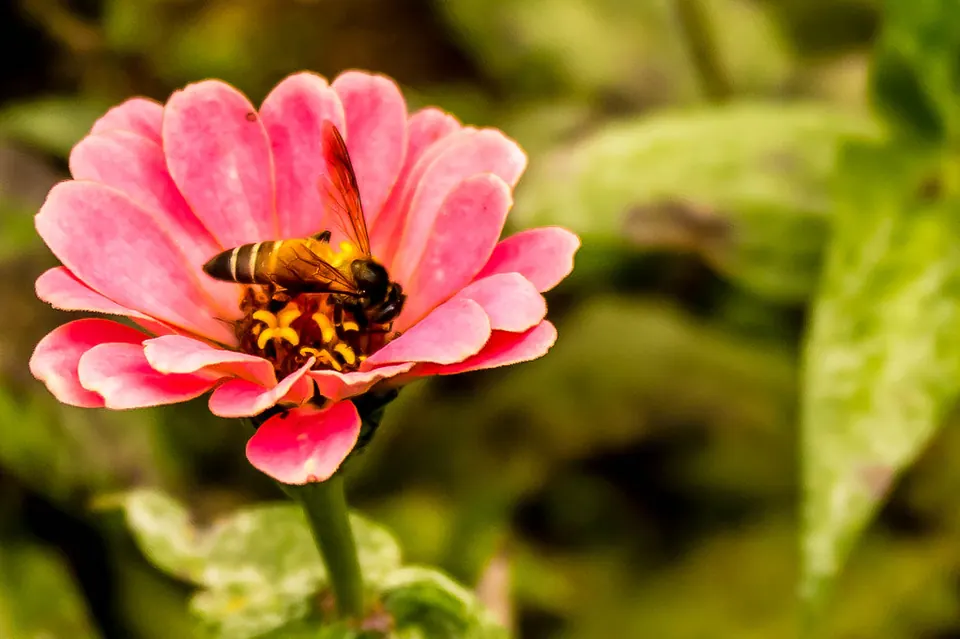
Key milestones by region
| Region | Order bees | Swarm season | Main harvest | Mite control is urgent | Winterize |
|---|---|---|---|---|---|
| Northeast & Upper Midwest | Dec–Jan | May–June | July | August | October |
| Mid-Atlantic & Upper South | January | March–May | June–mid-July | August | October–November |
| Deep South & Gulf Coast | Early January | March–May | June–mid-July | July (after harvest), September | October–November |
| Florida & subtropical | Dec–Jan | March–May | Late April (south), June–July | July (after supers off), Aug–Sept peak | No real winter; feed light hives |
| Southwest & California | January | March–April | May (before the heat) | August | November (higher elevations) |
| Pacific NW & Mountain West | Dec–Jan | May–June | July | August | October |
Source: Hive & Frame seasonal calendar, adapted from regional extension calendars
Honey to leave for winter, by region
Lower end of the store target in each regional calendar, lb per colony
Florida and the low desert don’t have a single store target in their calendars. Colonies there rear brood most of the year, and the risk is a summer or fall dearth rather than a long winter, so the advice is to heft hives and feed light colonies whenever forage fails.
The beekeeping calendar, season by season
Winter: rest, heft and order
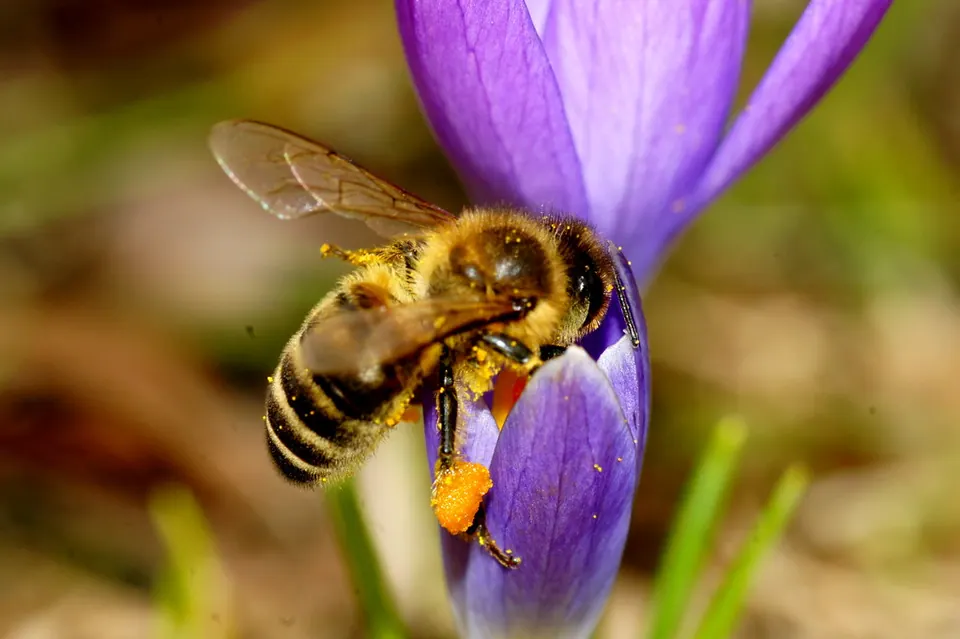
In cold regions, leave the cluster alone. Heft the back of each hive every few weeks, and if one feels light, lay fondant or dry sugar over the cluster on a calm day. Clear dead bees and ice from entrances. This is also when you order packages and nucs, build boxes, and review last year’s records. If colonies are broodless, some calendars note that a winter mite treatment with an EPA-registered product, used per its label, can clean up remaining mites.
Late winter and early spring: the starvation months
Brood rearing restarts weeks before forage is reliable, so stores disappear fast. The Northeast calendar warns that most starving colonies die in March. Keep feeding solid sugar or fondant, then syrup once it is warm enough. Start mite checks as brood expands.
Spring: build-up and swarm season
Do your first full inspection on a warm day: queen or eggs, brood pattern, stores and any signs of disease. Install packages and nucs. Then inspect every 7–14 days for queen cells, give room before the bees need it, and split strong colonies. Our swarm prevention guide covers the methods.
Main flow: keep supers ahead
Add a super when the one below is mostly full, so honey doesn’t crowd the brood nest. Keep up monthly mite washes and compare them with the HBHC peak-population threshold.
Summer: harvest and dearth
Pull capped supers as the flow ends and extract within a few days to avoid small hive beetle damage. Check moisture before bottling. As nectar dries up, reduce entrances, keep inspections short and watch for robbing. See how to extract honey.
Late summer: protect the winter bees
This is the most important month for mites. Winter bees are raised in late summer and early fall, and they must develop with low mite loads. Wash, treat with an EPA-registered product if over threshold, and re-test two to three weeks later.
Fall: stores and winter prep
Weigh or heft every hive and feed 2:1 syrup to any that are short of the regional target. Remove empty supers and excluders, fit mouse guards and entrance reducers, and manage moisture. Our winterizing guide walks through it.
When should you check for mites?
Every regional calendar marks a mite wash about monthly from spring build-up into fall, with extra emphasis right after the honey comes off and again in late summer. The thresholds below come from the Honey Bee Health Coalition’s 9th edition (June 11, 2026). Several of the source calendars predate it and still cite 2–3%, so we use the newer numbers.
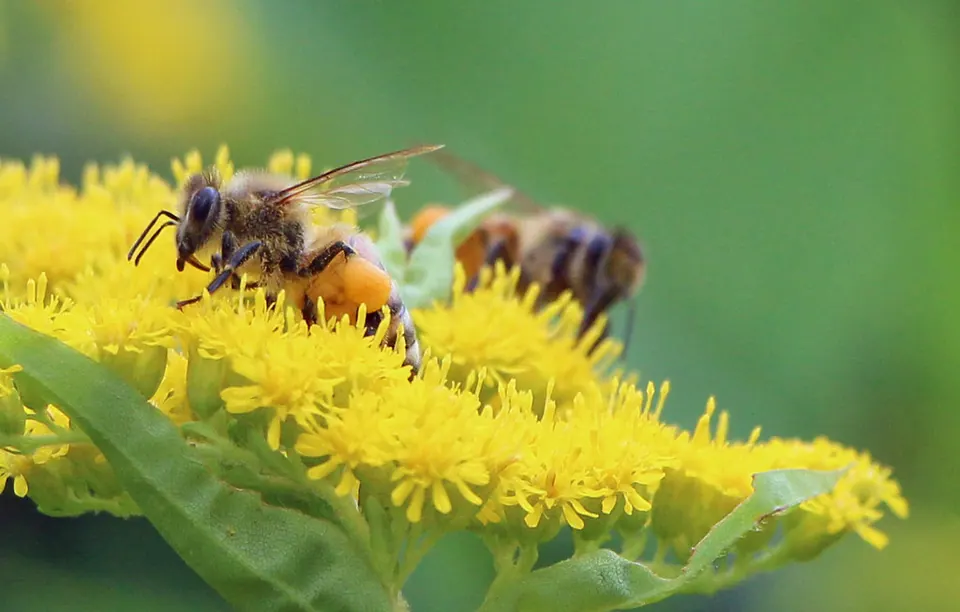
Varroa thresholds by colony phase (mites per 100 adult bees), HBHC 9th edition
| Colony phase | Immediate control not needed | Promptly control |
|---|---|---|
| Dormant Little or no brood; winter cluster (sample just before clustering) | ✓ below 1% | ✗ 1% or more |
| Population increase Late winter to spring build-up, brood expanding | ✓ below 1% | ✗ 1% or more |
| Peak population Summer, colony at full size, supers often on | ✓ below 2% | ✗ 2% or more |
| Population decrease Late summer to fall, brood rearing slowing | ✓ below 2% | ✗ 2% or more |
Source: Honey Bee Health Coalition, Tools for Varroa Management, 9th edition (June 11, 2026), Table 1. Thresholds can vary by region; ask your state apiarist.
Varroa mite threshold calculatorEnter your count and sample size to see mites per 100 bees against the HBHC threshold for this point in the season.For the method, see how to do an alcohol wash. For treatment options by season, see the varroa mite treatment guide.
What gear does each season call for?
- Winter: stores and entrances
Fondant or a candy board for light hives, mouse guards for entrances.
- Spring: feeding and room
Feeders for new colonies and splits, and boxes or supers ready before the flow.
- Swarm season: bait hives and lures
A nuc box or bait hive and a swarm lure.
- Harvest: moisture and bottling
A refractometer to check honey before bottling, and a bucket with a honey gate.
- Late summer: mite tests
A wash jar for monthly counts.
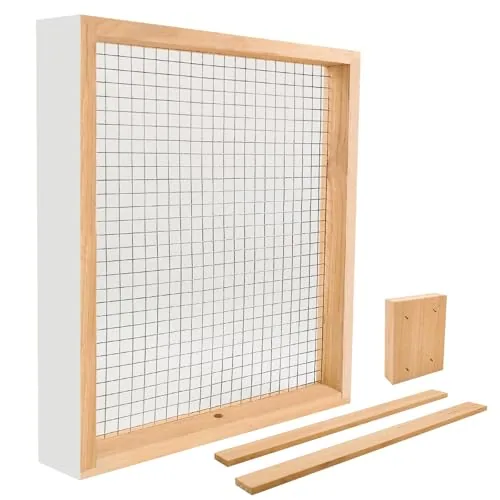
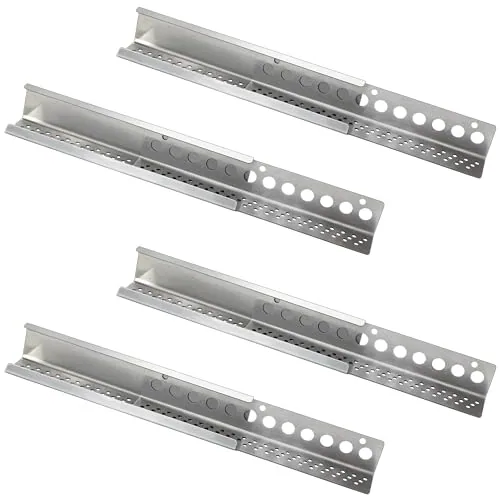
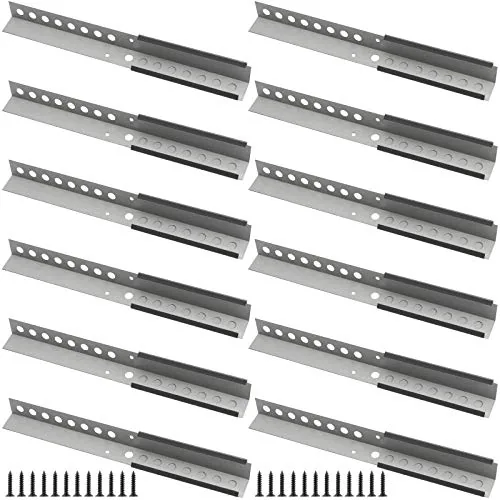
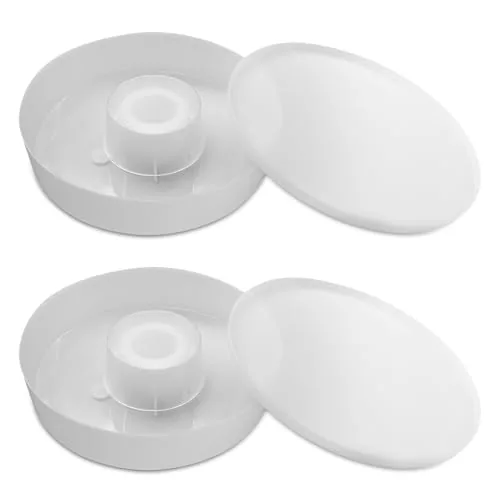
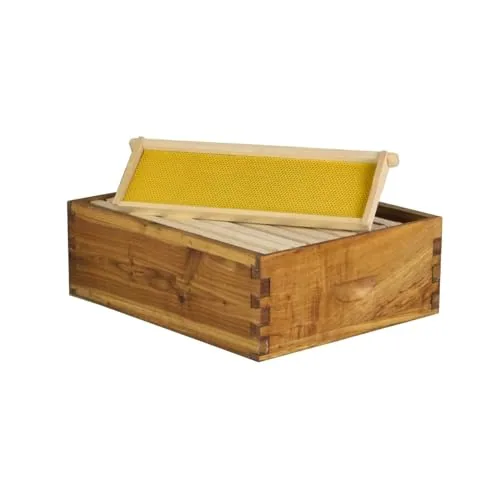
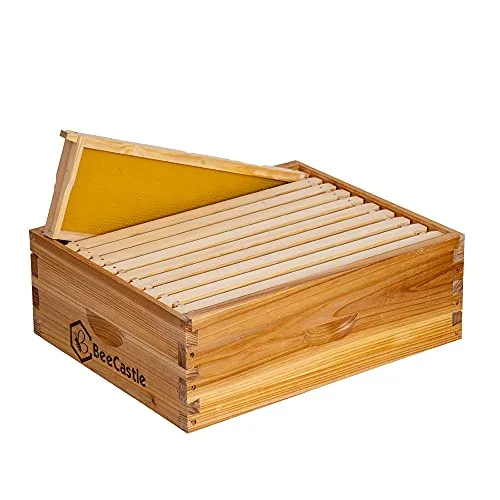
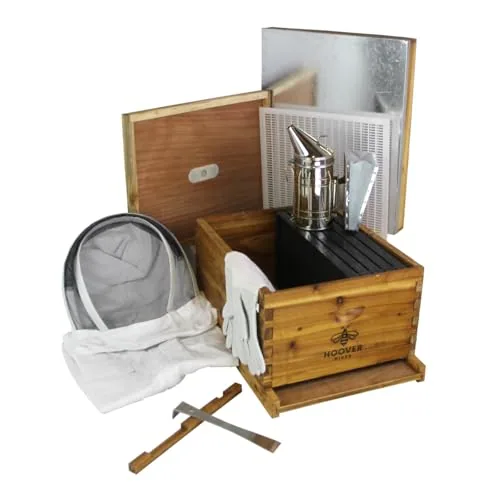
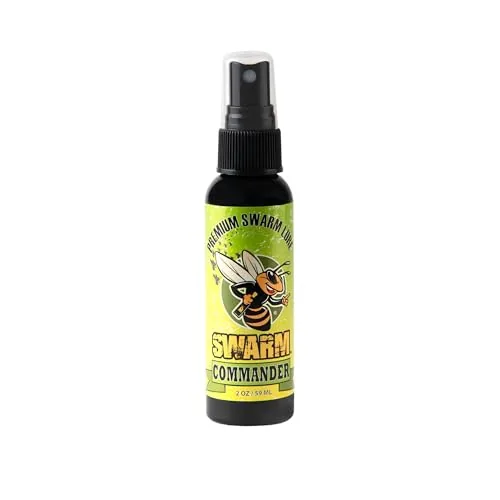
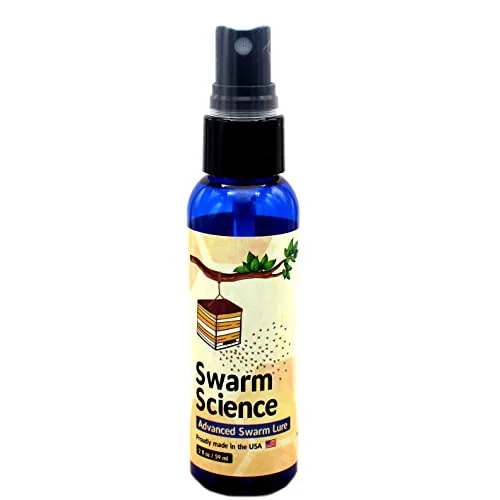
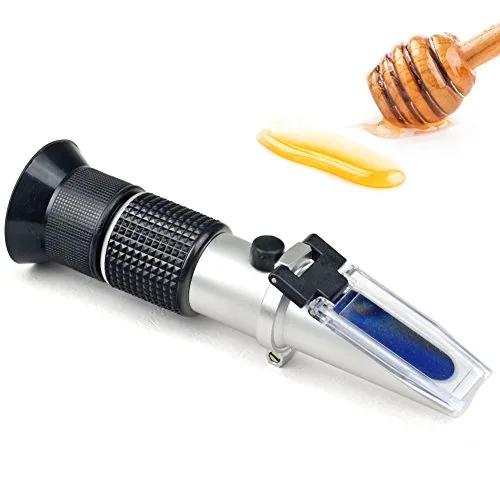
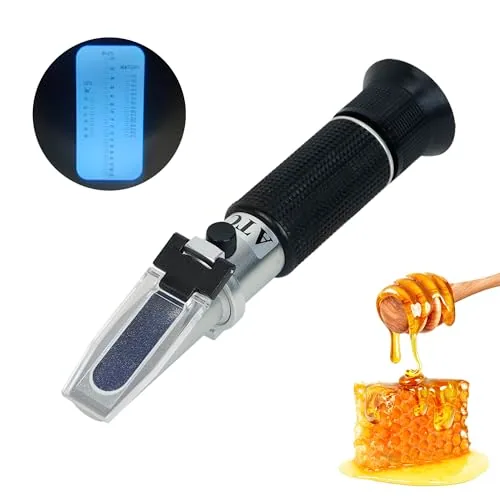
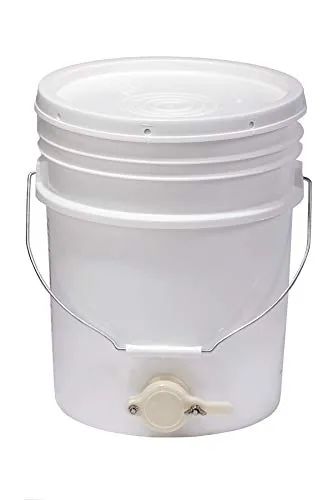
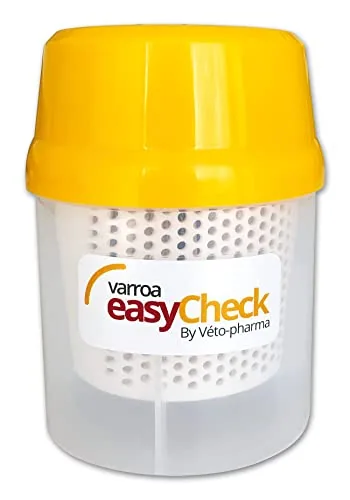
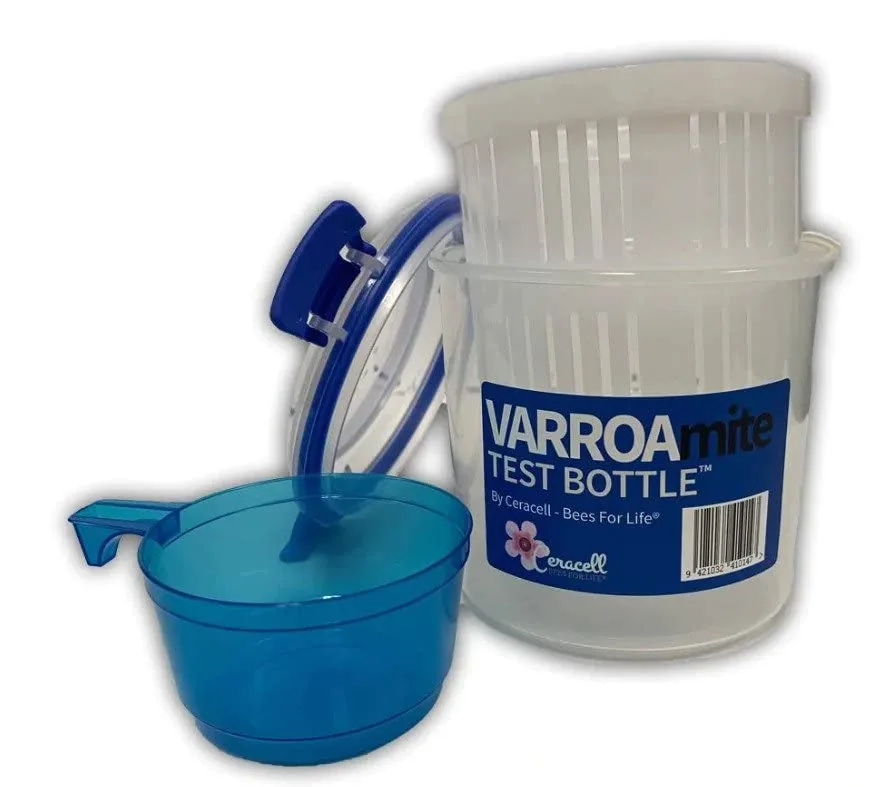
Season by season, the gear pages that matter most are swarm traps in spring, honey extractors in summer, registered varroa treatments after harvest and insulated hives and wraps for winter.
Common calendar mistakes
- Using a calendar from another region. A month off is the difference between catching the flow and missing it.
- Going by hardiness zone. Zones measure winter lows, not nectar flows. Two places in the same zone can have very different seasons.
- Treating mites late. By the time winter bees are emerging, it is too late to protect them.
- Feeding syrup in the cold. Northern calendars say to stop syrup before highs fall below about 50°F; switch to solid sugar.
- Opening hives in winter. Heft and listen instead.
Who should follow which calendar?
- New beekeepers: pick your region in the module above, then print the checklist for your apiary. Start at your first hive.
- Cold-winter beekeepers: focus on the August–October tasks; that is where winters are won or lost. See winter prep.
- Swarm catchers: bait hives go out in February in the Mid-Atlantic and April–May in most other regions. See swarm season.
Use a beekeeping calendar built for your region, not your zone. The arc is the same everywhere: winter rest and orders, spring build-up and swarm control, harvest after the main flow, urgent mite control in late summer, and fall stores and winter prep. The months differ by up to two months between regions. Pick your region in our seasonal calendar, check mites against the HBHC 9th-edition thresholds, and adjust with your local club.
Questions
What is a beekeeping calendar?
When should I start beekeeping in the year?
What month do you harvest honey?
When should I treat for varroa mites?
Why not use USDA hardiness zones?
How much honey does a hive need for winter?
Sources
- Penn State Center for Pollinator Research: Honey Bee Management Throughout the Seasons
- Cornell CALS: Beekeeping calendar for the Northeast
- University of Minnesota Bee Lab: Beekeeping in Northern Climates, 3rd ed. (Aug. 2026)
- Calendar for Beekeeping in Central North Carolina (updated Dec. 2023)
- University of Arkansas Cooperative Extension: Beekeeping calendar
- Mississippi State University Extension P4053: Mississippi Beekeeping Calendar
- UF/IFAS EDIS IN848: Florida Beekeeping Management Calendar
- University of Arizona: Fall and Winter Management of Honeybees in Arizona (AZ2019)
- Utah State University Extension: Beekeeping annual calendar
- Honey Bee Health Coalition: Tools for Varroa Management, 9th edition (June 11, 2026)