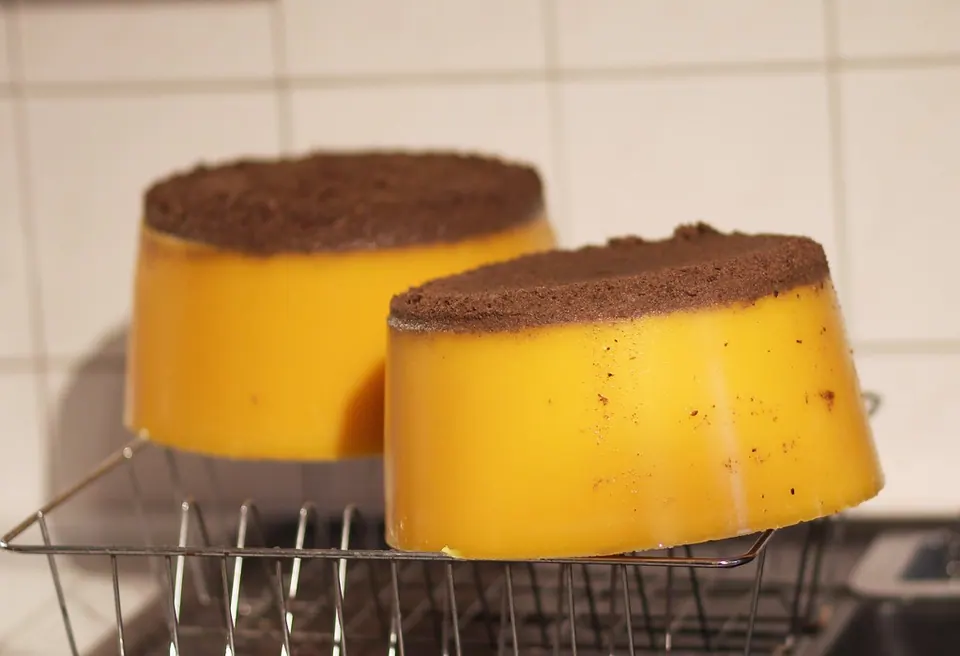
- To render beeswax, you melt wax with water, let dirt and cocoons separate, strain it and cool it into blocks.
- Cappings give the lightest, cleanest wax. Old brood comb yields less and darker wax because of cocoons and debris.
- Always melt wax with indirect heat (a water jacket or a thermostat-controlled melter), never over an open flame, and never leave it alone.
- Do not render or reuse comb from a colony you suspect had American foulbrood; contact your state apiarist first.
Knowing how to render beeswax turns a by-product of every honey harvest into something you can use or sell: candle wax, lip balm, wood polish or foundation trade-in. The idea is simple. Wax floats on water and melts at a temperature well below boiling, so warm water carries the heat gently while dirt, honey and cocoons sink or stay behind in a strainer.
This guide covers where your wax comes from, the main melting methods and their trade-offs, a step-by-step process, and the safety rules that matter most. Equipment specs are taken from maker listings in our catalogue; we did not melt wax in these units.
Where does beeswax come from in a backyard apiary?
Most hobby wax comes from three places, and each behaves differently in the pot.
Common sources of beeswax for rendering
| Source | What it looks like | What to expect when you render it |
|---|---|---|
| Cappings from extraction | Pale yellow, sticky with honey | ✓ Cleanest, lightest wax; wash out honey first |
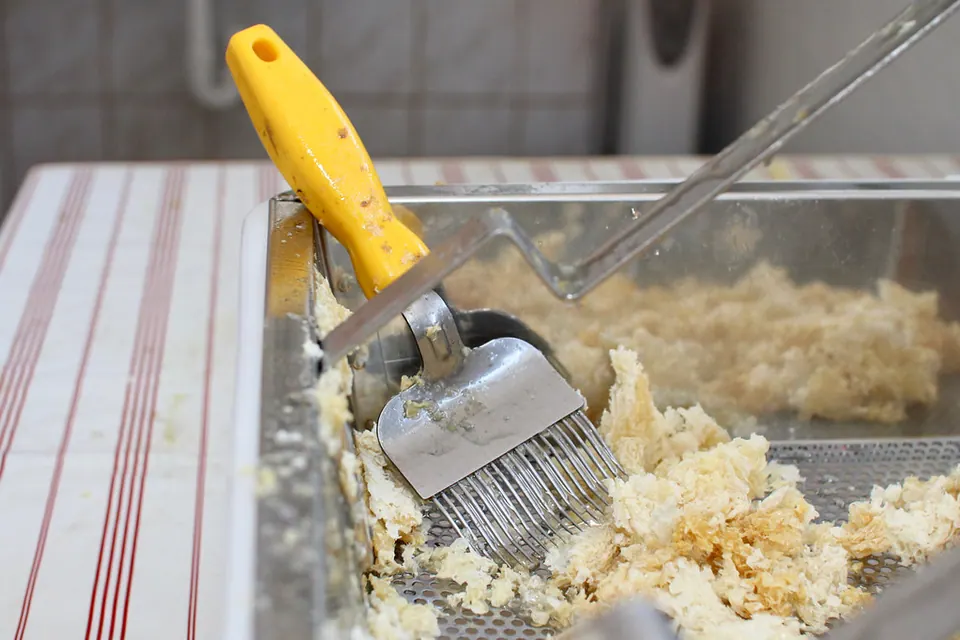
| Burr and brace comb | Bits scraped from frames and box edges | ~ Mixed color; some propolis and debris |
| Old brood comb | Dark brown to black, heavy | ✗ Much less wax per pound, dark color; cocoons hold wax back |
| Comb from a dead-out | Varies | ~ Find out why the colony died before you render or reuse it |
Cappings are the prize. They are new wax the bees made to seal ripe honey, so they melt clean and light. Old brood comb is mostly cocoons and pupal skins by the time it turns black; you will get a smaller, darker cake and a lot of residue (often called slumgum).
Which rendering method should you use?
There is no single best method; it depends on how much wax you have and how clean you need it. Here is how the common options compare.
Ways to render beeswax
| Method | Best for | Pros | Cons |
|---|---|---|---|
| Water bath in a pot, then strain | Small batches of cappings | ✓ Cheap; water limits the temperature | ~ Messy; needs a dedicated pot |
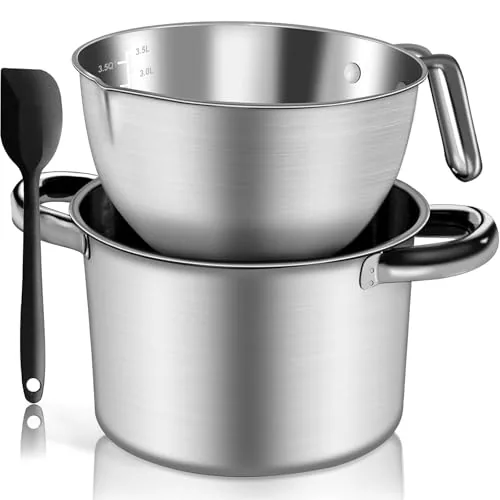
| Double boiler | Re-melting and filtering clean wax | ✓ Gentle, indirect heat | ~ Small capacity |
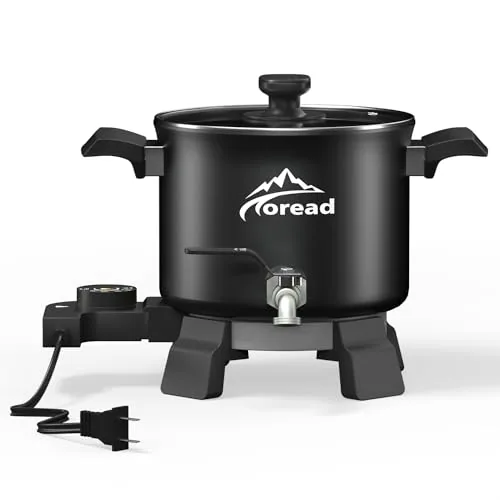
| Electric wax melter with thermostat | Regular batches, candle making | ✓ Set temperature, pour spout | ~ Cost; dedicated to wax |
| Solar wax melter (DIY or dealer) | Slow, hands-off melting in summer | ✓ No fuel, no flame | ~ Weather-dependent; none in our catalogue |
| Steam or hot-water press | Large volumes of old comb | ✓ Gets more wax out of dark comb | ✗ Specialist equipment |
For a few hives, a water bath plus a double boiler for the final filter covers everything. If you render after every harvest or plan to make candles to sell, a temperature-controlled melter with a spout saves time and makes pouring safer.
| Product | Capacity | Power | Temperature |
|---|---|---|---|
| Marsheepy 3.1 Qt Double Boiler with 4.5 Qt Pot | 3.1 qt insert | Stovetop (no electric) | — |
| Bienslys 1.6 Qt Digital Wax Melter, 90–300°F | 1.6 qt | 600W | 90–300°F |
| TOREAD 5.28 Qt Electric Wax Melter, 1200W | 5.28 qt | 1200W | 158–300°F |
| OFFNOVA 6 L Wax Melter with Heated Spout | 6 L | — | 122–212°F |
| Yuuchail 7 Qt Wax Melter with Digital Display | 7 qt | — | 68–302°F |
| VOISEN 8 Qt Electric Wax Melter, Temp Control | 8 qt (7.6 L), up to 12 lb wax | Electric, adjustable temperature | — |
| FOHERE 20 lb Wax Melter with Temp Control | 20 lb | 1100W | 131–250°F |
Specs as listed by the maker or seller; check the listing before you buy.
Melter capacity in our catalogue
Quarts as listed; liters converted at 1 L = 1.057 qt; 20 lb units listed by wax weight
How to render beeswax step by step
This is the basic water-bath method. It works for cappings and, more slowly, for old comb.
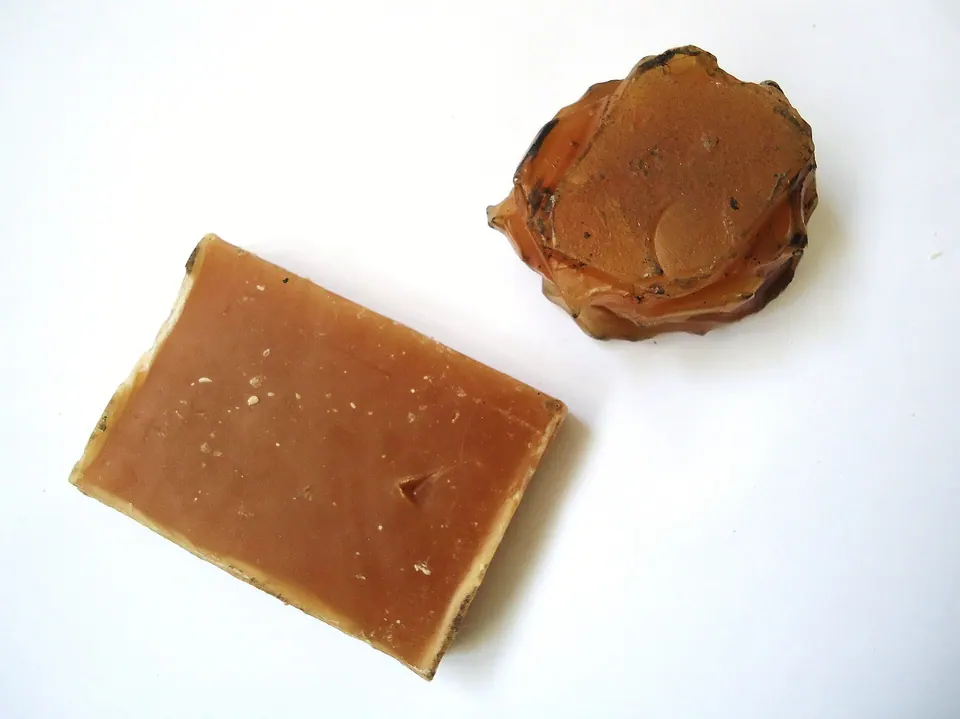
- Drain and wash the cappings
Let cappings drain over a strainer to recover honey, then soak them in cool water and rinse until the water runs clear. Leftover honey scorches, darkens wax and attracts bees and ants.
- Break up old comb
Crush dark comb into small pieces and soak it overnight in water. Soaking loosens debris and helps wax float free.
- Melt over water, never dry
Put wax and plenty of water in a dedicated pot or melter and warm it until the wax is fully liquid. Keep the heat moderate and stir now and then. Do not let the water boil hard or boil dry.
- Strain into a container with warm water
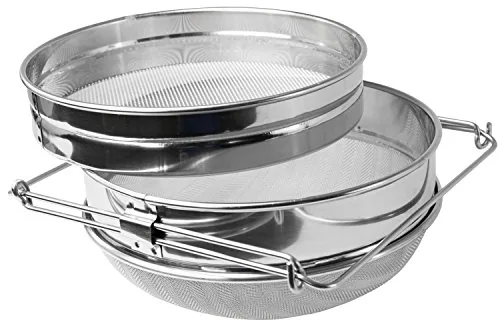
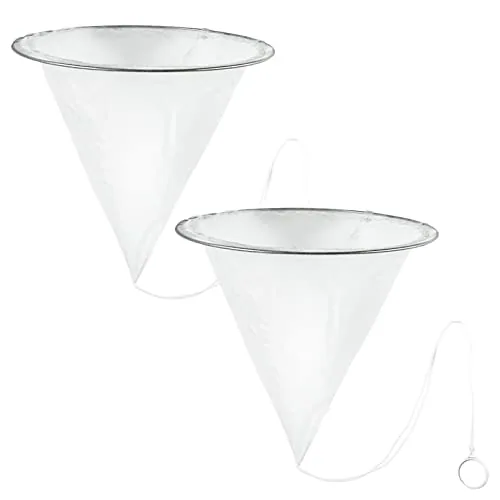
Pour through a nylon strainer bag, cheesecloth or an old cotton T-shirt into a container that already has a few inches of warm water. Dirt stays in the cloth; wax and water pass through.
- Let it cool slowly
Cover the container and leave it overnight. Slow cooling gives a solid cake with fewer cracks. The wax floats; fine dirt settles at the water line.
- Scrape the bottom and re-melt to clean further
Lift out the cake and scrape off the darker, soft layer underneath. For candle-quality wax, re-melt the block in a double boiler and filter it again through finer cloth or paper towel.
- Mold into blocks and label
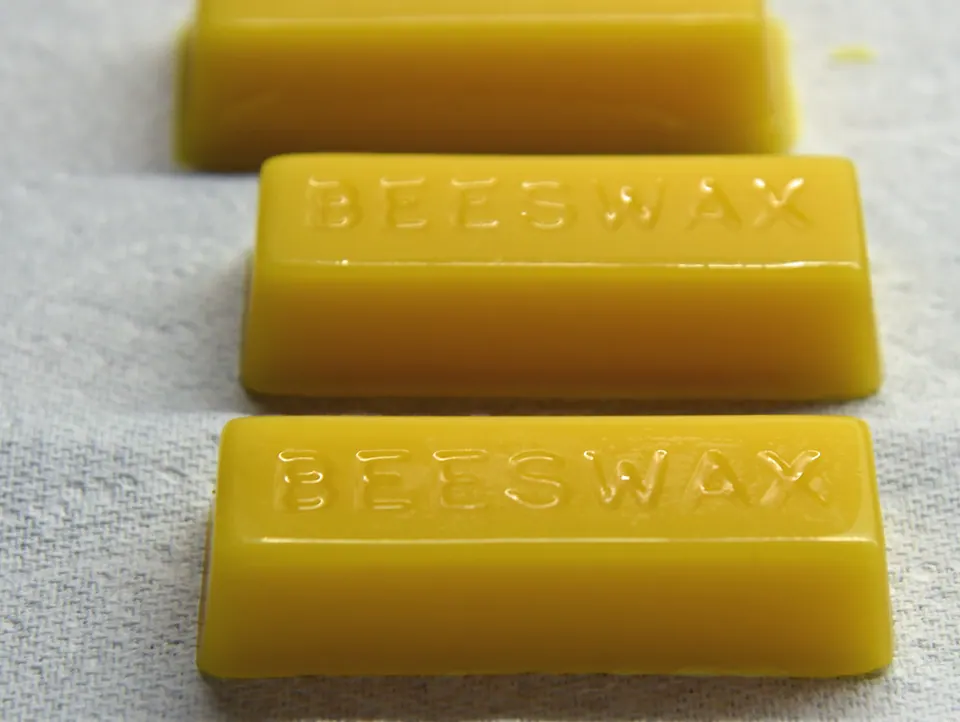
Pour the clean wax into silicone molds or lined containers. Label each block with the source (cappings or brood comb) and the date.
How do you render beeswax safely?
Beeswax is a fuel. Melted wax that gets too hot can smoke and ignite, and hot wax causes serious burns. These rules matter more than the method you choose.
- Work outdoors or in a well-ventilated space, on a stable, level surface.
- Keep children and pets away from the melting and pouring area.
- Use dedicated pots, ladles and strainers. Wax is very hard to clean off kitchen gear.
- Wear heat-resistant gloves and long sleeves when pouring.
- On electric melters, start with the lowest setting that melts the wax. Listed maximums go high (300°F on the TOREAD and Bienslys, 302°F on the Yuuchail), far hotter than wax needs.
- Keep water out of hot, wax-only melters; a splash of water into very hot wax can spatter.
What to do with slumgum and wash water
The dark residue left in the strainer still holds some wax. Many beekeepers use dried slumgum as fire-starter (outside, never as smoker fuel near bees) or add it to compost. Wash water from cappings carries honey; dispose of it where bees cannot reach it, because exposed honey and sweet water can start robbing in your apiary.
Do not feed wash water or honey from unknown colonies back to bees. Honey can carry disease spores between colonies.
Mistakes to avoid
- Melting cappings without washing out the honey first; the wax darkens and smells scorched.
- Using direct heat or letting the water bath boil dry.
- Pouring hot wax down a drain. It sets in the pipes.
- Mixing cappings wax with dark brood-comb wax when you want light wax for candles.
- Rendering comb from a dead-out without checking for American foulbrood signs.
- Cooling the cake too fast in a cold garage; it cracks and traps water.
Who should choose which setup?
- One or two hives, cappings only: a dedicated pot plus a stovetop double boiler like the Marsheepy, and a nylon strainer bag.
- Several hives or regular candle making: an electric melter with a thermostat and pour spout, such as the TOREAD, OFFNOVA 6 L or Yuuchail.
- Selling wax products: a larger temperature-controlled unit (the VOISEN lists up to 12 lb of wax; the FOHERE and VEVOR list 20 lb) plus a separate double boiler for final filtering.
- Lots of old comb: consider a steam extractor from a bee-supply dealer or swapping old comb for new foundation at a supplier.
Marsheepy 3.1 Qt Double Boiler with 4.5 Qt Pot
- Capacity
- 3.1 qt insert
- Power
- Stovetop (no electric)
- Material
- 304 stainless steel
Best for Gentle stovetop wax melting
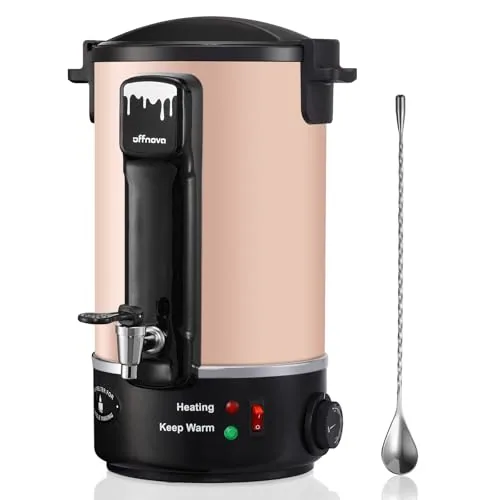
OFFNOVA 6 L Wax Melter with Heated Spout
- Capacity
- 6 L
- Material
- Double-layer 304 stainless
- Temperature
- 122–212°F
Best for Larger candle runs
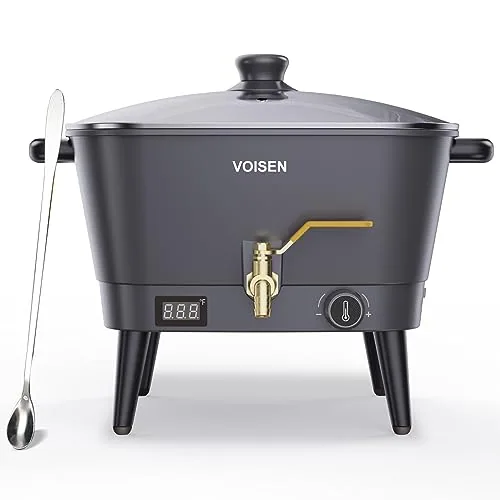
VOISEN 8 Qt Electric Wax Melter, Temp Control
- Capacity
- 8 qt (7.6 L), up to 12 lb wax
- Power
- Electric, adjustable temperature
Best for Mid-size candle batches
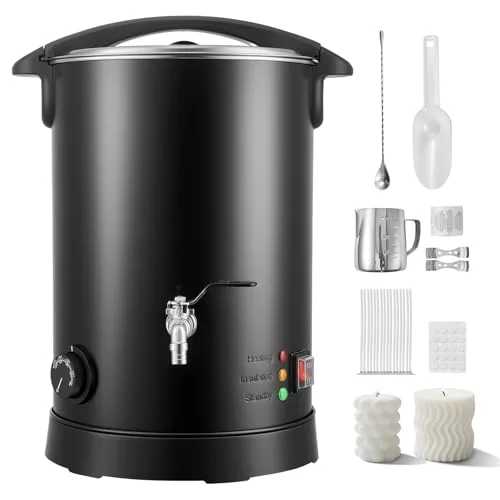
VEVOR 20 lb Wax Melter with Pour Spout
- Capacity
- 20 lb
- Power
- 1100W
Best for Volume candle production
Compare more units in our best beeswax melter list, then put your clean blocks to work in how to make beeswax candles. Cappings come from extraction day, covered in how to extract honey. Browse all wax and candle gear or the selling honey hub.
Render cappings with water and gentle, indirect heat, strain them twice and cool them slowly. That gives clean wax with gear you may already own. Move up to a thermostat-controlled melter only when the volume or a candle business justifies it, and never skip the fire-safety basics.
Methods and safety points reflect standard beekeeping practice; disease guidance follows the Texas Apiary Inspection Service. Melter capacities, power and temperature ranges are copied from maker listings in our catalogue. We did not render wax in these products.