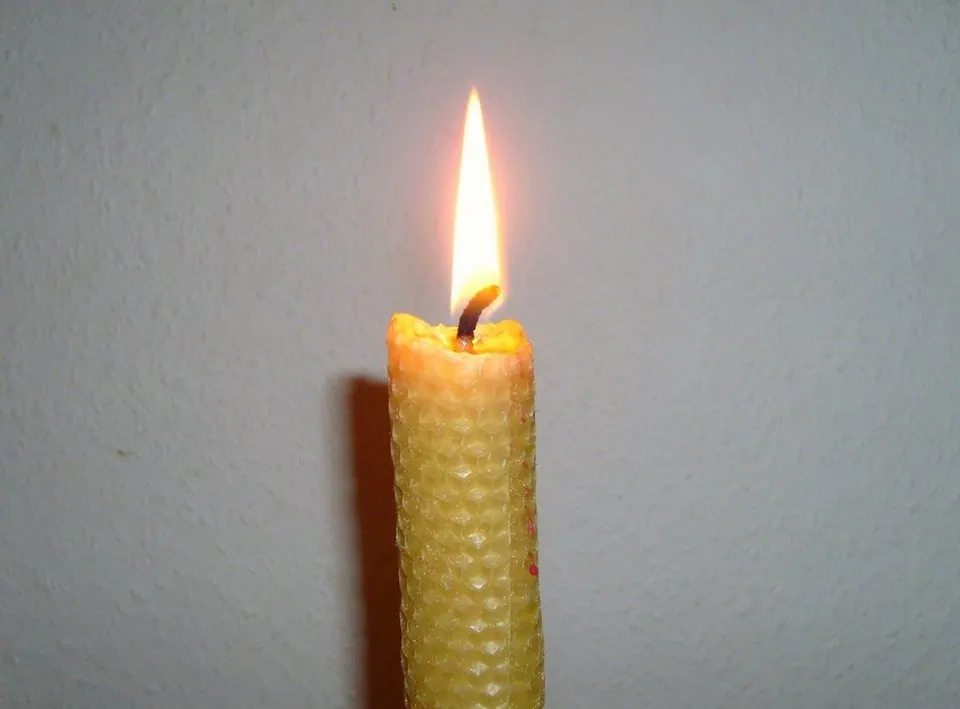
- Rolled beeswax candles need no melting at all: warm a sheet, lay a wick on the edge and roll.
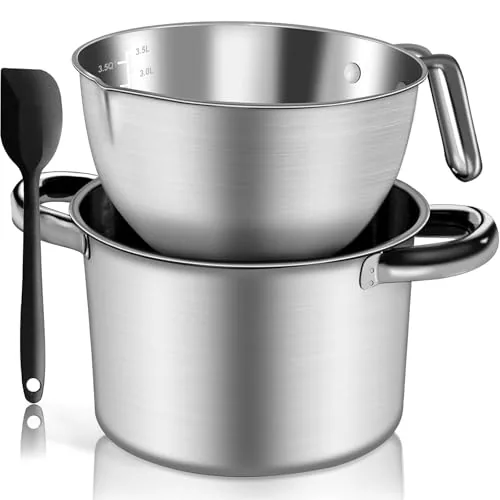
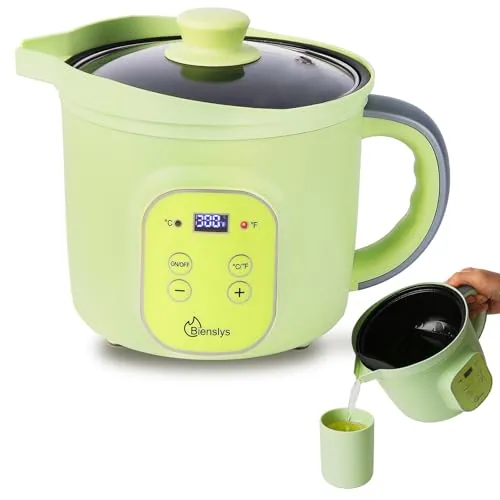
- Poured and molded beeswax candles need a double boiler or thermostat-controlled melter and a wick matched to the candle's width.
- Always test-burn a new size before you make a batch. Wick size, not wax, causes most problems.
- Burn safety: keep candles at least 12 inches from anything that can burn and never leave them unattended (USFA).
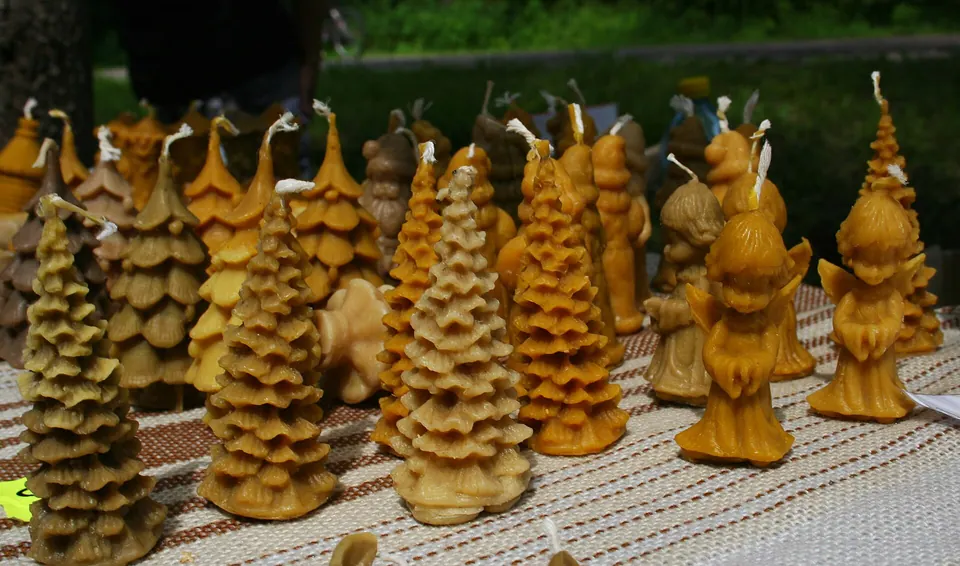
Learning how to make beeswax candles is the most satisfying way to use the wax from your hives. Beeswax candles burn with a warm color, smell faintly of honey and are one of the easiest add-ons to a honey table at a market.
There are three practical methods for a home workshop: rolling candles from sheets, pouring wax into containers and casting it in molds. This guide covers all three step by step, how to pick and test a wick, the mistakes that cause tunneling and smoking, and which kits and wax in our catalogue fit which project. Kit contents and sizes come from maker listings; we did not make candles with them.
Which type of beeswax candle should you make?
Three ways to make beeswax candles
| Method | Melting needed? | Skill | Best for |
|---|---|---|---|
| Rolled from sheets | ✗ No | Beginner; kid-friendly with supervision | Tapers and pillars in minutes, gifts, classes |
| Poured container (jar, tin) | ✓ Yes | Easy once the wick is right | Market sales, gifts, using your own rendered wax |
| Molded (silicone or metal) | ✓ Yes | Moderate | Shaped pillars, votives, honeycomb and bee designs |
| Hand-dipped tapers | ✓ Yes | Patient; needs a tall vessel | Traditional tapers |
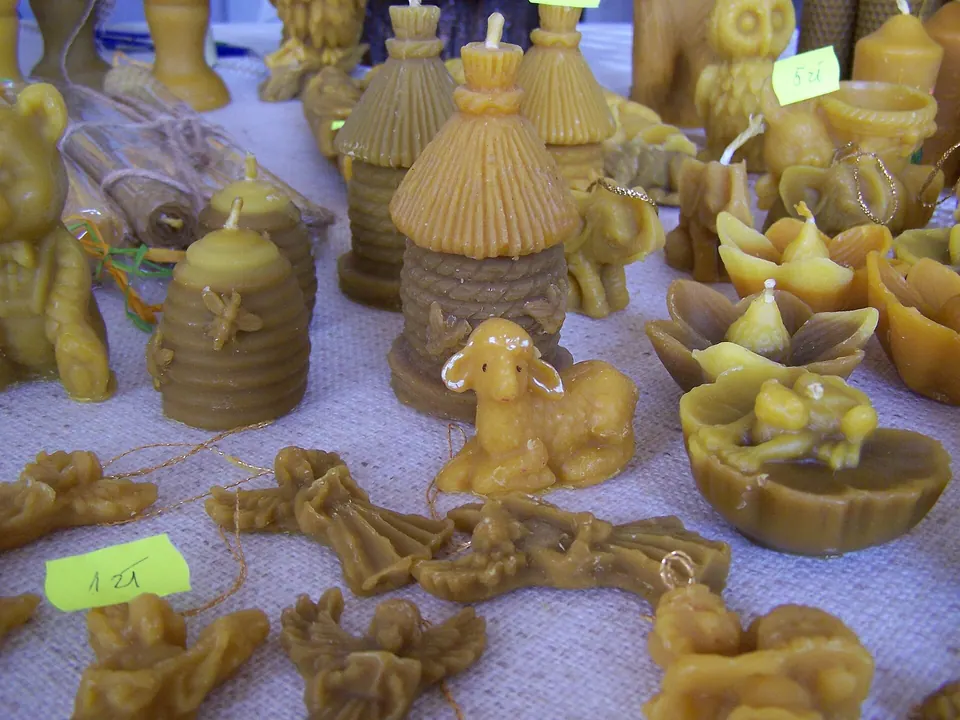
If you have never made a candle, start with rolled sheets. You learn how a wick behaves without hot wax. Move on to containers when you have clean wax from your own cappings; see how to render beeswax first.
What do you need to make beeswax candles?
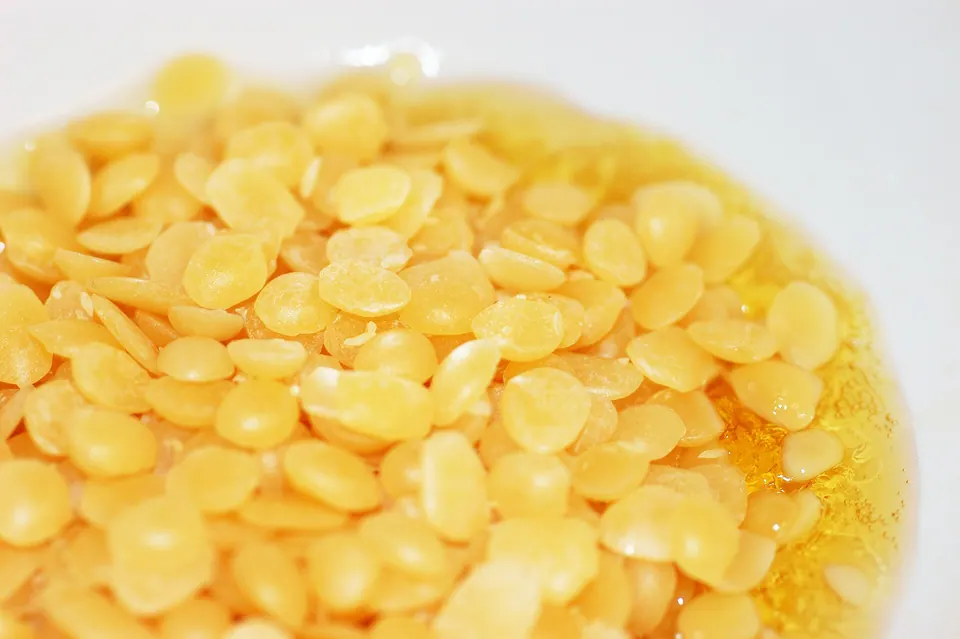
- Wax: your own rendered cappings wax, or purchased pellets or blocks. Pellets melt faster and evenly.
- Wick: cotton wick sized for the candle diameter. Rolled-sheet kits usually include it.
- Heat (poured and molded only): a double boiler or an electric melter with a thermostat. Never melt wax over direct flame.
- Vessel or mold: heat-safe glass jars or tins, or silicone molds.
- Small tools: wick stickers or a dab of wax, wick centering bars or clothespins, a thermometer, scissors.
| Product | Mold count | Includes | Material | Finished size |
|---|---|---|---|---|
| Bingfuego Rolled Beeswax Candle Kit, 12 Sheets | 12 sheets, 8 x 8 in | 177 in cotton wick | — | — |
| PTSGCAI Beeswax Candle Sheets 8x8", 20 Pack | 20 sheets, 8 x 8 in | 18 ft cotton wick, stencil | — | — |
| Lacaser Beeswax Sheets 8x16", 20 Pcs with Wick | 20 sheets 8 x 16 in (40 at 8 x 8) | Cotton wicks, bee ornaments | — | — |
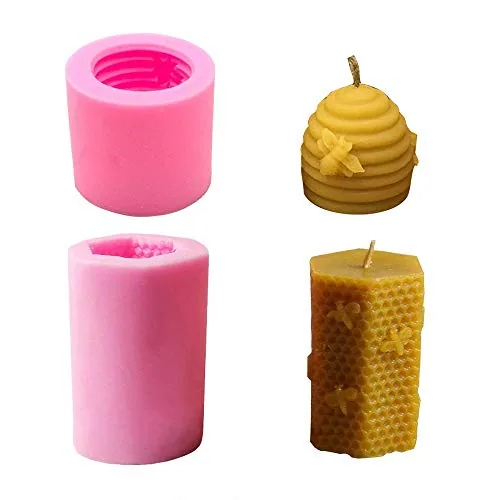
| Fewo 3D Honeycomb Beehive Silicone Candle Molds, 2 | 2 (small and large) | — | Platinum silicone | 1.7 x 1.8 in and 2 x 3 in |
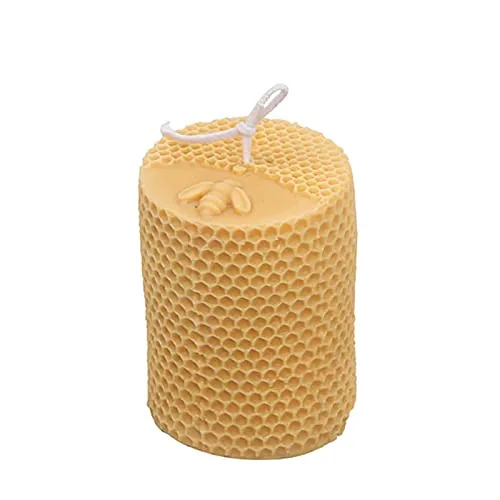
| Grainrain 3D Bee Honeycomb Silicone Candle Mold | 1 | — | Silicone | — |
Specs as listed by the maker or seller; check the listing before you buy.
Beeswax sheets per kit (8 x 8 in equivalent)
As listed; the Lacaser 8 x 16 in sheets count as two 8 x 8 in sheets each
How to make rolled beeswax candles
Rolled candles are made from honeycomb-textured foundation-style sheets. They need warmth to bend, not heat to melt.
- Warm the sheet
Work in a warm room or pass a hair dryer over the sheet for a few seconds until it is pliable. Cold sheets crack.
- Cut the wick
Cut wick about 3/4 inch longer than the sheet's height so you have a tab to light.
- Lay the wick and fold the edge
Lay the wick along one edge and press the wax over it tightly. A tight first turn is what makes the candle burn straight.
- Roll evenly
Roll with light, even pressure, keeping the base square. Press the final edge into the candle so it does not peel.
- Trim and test
Trim the wick to about 1/4 inch and test-burn one candle on a heat-safe plate before you make a batch.
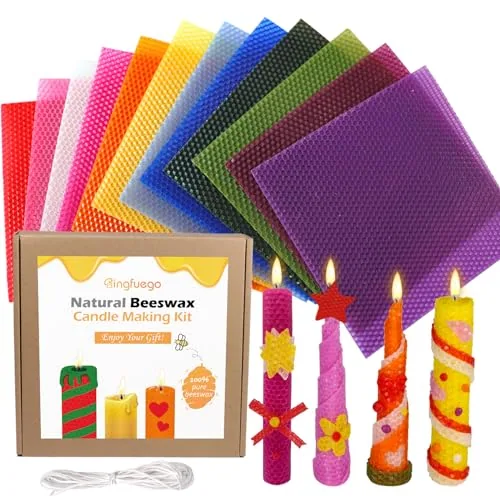
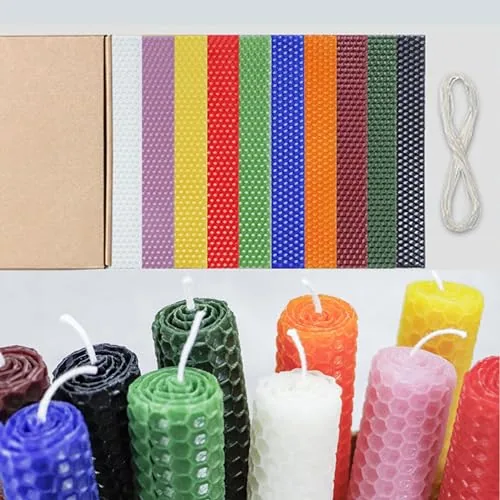
For a thicker pillar, butt a second sheet against the end of the first and keep rolling. Thicker candles may need a heavier wick than the one in a taper kit; test before you gift them.
How to make poured and molded beeswax candles
- Prepare vessels and wicks
Clean and dry jars or molds. Fix the wick tab to the center of the base and hold the top straight with a centering bar or clothespin.
- Melt the wax gently
Melt wax in a double boiler or a thermostat-controlled melter. Use the lowest setting that fully melts the wax and never leave it unattended.
- Warm the containers
Slightly warm glass containers (for example, in a low oven or with warm water and then dried) so the wax does not pull away from cold glass.
- Pour slowly
Pour in a thin stream to avoid bubbles. Keep a little wax back for a top-up pour.
- Cool slowly, then top up
Let candles cool at room temperature, away from drafts. Beeswax often shrinks and leaves a dip around the wick; fill it with the reserved wax.
- Cure and test-burn
Let the candle rest at least a day, trim the wick to about 1/4 inch and test-burn for a few hours. Check for a full melt pool and a calm flame.
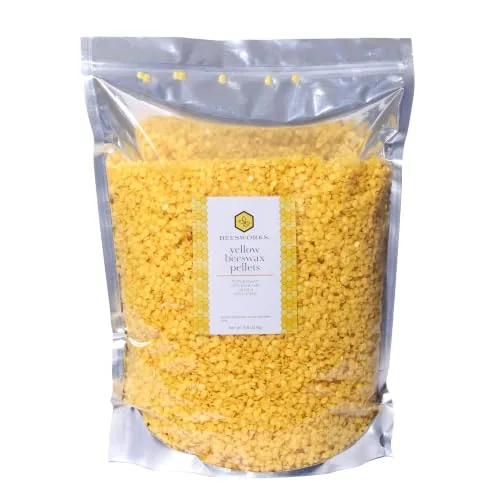
Beesworks Yellow Beeswax Pellets, 5 lb
- Capacity
- 5 lb
- Form
- Pellets
- Grade
- Cosmetic grade, triple-filtered
Best for Bulk candle and balm making
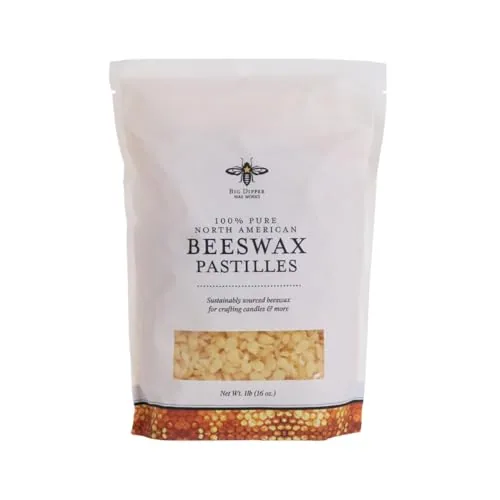
Big Dipper Wax Works Beeswax Pastilles, 1 lb
- Capacity
- 1 lb
- Form
- Pastilles
- Source
- North American beeswax
Best for Candles and balms
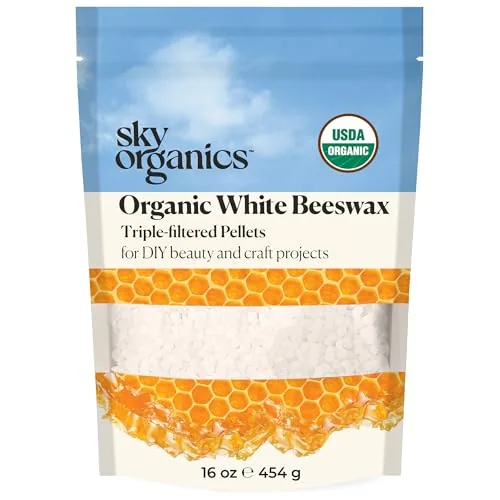
Sky Organics White Beeswax Pellets, 16 oz
- Capacity
- 1 lb
- Form
- Pellets
- Grade
- USDA Organic, triple-filtered
Best for Cosmetic recipes
Purchased wax is handy when your own harvest is small. In our catalogue, the Beesworks pellets are listed as cosmetic grade and triple-filtered, the Big Dipper pastilles as North American beeswax, and the Sky Organics pellets as USDA Organic white beeswax.
How do you choose the right wick?
The wick is the part to get right. Beeswax burns hotter and slower than paraffin, so wick charts written for other waxes may not apply. Use the sizing chart from your wick supplier as a starting point, then adjust after a test burn.
Reading a test burn
| What you see | Likely cause | Try next |
|---|---|---|
| Narrow tunnel down the middle | Wick too small for the diameter | Next size up, or a slightly narrower candle |
| Tall, flickering flame and soot | Wick too large or too long | Trim to about 1/4 in; next size down |
| Flame drowns after a while | Wick too small or clogged with debris | Larger wick; filter the wax again |
| Full melt pool to the edge in a few hours, calm flame | Wick matched | ✓ Make the batch |
Keep notes for each container size: wick type, wax source and how long the melt pool took to reach the edge.
Candle burn safety
If you give or sell candles, add simple burning instructions: trim the wick to about 1/4 inch before each burn, never leave the candle unattended and stop when about half an inch of wax remains in a container.
Mistakes to avoid
- Melting wax over direct heat or walking away from the melter.
- Using dark brood-comb wax for light, clean-burning candles; filter it or keep it for darker designs.
- Skipping the test burn and making 30 candles with the wrong wick.
- Pouring into cold glass, which leaves gaps and wet spots.
- Letting candles cool in a cold draft; they crack and sink unevenly.
- Leaving honey residue in wax, which can spit and smoke when burning.
Who should start with which kit?
- Families and first-timers: a rolled-sheet kit such as the Bingfuego (12 sheets) or PTSGCAI (20 sheets). No melting, so it suits a supervised activity; see our kids and family hub.
- Bigger batches of rolled candles: the Lacaser pack lists 20 sheets of 8 x 16 in (40 at 8 x 8 in) with wicks.
- Decorative molded candles: silicone honeycomb or bee molds such as the Fewo set (two sizes) or the Grainrain mold, with your own wax.
- Market sellers: a thermostat-controlled melter, consistent containers and a written wick record for each size.
Bingfuego Rolled Beeswax Candle Kit, 12 Sheets
- Mold count
- 12 sheets, 8 x 8 in
- Includes
- 177 in cotton wick
Best for Family candle rolling
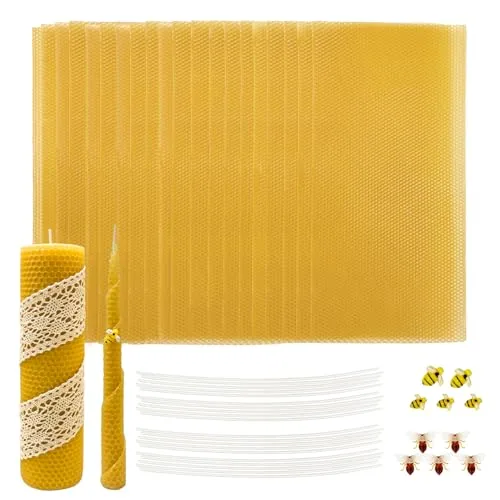
Lacaser Beeswax Sheets 8x16", 20 Pcs with Wick
- Mold count
- 20 sheets 8 x 16 in (40 at 8 x 8)
- Includes
- Cotton wicks, bee ornaments
Best for Rolling candles in bulk
Fewo 3D Honeycomb Beehive Silicone Candle Molds, 2
- Mold count
- 2 (small and large)
- Material
- Platinum silicone
- Finished size
- 1.7 x 1.8 in and 2 x 3 in
Best for Beehive-shaped candles

Beeswax Alchemy: Soap, Candles, Balms & Salves
- Format
- Paperback
- Publisher
- Quarry Books
- Published
- 2015
Best for Using your hive's wax
Need a melter? Compare models in our best beeswax melter list. Candles are a good add-on next to honey; read how to sell honey at farmers markets and our gifts for beekeepers list. All wax supplies are in the wax and candles category.
Start with rolled sheets to learn how beeswax burns, then pour container candles once you have clean, filtered wax and a melter with a thermostat. The wick decides success, so test-burn every new size and write down what worked.
Kit contents, sheet counts, wick lengths and wax grades are copied from maker listings in our catalogue. Burn-safety guidance follows the U.S. Fire Administration. We did not make or burn candles with these products.