Apimaye
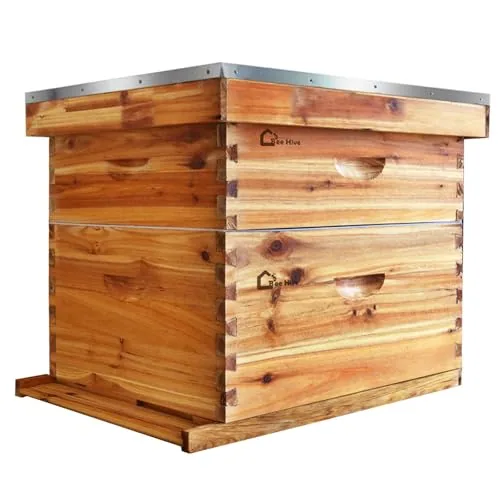
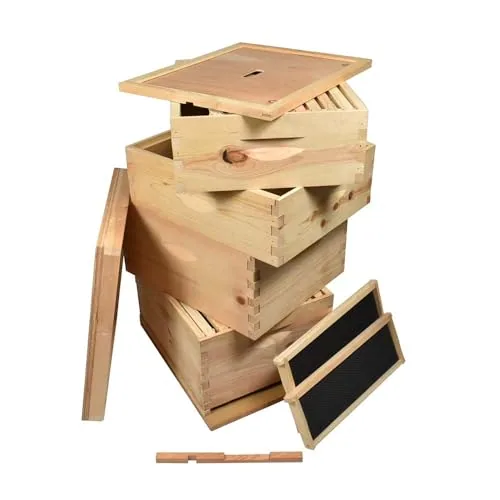
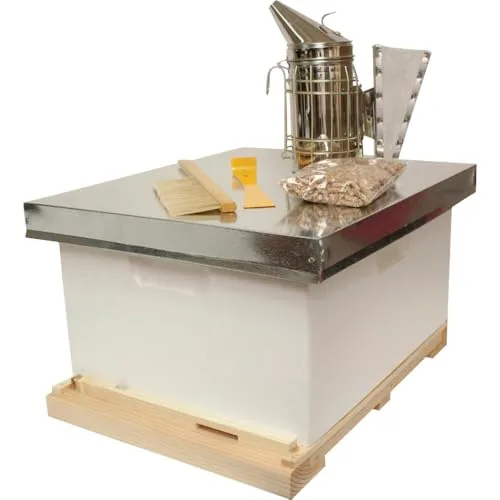
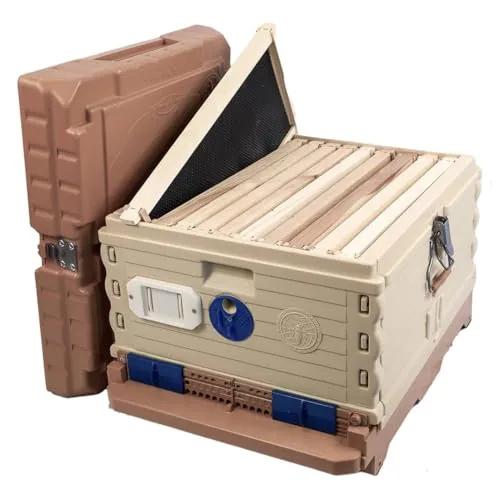
Apimaye Ergo Insulated Hive Set with 10 Wood Frames
- Frames
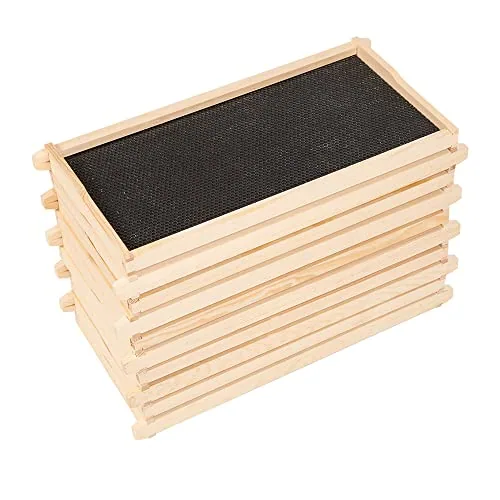
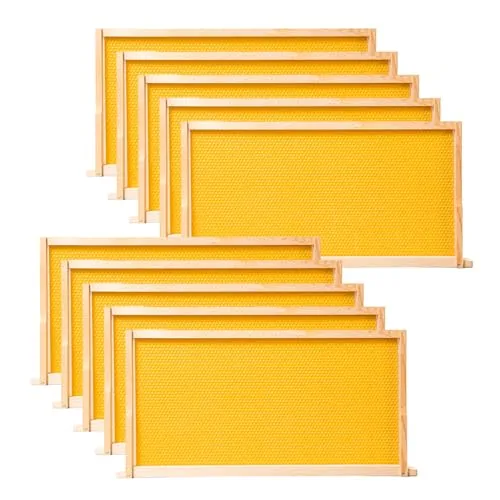
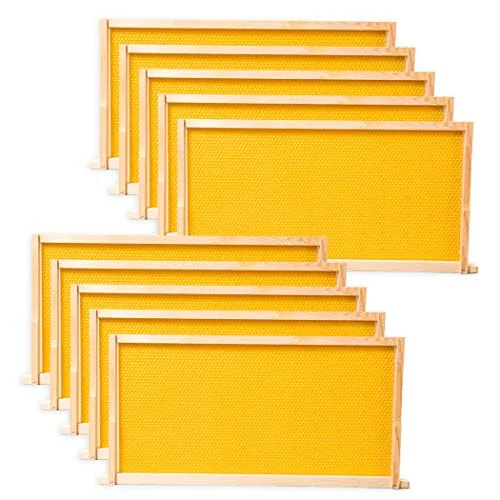
- 10 wood frames, double-wax foundation
- Boxes
- Single
- Material
- Insulated plastic
Best for Insulated hive ready for a package
Everything to get bees in a box and through the first year: hive, frames, suit, smoker, hive tool, feeder and a mite test, grouped by category.
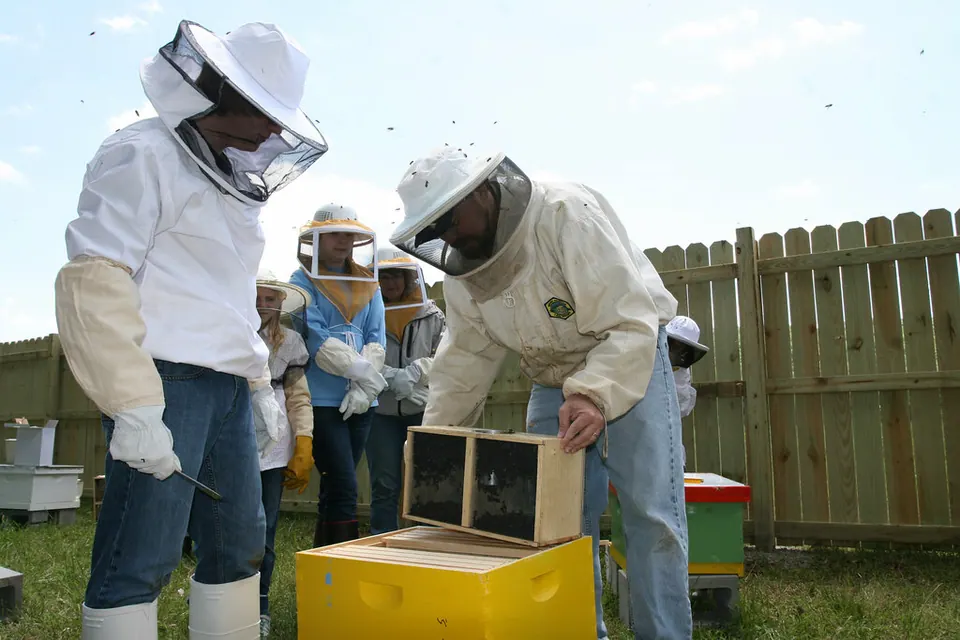
Beekeeping supplies for a first hive fit on one short list: a hive with frames, protective gear, a smoker and hive tool, a feeder and a way to count mites. Everything on this page is tagged for year one, grouped by category below. Bees are not sold here; packages, nucs and queens come from local or regional suppliers, and Penn State Extension advises ordering packages by early winter for spring delivery.
Plan for two hives if you can. With two colonies of the same size, you can compare them and move a frame of brood from the strong one to help the weak one.
Best for Insulated hive ready for a package
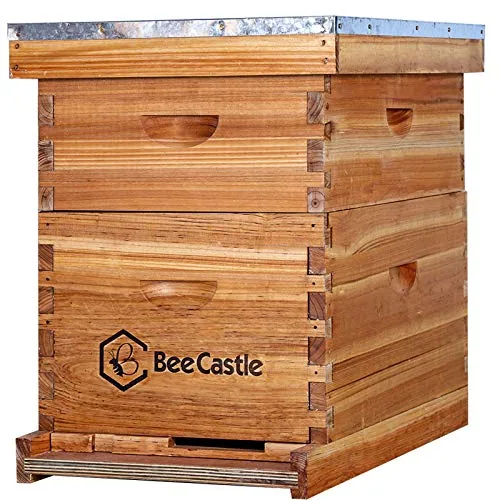
Best for First Langstroth hive without painting
Best for Budget 8-frame start
Best for Budget small-yard hive
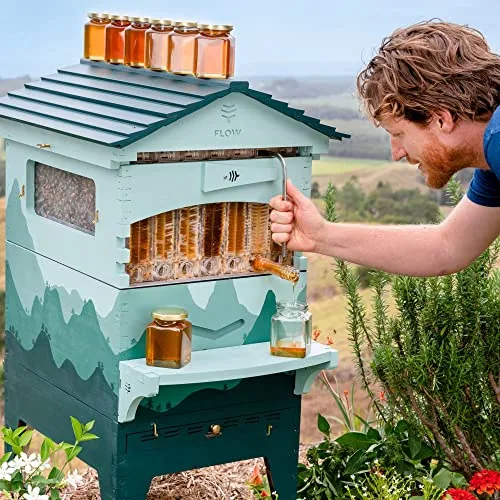
Best for Tap-harvest honey in a backyard
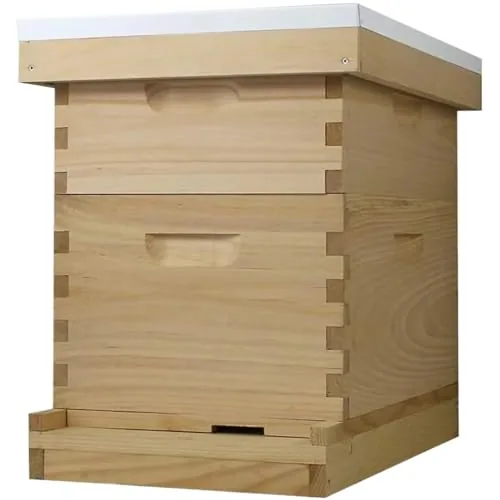
Best for A paint-free starter hive
Best for Building your own full hive
Best for Starting with one brood box
Best for Stocking deep boxes
Best for Filling a deep box
Best for Ready-to-use deep frames
Best for Filling a deep brood box
Best for Hot-weather inspections
Best for Budget first suit
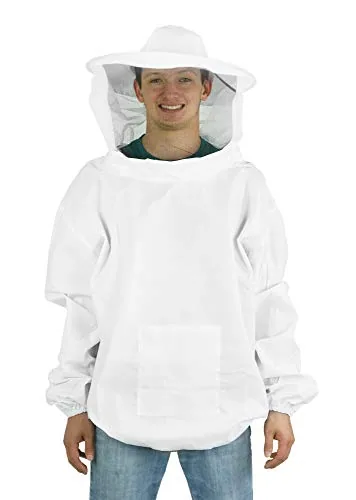
Best for A jacket instead of a full suit
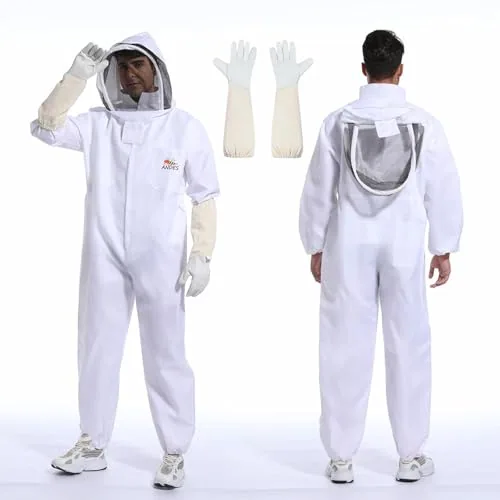
Best for Mild-weather full coverage
Best for A first full suit
Best for Budget jacket for starters
Best for A first full suit
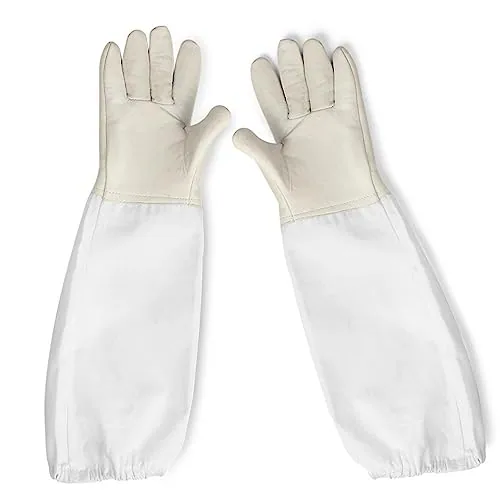
Best for Basic glove protection
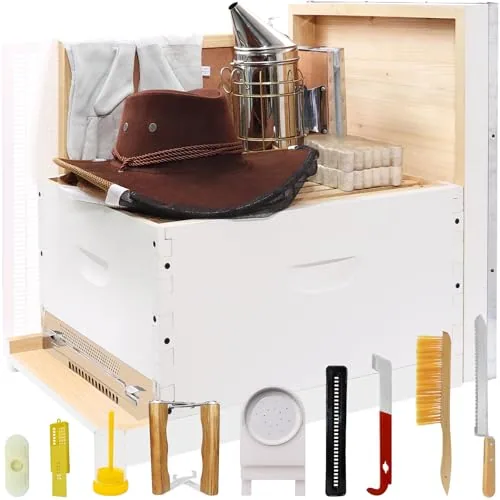
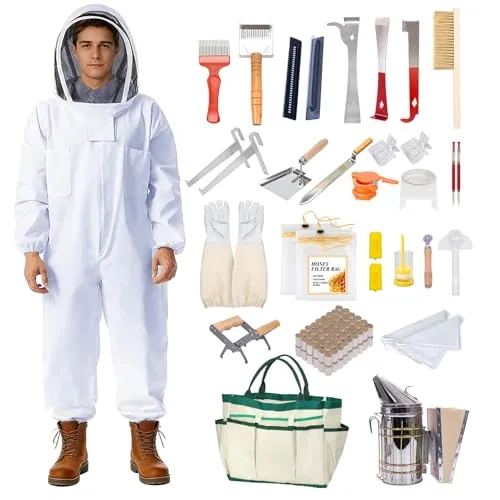
Best for Beginners missing tools and a suit
Best for Keeping a smoker going
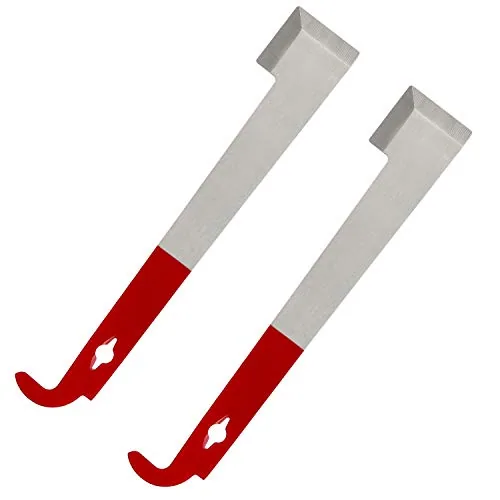
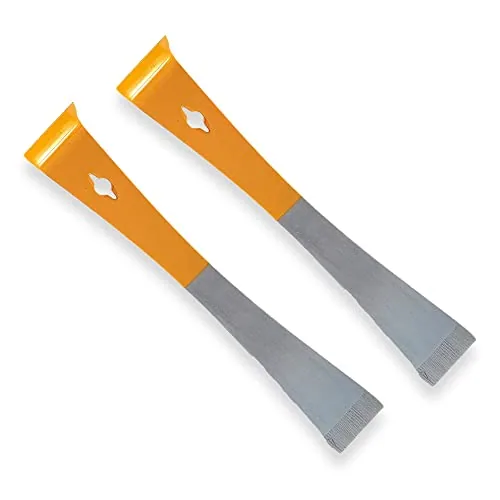
Best for Spare hive tools
Best for Hive tools that are hard to lose
Best for Basic hand tools
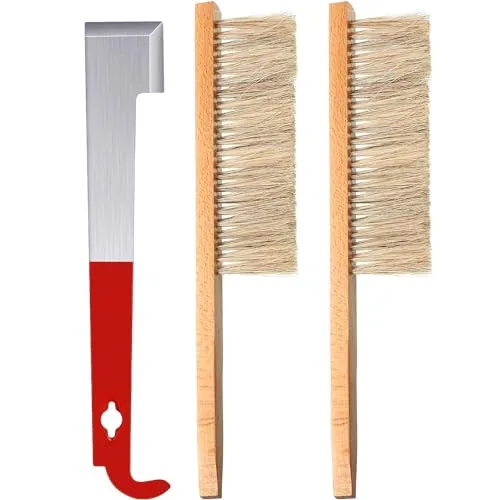
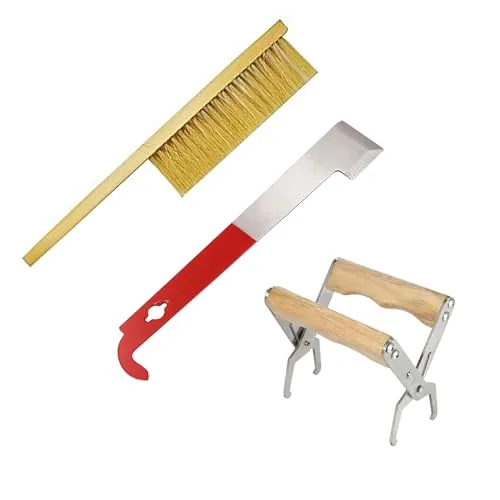
Best for Core inspection tools
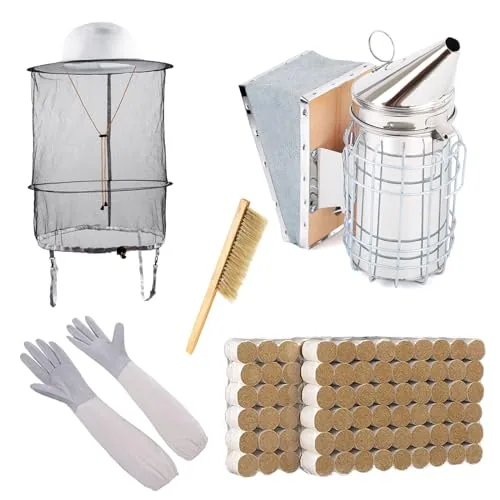
Best for Starter smoker and protection
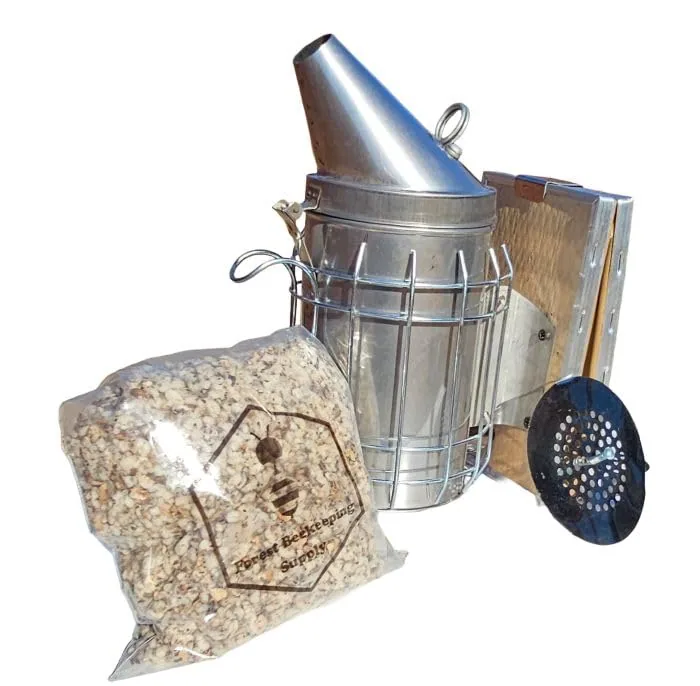
Best for Smoker plus starter fuel
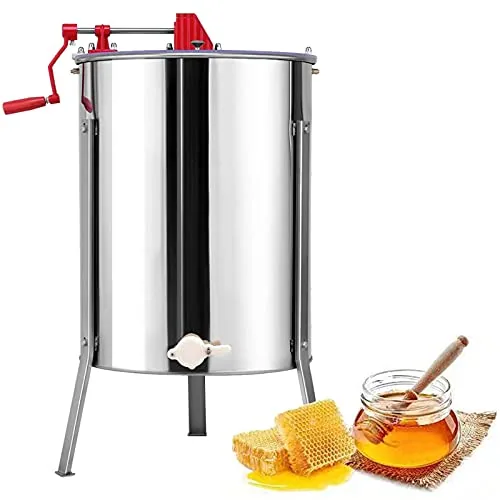
Best for First small harvest
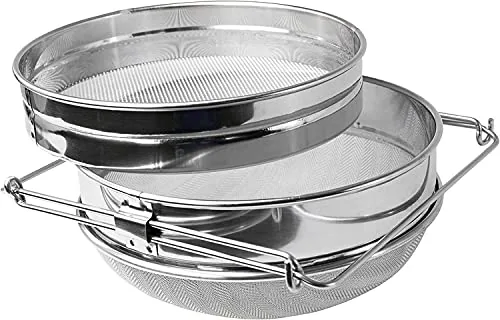
Best for Straining honey into a bucket
Best for Crush-and-strain harvests
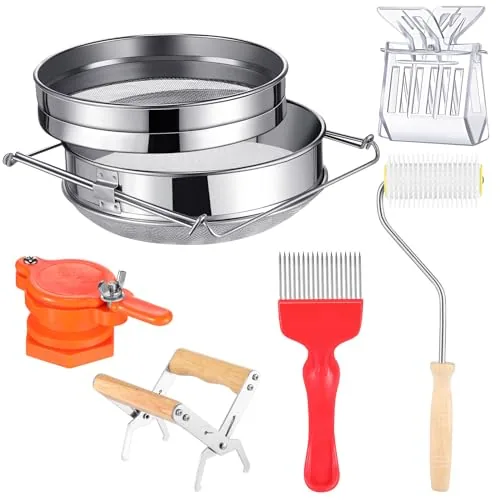
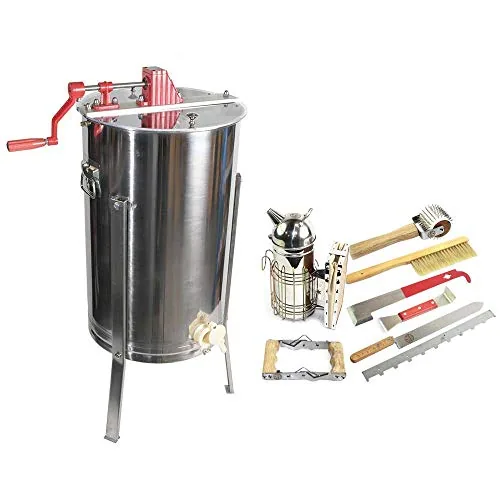
Best for First harvest tool set
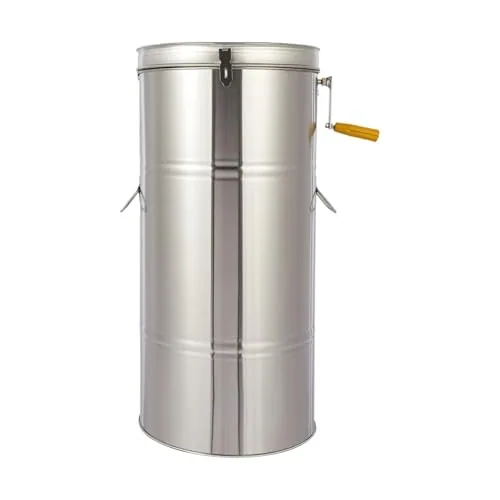
Best for Budget first extractor
Best for Equipping a first harvest in one order
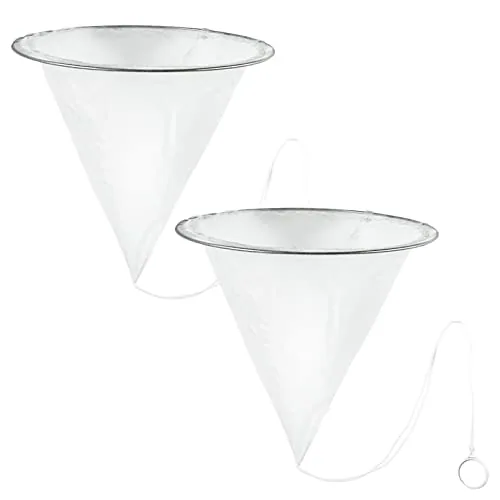
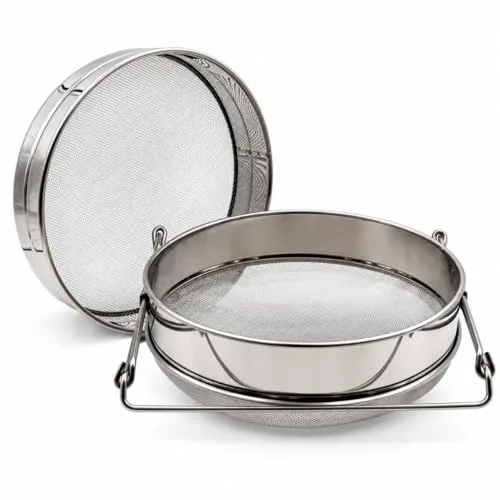
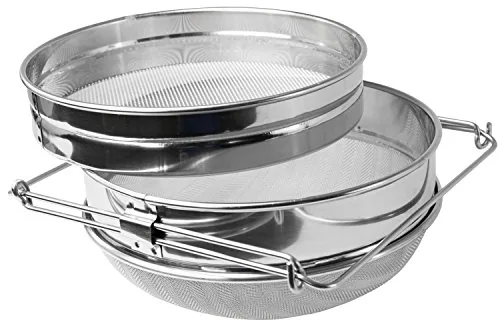
Best for Straining extracted honey
Best for Straining before bottling
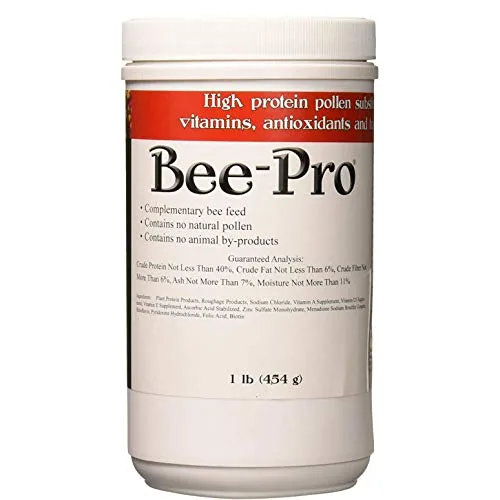
Best for Protein feeding before spring
Best for Simple syrup feeding
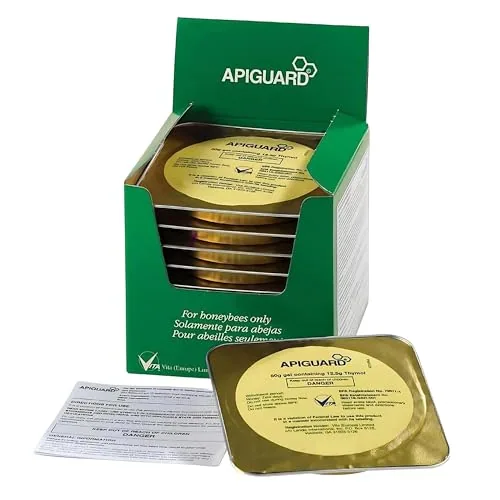
Best for Thymol-based varroa treatment
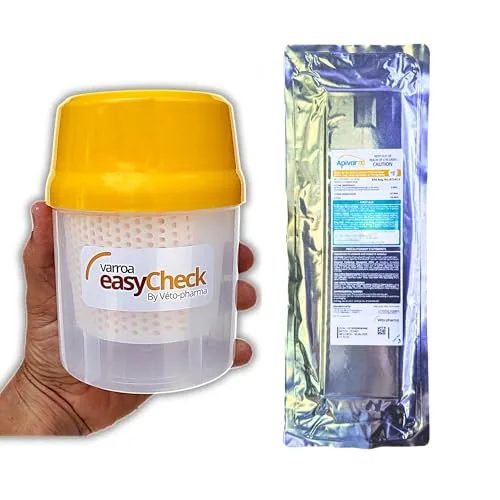
Best for Counting and treating mites
Best for One backyard colony
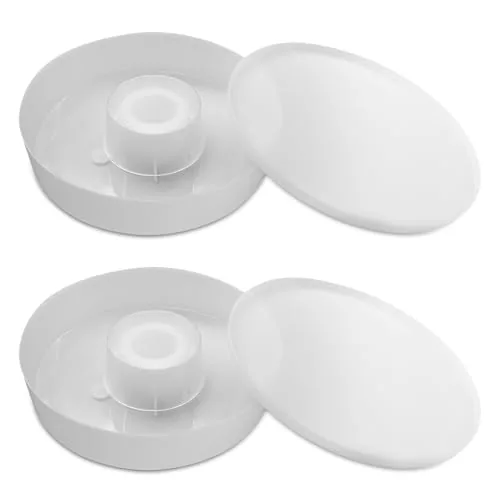
Best for Budget entrance feeding
Best for Regular mite counts
Best for Regular mite counts
Best for First-year beekeepers
Best for A small gift for the bee-curious
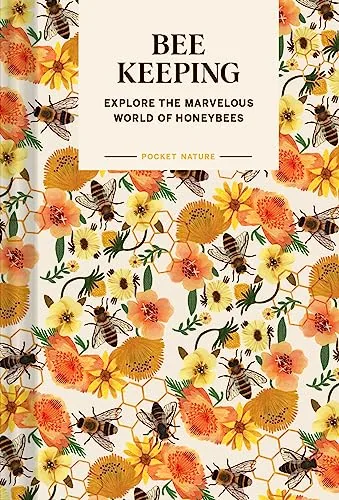
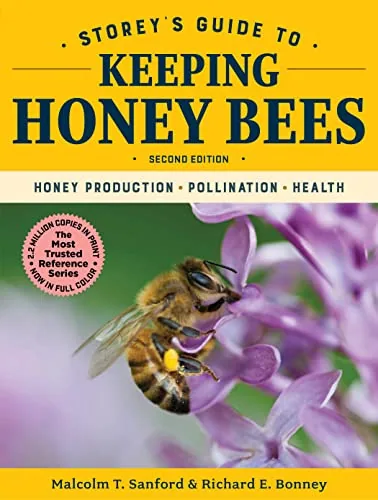
Best for A reference shelf staple
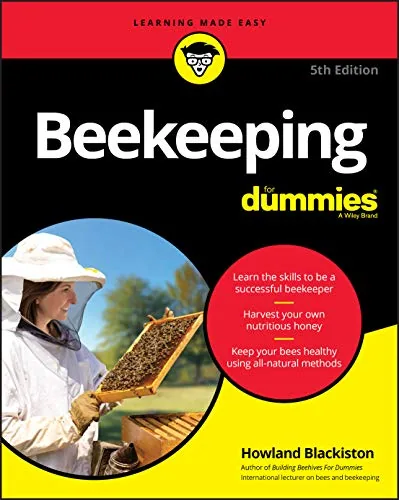
Best for Absolute beginners
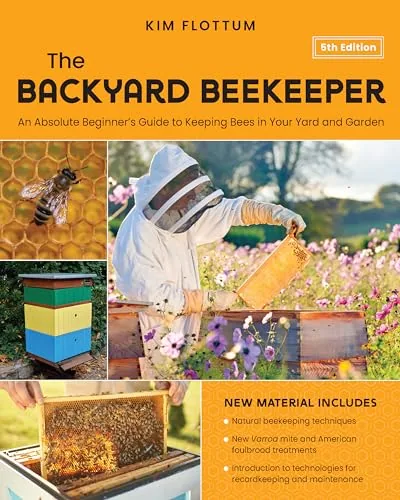
Best for Backyard first-hive keepers
Best for New backyard beekeepers
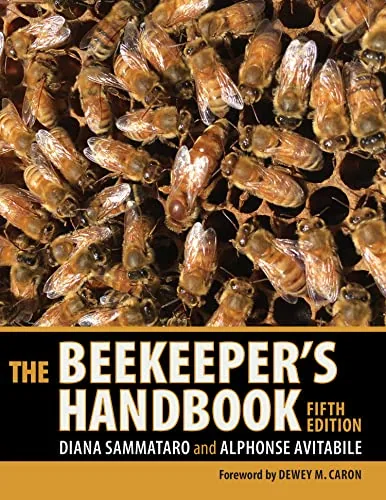
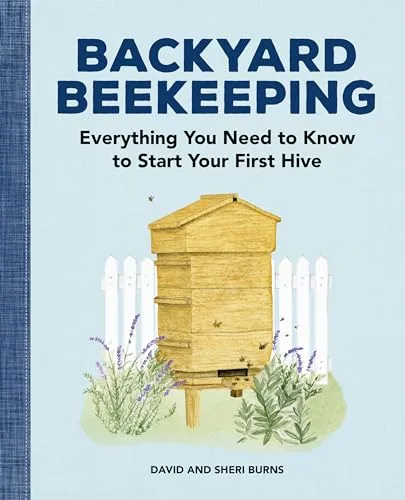
Best for Beginners who want depth
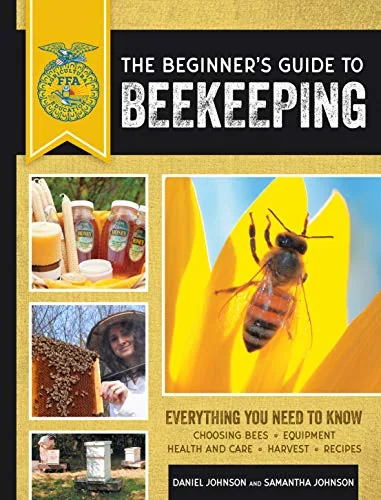
Best for Young and new beekeepers
A 10- or 8-frame Langstroth kit is the easiest to get help with. Compare kits in best beehive for beginners and best starter kits; see all options in hives and kits.
A growing colony needs room quickly in spring. Keep one extra box with frames per hive from frames and foundation.
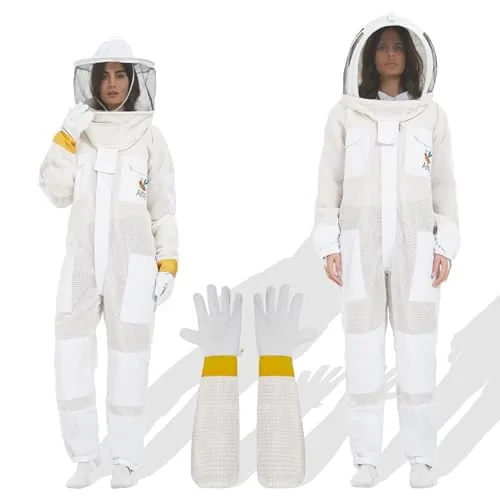
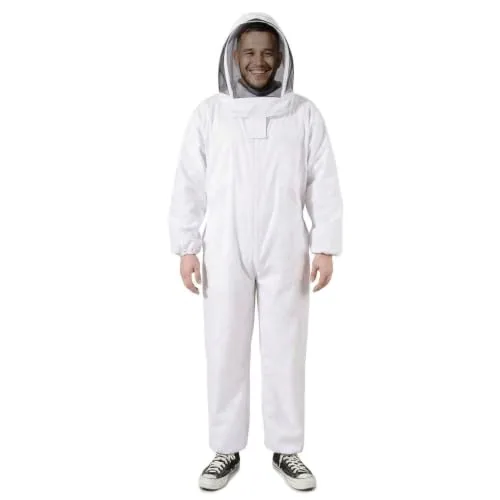
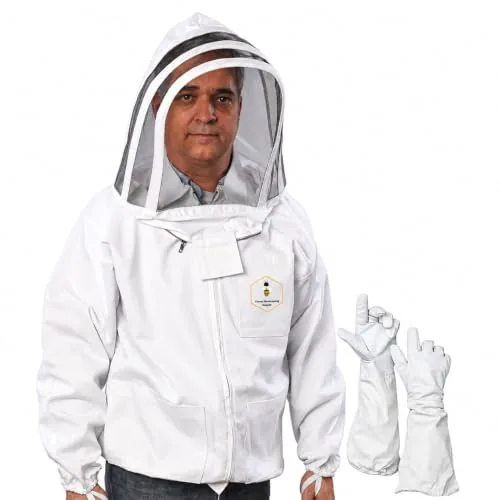
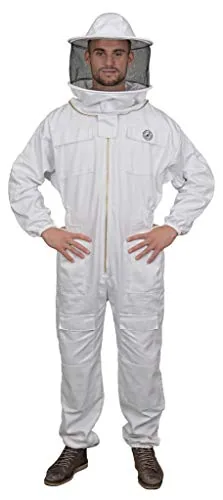
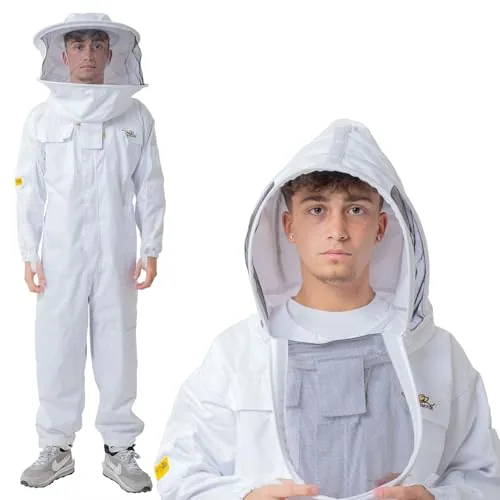
Most beginners start with a full suit plus gloves. See best beekeeping suits or the suit vs jacket comparison.
An 11- or 12-inch smoker and a J-hook or standard hive tool cover every inspection; see hive tools and smokers.
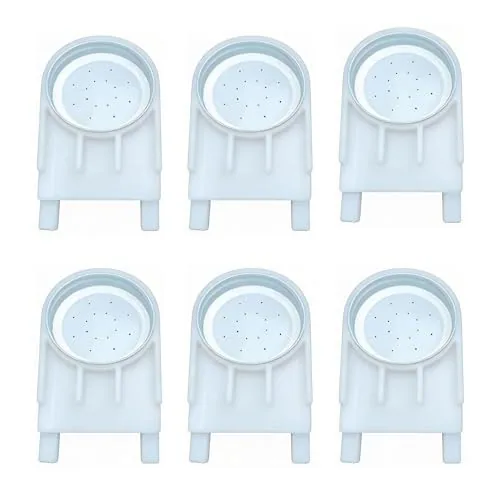
A new package has no stored honey, so it usually needs syrup at first. Compare beehive feeders.
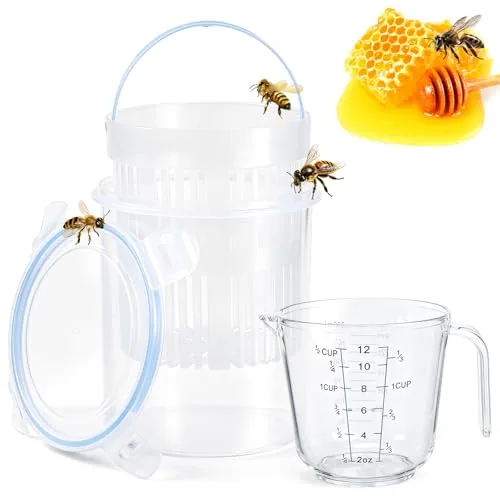
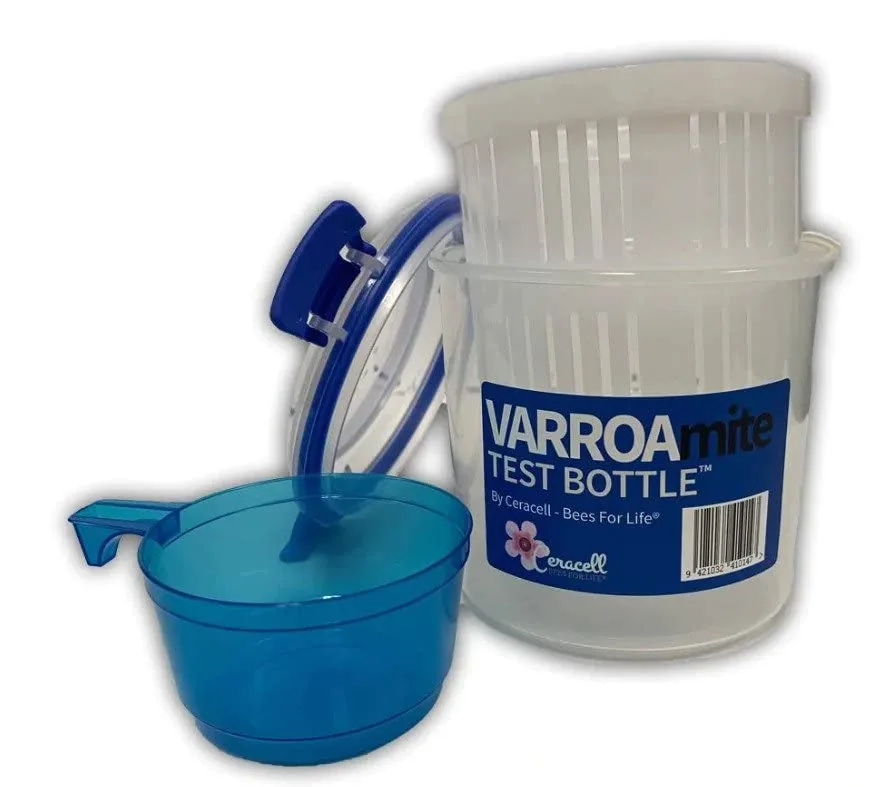
Count mites from the first summer with an alcohol wash. The mite threshold calculator compares your count with HBHC 9th-edition thresholds.
Choosing a hive style? See Langstroth vs top bar, Flow Hive vs Langstroth and the Flow Hive 2 review.
Timing shifts by region; the seasonal calendar shows each month for six US regions, and how to start beekeeping covers the full timeline.
 Best of
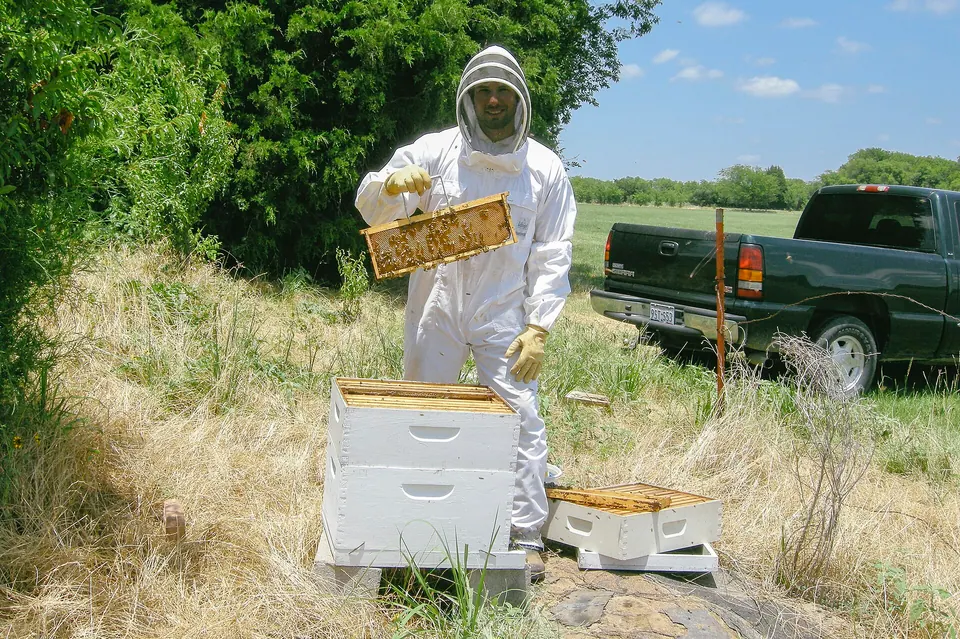
Best beekeeping starter kit picks compared by what is actually in the box: hive, frames, smoker, tools and gear from 6…
 Best of
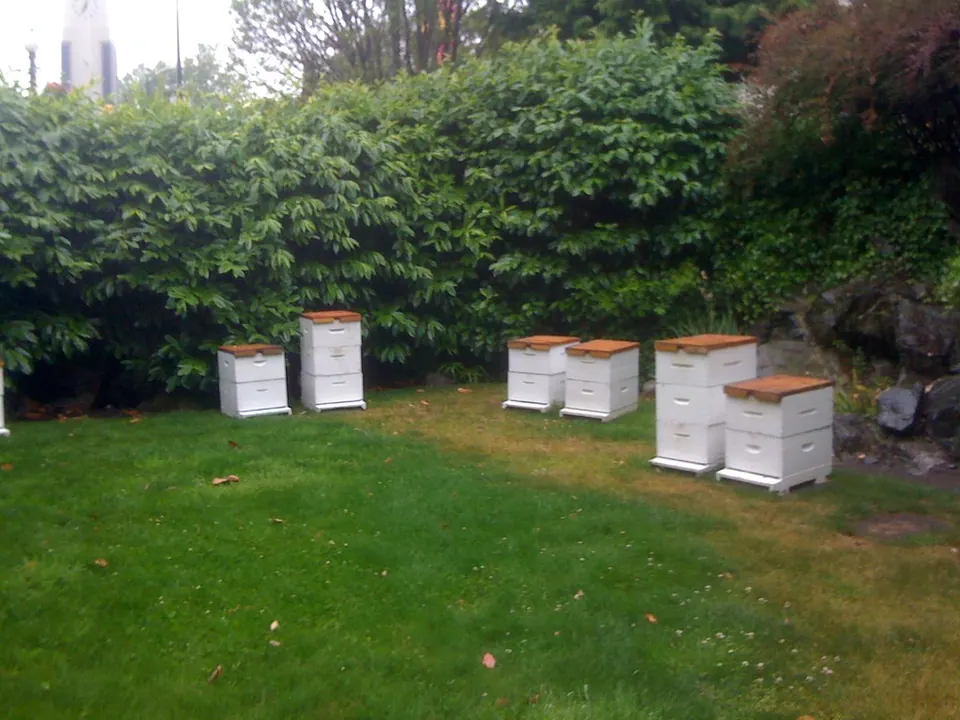
The best beehive for beginners, compared by real specs: assembled Langstroth stacks, an 8-frame box, insulated, Flow…
 Best of
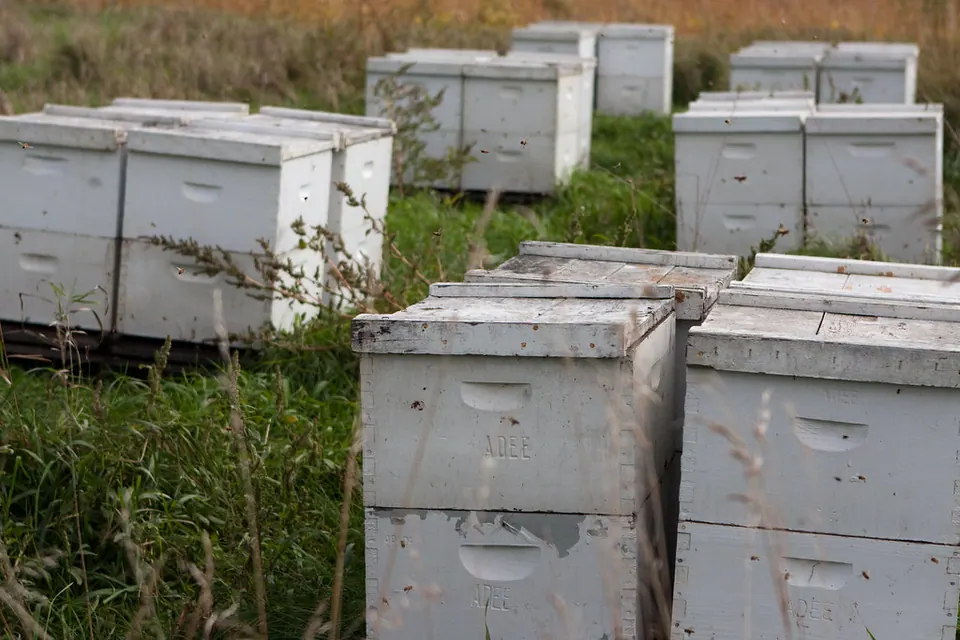
Best Langstroth hive picks compared by box count, frames, wood and finish: assembled and flat-pack 10-frame stacks…
 Best of
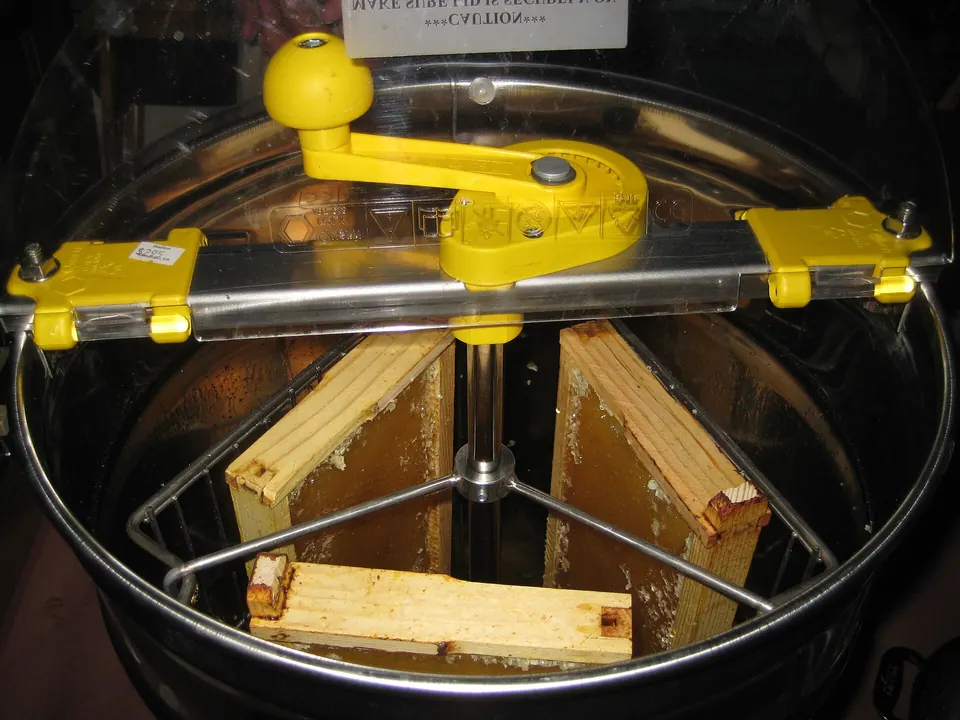
Best manual honey extractor picks from 7 brands, compared by frames per load, listed drum steel and gauge, gate…
 Best of
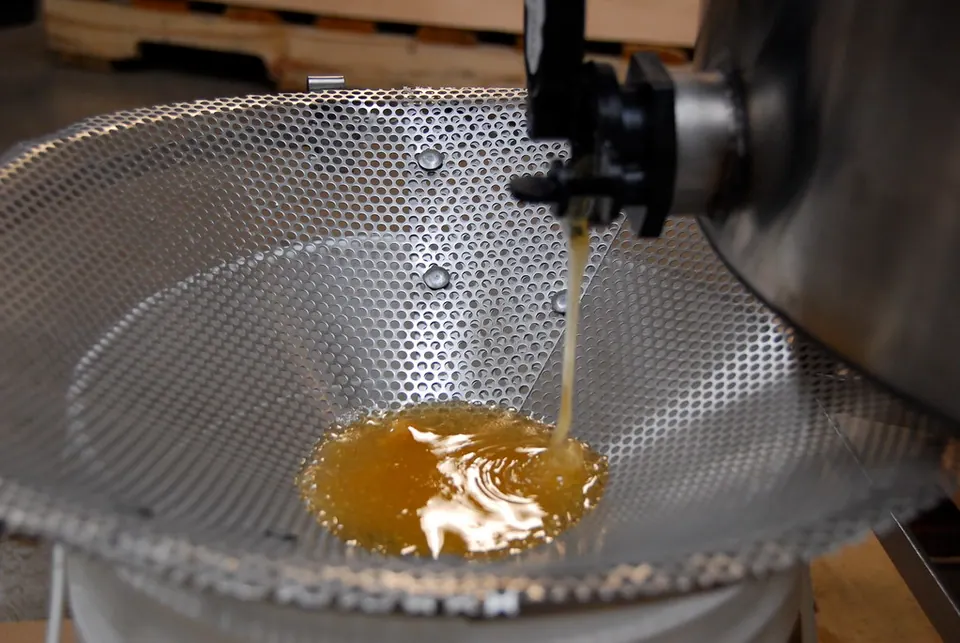
Best honey strainer picks compared by mesh size in microns, stainless grade, bowl and bucket fit: double sieves, nylon…
 Best of
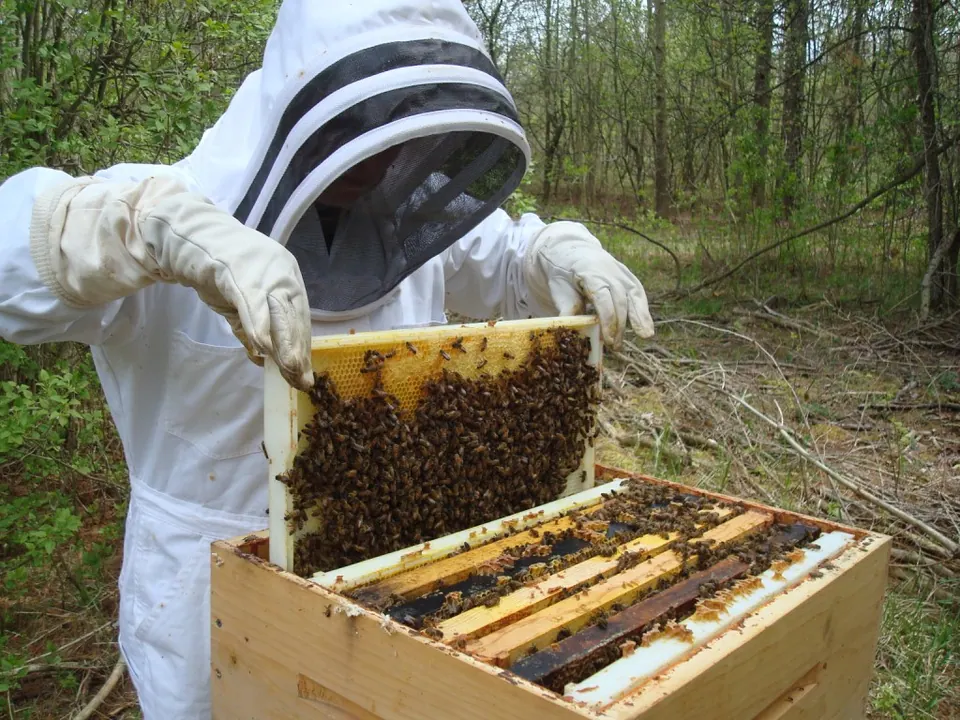
The best beekeeping suit for your climate and colonies: fabric weight, ventilation layers, round vs fencing veils and…