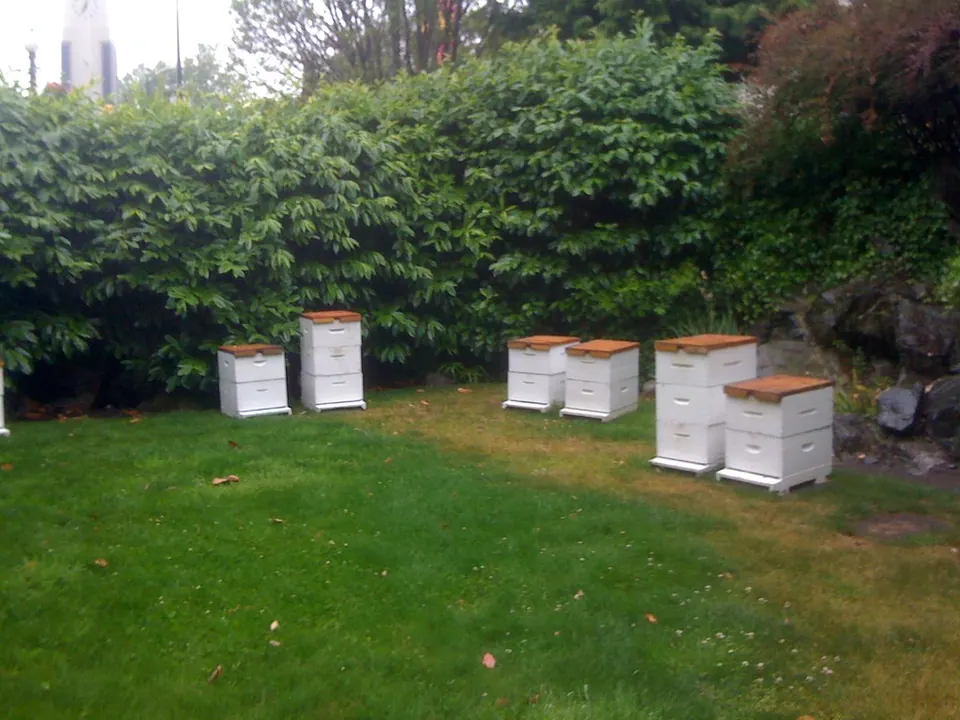
- State beekeeping laws cover registration, inspection, moving and selling bees, and disease reporting. Our table links 45 official state program pages; for the other 6 states, contact your state department of agriculture.
- Some states require every beekeeper to register (New York says so on its program page); others make it voluntary or tie it to colony numbers or sales.
- American foulbrood is reportable in many states. If you suspect it, contact your state apiarist before you move anything.
- City, county and HOA rules are separate from state law. Check them before you buy a hive. This guide is not legal advice.
Beekeeping laws by state vary more than most new beekeepers expect. One state wants every hive registered, the next only regulates people who sell queens, and a third mainly cares about bees crossing its border. On top of that, your city, county or homeowners association may have its own rules about where and how many hives you can keep.
This guide explains what state apiary laws usually cover, then gives a table for all 50 states plus Washington, D.C. We link each state's official apiary or plant-industry page only where we could open and confirm the page ourselves in November 2026 (45 of 51). Where we could not, the table says to contact your state department of agriculture. The national directory kept by the Apiary Inspectors of America lists every state contact. This is general information, not legal advice.
What do state beekeeping laws cover?
Most state apiary laws date back to efforts to control American foulbrood, and many still center on disease. Typical topics:
- Registration: telling the state where your apiary is and how many colonies you keep. Some states require it for everyone, some above a colony count, some not at all.
- Inspection: state inspectors may examine colonies for regulated pests and diseases; many offer free or courtesy inspections on request.
- Disease reporting: American foulbrood is reportable in many states. Texas's inspection service states it plainly on its AFB page.
- Moving bees: entry permits or health certificates for bees, used comb or equipment crossing state lines.
- Selling bees: permits or licenses to sell packages, nucs and queens, and certificates for colonies sold on comb.
- Pesticide notification: registered apiaries may receive notices of nearby spraying in some states.
Honey sales are usually handled separately, by food-safety and labeling rules; see honey labeling rules.
Beekeeping laws by state: where to check
Click your state to open its apiary or plant-industry page in a new tab. The note column repeats only what we read on that state's own materials; it is not a summary of the whole law.
State apiary programs (verified links, November 2026)
| State | Official program page | What the program's materials note |
|---|---|---|
| Alabama | Apiary Protection Unit, Alabama Dept. of Agriculture & Industries | See the program page |
| Alaska | Division of Agriculture, inspection services | See the program page |
| Arizona | Contact your state department of agriculture | Contact your state department of agriculture |
| Arkansas | Contact your state department of agriculture | Contact your state department of agriculture |
| California | CDFA Apiary Protection Program | See the program page |
| Colorado | Colorado Dept. of Agriculture, honey bees | See the program page |
| Connecticut | CAES Inspections and Registrations | CAES materials say hive locations are registered yearly by October 1, with no fee |
| Delaware | Delaware Dept. of Agriculture, honeybees | See the program page |
| District of Columbia | DOEE, beekeeping in the District | See the program page |
| Florida | FDACS Apiary Inspection | See the program page |
| Georgia | Georgia Dept. of Agriculture, Apiary Program | The department's FAQ says a license is needed to sell queens and package bees |
| Hawaii | Hawaii Dept. of Agriculture, Plant Pest Control Branch | See the program page |
| Idaho | ISDA Apiary Program | ISDA says registration is required above 50 colonies and highly recommended for hobbyists |
| Illinois | Illinois Dept. of Agriculture, Bees and Apiaries | The department says beekeepers register colonies, at no charge |
| Indiana | Indiana DNR Entomology, apiary information | See the program page |
| Iowa | Iowa Dept. of Agriculture, Apiary | See the program page |
| Kansas | Contact your state department of agriculture | Contact your state department of agriculture |
| Kentucky | Kentucky State Apiarist | See the program page |
| Louisiana | LDAF, Bees and beekeeping | LDAF describes an annual apiary permit, hobbyists included |
| Maine | Maine DACF, Apiary | See the program page |
| Maryland | MDA Apiary Registration & Inspections | See the program page |
| Massachusetts | MDAR Apiary Program | MDAR's FAQ describes registration as voluntary; towns may set their own rules |
| Michigan | MDARD Apiary Inspections | See the program page |
| Minnesota | MDA Apiary Program | See the program page |
| Mississippi | MDAC Honey Bee Program | See the program page |
| Missouri | Missouri Dept. of Agriculture, plant pests | See the program page |
| Montana | Montana Dept. of Agriculture, Beekeeper Program | See the program page |
| Nebraska | NDA Apiary Inspection Program | See the program page |
| Nevada | Nevada Dept. of Agriculture, Entomology | See the program page |
| New Hampshire | Contact your state department of agriculture | Contact your state department of agriculture |
| New Jersey | NJDA Beekeeping Regulations FAQ (PDF) | State materials say bee yards where bees overwinter are registered annually |
| New Mexico | NMDA Apiaries | See the program page |
| New York | NYSDAM Honey Bee Health | The page says all beekeepers in New York State must register |
| North Carolina | NCDA&CS Apiary Services | See the program page |
| North Dakota | NDDA Apiary (Honey Bees) | See the program page |
| Ohio | ODA Apiary Program | See the program page |
| Oklahoma | ODAFF Consumer Protection (apiary) | See the program page |
| Oregon | Contact your state department of agriculture | Contact your state department of agriculture |
| Pennsylvania | PDA Apiary & Pollinator Services | See the program page |
| Rhode Island | Contact your state department of agriculture | Contact your state department of agriculture |
| South Carolina | Clemson Regulatory Services, Apiary Inspection | See the program page |
| South Dakota | SD Agriculture Apiary Program | See the program page |
| Tennessee | TDA Apiary | TDA says apiaries are registered and re-registered every 3 years |
| Texas | Texas Apiary Inspection Service | TAIS says American foulbrood is a reportable disease in Texas |
| Utah | UDAF Apiary Inspection and Beekeeping | See the program page |
| Vermont | Vermont Agency of Agriculture, Apiary Program | See the program page |
| Virginia | VDACS Beekeeping & Apiary Inspection | VDACS describes health certificates for selling bees on comb and entry permits for bringing bees in |
| Washington | WSDA Apiary registration and laws | See the program page |
| West Virginia | WVDA Apiary | See the program page |
| Wisconsin | DATCP Apiary (Honey Bee) Program | See the program page |
| Wyoming | WDA Plant Industry Program | WDA's form lists annual registration, with no fee for hobbyists with 5 or fewer hives |
Source: State program pages; contact list from Apiary Inspectors of America
Our state table at a glance
50 states plus Washington, D.C.
Do you need to register your beehives?
It depends on the state, and the answer can change with how many colonies you keep and whether you sell bees. A few examples from the program pages above show the range:
- New York: the state's honey bee health page says all beekeepers in the state are required to register.
- Tennessee: the state says apiaries are registered and re-registered every three years.
- Idaho: registration is required for commercial beekeepers with more than 50 colonies and highly recommended for hobbyists.
- Massachusetts: the state describes registration as voluntary, while local towns may have their own permit rules.
- Georgia: the department's FAQ says only people selling queens and package bees need a license.
Even where it is voluntary, registering usually helps you: inspectors can alert you to disease outbreaks nearby, and some states only offer certain help or compensation to registered beekeepers. Ask your state program what registration gets you.
What about city, county and HOA beekeeping rules?
State law is only one layer. Cities and counties may limit the number of hives per lot, require setbacks from property lines, ask for a flyway barrier or water source, or require a permit. Homeowners associations can restrict beekeeping through covenants even where the city allows it.

- Search your city or county code
Look for "bees", "apiary" or "beekeeping" in the municipal code, usually under animals or zoning.
- Call the planning or zoning office
Ask whether beekeeping is allowed on your lot, how many hives, and whether you need a permit.
- Read your HOA covenants
Look for animals, livestock or nuisance clauses and ask the board in writing if anything is unclear.
- Talk to your state apiary program
Ask about registration, inspections, moving bees and what to do if you suspect a reportable disease.
- Talk to neighbors
A short conversation and a jar of honey prevent more complaints than any rule. Place hives so the flight path goes up and away from walkways.
- Keep records
Note registration numbers, inspection dates and treatments. Our hive inspection log keeps them in one place.
Moving bees across state lines
If you buy a nuc from another state, take colonies to pollination, or move house with your hives, expect paperwork. Many states require an entry permit and a recent health certificate for bees on comb or used equipment. Virginia's program, for example, says honey bees on combs sold in the state need a certificate of health and that bees and used equipment brought in are subject to inspection. Ask both the sending and receiving states before you load the truck.
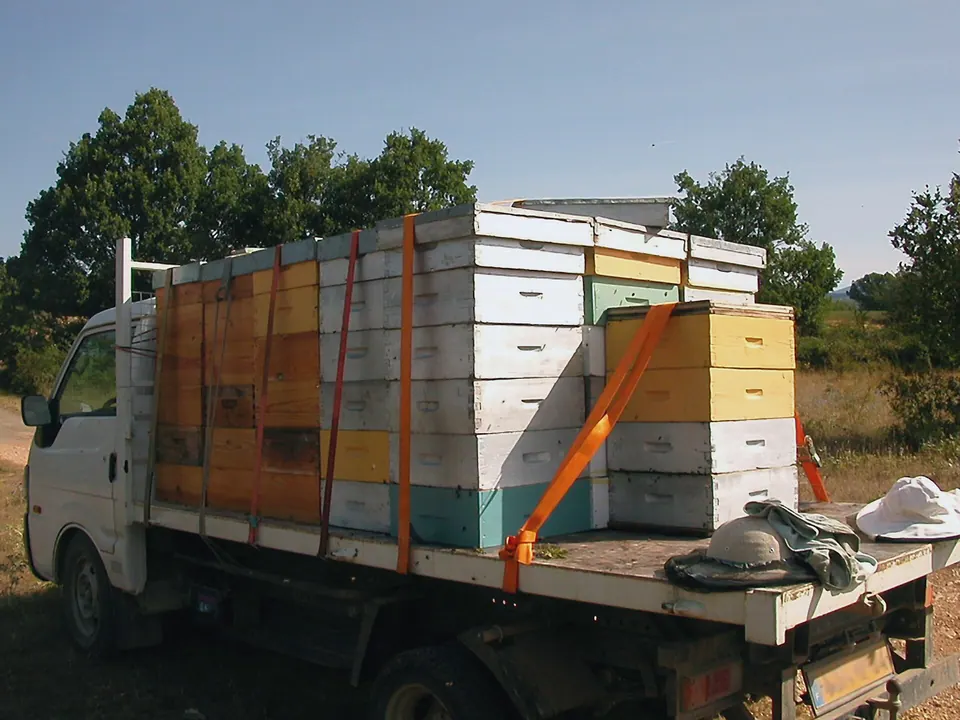
Packages and queens also cross state lines constantly. Reputable suppliers handle the certificates; ask for them, and buy bees from local or regional suppliers when you can.
If you suspect a reportable disease
More signs and next steps are in our hive problems troubleshooting guide.
Mistakes to avoid
- Assuming the rules from a beekeeping forum or another state apply to you.
- Buying a hive before checking city zoning and HOA covenants.
- Skipping registration in a state that requires it; some states tie help or compensation to registration.
- Moving used equipment or bees across state lines without asking about permits.
- Moving frames from a colony you suspect has AFB.
- Selling honey without checking food and label rules, which are separate from apiary law.
Who needs to pay closest attention?
- New backyard beekeepers: check local zoning and HOA rules first, then registration. Our first hive and backyard and urban hubs list compact gear.
- Anyone selling bees, nucs or queens: expect permits, inspections or certificates in many states.
- Honey sellers: apiary law plus food and label law; see how to sell honey at farmers markets.
- Beekeepers who move hives: entry permits and health certificates for every state you cross.
If you are still deciding whether to start, read how to start beekeeping next.
Once you know the rules, our best beehives for beginners and honey jars pages cover the hive and the jars you will register and label.
Before you buy bees, spend twenty minutes on three calls or searches: your state apiary program, your city or county zoning office and, if you have one, your HOA. Register if your state asks, keep records, and treat suspected American foulbrood as a phone call to your state apiarist, not a do-it-yourself project.
We opened each state program URL in November 2026 and linked it only if it loaded an official apiary or plant-industry page; starting points came from the Apiary Inspectors of America directory. Notes repeat only statements on the state's own materials. States where we could not confirm a specific page are marked "contact your state department of agriculture". General information, not legal advice.
Questions
Do beekeeping laws by state require registration?
Can I keep bees in my backyard?
Who is my state apiarist?
Is American foulbrood reportable?
Do I need a permit to move bees to another state?
Do I need a license to sell honey?
Sources
- Apiary Inspectors of America: US inspection services (state contacts)
- New York State Department of Agriculture and Markets: Honey Bee Health
- Texas Apiary Inspection Service: American Foulbrood
- Tennessee Department of Agriculture: Apiary
- Idaho State Department of Agriculture: Apiary Program
- Virginia Department of Agriculture and Consumer Services: Beekeeping & Apiary Inspection