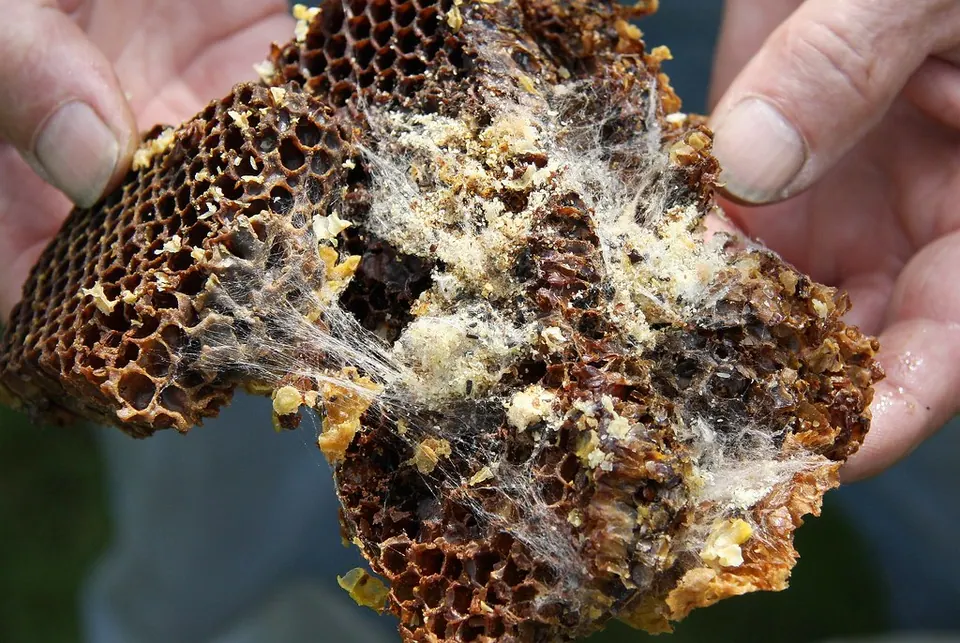
- Most hive problems show up first as a change in the brood: no eggs, spotty brood, odd cappings or dead larvae.
- Queen problems (queenless, drone-laying queen, laying workers) are the most common surprises for new beekeepers.
- Robbing, small hive beetles and wax moths mostly hit weak colonies. Keeping colonies strong and entrances right-sized prevents a lot.
- American foulbrood is reportable in many states: close the hive, move nothing and contact your state apiarist. Varroa needs a mite count against the HBHC 9th-edition thresholds.
Hive problems are part of every beekeeper's year, and the hardest part is often naming what you are looking at. This troubleshooting index lists the problems backyard beekeepers meet most often, what each one looks like on the frame, the first step to take and, where it helps, the gear that makes the fix easier.
Disease guidance comes from state apiary inspection services, university extension and the Honey Bee Health Coalition (HBHC). It is a starting point, not a diagnosis. When in doubt, especially with any brood disease, ask your state apiarist or an experienced local mentor to look at the frame with you.
Hive problems at a glance
Common hive problems and first steps
| Problem | What you see | First step |
|---|---|---|
| Queenless | No eggs or young larvae; possibly queen cells; restless, noisy bees | Look carefully for eggs; add a frame of eggs from another colony as a test |
| Laying workers | Several eggs per cell, eggs on cell walls, drones in worker cells | Get advice; combining with a queenright colony is a common fix |
| Drone-laying queen | Single eggs but bullet-shaped drone cappings in worker comb | Replace the queen |
| Robbing | Fighting at the entrance, torn cappings, wax flakes on the landing board | Reduce the entrance, close up, remove any exposed honey or syrup |
| Small hive beetle | Small dark beetles running from light; larvae and slimed, fermenting comb | Keep the colony strong; traps between frames; fewer empty boxes |
| Wax moth | Webbing, tunnels through comb, cocoons on woodwork | Remove damaged comb; freeze and store spare comb correctly |
| Chalkbrood | White to gray chalky mummies in cells or at the entrance | Improve ventilation and colony strength; consider requeening if it persists |
| European foulbrood (EFB) | Twisted, dull, yellow to brown larvae; rubbery scale; sour smell | Contact your state apiarist to confirm; strengthen or requeen |
| American foulbrood (AFB) | Sunken, perforated cappings; ropy dead larvae; brittle black scale; foul smell | ✗ Stop. Close the hive, move nothing, contact your state apiarist |
| Varroa / deformed wings | Bees with crumpled wings; mites on bees; mite count over threshold | Do an alcohol wash; act on HBHC thresholds with an EPA-registered product per label |
How do you know if a hive is queenless?
The clearest sign is the absence of eggs and young larvae during the season when the colony should be raising brood. Other clues: emergency queen cells on the face of the comb, a louder, agitated hum when you open the box, and bees that seem unsettled.
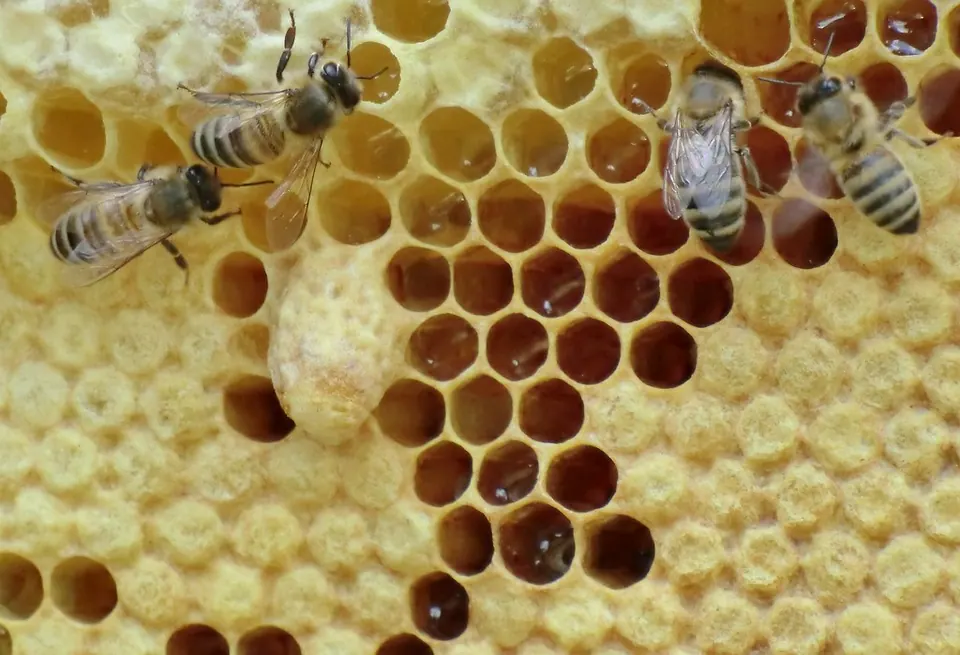
Eggs are easy to miss. Hold the frame with the sun behind you and look straight into the cells. If you are still unsure, the classic test is to give the colony a frame with eggs and very young larvae from another hive. If they start queen cells on it, they are queenless; if they do not, a queen (perhaps a new, not-yet-laying one) is probably present.
Timing matters. If the colony recently swarmed or raised its own queen, a virgin queen needs time to emerge, mate and start laying, so a short gap in eggs can be normal. Note dates in your inspection log before you decide.
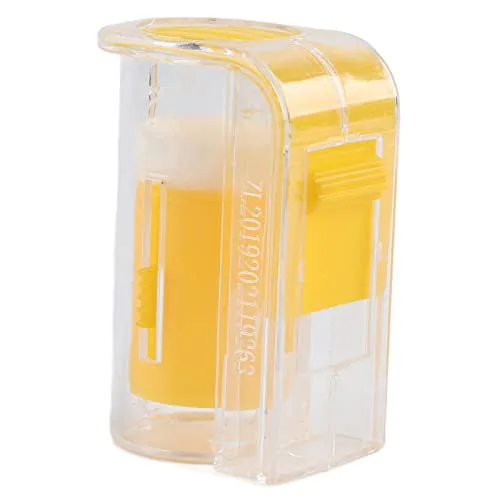
GLOGLOW One-Handed Queen Catcher and Marker Tube
- Type
- One-handed catcher and plunger marking tube
- Material
- Plastic
Best for Marking queens
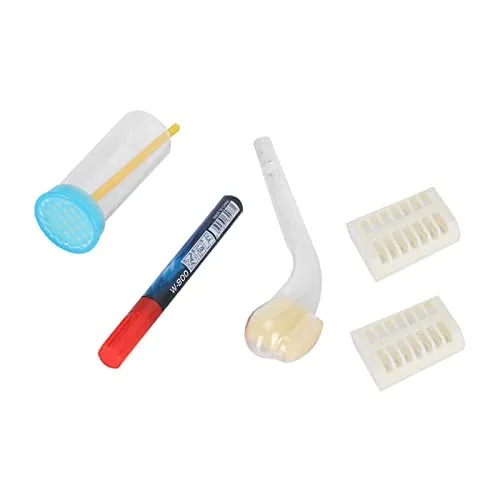
Yosoo Queen Marking Kit: Pen, Bottle, Catcher, Cage
- Material
- Plastic
- Includes
- Water-based marker pen, marking bottle, catcher, cage
Best for First queen-marking kit
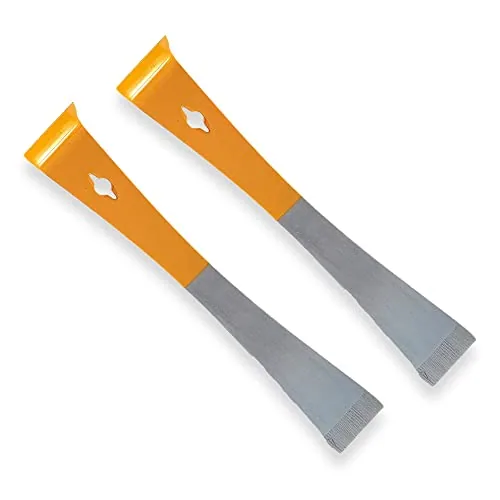
Foxhound Bee Co 304 Stainless Hive Tool, 2 Pack
- Material
- 304 stainless steel
- Count
- 2
- Finish
- Orange painted
Best for Hive tools that are hard to lose
Replacement queens and nucs come from local and regional suppliers, not from online retail listings. Ask your local beekeeping association who sells mated queens near you.
Laying workers and drone-laying queens
In a colony that stays queenless too long, some workers start laying unfertilized eggs. Laying workers usually leave several eggs in one cell, eggs stuck to the cell walls instead of the base, and drone brood in worker-sized cells, so the cappings look raised and bullet-shaped.
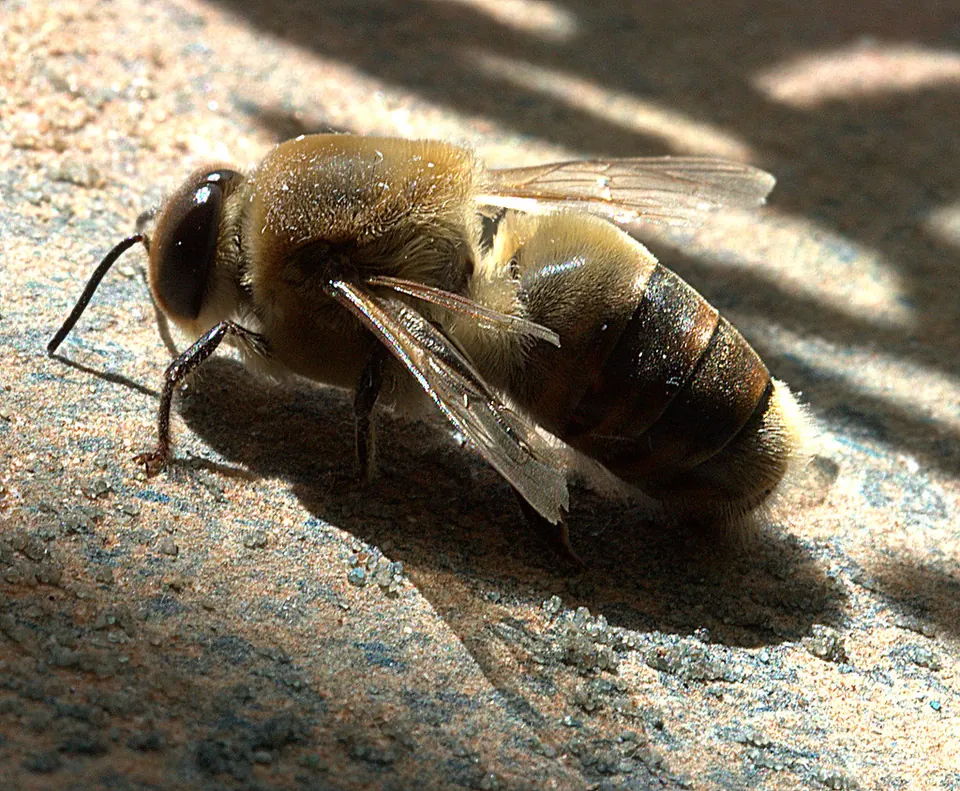
A drone-laying queen also produces drone brood in worker cells, but usually with one egg per cell in a neater pattern. She has run out of stored sperm or was poorly mated; replacing her is the fix.
Laying-worker colonies often reject a new queen. Common approaches include combining the colony with a strong queenright colony or shaking the bees out some distance away so the field bees return to other hives. Ask a mentor to look before you choose.
How to stop robbing in a beehive
Robbing happens when bees from other colonies (or wasps) raid a hive for honey, usually during a nectar dearth. Watch for fighting at the entrance, bees wrestling on the landing board, frantic zig-zag flight and torn cappings with wax crumbs on the bottom board.
- Close the hive quickly
Finish the inspection fast and put the lid back on. Avoid long inspections during a dearth.
- Reduce the entrance
Narrow the entrance to a bee-width or two so guards can defend it. A sliding reducer lets you adjust as the colony grows.
- Remove temptation
Never leave honey, wet frames or spilled syrup in the open. Feed inside the hive, not in open containers in the yard.
- Check the weak colony afterward
A robbed colony may have lost its stores and morale. Check for the queen and food, and combine it if it is too weak to recover.


Small hive beetles and wax moths
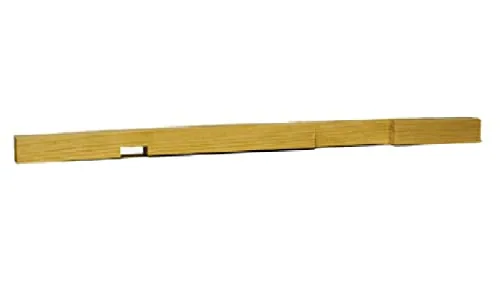
Both pests take advantage of comb that bees cannot patrol. Strong colonies on the right number of boxes are the best defense.
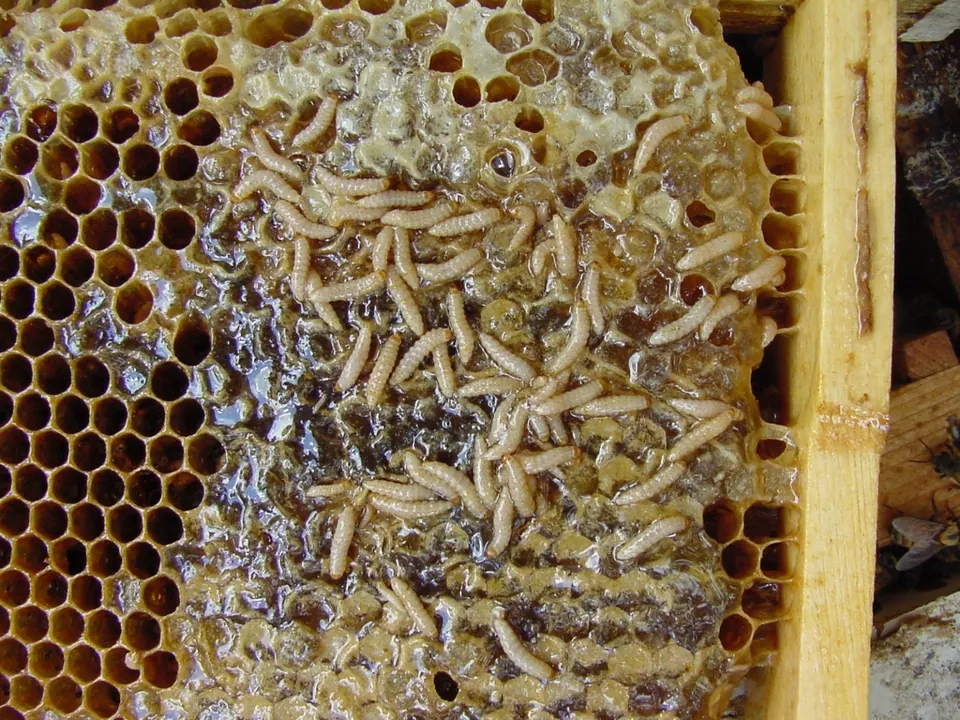
Small hive beetle
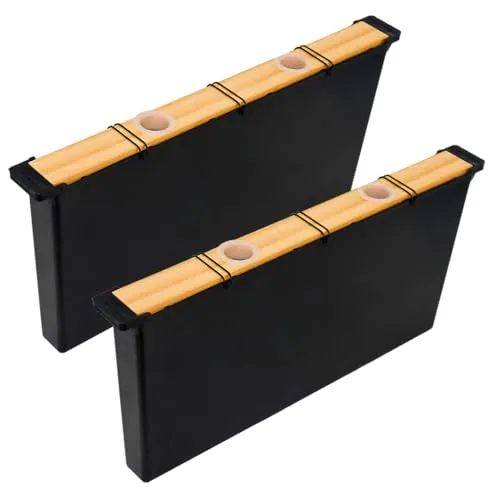
Adult beetles are small and dark and run from light when you open the hive. The damage comes from the larvae, which feed on honey, pollen and brood and can leave comb slimy and honey fermenting. The problem is worst in warm, moist soils in the Southeast. Keep colonies strong, avoid too many empty boxes, and hang beetle traps between frames. Extracted supers and honey house waste attract beetles too.

Foxhound Small Hive Beetle Traps, Reusable, 12
- Type
- Oil trap, hangs between frames
- Count
- 12
- Material
- Reusable plastic
Best for Small hive beetle control
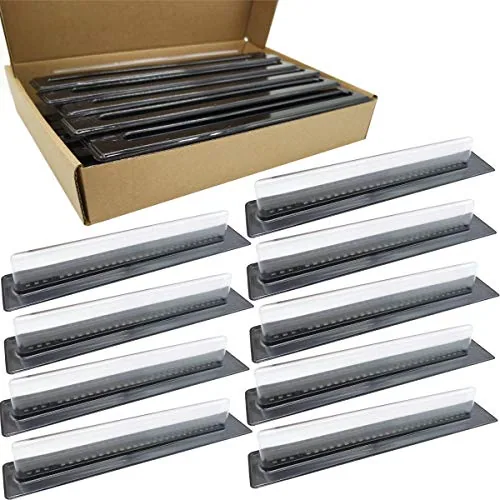
TIHOOD Small Hive Beetle Traps, 12 Pack
- Type
- Beetle trap
- Count
- 12
- Size
- 8.86 x 1.38 x 1.38 in
Best for Small hive beetle control
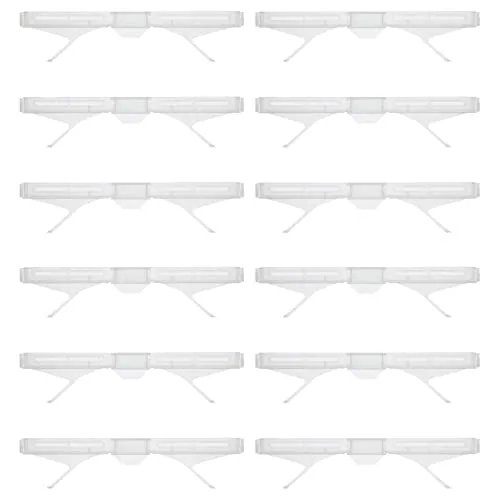
Zelerdo Small Hive Beetle Blaster Traps, 12 Pack
- Type
- Beetle trap (between frames)
- Count
- 12
- Size
- 7 x 1.1 x 0.5 in
Best for Small hive beetle control
Some EPA-registered products list small hive beetle on the label; the CheckMite+ listing names both varroa and small hive beetle as targets. Use any pesticide only exactly as its label directs.
Wax moth
Wax moth larvae tunnel through comb and leave silk webbing and cocoons on the woodwork. Mississippi State Extension notes there is no chemical control for wax moths in living colonies; the defense is a strong, healthy, queenright colony. For stored comb, extension guidance is to freeze dried combs to kill eggs before storage and to avoid naphthalene mothballs, which contaminate comb and honey.
Chalkbrood and European foulbrood
Chalkbrood is a fungal brood disease. Dead larvae turn into hard, chalky white or gray mummies that you may find in cells or on the landing board. It is often linked to stress and damp conditions. Improving ventilation and colony strength usually helps; if a colony keeps showing it, requeening is a common step.
European foulbrood is a bacterial brood disease. The Texas Apiary Inspection Service describes infected larvae turning from pearly white to yellow to brown, looking twisted and dull, and drying to a rubbery scale that is easy to remove, often with a spotty brood pattern and a sour smell. EFB is linked to stress such as nectar dearths and high mite loads. Because it can be confused with AFB, ask your state apiarist to confirm before you act. Do not buy or use antibiotics on your own.
American foulbrood: stop and call your state apiarist
Find your state's contact in our beekeeping laws by state table or the Apiary Inspectors of America directory.
Varroa mites and deformed wing virus
Bees with crumpled, deformed wings are a red flag for a high varroa load, because mites spread the virus that causes them. Do not guess: take a sample of about 300 adult bees from the brood nest and count mites with an alcohol or soapy-water wash. Divide mites by bees and multiply by 100, then compare the result with the HBHC thresholds for your colony's phase.
Varroa thresholds by colony phase (mites per 100 adult bees), HBHC 9th edition
| Colony phase | Immediate control not needed | Promptly control |
|---|---|---|
| Dormant Little or no brood; winter cluster (sample just before clustering) | ✓ below 1% | ✗ 1% or more |
| Population increase Late winter to spring build-up, brood expanding | ✓ below 1% | ✗ 1% or more |
| Peak population Summer, colony at full size, supers often on | ✓ below 2% | ✗ 2% or more |
| Population decrease Late summer to fall, brood rearing slowing | ✓ below 2% | ✗ 2% or more |
Source: Honey Bee Health Coalition, Tools for Varroa Management, 9th edition (June 11, 2026), Table 1. Thresholds can vary by region; ask your state apiarist.
Varroa mite threshold calculatorEnter your mite count and sample size to see where you stand against the HBHC 9th-edition thresholds.If you need to treat, use only EPA-registered varroa products, exactly per the label, and check whether honey supers can stay on. Our varroa mite treatment guide and how to do an alcohol wash cover the details.

Foxhound Varroa Easy Check Mite Tester
- Type
- Mite tester
- Methods
- Alcohol wash, soapy water, sugar shake
Best for Regular mite counts
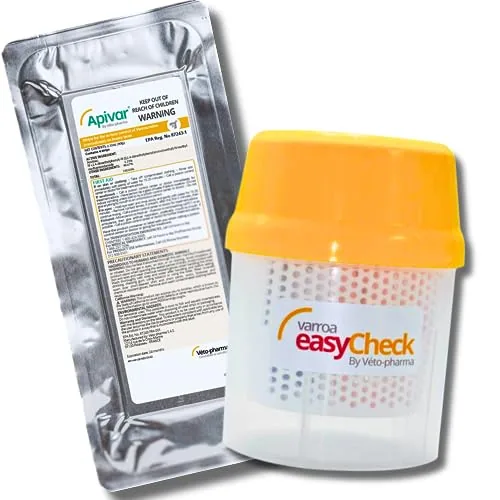
Apivar Strips (4) + Varroa Easy Check
- Active ingredient
- Amitraz
- Doses
- 4 strips
- EPA Reg. No.
- 87243-1
Best for Starting mite control on 1–2 hives
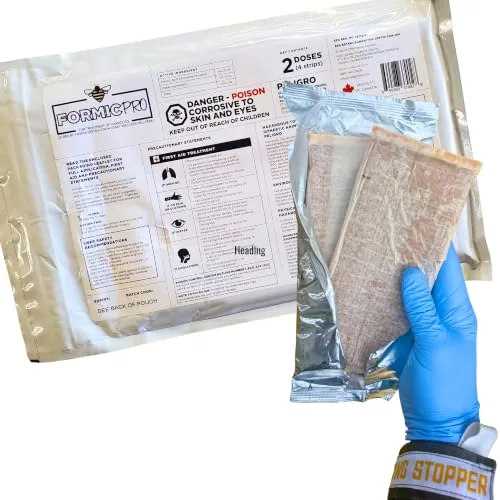
Formic Pro Formic Acid Varroa Strips, 2 Doses
- Active ingredient
- Formic acid
- Doses
- 2 doses
- Use season
- 50–85°F; supers allowed per label
Best for One backyard colony
Apivar lists EPA Reg. No. 87243-1 and is used without honey supers; Formic Pro (EPA Reg. No. 75710-3) allows supers on, with daytime highs of 50 to 85°F per its label. Never use wood-bleach or other unregistered oxalic acid.
To choose a registered product, see the best varroa mite treatments, Apivar vs Formic Pro and oxalic acid vaporization vs dribble.
How to troubleshoot a hive step by step
- Watch the entrance first
Normal traffic, pollen coming in and calm guards are good signs. Fighting, dead bees piling up, crawling bees or no activity on a warm day tell you where to look.
- Open calmly and check brood
Look for eggs, young larvae and capped brood in a solid pattern. Smell the frame. Note anything unusual.
- Check food stores
Look at honey and pollen. Hunger, robbing and dwindling often go together.
- Count mites
If you have not sampled this month, do an alcohol wash now.
- Photograph and write it down
Clear photos of odd brood help a mentor or inspector. Record what you saw and when.
- Call for help early
Any brood disease you are not sure about is a reason to call your state apiarist before you act.
Mistakes to avoid
- Moving frames from a sick or dead colony into healthy ones before you know why it failed.
- Treating with antibiotics or unregistered chemicals on your own.
- Declaring a colony queenless after one quick look; eggs are easy to miss.
- Leaving extra empty boxes on a small colony; beetles and moths move in.
- Inspecting slowly in a dearth with honey frames lying exposed.
- Skipping mite counts because the bees look fine.
Who should handle which problem?
- You, with a mentor: queen problems, robbing, beetles, wax moth and chalkbrood.
- You, with a mite count and an EPA-registered product: varroa, following HBHC thresholds and the label.
- Your state apiarist first: anything that looks like foulbrood, and any sudden die-off you cannot explain.
Browse bee health and feeding gear, or start from the first hive hub. For a routine that catches problems early, read how to inspect a beehive.
Most hive problems are visible on the brood frames if you know what to look for. Handle queen issues, robbing, beetles and wax moths with good management and a mentor; handle varroa with counts and EPA-registered products used per label; and treat any suspected American foulbrood as a call to your state apiarist before anything else.
Symptoms and first steps come from the Texas Apiary Inspection Service, Mississippi State and UF/IFAS extension, and the Honey Bee Health Coalition's 9th-edition varroa guide; product details are copied from maker listings. This is not a diagnosis; we did not inspect colonies.
Questions
What are the most common hive problems for beginners?
How can I tell AFB from EFB?
What should I do if my hive is queenless?
Why are my bees fighting at the entrance?
Are small hive beetles dangerous to my colony?
Can I treat foulbrood myself?
Sources
- Texas Apiary Inspection Service: American Foulbrood
- Texas Apiary Inspection Service: European Foulbrood
- Texas Apiary Inspection Service: Small Hive Beetle
- Honey Bee Health Coalition: Tools for Varroa Management, 9th edition (2026)
- EPA: Registered pesticide products approved for use against varroa mites
- Mississippi State University Extension: Minor Pests of Honey Bees in Mississippi
- Mississippi State University Extension: Small Hive Beetle (P2825)
- UF/IFAS EDIS: Wax Moth Control (ENY121/AA141)
- UF/IFAS EDIS: Small Hive Beetle, Aethina tumida (EENY-474/IN854)
- UF/IFAS EDIS: European Honey Bee (EENY568/IN1005)
- Apiary Inspectors of America: US state contacts