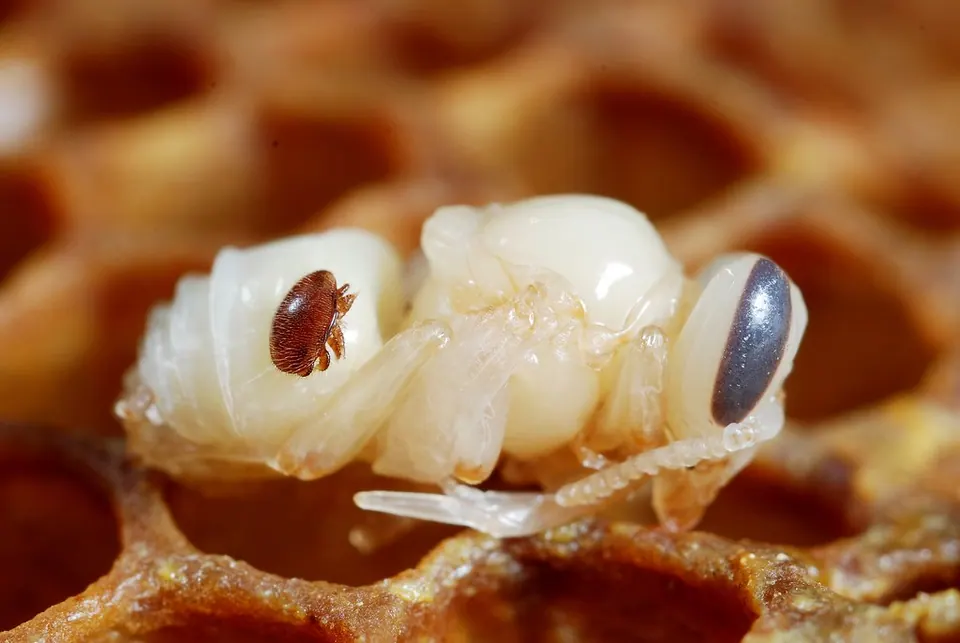
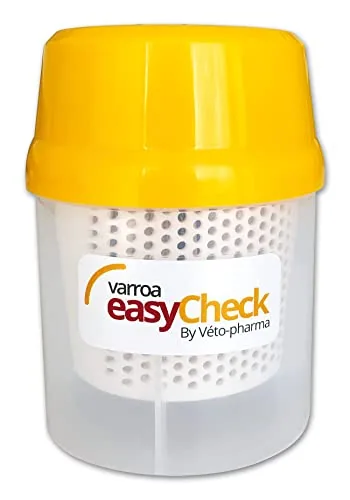
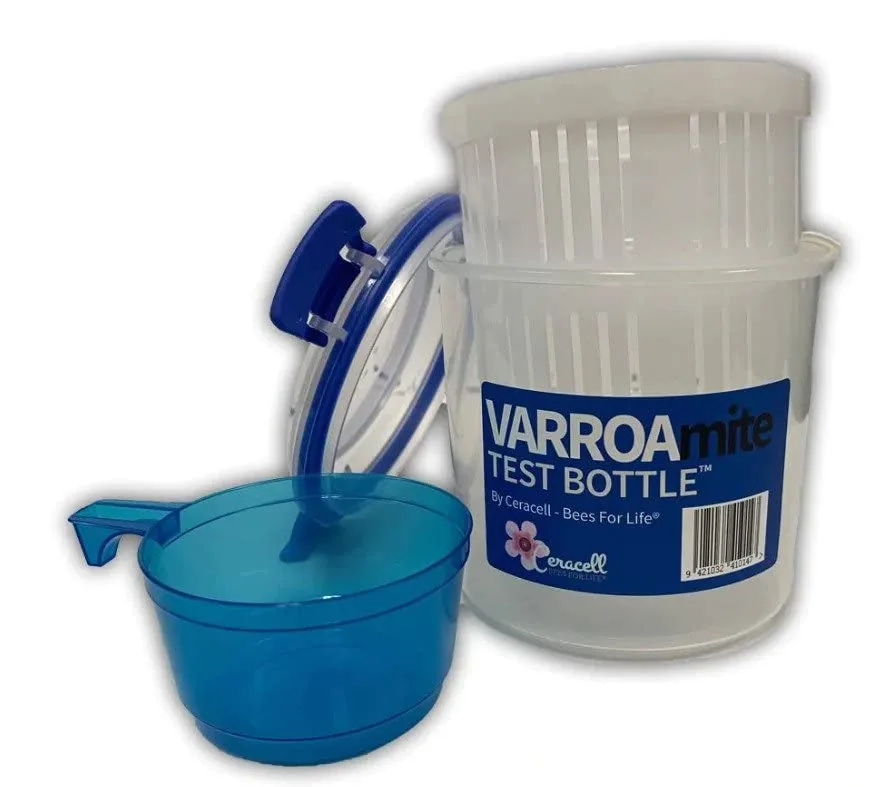
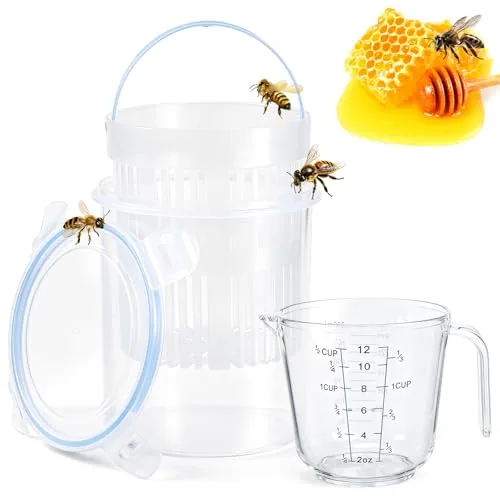
- Varroa mite treatment starts with a count: an alcohol or soap wash of about 300 bees, compared with the HBHC 9th-edition threshold for the season.
- The 9th edition (June 11, 2026) says to promptly control at 1 or more mites per 100 bees in the dormant and population-increase phases, and at 2 or more at peak population and population decrease.
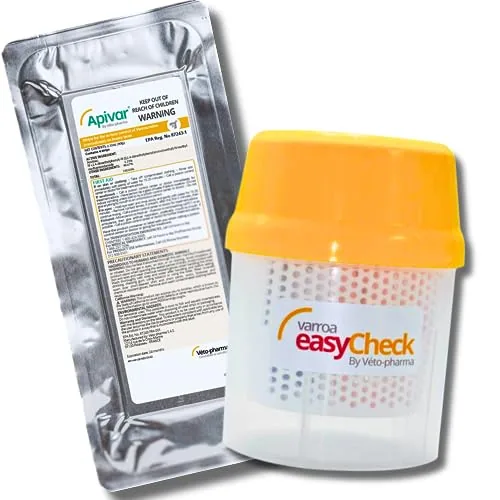
- Use only EPA-registered products, exactly as the label says. The label sets the dose, the temperature range, the treatment length and whether honey supers can stay on.
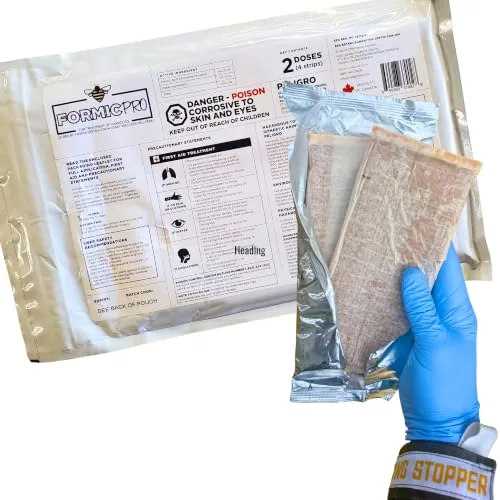
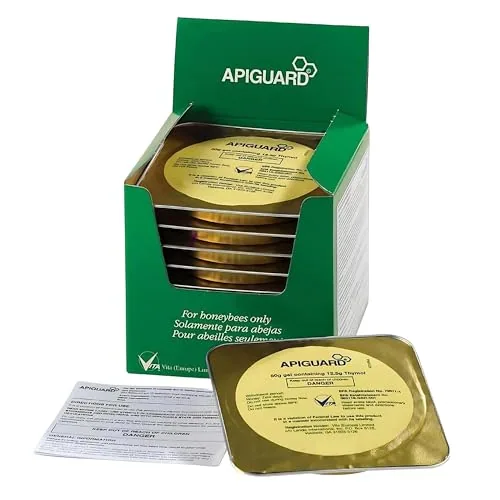
- With supers on, HBHC lists products such as Formic Pro and HopGuard 3; Apivar and thymol products such as Apiguard are for times with no supers.
- Never use wood-bleach or “for bees” oxalic acid that has no EPA registration number. Re-test 2–3 weeks after any treatment.
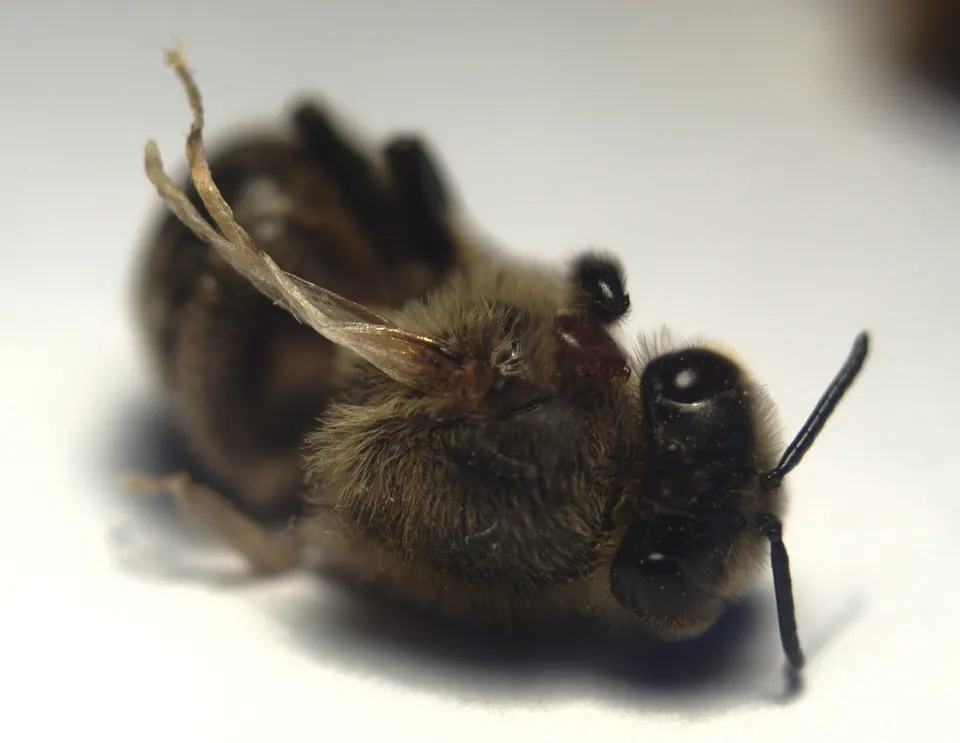
Varroa mite treatment is not a calendar ritual; it is a decision you make from a count. Varroa destructor feeds on developing and adult bees and spreads viruses such as deformed wing virus. A colony can look strong in August and collapse by February if its winter bees were raised under a heavy mite load. The Honey Bee Health Coalition (HBHC) guide Tools for Varroa Management is the reference most US extension programs use, and its 9th edition (June 11, 2026) lowered the action thresholds.
This guide covers the thresholds, the registered treatment options by season, and how to keep treatments working. Everything here follows the HBHC 9th edition and the EPA list of registered varroa products. Check your count with the mite threshold calculator before you buy anything.
When does a colony need varroa mite treatment?
HBHC sets thresholds by colony phase, because the same number of mites does more damage to a small colony building up in spring than to a full-size colony in summer. The numbers are mites per 100 adult bees, from a sample of about 300 bees taken from the brood nest.
Varroa thresholds by colony phase (mites per 100 adult bees), HBHC 9th edition
| Colony phase | Immediate control not needed | Promptly control |
|---|---|---|
| Dormant Little or no brood; winter cluster (sample just before clustering) | ✓ below 1% | ✗ 1% or more |
| Population increase Late winter to spring build-up, brood expanding | ✓ below 1% | ✗ 1% or more |
| Peak population Summer, colony at full size, supers often on | ✓ below 2% | ✗ 2% or more |
| Population decrease Late summer to fall, brood rearing slowing | ✓ below 2% | ✗ 2% or more |
Source: Honey Bee Health Coalition, Tools for Varroa Management, 9th edition (June 11, 2026), Table 1. Thresholds can vary by region; ask your state apiarist.
Action thresholds: 9th vs 8th edition
Mites per 100 adult bees at which HBHC says to control (8th edition shown at the top of its range)
Many websites and older extension calendars still use “3%” as the action level. That figure comes from the older guidance, including the 8th edition’s peak-population level. Under the 9th edition, a 3% count at any phase calls for prompt control.
Which treatments can you use, and when?
HBHC sorts registered products by colony phase and by whether honey supers are on, because many treatments can’t be used while you collect honey for people to eat. The table summarizes that sorting. The label of the product you buy always overrides a summary like this one.
EPA-registered varroa options and when HBHC lists them
| Product (active ingredient) | EPA Reg. No. | Honey supers on? | Where HBHC lists it | Notes |
|---|---|---|---|---|
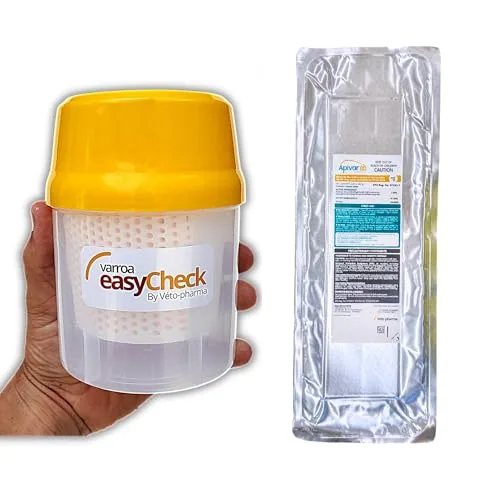
| Apivar (amitraz strips) | 87243-1 | ✗ no | Periods with no supers | Strip product; label limits uses per year |
| Apivar 2.0 (amitraz) | see EPA list | ~ check label | Per label | Newer formulation; read its own label |
| Apiguard (thymol gel) | see EPA list | ✗ no | Periods with no supers | Temperature-dependent; listing calls for 2 trays per colony |
| ApiLife Var (thymol blend) | see EPA list | ✗ no | Periods with no supers | Temperature-dependent |
| Formic Pro (formic acid) | 75710-3 | ✓ yes, per label | Peak population (supers on) | Label: daytime highs 50–85°F on application day (listing shows 84°F); maker says it reaches mites under cappings |
| HopGuard 3 (hop beta acids) | see EPA list | ✓ yes, per label | Peak (supers on), dormant | Strips; repeat only as the label allows |
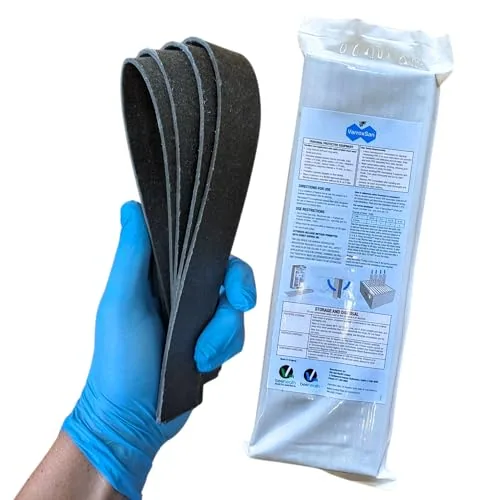
| VarroxSan (oxalic acid strips) | 94413-3 | ~ separated from supers by one chamber | Peak, dormant | Extended-release strips |
| Api-Bioxal (oxalic acid) | 73291-2 (powder); 73291-3 (RTU) | ~ labels allow supers on | Dormant / broodless | Powder: dribble or vaporization per label; RTU: dribble only. Goggles and respirator per label |
| Norroa (vadescana, dsRNA) | see EPA list | ~ check label | Per label | Registered by EPA in September 2025 |
Source: HBHC Tools for Varroa Management, 9th ed.; EPA registered varroa products list
Where we write “see EPA list”, look the product up by name or registration number in the EPA’s pesticide product label system and read the current label before you buy. Registrations and labels are updated over time.
Product by product: best varroa mite treatments and Apivar vs Formic Pro.
How to treat varroa mites, step by step
- Count before you treat
Wash about 300 bees from a brood frame (not the queen’s) and work out mites per 100 bees. See how to do an alcohol wash.
- Identify the phase and the supers
Is the colony dormant, building up, at peak or declining? Are honey supers on, and will they be during the treatment period? That narrows the list.
- Check the temperature window
Most products have one. Formic Pro’s label calls for daytime highs of 50 to 85°F on the day of application (its listing prints 84°F), for example, and thymol products work poorly when it is cool and can stress bees when it is hot. Look at the forecast for the whole treatment period.
- Read and follow the label
Dose, placement, treatment length, protective equipment and the supers rule all come from the label. The label is the law.
- Wear the protective equipment listed
HBHC calls for goggles or a face shield and a respirator for every oxalic acid method. Formic and other products list their own gloves and eye protection; use exactly what the label names.
- Remove the treatment on time
Strips left in too long expose mites to declining doses, which helps resistance develop. Note the removal date in your log.
- Re-test 2–3 weeks after treatment
A treatment that didn’t bring the count below threshold may have been used outside its temperature range, or mites may be resistant. Switch to a product with a different active ingredient.
What about oxalic acid vaporizers?
Vaporizers are devices, not treatments. They heat a measured dose of oxalic acid so it sublimates into the hive. They are legal to use only with a registered oxalic acid product whose label allows vaporization, at the label dose, typically in broodless or low-brood periods when mites can’t hide under cappings. The vapor is hazardous to people: HBHC requires eye protection and a respirator rated for acid vapors.
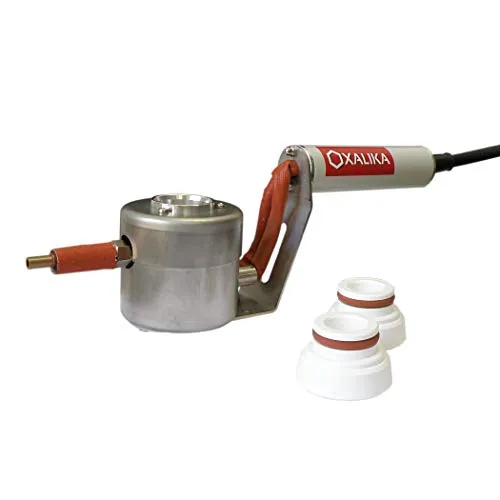
OXALIKA PRO Easy 110V Oxalic Acid Vaporizer
- Power
- 110V, 300W
- Cycle
- 10–25 s per treatment
- Dispenser
- Medium tube
Best for Hives near a power outlet
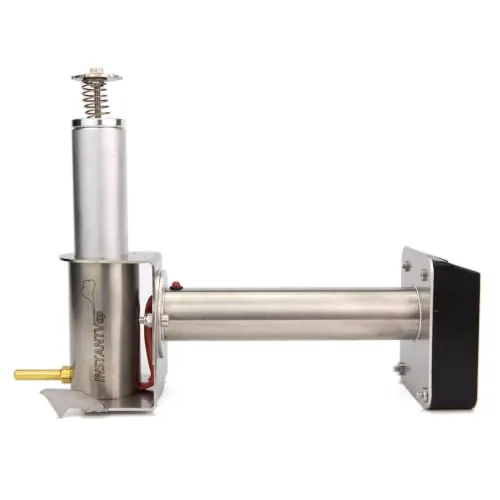
InstantVap Lite Cordless OA Vaporizer, 20V
- Power
- 20V DeWalt-fit battery (not included)
- Dose capacity
- 1–4 g
- Cycle
- 2 g in about 25–30 s
Best for Backyard OA vaporizing
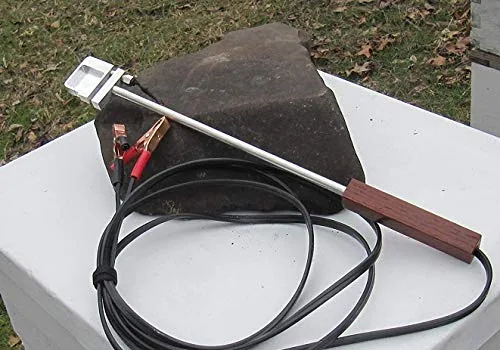
Scott Bee Farm Mite Oxalic Acid Vaporizer v.03.25
- Power
- Battery clips (glow plug heater)
- Cord
- 12 ft lead
Best for Battery-powered OA vaporizing
The vaporizers above are compared by listed power, voltage and cycle time only. None of them make unregistered oxalic acid legal. Registered OA products such as Api-Bioxal are mostly sold through bee-supply dealers.
Compare the two oxalic acid methods in oxalic acid vaporization vs dribble and the devices in the best oxalic acid vaporizers.
Non-chemical tools that lower mite loads
HBHC’s guide also covers methods that reduce mites without a pesticide. They work best combined with regular counts and, when needed, a registered treatment.
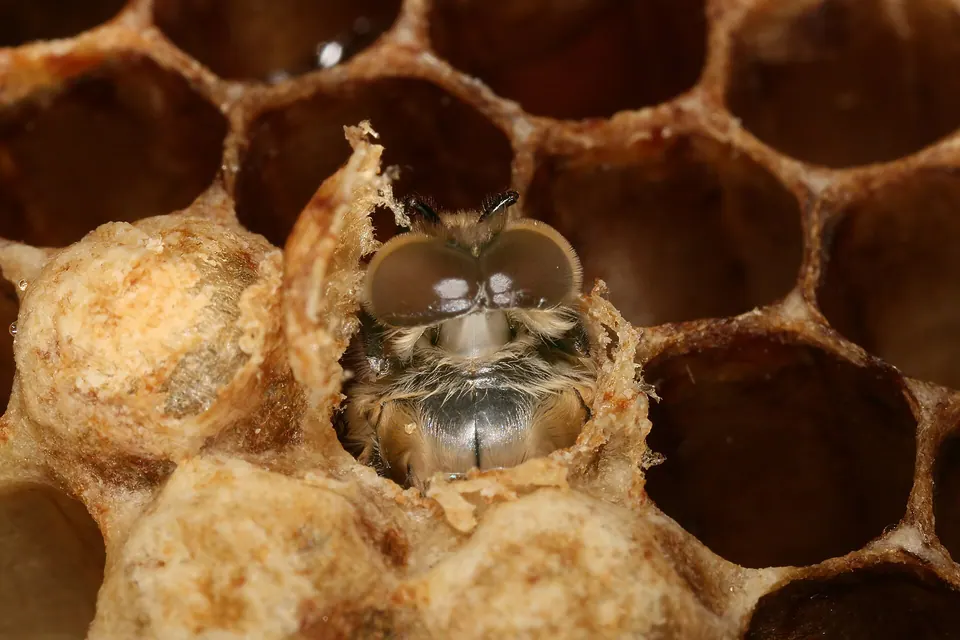
- Brood breaks: a split, a caged queen or a swarm leaves the colony briefly broodless, so mites have nowhere to reproduce. Utah State notes that a queenless period after a split can reduce varroa.
- Drone-comb trapping: mites prefer drone brood. Some calendars, such as our Deep South calendar, suggest drone-comb trapping from February to May, removing the capped drone comb before it emerges.
- Screened bottom boards: useful for monitoring mite drop with a sticky board, though HBHC treats a wash as the more reliable count.
- Mite-resistant stock: ask local queen producers about lines bred for hygienic behavior.
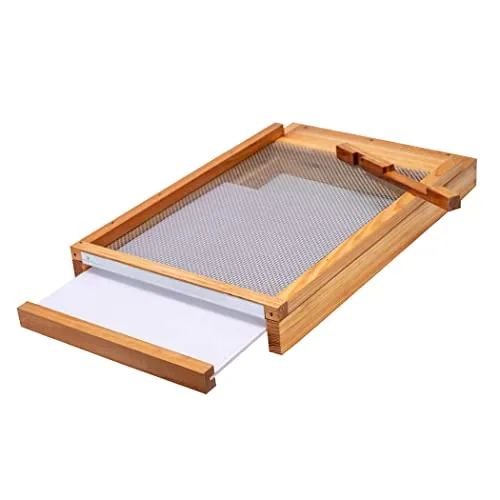
BeeCastle 10-Frame Screened Bottom Board, Waxed
- Size
- 16-1/4 x 22 x 2-9/16 in
- Material
- Solid wood, beeswax-dipped
- Type
- Screened bottom board
Best for Ventilated hive floors
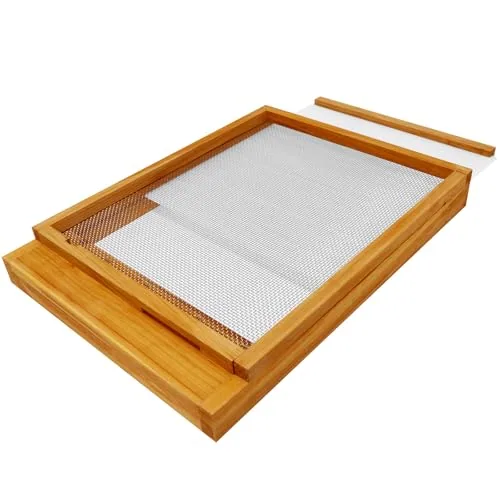
NUOMIC 10-Frame Screened Bottom Board, Cedar
- Material
- Cedar, double beeswax-dipped
- Type
- Screened bottom board
- Fits
- 10-frame Langstroth
Best for Summer ventilation
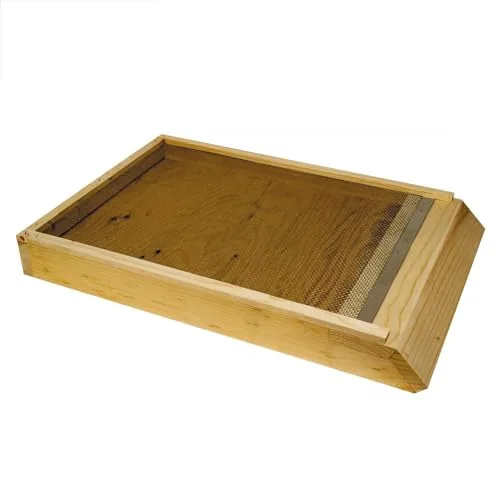
Harvest Lane Honey Screened Bottom Board
- Type
- Screened bottom board
Best for Ventilated hive floors
Varroa treatment mistakes to avoid
- Treating without counting. You can’t tell if it worked, or if it was needed.
- Using the old 8th-edition 3% rule. Under the 9th edition, the action level is 1–2% depending on phase.
- Treating with supers on when the label says not to. That honey can’t be sold or eaten.
- Treating late. In most regions, August is the month that protects winter bees. The beekeeping calendar shows the timing for your region, and the winterizing guide explains why it matters.
- Using the same active ingredient every time. Rotate to slow resistance.
- Homemade or wood-bleach oxalic acid. Not registered, not legal, and not safe to dose by guesswork.
- Skipping the re-test. Always confirm the count dropped.
Which approach suits your situation?
- Supers on in summer: look at products HBHC lists for supers-on use, such as Formic Pro or HopGuard 3, within their temperature range.
- After the harvest, before fall: more options open up once supers are off, including Apivar and thymol products.
- Broodless winter window: registered oxalic acid dribble or vaporization, per label. See winter prep.
- New beekeepers: start with a test jar and a calendar reminder; browse bee health and feeding for testers and registered products.
Effective varroa mite treatment starts with a count, not a product. Wash about 300 bees monthly, compare the result with the HBHC 9th-edition threshold for the season (1% dormant and increase, 2% peak and decrease), then choose an EPA-registered product that fits the temperature and your supers. Follow the label exactly, rotate active ingredients, re-test after every treatment, and never use unregistered oxalic acid.
Questions
When is the best time for varroa mite treatment?
How many mites is too many?
Can I treat for mites with honey supers on?
Is oxalic acid safe for bees and honey?
Do I need to treat a first-year package?
Why does a varroa mite treatment fail?
Sources
- Honey Bee Health Coalition: Tools for Varroa Management, 9th edition (June 11, 2026)
- Honey Bee Health Coalition: Tools for Varroa Management, 8th edition (2022)
- EPA: Registered pesticide products approved for use against varroa mites in bee hives
- EPA: Advisory on FIFRA and FFDCA applicability to substances used to control varroa mites
- EPA label: Api-Bioxal (EPA Reg. No. 73291-2), stamped July 7, 2026
- EPA label: Api-Bioxal RTU (EPA Reg. No. 73291-3)
- EPA label: Formic Pro (EPA Reg. No. 75710-3)
- EPA label: VarroxSan (EPA Reg. No. 94413-3)
- EPA Pesticide Product and Label System (search by registration number)
- Michigan State University: Summary of registered varroa products (2024)
- Utah State University Extension: Splitting the hive