- Apivar (amitraz, EPA Reg. No. 87243-1): strips stay in 42 days, up to 56. No temperature limit is noted. Never with honey supers on, and supers go back on 14 days after strip removal.
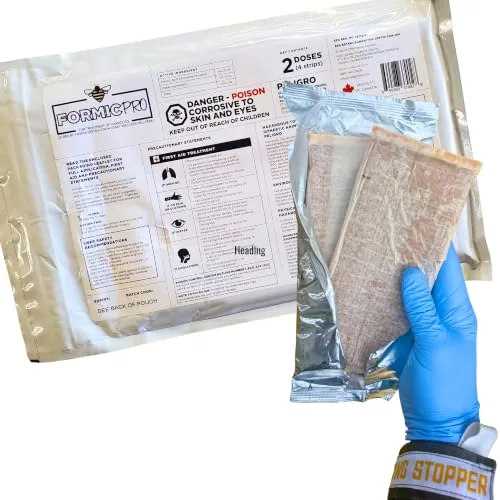
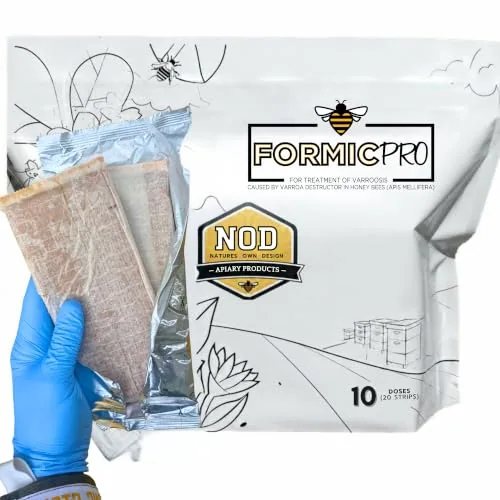
- Formic Pro (42.25% formic acid, EPA Reg. No. 75710-3): 14-day or 20-day option. Daytime highs must be 50 to 85°F on the day of application. Honey supers are allowed.
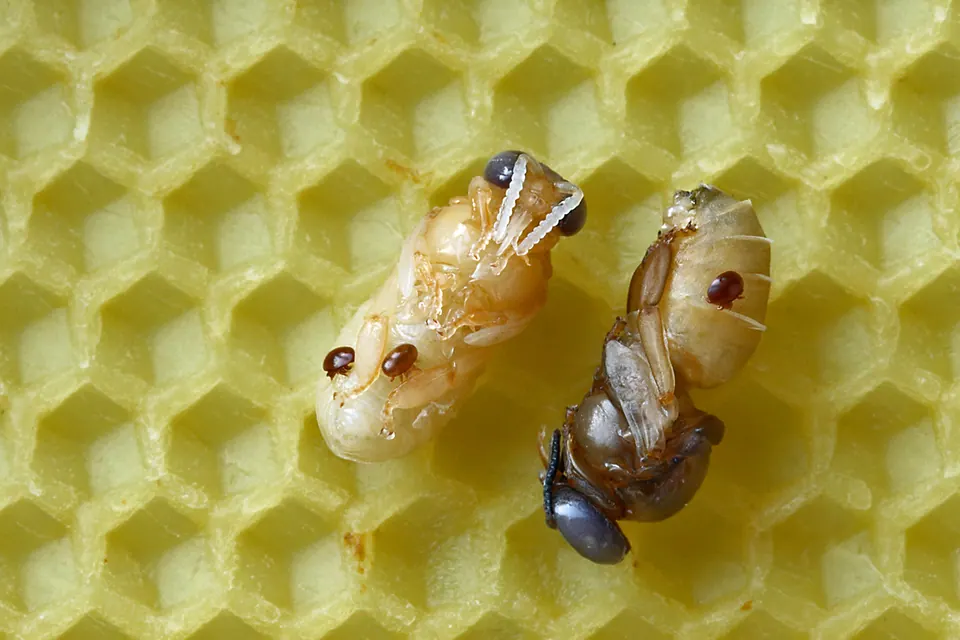
- Formic acid reaches mites under brood cappings; Apivar works over several mite generations as bees contact the strips.
- HBHC 9th edition: Formic Pro fits population increase and peak (supers on); Apivar fits spring before supering or right after the honey harvest.
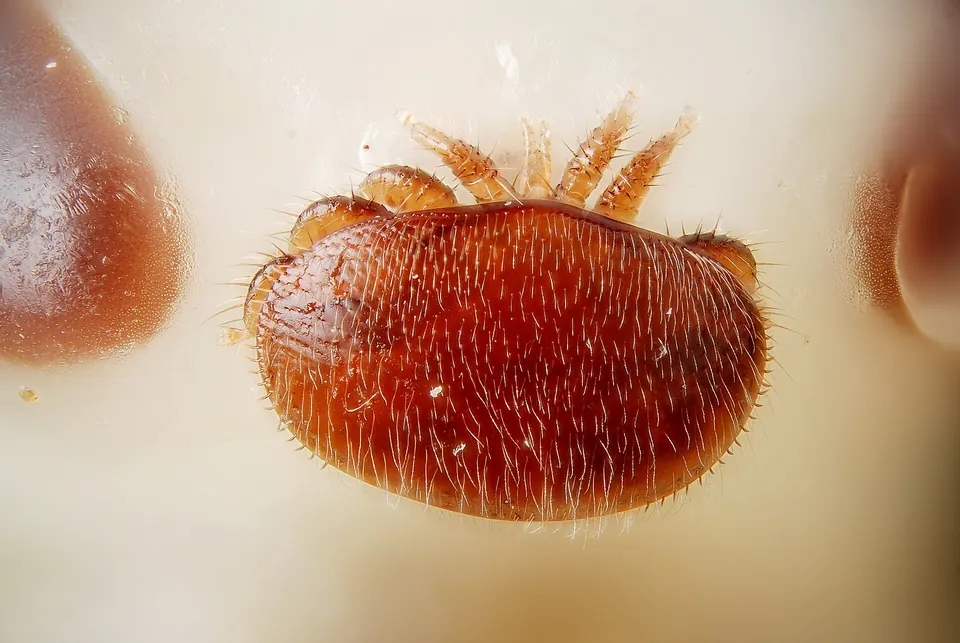
Apivar vs Formic Pro is the comparison most backyard beekeepers face when a mite wash comes back over threshold in late summer. Both are EPA-registered, both come as strips, and both are sold in backyard-sized packs. They work in opposite ways, and their labels set very different rules for temperature and honey supers.
This page compares the two using the EPA-stamped labels (Apivar master label dated July 1, 2021; Formic Pro label notification of December 1, 2023) and the Honey Bee Health Coalition's Tools for Varroa Management, 9th edition. The label on your package is the law; read it before you open the pack.
Formic Pro
Formic acid strips, 14 or 20 days, supers allowed
Picks from each side
Apivar
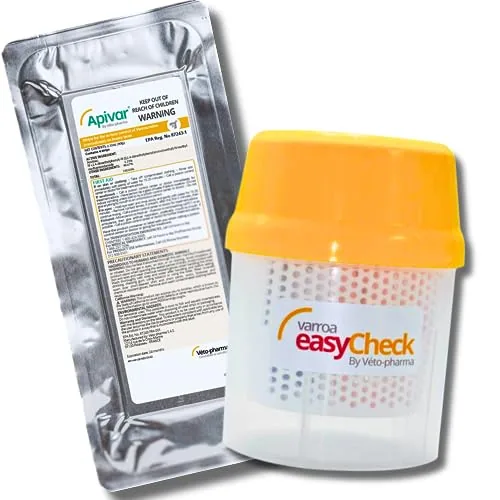
Apivar Strips (4) + Varroa Easy Check
- Active ingredient
- Amitraz
- Doses
- 4 strips
- EPA Reg. No.
- 87243-1
Best for Starting mite control on 1–2 hives
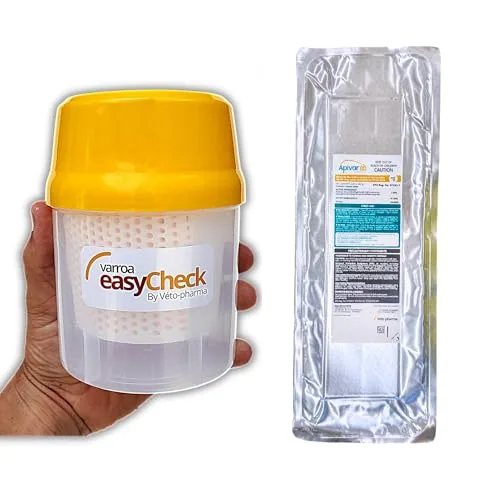
Apivar 2.0 Strips (4) + Varroa Easy Check
- Active ingredient
- Amitraz
- Doses
- 4 strips
- Includes
- Varroa Easy Check tester
Best for One or two backyard hives
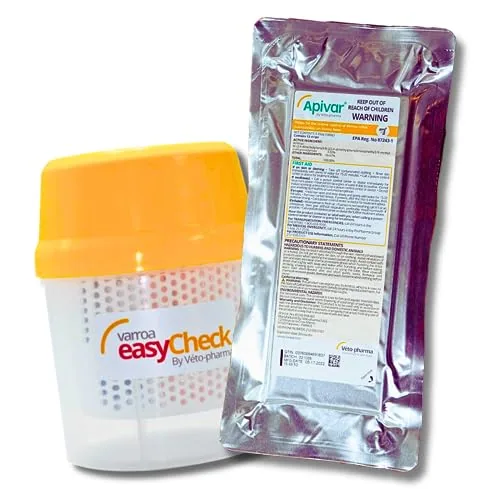
Apivar Strips (12) + Varroa Easy Check
- Active ingredient
- Amitraz
- Doses
- 12 strips
- EPA Reg. No.
- 87243-1
Best for Treating a small apiary
Formic Pro
Formic Pro Formic Acid Varroa Strips, 2 Doses
- Active ingredient
- Formic acid
- Doses
- 2 doses
- Use season
- 50–85°F; supers allowed per label
Best for One backyard colony
Formic Pro Formic Acid Varroa Strips, 10 Doses
- Active ingredient
- Formic acid
- Doses
- 10 doses
- Use season
- 50–85°F; supers allowed per label
Best for Treating during the honey flow
Apivar vs Formic Pro at a glance
Label comparison
| Apivar | Formic Pro | |
|---|---|---|
| Active ingredient | Amitraz | Formic acid, 42.25% |
| EPA Reg. No. / registrant | 87243-1, Véto-pharma | 75710-3, NOD Apiary Products |
| Dose | 2 strips per brood chamber (1 per 5 frames of bees) | Option 1: 2 strips for 14 days; Option 2: 1 strip, replaced on day 10, 20 days total |
| Time in hive | 42 days; up to 56 if strips are repositioned | 14 or 20 days; spent strips need not be removed |
| Temperature limit | ✓ None noted (HBHC) | ✗ Daytime highs 50 to 85°F on application day |
| Honey supers on | ✗ Not allowed; supers back 14 days after removal | ✓ Allowed; add a super if needed |
| Reaches mites in capped brood | ~ Kills successive generations as they emerge | ✓ Kills mites under cappings |
| Colony size | Strip count by frames of bees | Minimum 10,000 bees, about six deep frames |
| Hive setup | Strips in brood nest, 2 frames apart | Full-width bottom entrance open, reducers off, screened bottom closed |
| Feeding during treatment | ✓ Label notes no conflict | ✗ Do not feed in-hive |
| Frequency | Max 2 times a year (spring and fall) | At least one month between applications |
| Main risks per HBHC | Mite resistance to amitraz; wax and pollen residue | Brood mortality and queen loss, especially in heat |
Source: Apivar label (EPA 87243-1); Formic Pro label (EPA 75710-3); HBHC 9th ed.
Can you use Apivar or Formic Pro with honey supers on?
This is the biggest practical difference. The Apivar label says to remove honey supers before application, never to use the strips while supers are present, to remove all strips two weeks before the honey flow starts and to wait 14 days after removing strips before placing supers. Formic Pro's label lets you add a honey super with frames at application if strong colonies need room or a flow is expected, and allows queen excluders in place.
So when the mite count climbs in midsummer with supers full of nectar, Formic Pro is the label-compliant choice of the two. Apivar waits until the honey is off.
What temperatures does each label allow?
Apivar has no temperature window: HBHC notes no temperature conditions, and the label's approved claims include "no temperature constraint." Formic Pro does. Its label says outside daytime highs should be between 50 and 85°F on the day of application, and warns that hot temperatures, citing 92°F during the first three days, may lead to excessive bee, brood and queen loss. Check the forecast for the first three days, not just the morning you apply.
The Formic Pro listings in our catalogue print the range as 50°F to 84°F. The EPA-stamped label says 50 to 85°F; follow the label on your package.
Days the treatment stays in the hive
Label or HBHC maximum for each option
Shorter is not automatically better. Formic Pro's 14 or 20 days include the hot-weather risk window, while Apivar's six to eight weeks work slowly across several mite generations. HBHC notes Apivar gives no immediate knockdown.
How do you apply each one per the label?
Apivar
- Wash a sample first and confirm you are over threshold.
- Remove honey supers. Wear coveralls over a short-sleeved shirt and short pants, socks, footwear and chemical-resistant gloves, as the label directs.
- Open the pack and install strips right away: 2 per brood chamber, 1 per 5 frames of bees, hung between brood frames with at least 2 frames between strips.
- Leave them 42 days. If the brood nest moved away, reposition strips into the cluster and leave them 14 more days; remove by day 56. Do not reuse strips.
- Wait 14 days after removal before adding honey supers. Use no more than twice a year.
Formic Pro
- Check the colony covers about six deep frames (10,000 bees minimum) and that daytime highs will stay in the 50 to 85°F range.
- Open the full-width bottom entrance (at least 1/2 inch high), remove reducers and mouse guards, and close any screened bottom board.
- Wear coveralls over a long-sleeved shirt and long pants, socks and shoes, acid-resistant gloves (PVC, neoprene or nitrile) and eye protection. Work outdoors and stand upwind.
- Lay strips across the top bars of the lower brood chamber per your chosen option, without removing the paper wrap; don't disturb brood frames.
- Do not feed in-hive during treatment. Allow at least one month between applications and check the colony is queenright one month later.
Which fits each season? HBHC 9th edition
Seasonal fit per HBHC Table 3
| Colony phase | Apivar | Formic Pro |
|---|---|---|
| Population increase (spring) | ~ Only if no supers within 8 weeks | ✓ Listed among best options |
| Population peak (supers on) | ✗ Only with no honey supers | ✓ Listed among best options |
| Population decrease (after harvest) | ✓ Right after peak, once honey is off | ✓ After harvest if not too warm |
| Dormant | ~ Not listed for this phase | ~ Listed; check temperature requirements |
Source: HBHC, Tools for Varroa Management, 9th ed. (2026), Table 3 and product pages
Most backyard plans rotate modes of action through the year; both labels recommend rotating miticides to slow resistance. A common pattern is formic acid during the flow and a different product after harvest, with oxalic acid in a broodless window (see oxalic acid vaporization vs dribble). Check timing for your region in the seasonal calendar.
Treat on numbers, not the calendar
Varroa thresholds by colony phase (mites per 100 adult bees), HBHC 9th edition
| Colony phase | Immediate control not needed | Promptly control |
|---|---|---|
| Dormant Little or no brood; winter cluster (sample just before clustering) | ✓ below 1% | ✗ 1% or more |
| Population increase Late winter to spring build-up, brood expanding | ✓ below 1% | ✗ 1% or more |
| Peak population Summer, colony at full size, supers often on | ✓ below 2% | ✗ 2% or more |
| Population decrease Late summer to fall, brood rearing slowing | ✓ below 2% | ✗ 2% or more |
Source: Honey Bee Health Coalition, Tools for Varroa Management, 9th edition (June 11, 2026), Table 1. Thresholds can vary by region; ask your state apiarist.
Varroa mite threshold calculatorEnter your wash count and sample size to see whether your colony is over the 9th-edition threshold for its phase.Mistakes to avoid
- Leaving Apivar strips in over winter or past 56 days.
- Putting supers back the day Apivar comes out; the label says wait 14 days.
- Applying Formic Pro before a heat wave, or with a reducer or mouse guard still on.
- Using Formic Pro on a small colony below the label minimum.
- Treating without a before-and-after mite wash; see how to do an alcohol wash.
- Using one active ingredient every time, which invites resistance.
Other options worth a look
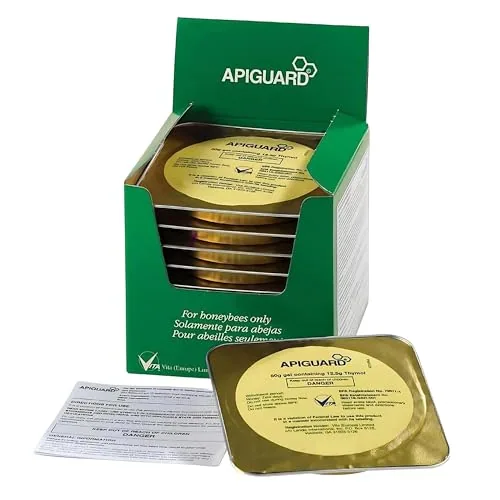
Other registered products fill gaps in a rotation: Apiguard thymol gel trays (check the label's temperature requirements; HBHC lists it only with no supers), VarroxSan oxalic acid strips (HBHC lists them for peak only when separated from supers by one chamber), and a reusable mite test jar so you treat on numbers.
Apiguard Thymol Gel Varroa Treatment, 10 x 50 g
- Active ingredient
- Thymol (gel)
- Doses
- 10 trays of 50 g
- Use
- 2 trays per colony
Best for Thymol-based varroa treatment
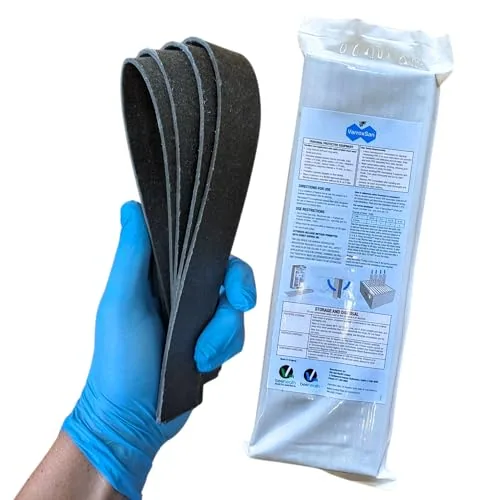
VarroxSan Oxalic Acid Varroa Strips, 60 Strips
- Active ingredient
- Oxalic acid dihydrate
- Doses
- 60 strips
- Use season
- Spring, summer and fall; 42–56 days
Best for Long-release oxalic acid strips
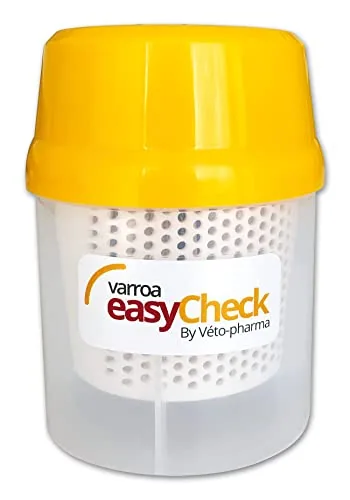
Foxhound Varroa Easy Check Mite Tester
- Type
- Mite tester
- Methods
- Alcohol wash, soapy water, sugar shake
Best for Regular mite counts
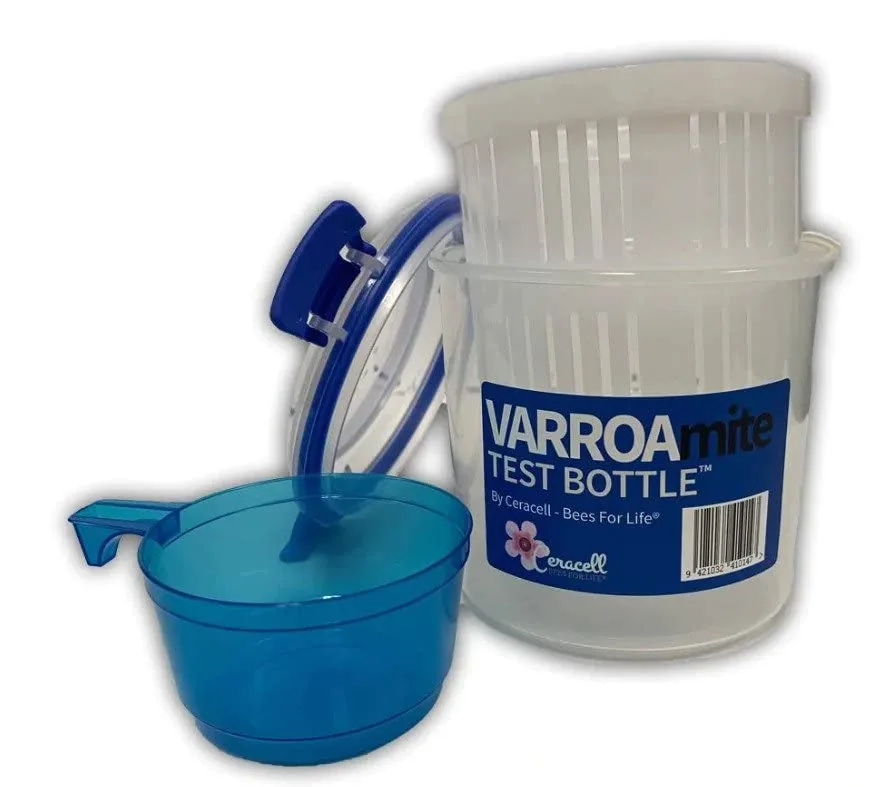
VarroCheck Leak-Proof Varroa Mite Tester
- Type
- Mite tester
- Methods
- Sugar shake or alcohol wash
Best for Regular mite counts
Compare everything in best varroa mite treatments, follow the year-round plan in the varroa treatment guide, or browse bee health and feeding and winter prep.
Choose Apivar if you treat in spring before supers go on or right after the honey harvest, want a treatment that ignores temperature, and can keep supers off for the strip period plus 14 days. It is simple to place and gentle on brood and queens per its label claims, but watch for amitraz resistance and rotate.
Choose Formic Pro if mites climb while honey supers are on, your colony is strong (about six deep frames of bees), and the forecast holds daytime highs between 50 and 85°F. It reaches mites under cappings in 14 or 20 days; accept some risk of brood loss or queen supersedure and check the queen a month later.
We read the EPA-stamped Apivar (87243-1) and Formic Pro (75710-3) labels and HBHC's Tools for Varroa Management, 9th edition, and compared them with the packs in our catalogue. We did not treat colonies or count mites, and nothing here replaces your product's label.