- Both methods use the same EPA-registered oxalic acid products (Api-Bioxal powder, EPA Reg. No. 73291-2, or EZ-OX). Api-Bioxal RTU (73291-3) is a premixed dribble-only version.
- Vaporization keeps the hive closed but needs a vaporizer, power and, per the Api-Bioxal label, an elastomeric half-mask respirator with acid gas cartridges.
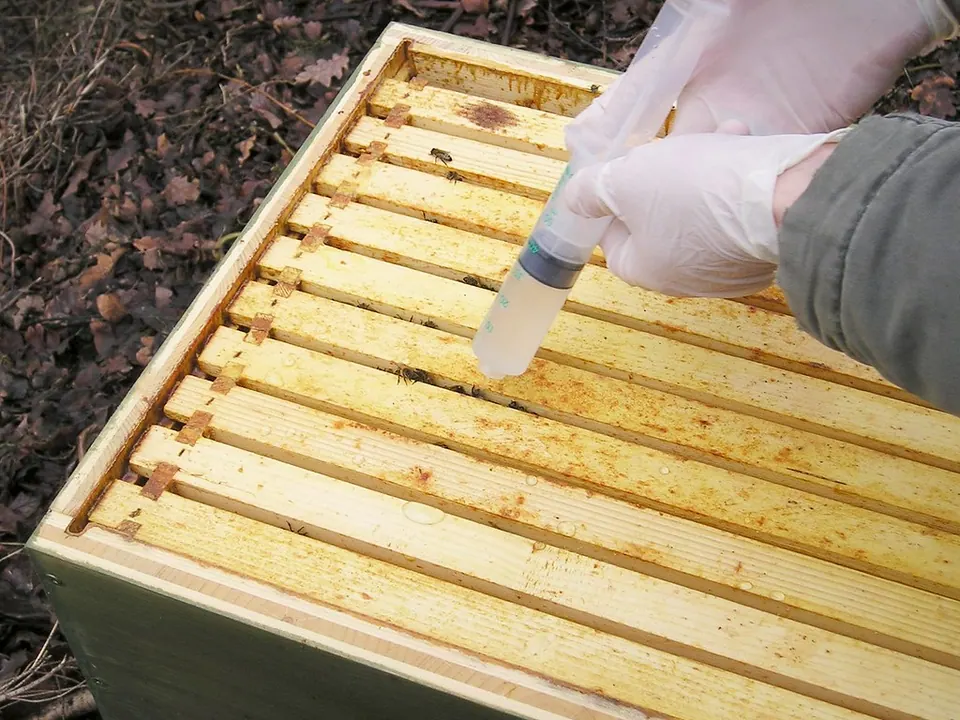
- Dribble needs only a syringe and the label's syrup mix, but you open the hive and drip onto the bees in each occupied seam.
- Neither reaches mites under cappings. HBHC 9th edition rates oxalic acid best in the dormant, broodless phase.
- Never use wood bleach, deck cleaner or other unregistered oxalic acid in a hive.
Oxalic acid vaporization vs dribble is less a choice between two products than a choice between two ways of applying the same one. The EPA-registered Api-Bioxal label covers a solution (dribble) method, a vaporizer method and a spray method for broodless package bees, each with its own dose and its own protective gear.
This page compares the two hive methods using the current EPA-stamped labels and the Honey Bee Health Coalition's Tools for Varroa Management, 9th edition (2026). It is not a substitute for the label on your container: the label is the law, and doses have changed between label versions.
Picks from each side
Vaporization (OAV)
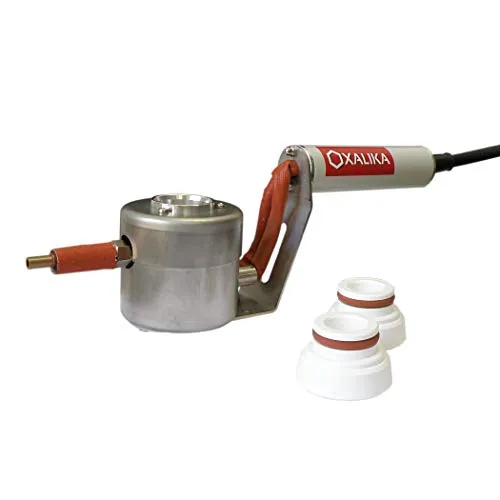
OXALIKA PRO Easy 110V Oxalic Acid Vaporizer
- Power
- 110V, 300W
- Cycle
- 10–25 s per treatment
- Dispenser
- Medium tube
Best for Hives near a power outlet
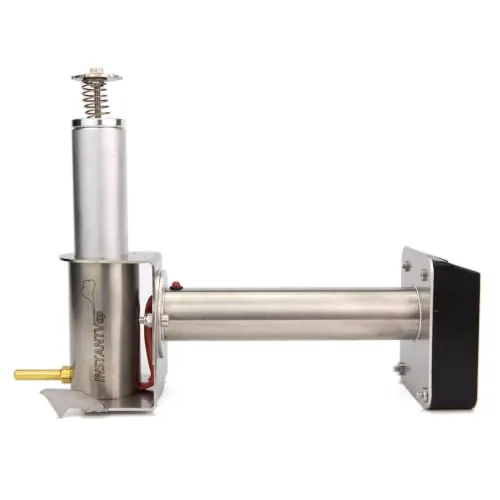
InstantVap Lite Cordless OA Vaporizer, 20V
- Power
- 20V DeWalt-fit battery (not included)
- Dose capacity
- 1–4 g
- Cycle
- 2 g in about 25–30 s
Best for Backyard OA vaporizing
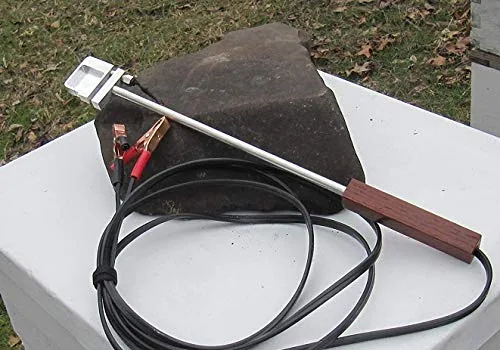
Scott Bee Farm Mite Oxalic Acid Vaporizer v.03.25
- Power
- Battery clips (glow plug heater)
- Cord
- 12 ft lead
Best for Battery-powered OA vaporizing
Dribble (OAD)
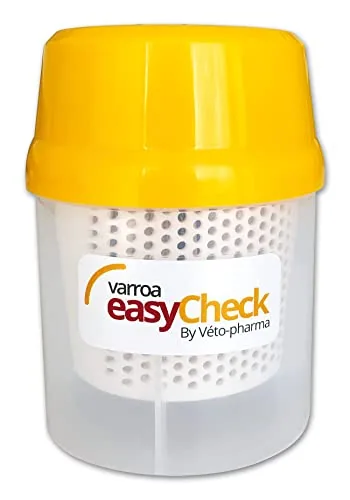
Foxhound Varroa Easy Check Mite Tester
- Type
- Mite tester
- Methods
- Alcohol wash, soapy water, sugar shake
Best for Regular mite counts
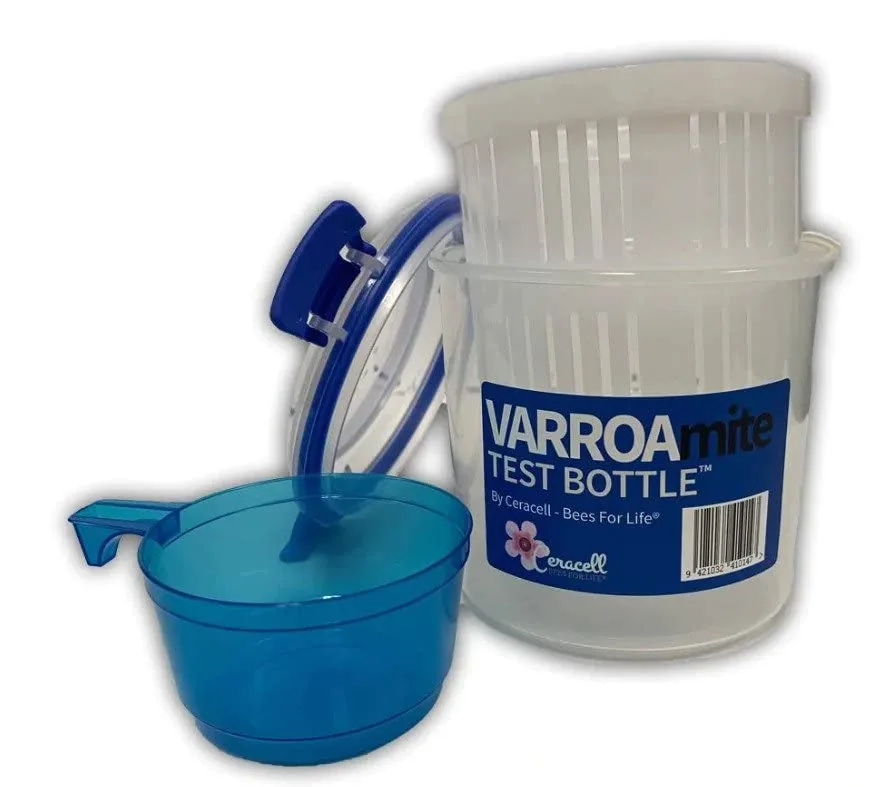
VarroCheck Leak-Proof Varroa Mite Tester
- Type
- Mite tester
- Methods
- Sugar shake or alcohol wash
Best for Regular mite counts
Is oxalic acid vaporization vs dribble a different product?
No. Both methods start from a registered oxalic acid dihydrate product. The Api-Bioxal label (EPA Reg. No. 73291-2) and the HBHC guide's EZ-OX entry describe the same three methods. Api-Bioxal RTU (73291-3) is a ready-to-use 6.2% oxalic acid solution labeled only for trickling. A vaporizer is just hardware; it does not make any oxalic acid legal to use.
In practice, registered oxalic acid products are mostly sold through bee-supply dealers. The cards on this page are the hardware and testing gear around a treatment, not the oxalic acid itself. Check EPA's list of registered varroa products before you buy.
Side by side: what each label requires
Oxalic acid vaporization vs dribble per the Api-Bioxal labels
| Vaporization (OAV) | Dribble (OAD) | |
|---|---|---|
| Registered products | Api-Bioxal powder (73291-2), EZ-OX | Api-Bioxal powder or EZ-OX mixed in syrup; Api-Bioxal RTU premixed |
| Label dose | 4.0 g powder per brood chamber (Api-Bioxal label stamped July 7, 2026); use the dose on your package label | 5 mL per occupied bee space; max 50 mL per colony (powder label) |
| Hive opened | ✓ No, wand goes in the bottom entrance | ✗ Yes, lid off and bees smoked down |
| Respirator per label | Elastomeric half mask, acid gas cartridges + N/R/P filters | Particulate filtering facepiece (N, R or P) minimum |
| Eye protection | Goggles or face shield | Goggles |
| Chemical-resistant gloves | ✓ Required | ✓ Required |
| Extra equipment | ~ Vaporizer plus battery or outlet | ✓ Syringe or applicator |
| Kills mites in capped brood | ✗ No | ✗ No |
| Honey supers on | ~ Label allows OA with supers | ~ Label allows OA with supers |
| Hive setup | Outdoor colonies only; lower entrance restricted, upper gaps taped | In-hive only; not in enclosed overwintering areas |
| Repeat applications | ~ Label gives no repeat schedule | ~ RTU: up to 4 times, 7 to 10 days apart |
When does oxalic acid work best? Broodless timing per HBHC
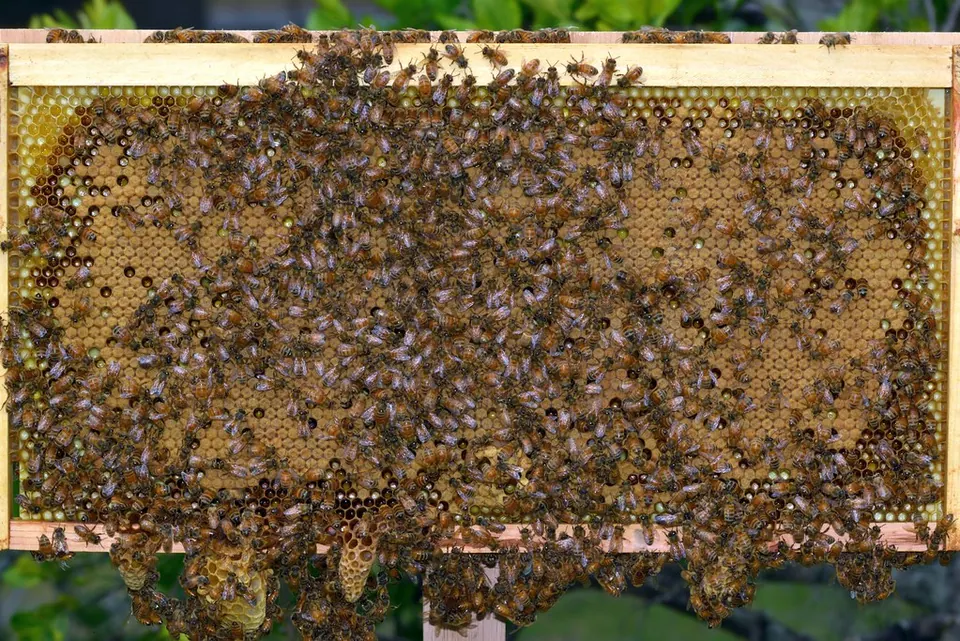
Oxalic acid works on mites riding on adult bees. The label says it will not control mites in capped brood and may damage brood, and it tells you to use it when little or no brood is present. HBHC's 9th-edition seasonal table puts that into the calendar:
Oxalic acid by colony phase, HBHC 9th edition
| Colony phase | OA dribble or vaporization | Why |
|---|---|---|
| Dormant (clustered, little or no brood) | ✓ Listed among best options | Mites are on adult bees, so contact treatments reach them |
| Population increase | ~ Early in the phase only, while brood rearing is reduced | Capped brood shields reproducing mites |
| Population peak | ✗ Listed as not best for this period | Most mites are under cappings |
| Population decrease | ✓ Listed among best options; product pages say late in the phase | Brood rearing declines toward winter |
Source: HBHC, Tools for Varroa Management, 9th ed. (2026), Table 3 and oxalic acid product pages
Many beekeepers aim for the first broodless window of early winter, or create a brood break with a split or caged queen in summer. Check the seasonal calendar for your region. HBHC also notes risks when opening a hive below 40°F (4°C) and that oxalic acid may be less effective in a tight cluster, so plan cold-weather treatments around the label and your local conditions. HBHC reports brand-stated effectiveness of 82 to 99% for Api-Bioxal and EZ-OX when brood is not present; it does not rank one method over the other.
Test before and after
Treat only when monitoring shows you need to; that is also a label requirement. Wash about 300 bees and compare the result with HBHC's thresholds:
Varroa thresholds by colony phase (mites per 100 adult bees), HBHC 9th edition
| Colony phase | Immediate control not needed | Promptly control |
|---|---|---|
| Dormant Little or no brood; winter cluster (sample just before clustering) | ✓ below 1% | ✗ 1% or more |
| Population increase Late winter to spring build-up, brood expanding | ✓ below 1% | ✗ 1% or more |
| Peak population Summer, colony at full size, supers often on | ✓ below 2% | ✗ 2% or more |
| Population decrease Late summer to fall, brood rearing slowing | ✓ below 2% | ✗ 2% or more |
Source: Honey Bee Health Coalition, Tools for Varroa Management, 9th edition (June 11, 2026), Table 1. Thresholds can vary by region; ask your state apiarist.
Varroa mite threshold calculatorEnter your mite count and sample size to see whether you are above the 9th-edition threshold for your colony's phase.How the vaporizer method works, step by step
- Put on the label PPE: long sleeves, long pants, socks and shoes, chemical-resistant gloves, goggles or a face shield and a NIOSH-approved elastomeric half-mask respirator with acid gas cartridges and combination N, R or P filters.
- Treat outdoor colonies only. Restrict the lower entrance and tape upper entrances and cracks so vapor stays in.
- Smoke bees up from the bottom board, as the label directs.
- Load the dose your label gives per brood chamber into the vaporizer pan. On the Api-Bioxal label stamped July 7, 2026, that is 4.0 g per brood chamber, so a hive with two brood boxes takes two chambers' worth.
- Insert the vaporizer through the bottom entrance and heat until all the oxalic acid has sublimated, following the vaporizer maker's directions.
- Stand upwind, keep people and pets away, and let the tool cool before you reload it.
Listed vaporizing time per dose, catalogue vaporizers
Upper end of each listed range, in seconds; Scott Bee Farm and Varomorus list no cycle time
Cycle time matters for many hives; for one or two, the power source matters more. The OXALIKA PRO Easy comes in 110V and 12V versions, the InstantVap units run on a 20V DeWalt-fit battery (not included), and the Scott Bee Farm wand uses battery clips on a 12 ft lead. See best oxalic acid vaporizers for the full spec table.
How the dribble method works, step by step
- Put on the label PPE: long sleeves, long pants, socks and shoes, chemical-resistant gloves, goggles and at minimum a NIOSH-approved particulate filtering facepiece respirator with an N, R or P filter. HBHC adds that a face shield or goggles is required when mixing.
- Mix exactly as your label says. For Api-Bioxal powder that is 35 g dissolved in 1 L of warm 1:1 sugar syrup (weight to volume). Api-Bioxal RTU comes premixed.
- Smoke the bees down from the top bars.
- With a syringe or applicator, trickle 5 mL onto the bees in each occupied bee space in each brood box.
- Stop at the label maximum: 50 mL per colony on the powder label, whether the bees are in a nuc or several boxes.
- Close up promptly. The label warns that weak colonies or poor overwintering conditions can see some bee loss.
Count seams before you draw up the syringe. A strong colony with bees in 8 seams of the top box and 4 below would add up to 60 mL at 5 mL each, which is more than the powder label's 50 mL maximum, so you stop at 50 mL. The RTU label lets you repeat the standard dose up to four times, 7 to 10 days apart, and HBHC describes that repeat schedule for colonies with sealed brood.
Mistakes to avoid
- Using wood bleach or unlabeled crystals because they are sold next to the vaporizers.
- Vaporizing with a dust mask. The label calls for an elastomeric half mask with acid gas cartridges.
- Dribbling into every seam of a big colony and going past the 50 mL maximum.
- Treating at peak brood and expecting a big knockdown; most mites are under cappings then.
- Using a dose from an old label, video or forum post instead of the one on your container.
- Skipping the follow-up wash. Test again after treatment to confirm the drop.
Other options worth a look
Brood all season, or mites under cappings? Look at other EPA-registered products: VarroxSan oxalic acid strips release over 42 to 56 days, Formic Pro reaches mites under cappings, and Apiguard and Apivar suit periods with supers off.
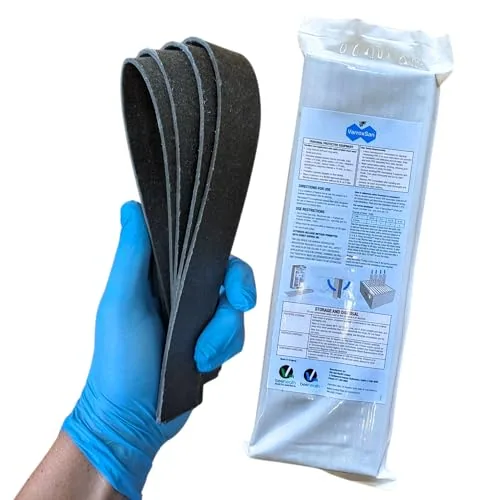
VarroxSan Oxalic Acid Varroa Strips, 60 Strips
- Active ingredient
- Oxalic acid dihydrate
- Doses
- 60 strips
- Use season
- Spring, summer and fall; 42–56 days
Best for Long-release oxalic acid strips
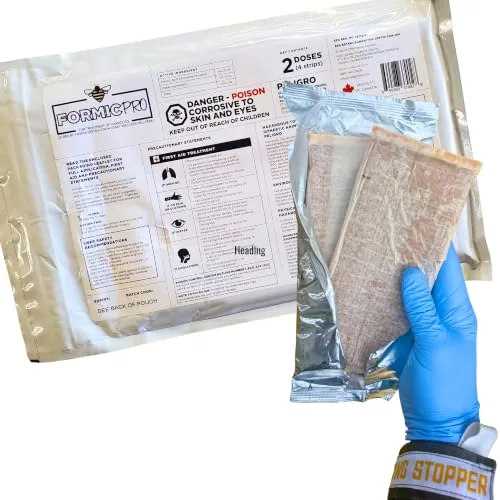
Formic Pro Formic Acid Varroa Strips, 2 Doses
- Active ingredient
- Formic acid
- Doses
- 2 doses
- Use season
- 50–85°F; supers allowed per label
Best for One backyard colony
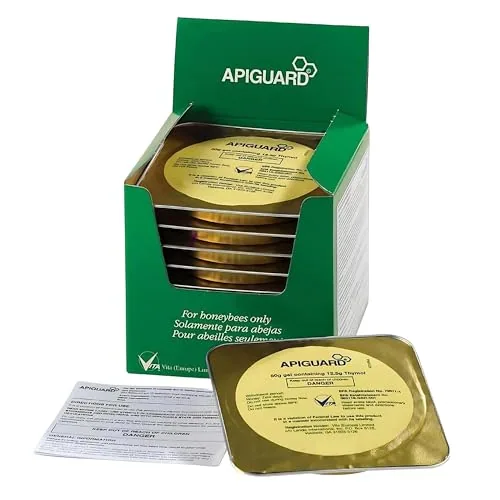
Apiguard Thymol Gel Varroa Treatment, 10 x 50 g
- Active ingredient
- Thymol (gel)
- Doses
- 10 trays of 50 g
- Use
- 2 trays per colony
Best for Thymol-based varroa treatment
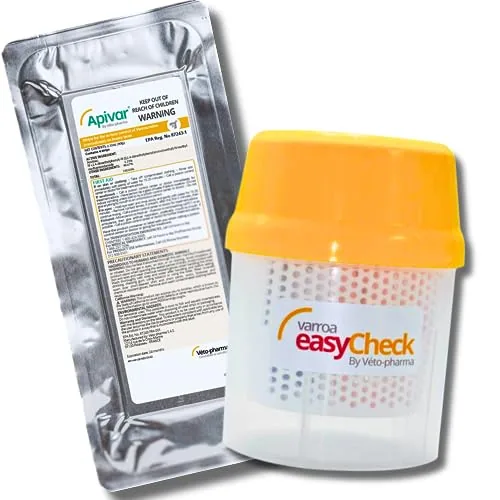
Apivar Strips (4) + Varroa Easy Check
- Active ingredient
- Amitraz
- Doses
- 4 strips
- EPA Reg. No.
- 87243-1
Best for Starting mite control on 1–2 hives
Compare these head to head in Apivar vs Formic Pro, see every option in best varroa mite treatments, or browse bee health and feeding. The varroa treatment guide walks through a full-year plan.
Count before and after with an alcohol wash.
Choose vaporization if you treat in cold weather, have several hives, and are ready to buy a vaporizer and the elastomeric half-mask respirator with acid gas cartridges the label requires. Your hive stays closed and each treatment is quick.
Choose dribble if you have one or two hives, want the lowest equipment cost, and can open the hive on a calm, mild day. Measure seams carefully and respect the per-colony maximum. Either way, use only an EPA-registered product, follow its label exactly, and aim for a broodless period.
We read the EPA-stamped Api-Bioxal labels (73291-2 and RTU 73291-3), HBHC's Tools for Varroa Management, 9th edition, and EPA's advisory on unregistered substances, and compared vaporizer specs as listed by their makers. We did not treat colonies or measure vapor, and nothing here replaces your product's label.
Questions
Oxalic acid vaporization vs dribble: which is more effective?
Can you use oxalic acid with honey supers on?
Can you use wood bleach oxalic acid in a hive?
What respirator do you need to vaporize oxalic acid?
When is the best time to treat with oxalic acid?
How many times can you dribble oxalic acid?
Sources
- Api-Bioxal label, EPA Reg. No. 73291-2 (accepted July 7, 2026)
- Api-Bioxal RTU Beehive Solution label, EPA Reg. No. 73291-3 (Aug 18, 2025)
- Honey Bee Health Coalition, Tools for Varroa Management, 9th edition (2026)
- EPA, Registered pesticide products approved for use against varroa mites
- EPA, Advisory on FIFRA and FFDCA for substances used to control varroa mites