Avery
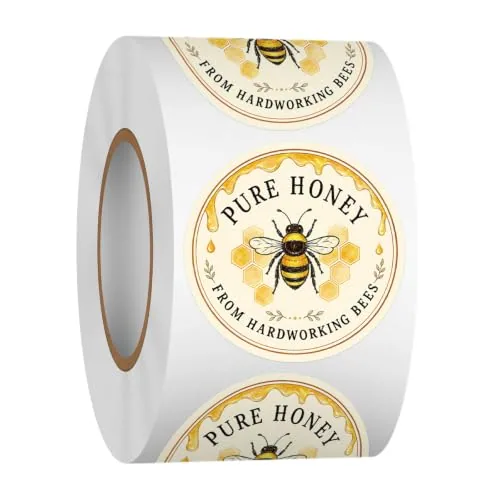
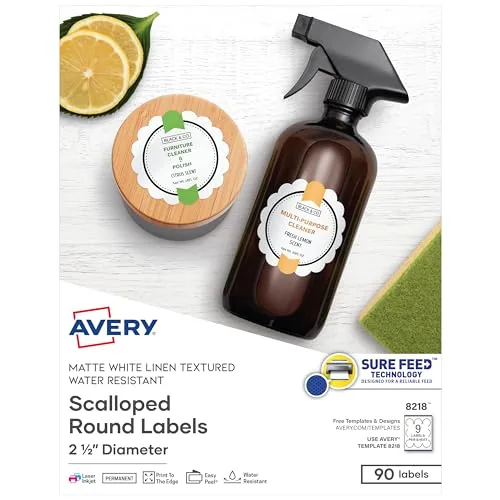
Avery 2.5" Round Scallop Labels, Textured White, 90
- Size
- 2.5 in round
- Count
- 90 labels
- Material
- Textured white paper
Best for Printing your own honey jar labels
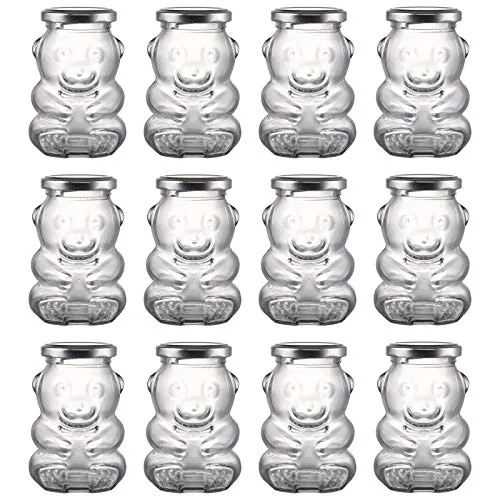
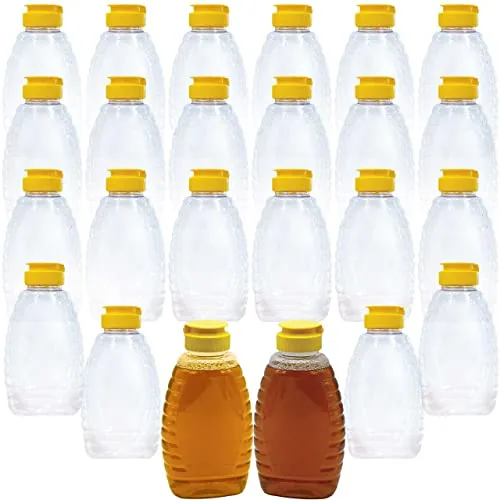
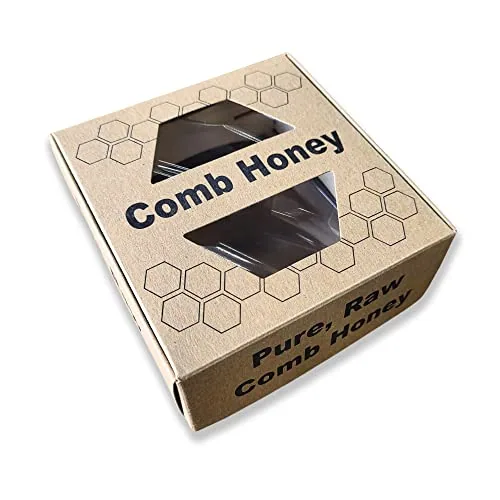
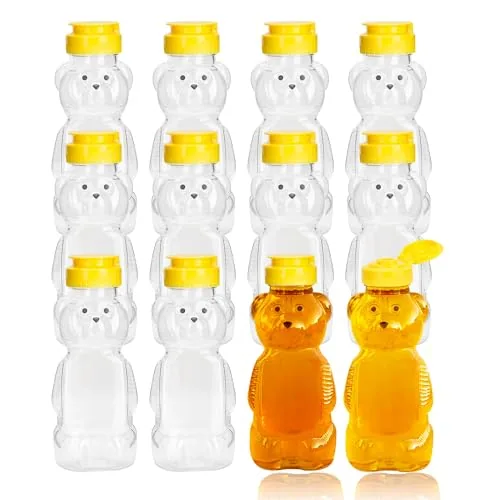
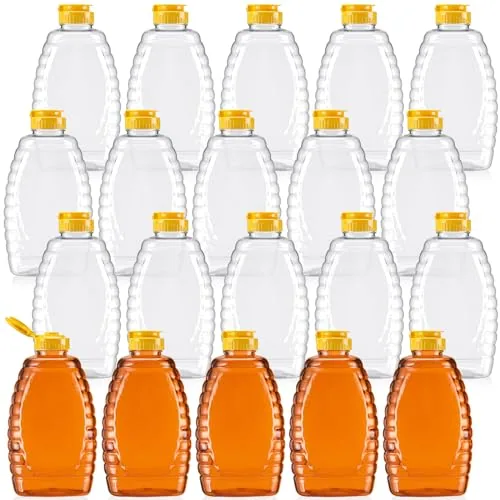
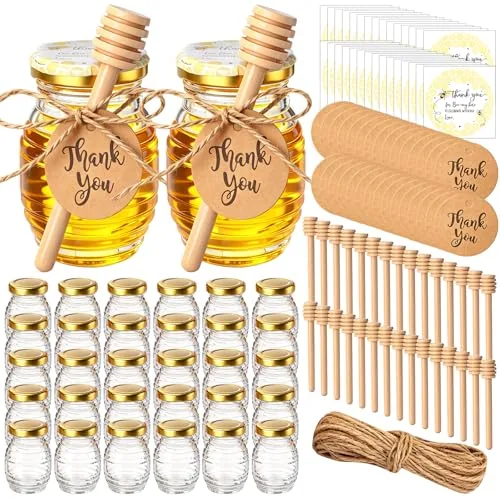
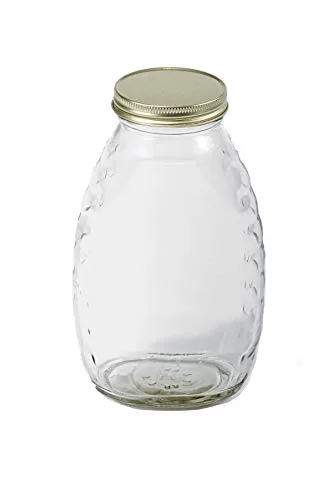
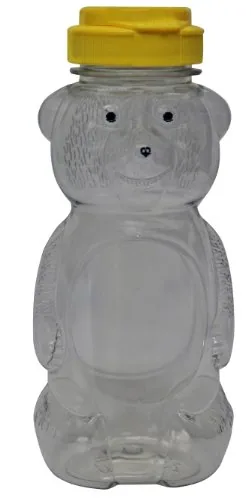
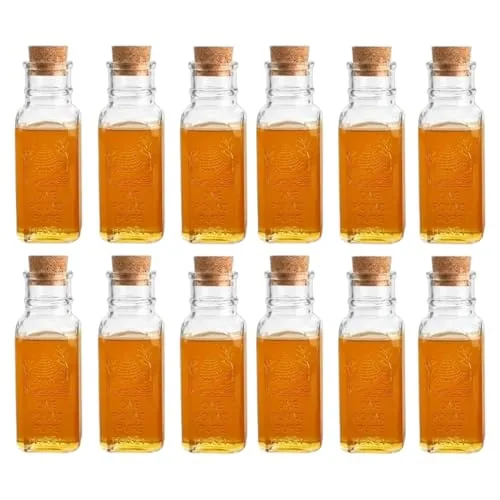
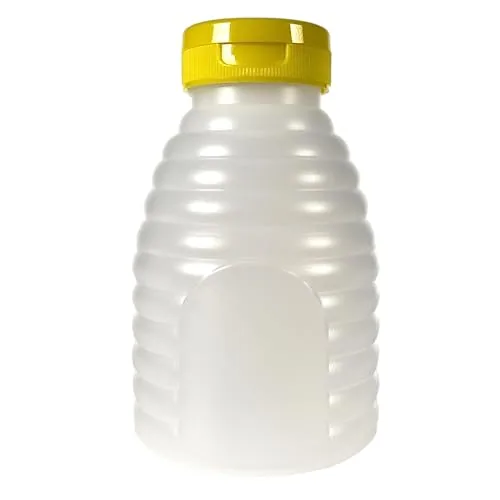
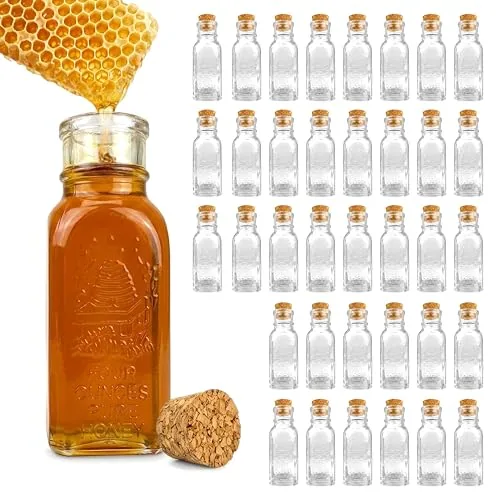
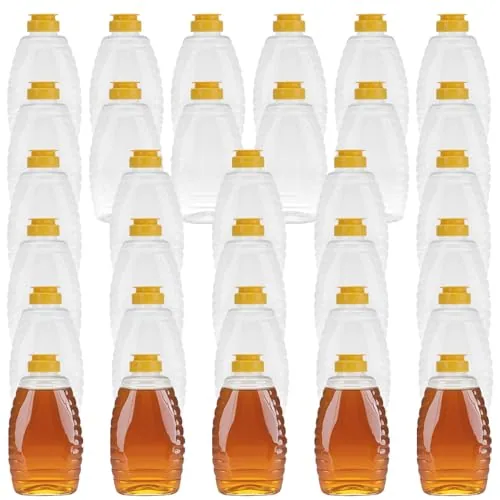
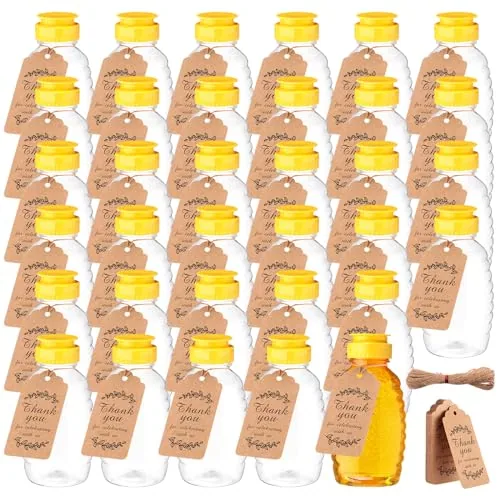
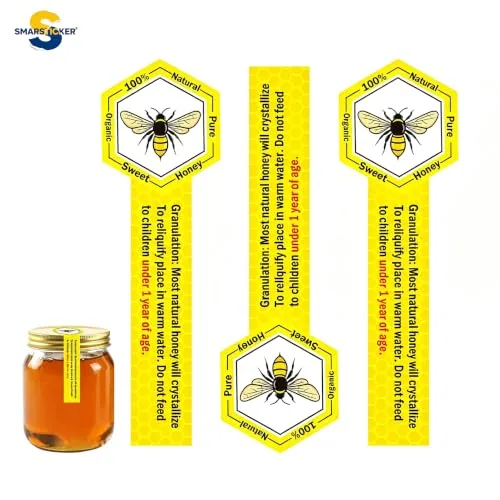
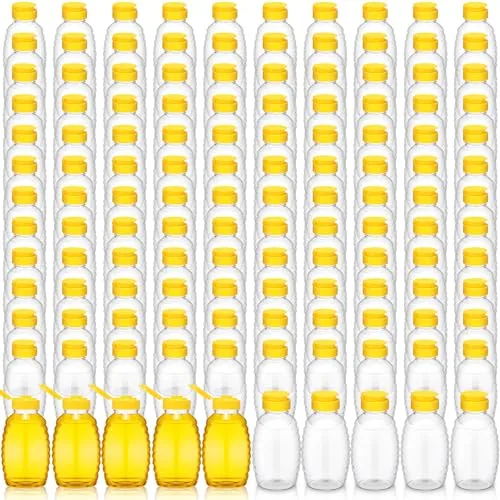
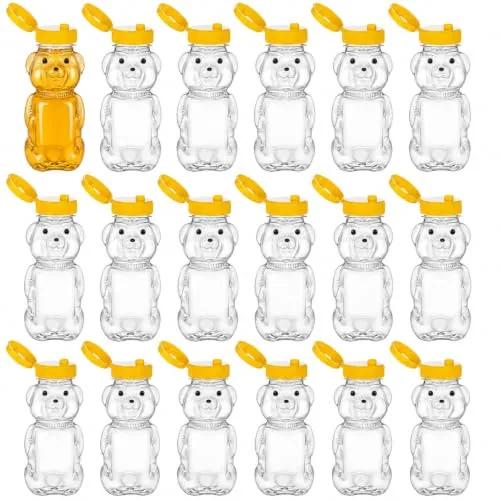
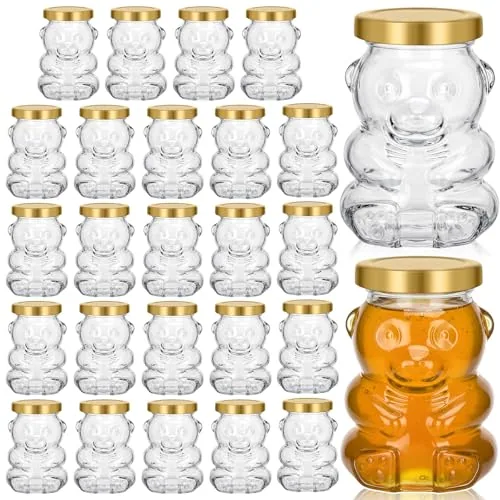
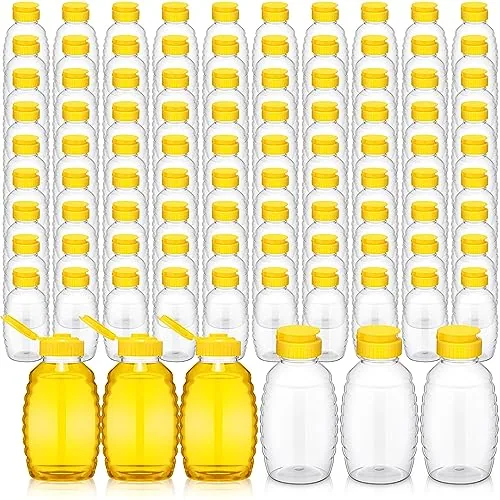
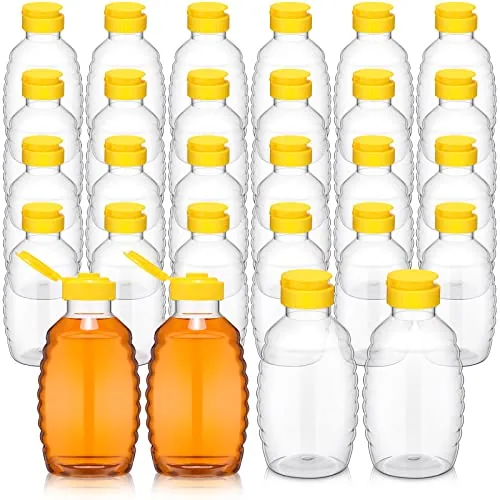
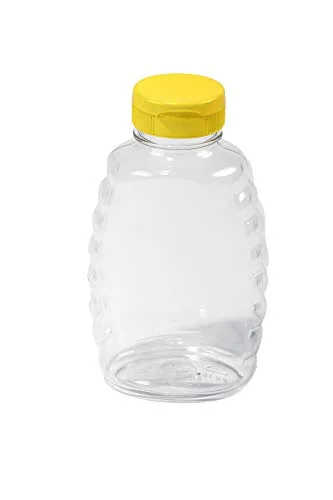
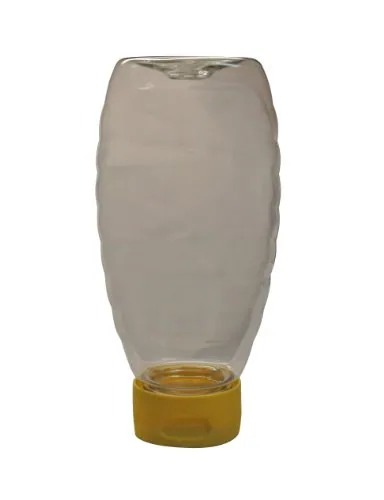
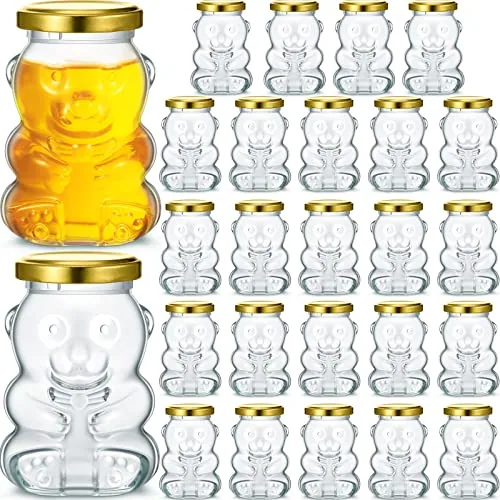
Glass and plastic honey jars, Queenline-style squeeze jars, honey bears, Muth jars, labels, seals and comb honey packaging, by listed size and count.
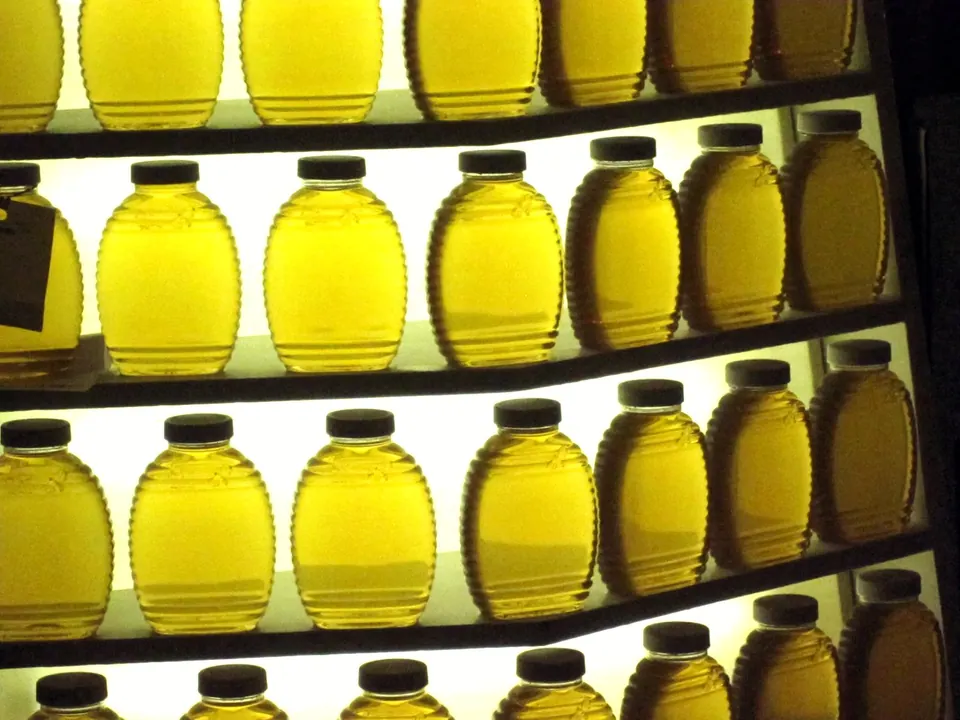
Best for Printing your own honey jar labels
Best for Gift-style glass honey packaging
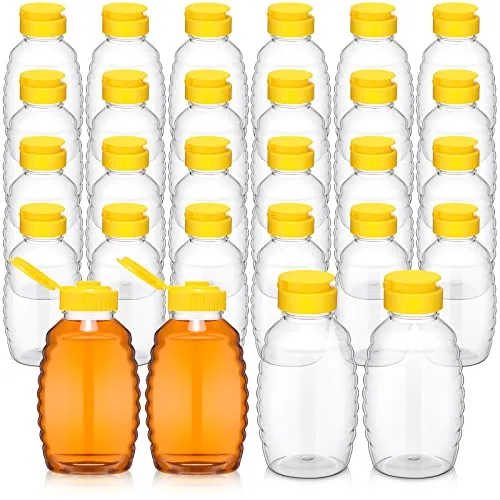
Best for Everyday squeeze bottles for honey
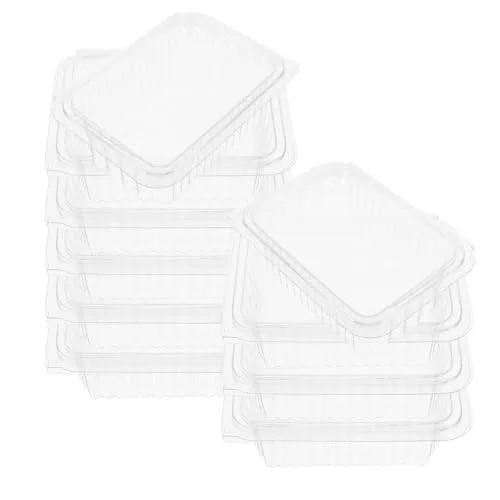
Best for Selling comb honey in cassettes
Best for Small-batch honey bear packing
Best for Larger honey containers
Best for Wedding and shower honey favors
Best for Glass jars for market honey
Best for Quick labels for market jars
Best for Standard honey bears in bulk
Best for Premium-look farm market jars
Best for Bulk honey samples
Best for Refillable home honey bottles
Best for Small jars for market tables
Best for Bulk one-pound bottles
Best for Honey gifts and favors
Best for Sealing jars for retail
Best for High-volume small bottles
Best for Packing cut comb honey
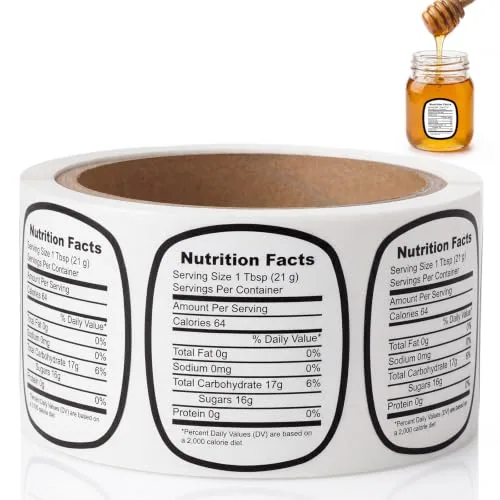
Best for Adding a nutrition panel
Best for Skep-style honey packs
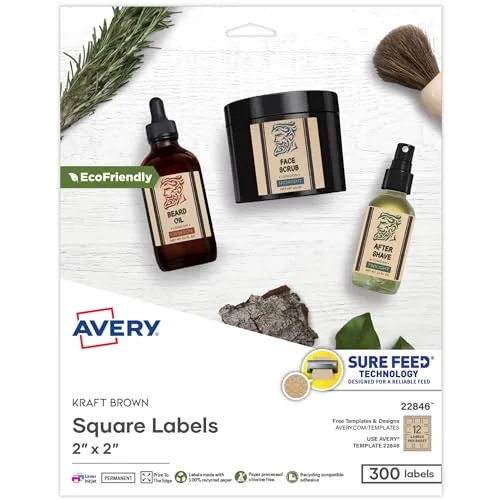
Best for Custom kraft labels for honey jars
Best for Honey samples and favors
Best for Classic honey bear packaging
Best for Vintage-look honey bears
Best for Sealed bears for retail sales
Best for Gift-size glass honey
Best for Bulk bear bottles for sellers
Best for One-pound skep packs
Best for One-pound plastic honey packs
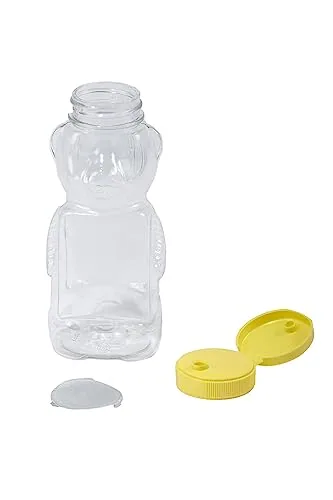
Best for No-drip squeeze honey
Best for Glass honey bears for gifting
No product matches every filter. Clear one to see more.
Honey jars and bottles are the last step before your honey reaches a table or a market stall. This category covers glass jars (skep, Muth, hex-style and bear shapes), PET squeeze bears and inverted squeeze jars, mini 2 oz bears for samples and favors, comb honey cassettes and boxes, and labels and tamper-evident seals, from Mann Lake, Little Giant, Foxhound Bee Co, Patelai, Avery and others.
Jar sizes in the Hive & Frame catalogue
| Size (as listed) | Examples | Typical use |
|---|---|---|
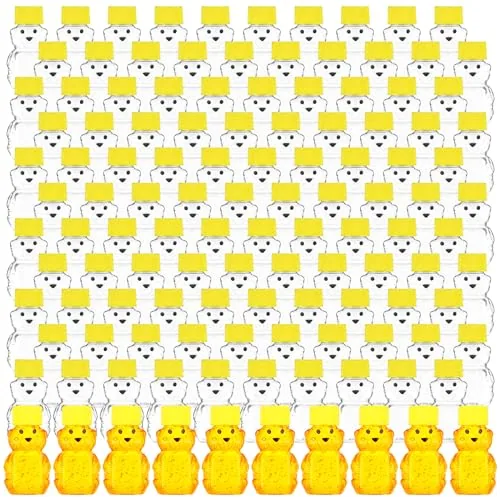
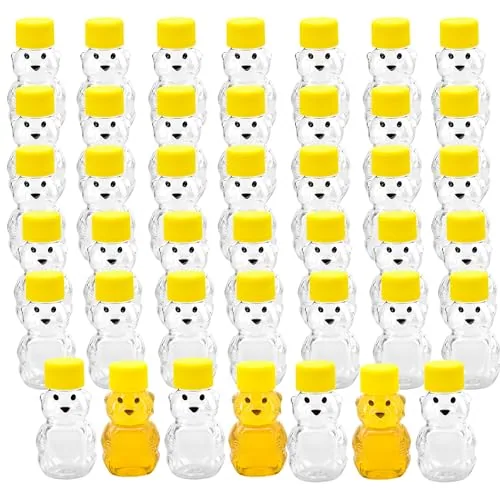
| 2 oz | KEJJNYER 50-pack, Patelai 120-pack | Samples, wedding favors |
| 4 oz | RetroPak Muth (4 oz honey), Patelai glass bear | Gift sets, tasting flights |
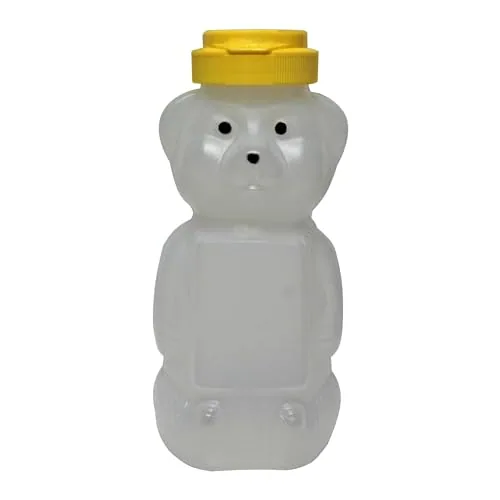
| 12 oz honey | Mann Lake CN530, Little Giant, Bekith glass bear | The classic squeeze bear |
| 16 oz / 1 lb | Mann Lake CN235, Little Giant glass skep, Nakpunar Muth | Standard retail pound |
| 32 oz | Layhit 20-pack | Bulk and repeat buyers |
Source: Hive & Frame catalogue (maker and seller listings)
Before you bottle: best honey bottling buckets and manual vs electric extractors.
Packaged food labels generally carry the name of the food, its net weight and the packer's name and address. The FDA guidance on labeling honey adds that pure honey is labeled “honey” (optionally with its floral source), while blends with other sweeteners must not be called pure honey. State rules on cottage food, licensing and nutrition labels vary, so check with your state department of agriculture. Our US honey labeling rules and laws by state guides go further.
Count jars from your expected harvest with the honey yield calculator, and see selling honey for the full sideline setup.
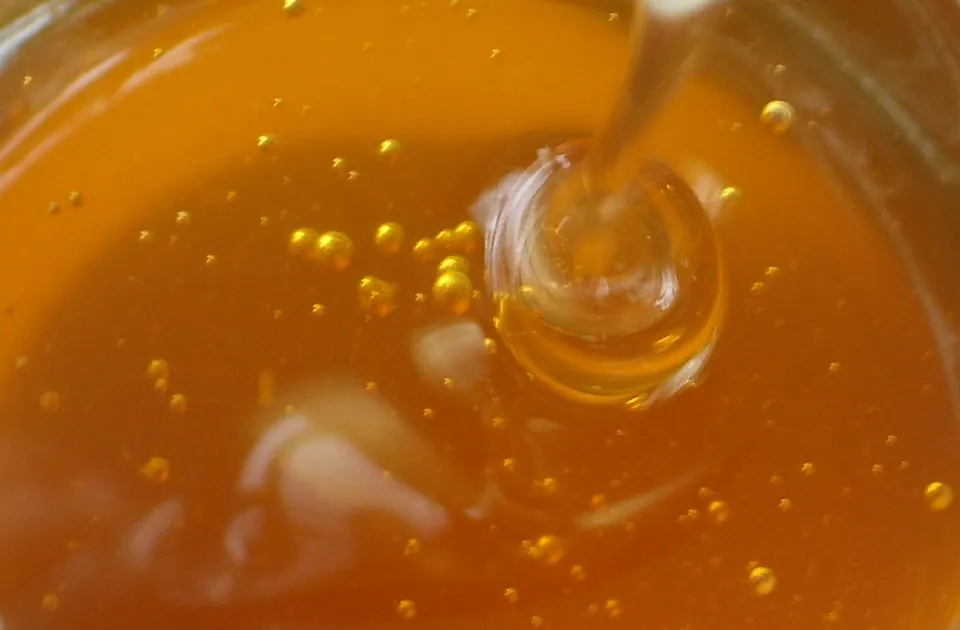 Best of
Best honey bottling bucket picks: 5-gallon gate buckets, a two-layer tank, gate valves and pail heaters, compared by…
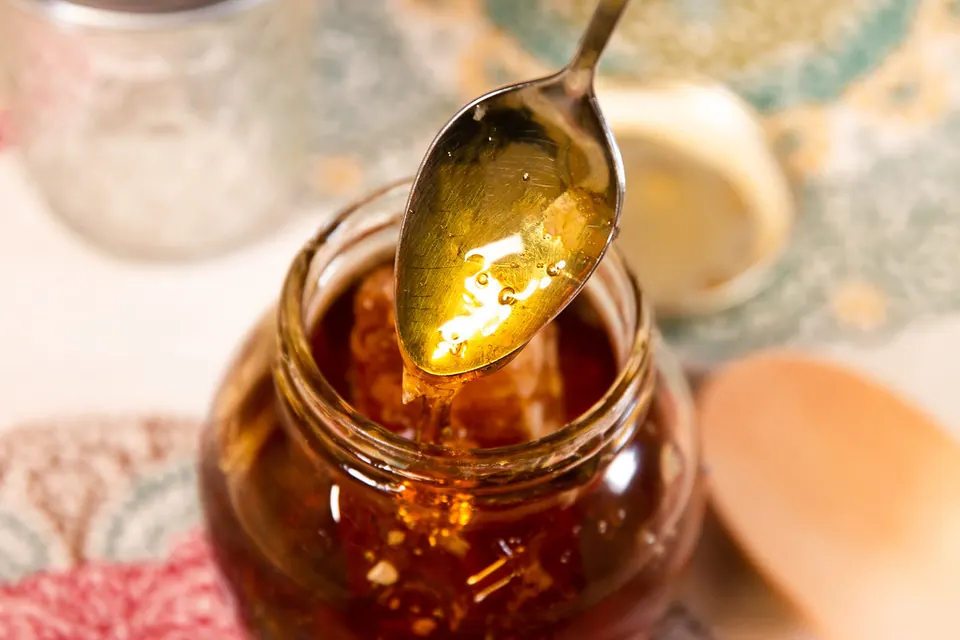 Best of
Best honey jars compared by honey weight vs fluid ounces, glass or plastic, lid type and pack size: skep, muth,…
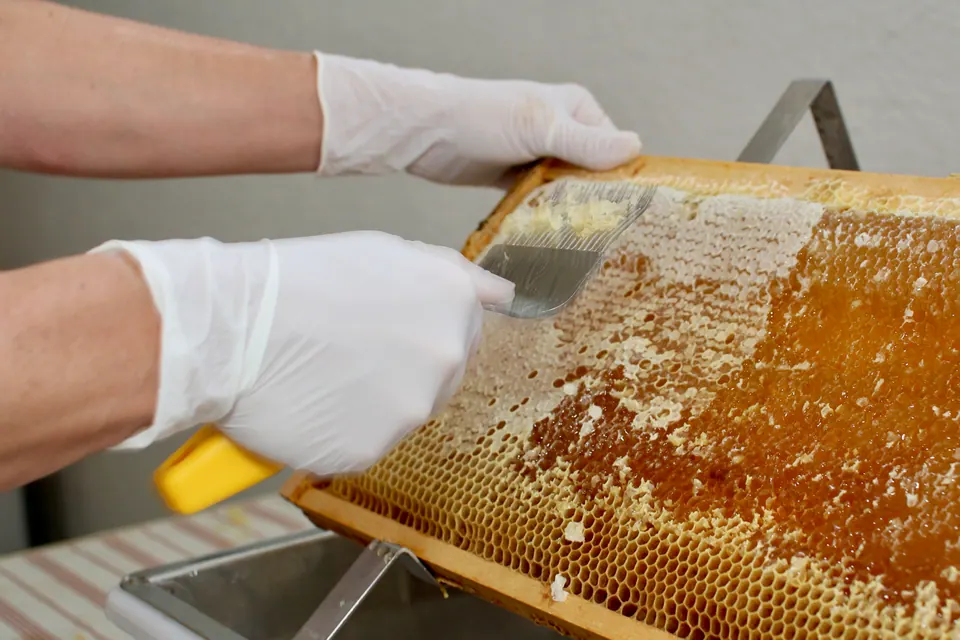 Guide
How to extract honey step by step: when frames are ready, clearing bees, uncapping, spinning or crush and strain,…
 Guide
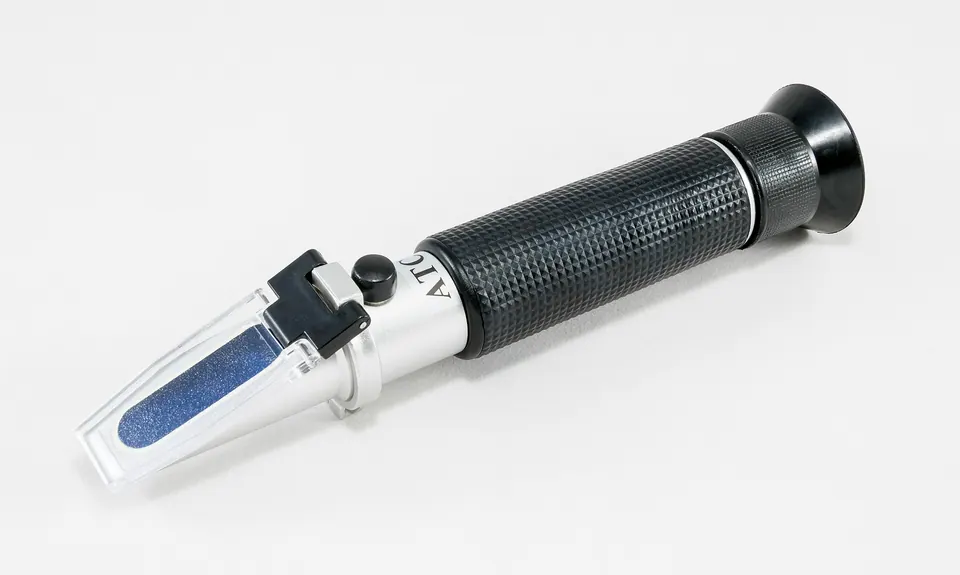
Honey moisture decides whether your jars keep or ferment. See the USDA 18.6% Grade A line, how to calibrate a…
 Guide
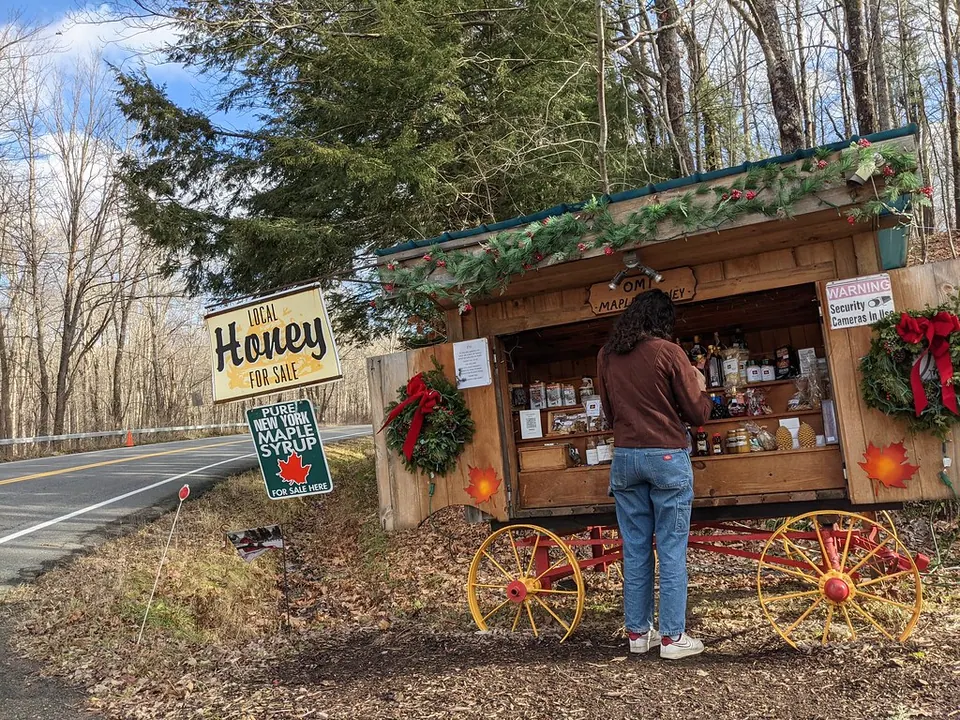
How to sell honey at a farmers market: check your state's rules, label every jar, pick jar sizes, price from your own…
 Guide
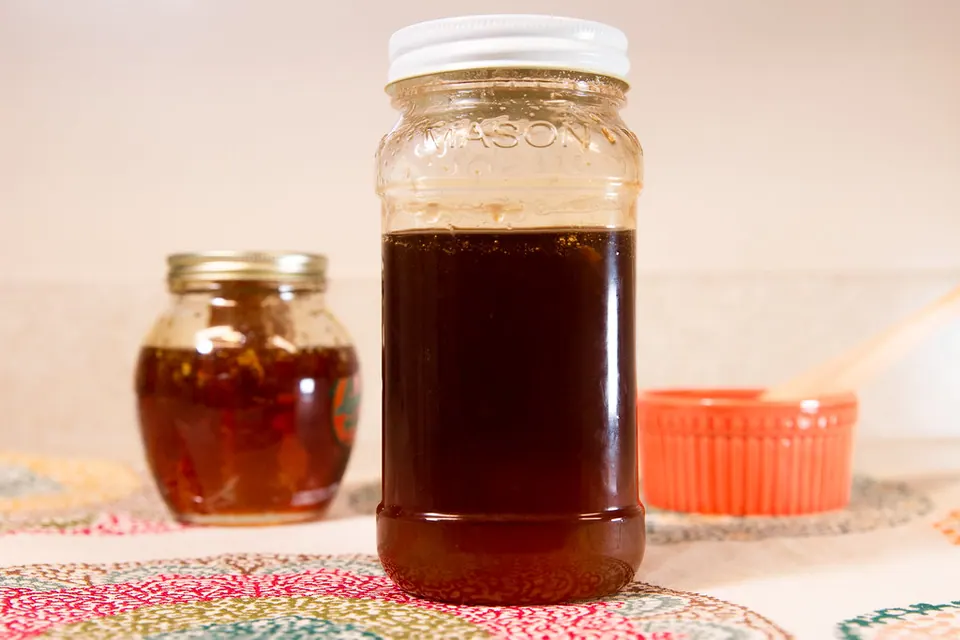
Honey label requirements in plain English: FDA honey naming rules, net weight, your name and address, nutrition…