Allied Precision
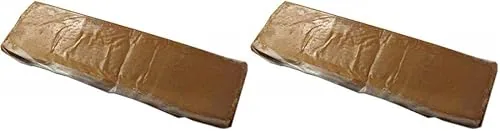
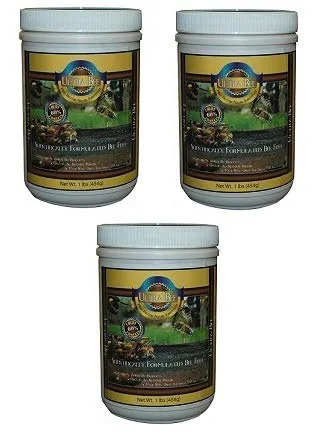
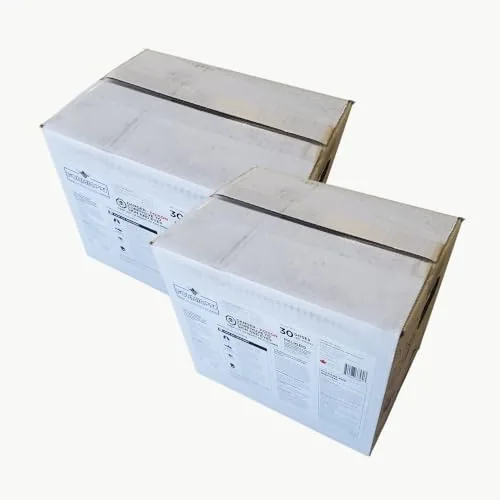
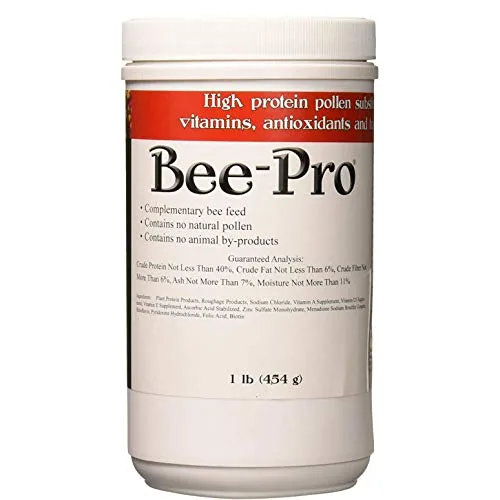
API Pollen Substitute Powder, 1 lb, 2 Pack
- Type
- Pollen substitute powder
- Capacity
- 2 x 1 lb tubs
- Feeding
- Dry or as patties
Best for Protein feeding before spring
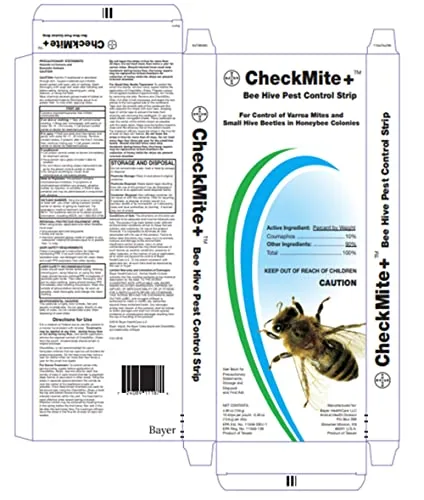
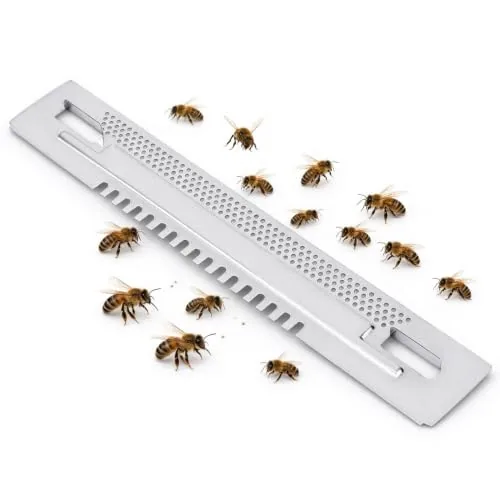
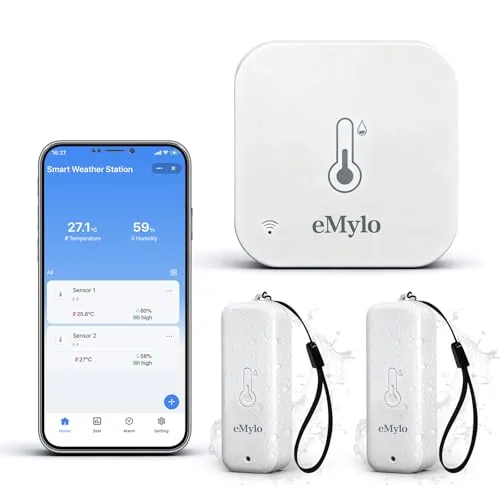
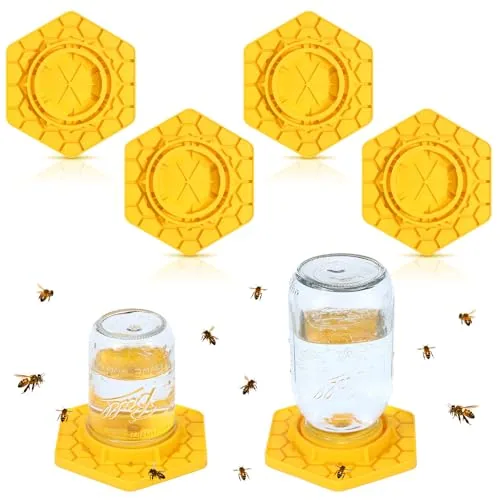
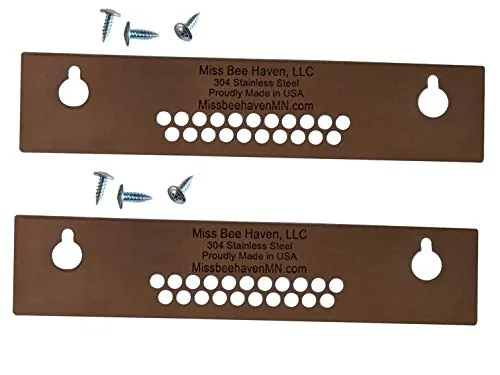
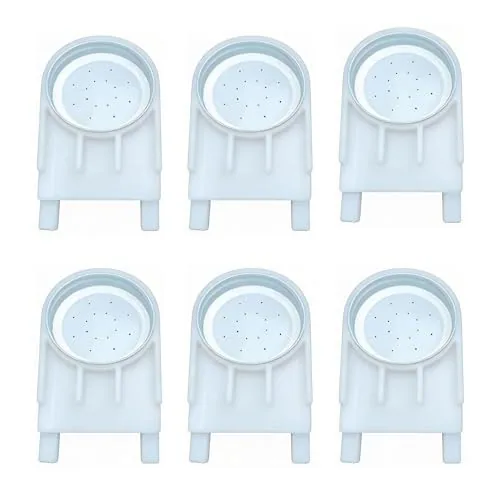
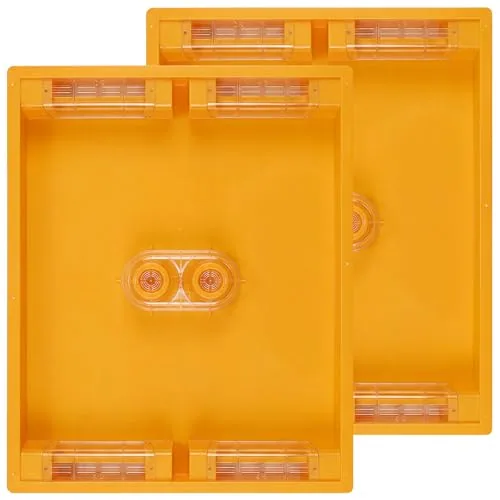
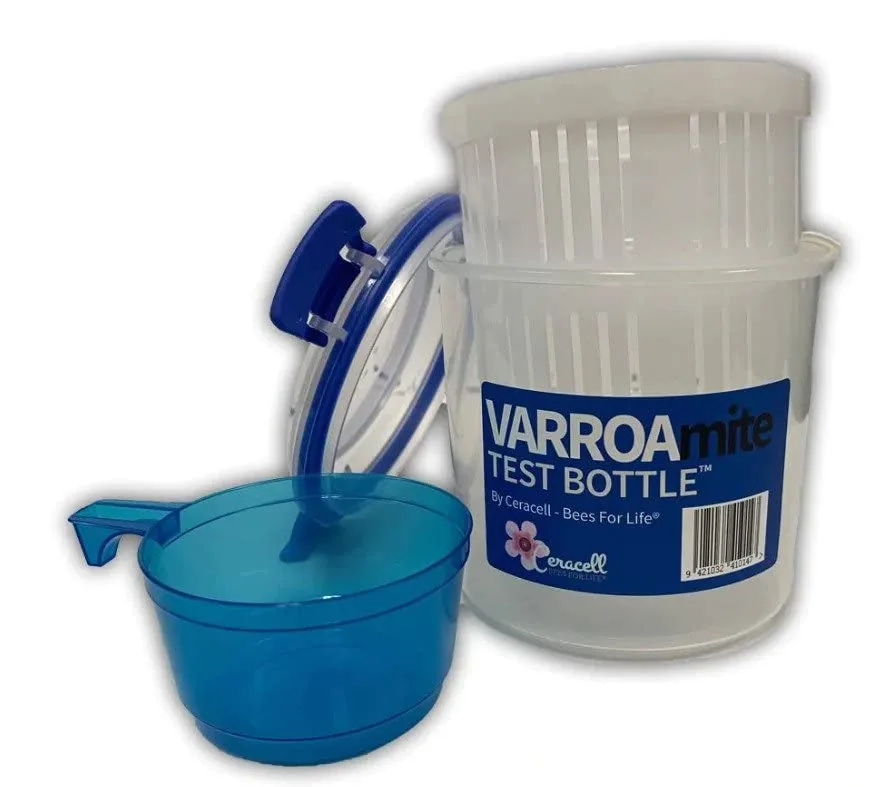
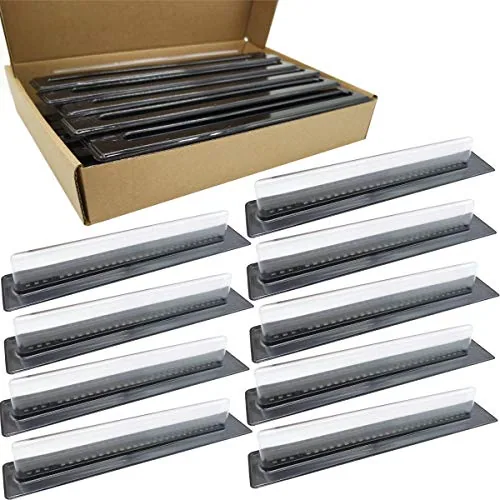
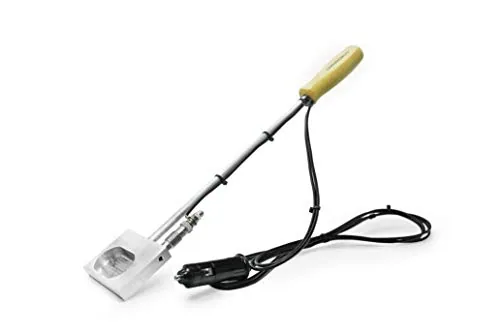
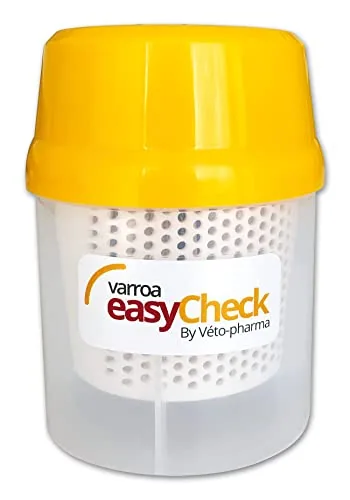
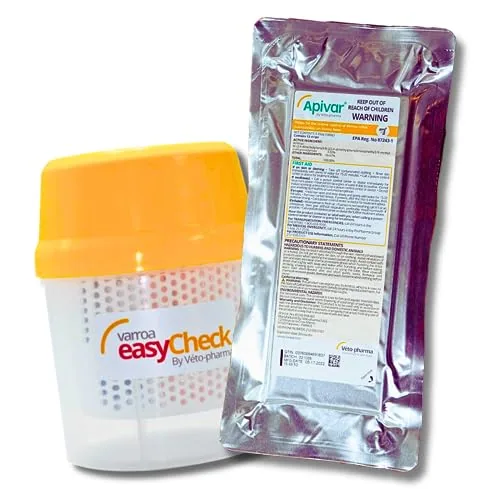
Mite testers, EPA-registered varroa treatments, oxalic acid vaporizers, feeders, pollen substitutes, mouse guards, beetle traps and hive monitors.
Best for Protein feeding before spring
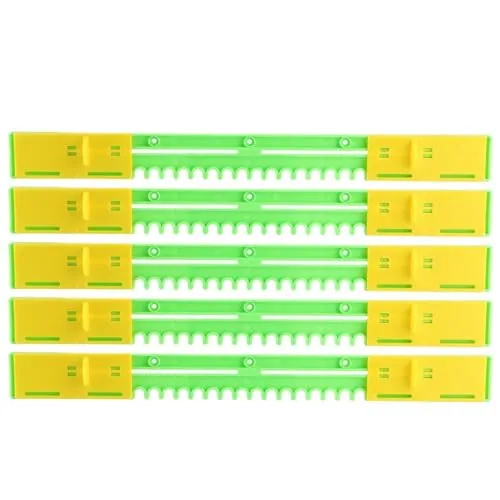
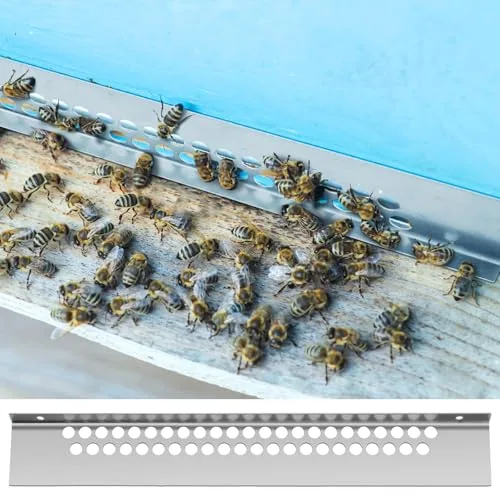
Best for Controlling hive entrances
Best for Simple syrup feeding
Best for Thymol-based varroa treatment
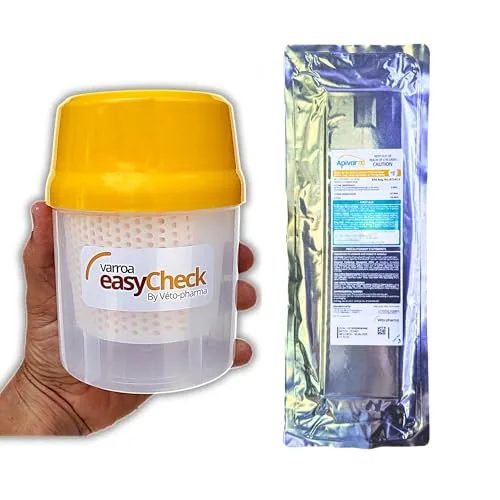
Best for Counting and treating mites
Best for Low-cost syrup feeding
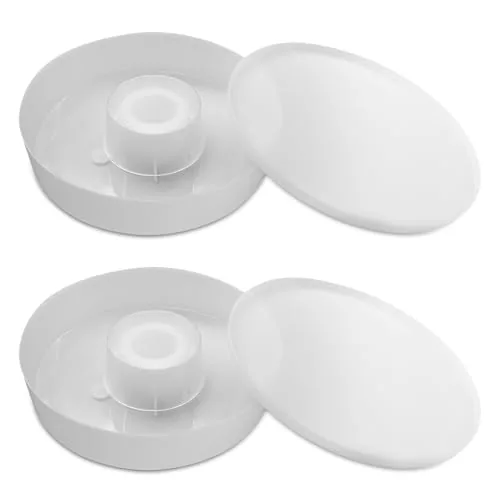
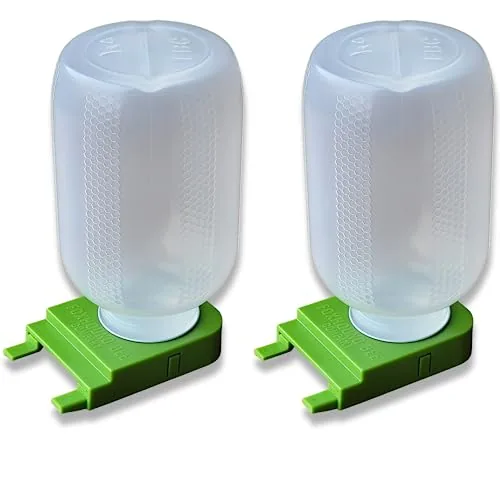
Best for Feeding inside the hive
Best for Winter emergency feeding
Best for Southern small hive beetle areas
Best for Labeled varroa and SHB control
Best for Winter mouse protection
Best for DIY hive climate tracking
Best for Treating during the honey flow
Best for Fewer refill trips
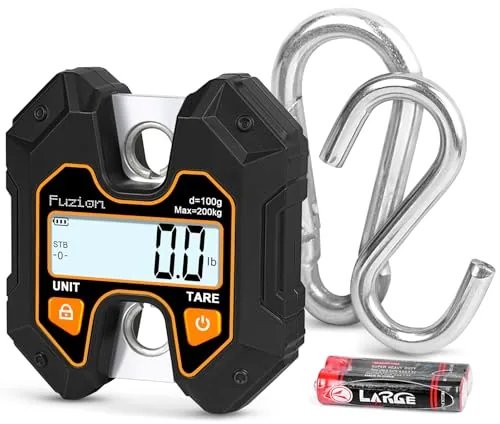
Best for Checking hive weight
Best for New colonies
Best for Winter mouse protection
Best for Managing several hives
Best for Backyard OA vaporizing
Best for Large-volume fall feeding
Best for Winterizing several hives
Best for A water source near the yard
Best for Overwintering nucs
Best for Budget entrance feeding
Best for Feeding several 10-frame hives
Best for Hives near a power outlet
Best for Regular mite counts
Best for Checking hive weight
Best for Battery-powered OA vaporizing
Best for DIY hive climate tracking
Best for Simple hive-side readings
Best for Winter mouse protection
Best for Battery-powered OA vaporizing
Best for Regular mite counts
Best for Spring build-up feeding
Best for Small hive beetle control
Best for Long-release oxalic acid strips
Best for Fall and winter protection
Best for Testing and treating in one order
Best for One or two backyard hives
Best for Feeding several hives
Best for Heavy feeding in deep boxes
Best for Protein feeding when pollen is short
Best for One backyard colony
Best for Small hive beetle control
Best for Basic first-hive feeding
Best for Many hives per visit
Best for Out-yards without mains power
Best for Regular mite counts
Best for Small hive beetle control
Best for Home-yard OA vaporizing
Best for Treating several colonies
Best for Keeping mice out in winter
Best for Larger apiaries
Best for Heavier beetle pressure
Best for Starting mite control on 1–2 hives
Best for New or small colonies
Best for Regular mite counts
Best for Treating a small apiary
No product matches every filter. Clear one to see more.
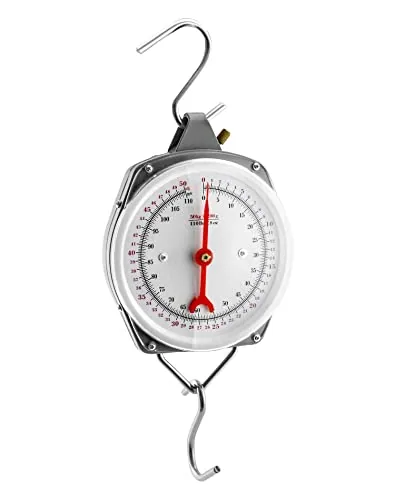
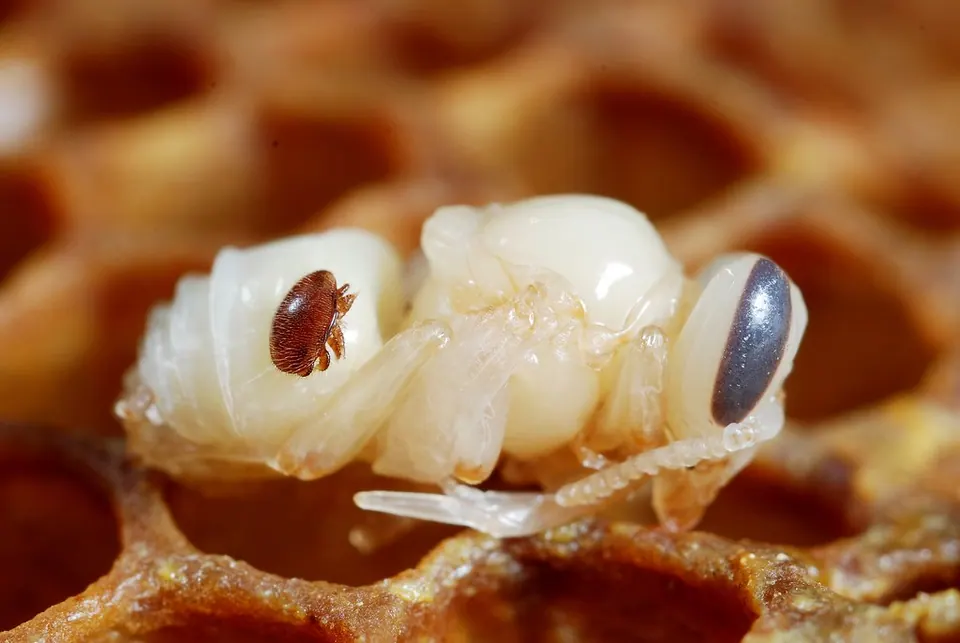
Bee health in a backyard apiary mostly comes down to varroa mites, food and keeping pests out. This category lists mite test jars, EPA-registered varroa treatments, oxalic acid vaporizers, syrup feeders, pollen substitutes, mouse guards, entrance reducers, small hive beetle traps and simple monitors such as hanging scales and wireless thermometers.
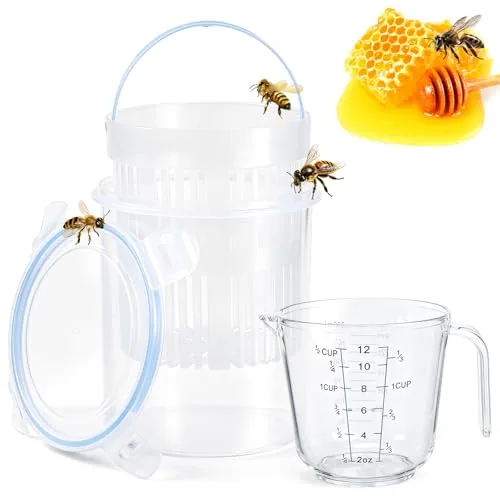
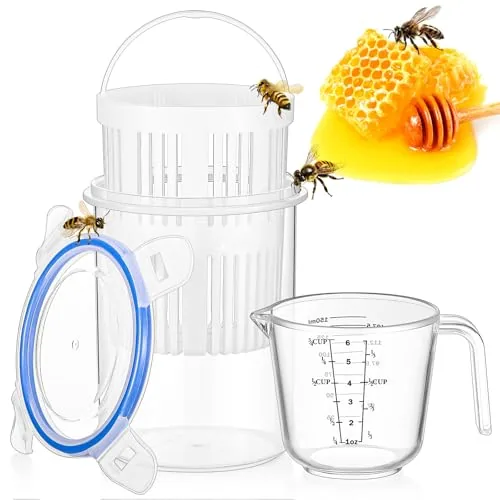
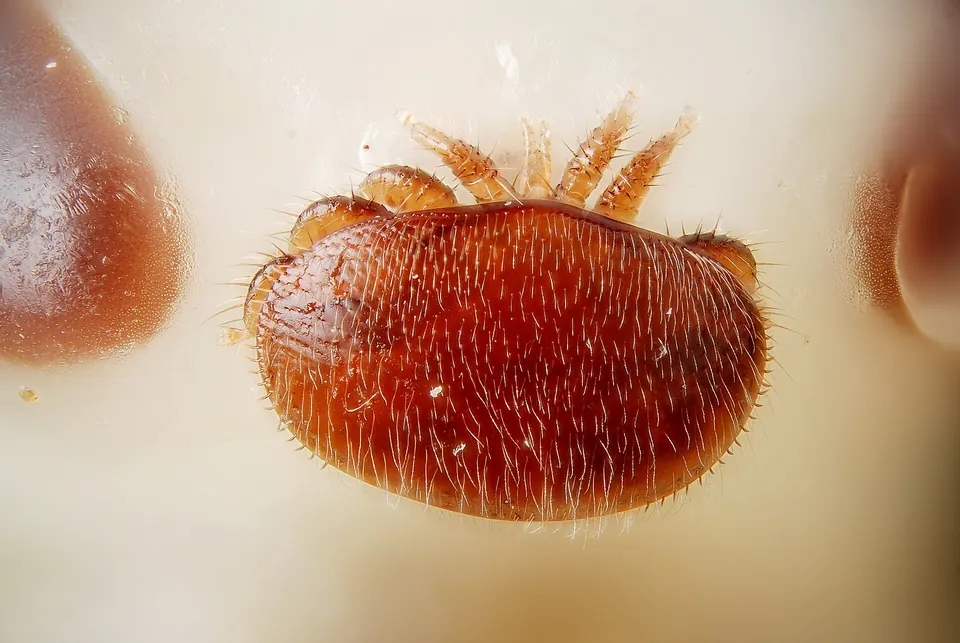
Test before you treat. The Honey Bee Health Coalition (HBHC) Tools for Varroa Management, 9th edition recommends sampling about 300 adult bees (about ½ cup) from the brood nest with an alcohol or soap wash and comparing mites per 100 bees with the threshold for the colony's phase.
Varroa thresholds by colony phase (mites per 100 adult bees), HBHC 9th edition
| Colony phase | Immediate control not needed | Promptly control |
|---|---|---|
| Dormant Little or no brood; winter cluster (sample just before clustering) | ✓ below 1% | ✗ 1% or more |
| Population increase Late winter to spring build-up, brood expanding | ✓ below 1% | ✗ 1% or more |
| Peak population Summer, colony at full size, supers often on | ✓ below 2% | ✗ 2% or more |
| Population decrease Late summer to fall, brood rearing slowing | ✓ below 2% | ✗ 2% or more |
Source: Honey Bee Health Coalition, Tools for Varroa Management, 9th edition (June 11, 2026), Table 1. Thresholds can vary by region; ask your state apiarist.
Varroa mite threshold calculatorEnter your mite count and sample size to see mites per 100 bees against the HBHC 9th-edition threshold.Only pesticides registered by the EPA for use in beehives are legal varroa treatments, and the label is the law: it sets the dose, the temperature range, the treatment period and whether honey supers may be on. Check any product against the EPA list of registered varroa products and read the label before you buy.
Registered treatments in the Hive & Frame catalogue
| Product | Active ingredient | Honey supers (HBHC 9th ed.) | Listed detail |
|---|---|---|---|
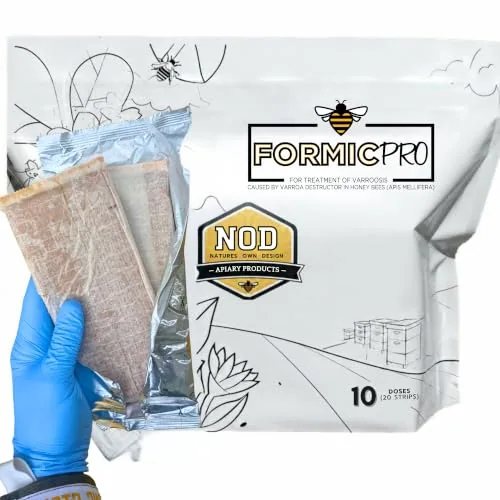
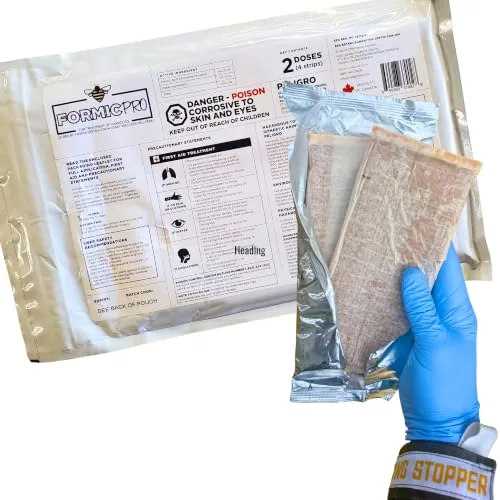
| Formic Pro | Formic acid | ✓ Allowed per label | 50–85°F daytime highs per label (listing shows 84°F); 14-day or 20-day option; EPA Reg. No. 75710-3 |
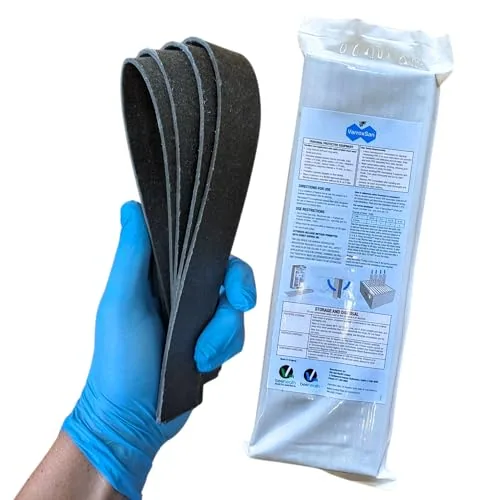
| VarroxSan | Oxalic acid dihydrate | ~ Allowed if separated from supers by one chamber | Strips for 42–56 days; EPA Reg. No. 94413-3 |
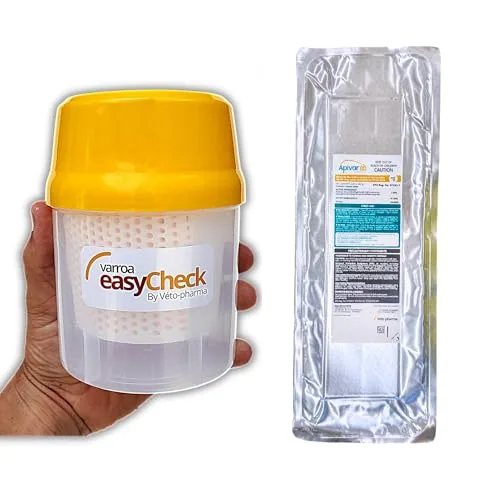
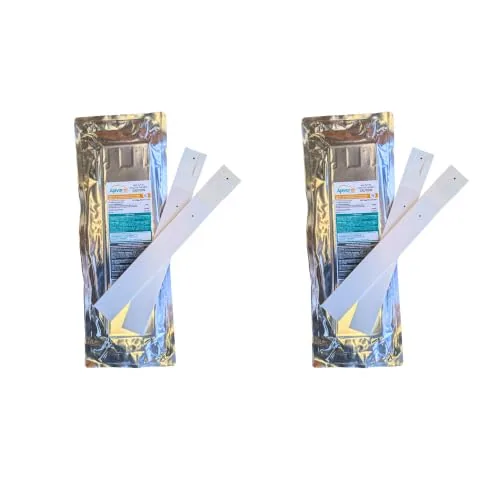
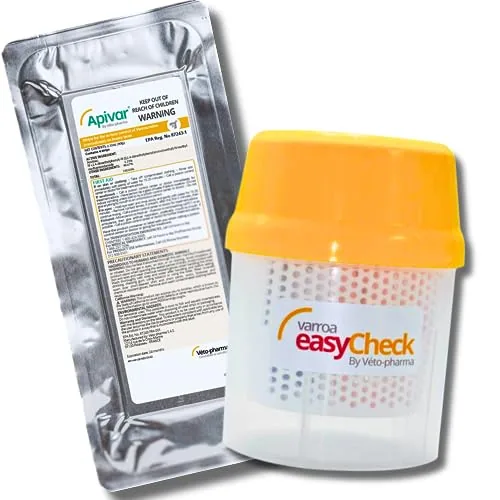
| Apivar / Apivar 2.0 | Amitraz | ✗ No supers on | 6–8 week strip period; EPA Reg. No. 87243-1 (Apivar) |
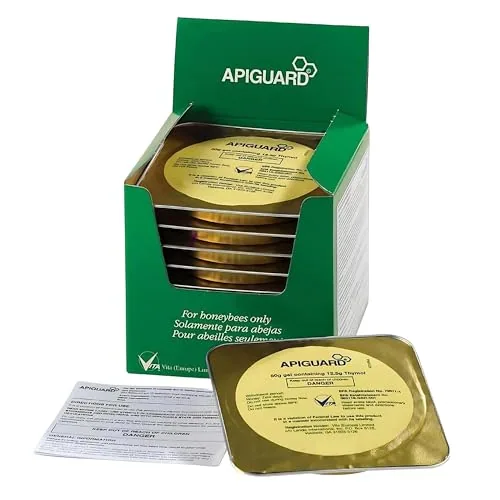
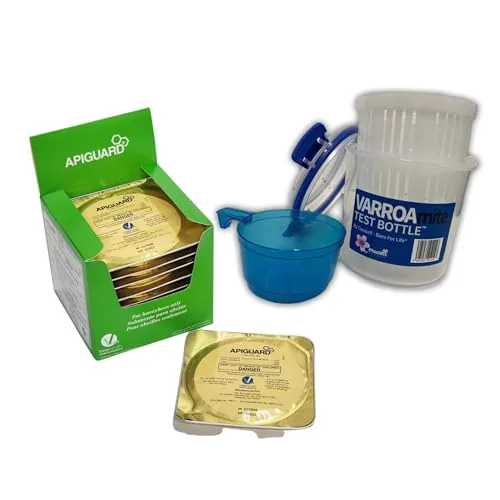
| Apiguard | Thymol gel | ✗ No supers on | Two 50 g trays per colony as listed |
Source: HBHC Tools for Varroa Management, 9th ed.; product listings; VarroxSan label
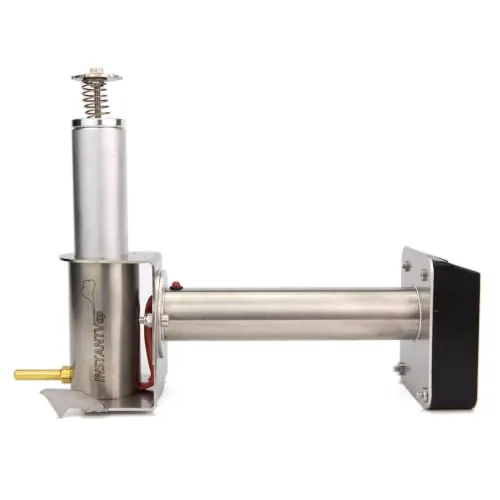
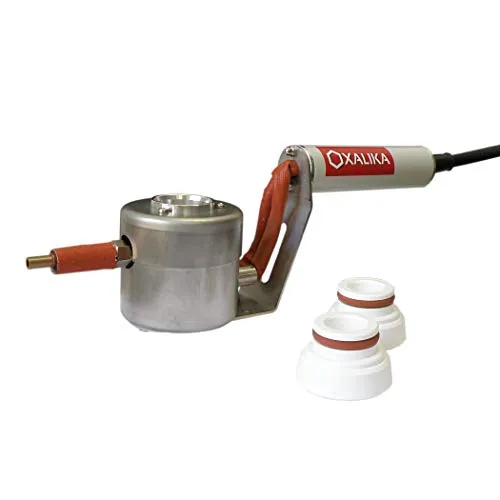
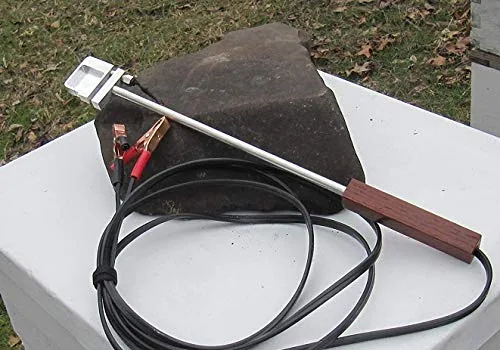
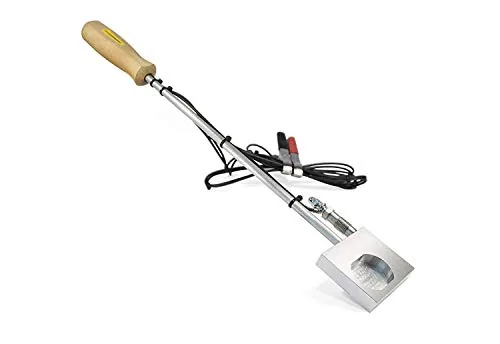
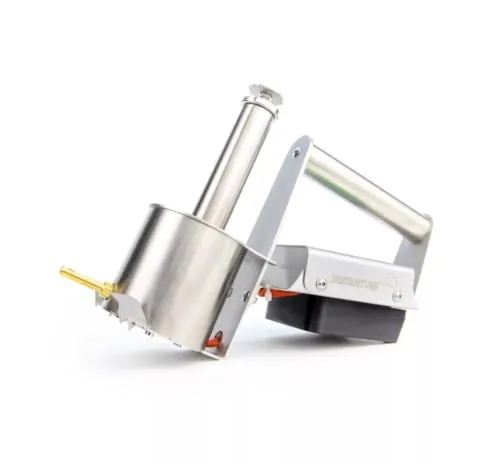
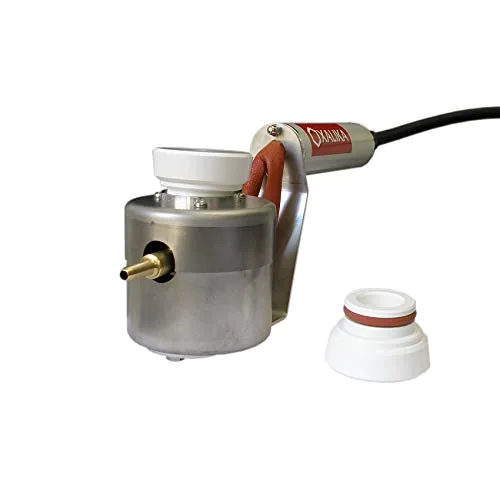
Registered oxalic acid products for dribble or vaporization, such as Api-Bioxal and EZ-OX, are usually sold through bee-supply dealers. The vaporizers in this category (OXALIKA, Scott Bee Farm, InstantVap, Varomorus) are only devices: use them only with a registered oxalic acid product whose label allows vaporization, and wear the goggles or face shield and respirator HBHC calls for with every oxalic acid method. Our vaporization vs dribble comparison explains when each fits.
 Best of
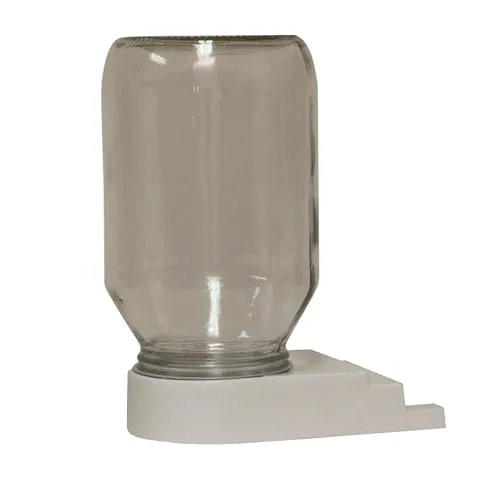
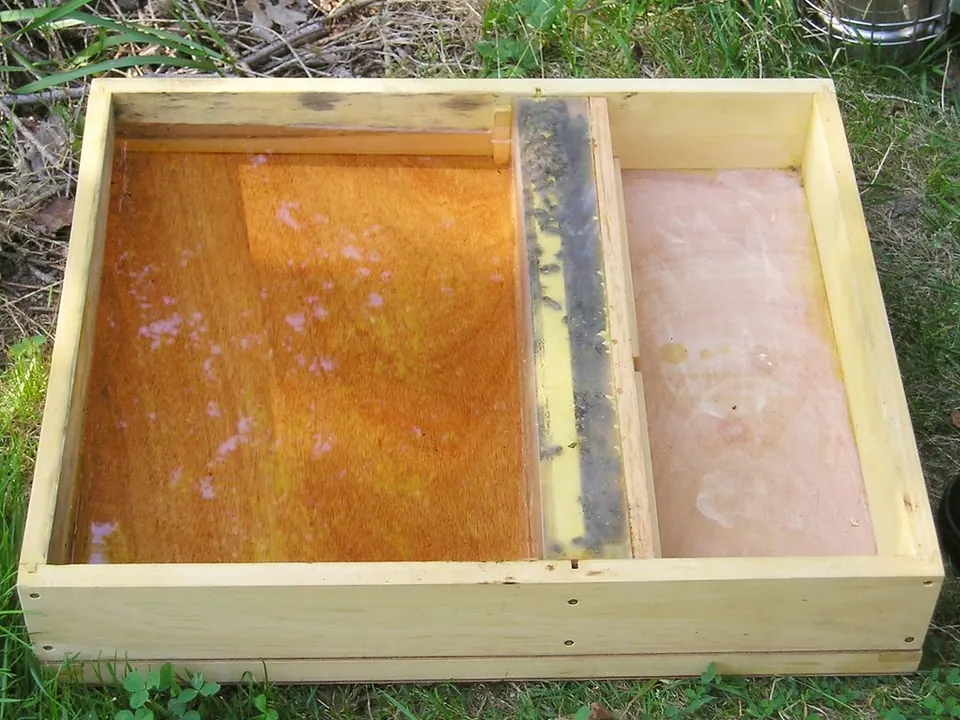
The best beehive feeder for new colonies and fall feeding: top vs frame vs entrance feeders, capacity, drowning and…
Best ofThe best varroa mite treatment is EPA-registered and fits your colony's phase: HBHC 9th-edition thresholds, supers,…
 Best of
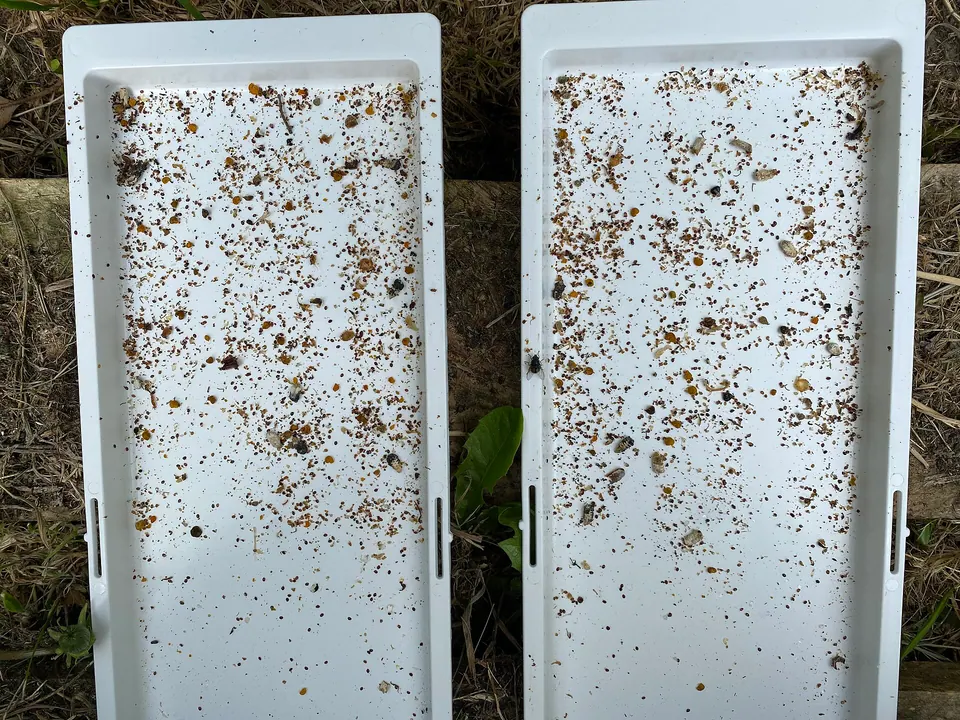
The best oxalic acid vaporizer for your apiary: pan vs pot designs, 12V, 110V and cordless power by specs, plus the…
 Best of
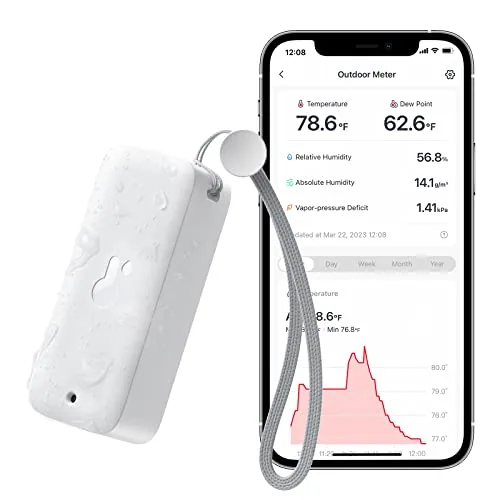
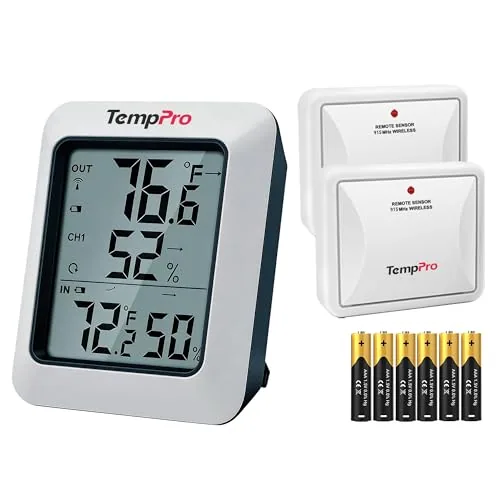
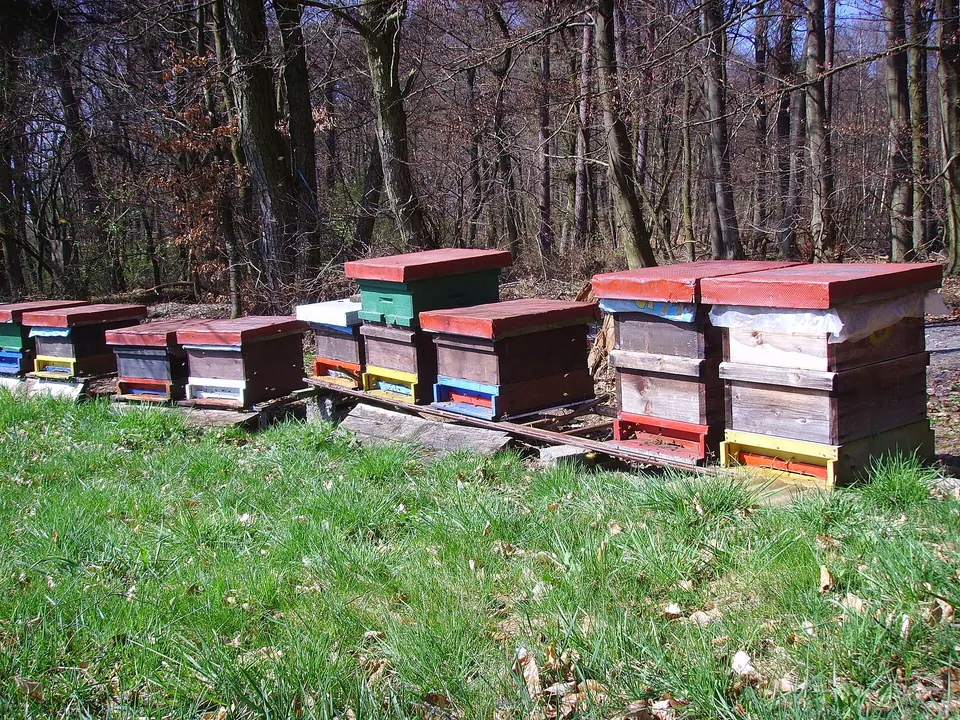
Hive monitoring without a dedicated system: general temperature sensors, hanging scales and mite testers as honest…
 Versus
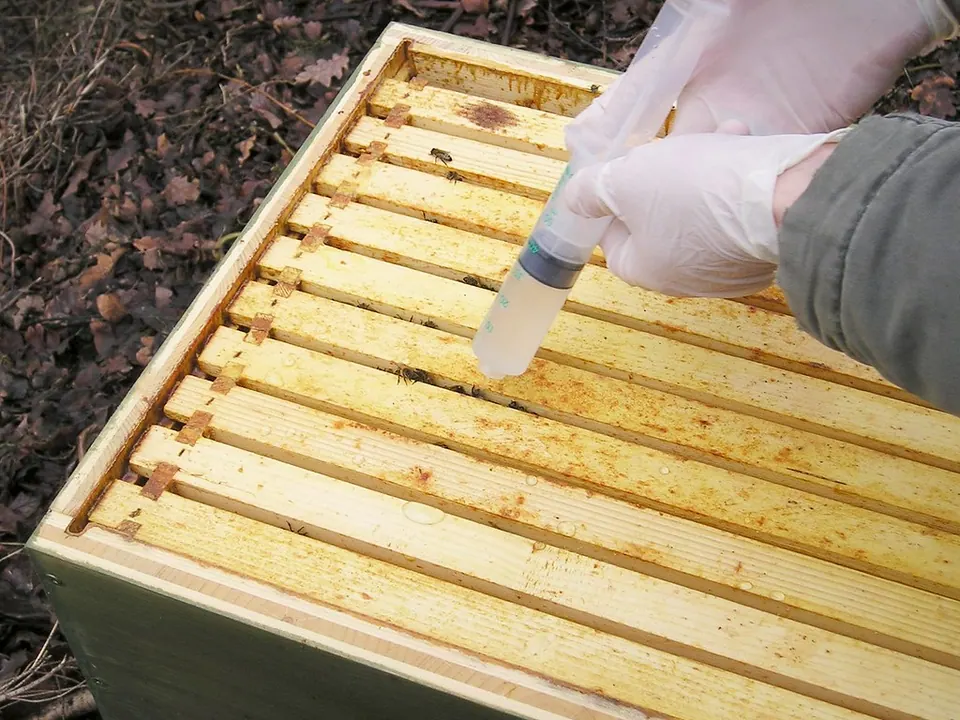
Oxalic acid vaporization vs dribble by the EPA label: doses, respirators, broodless timing per HBHC 9th edition, the…
 Versus
Apivar vs Formic Pro by EPA label: amitraz vs formic acid, temperature limits, honey super rules, treatment length,…