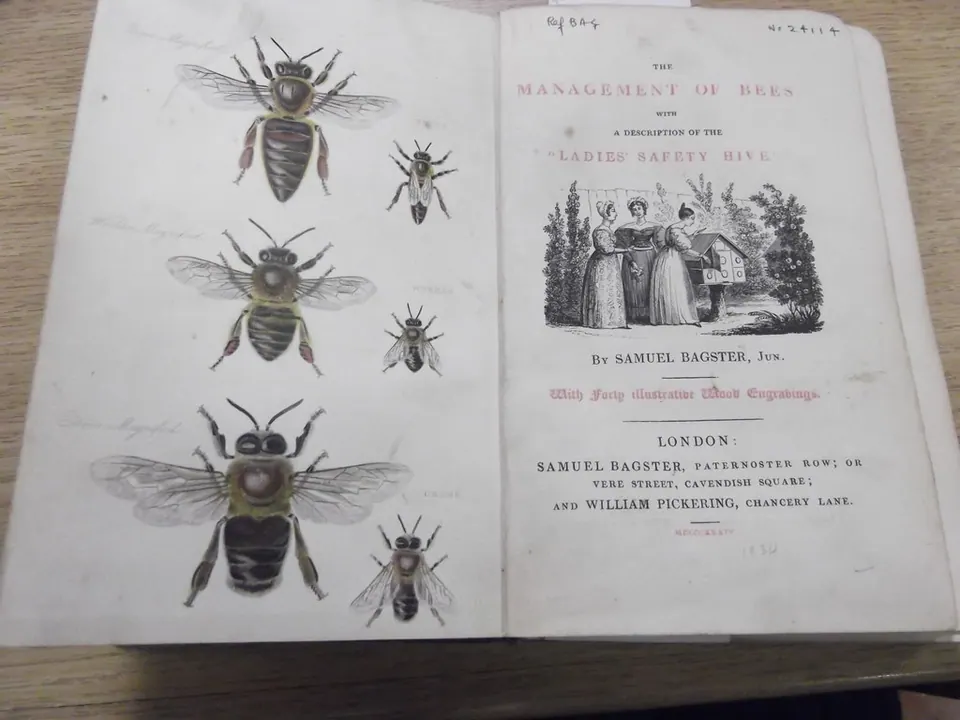
- For a first hive, one beginner guide plus one reference manual covers most questions: try Beekeeping For Dummies or The Backyard Beekeeper with The Beekeeper's Handbook.
- Pick books that match your hive style. Top-bar and Warré hives have their own books; most beginner guides assume Langstroth.
- Every book here was published before the Honey Bee Health Coalition's 9th edition (2026). Use the current HBHC thresholds, not a book's older mite numbers.
- Books teach principles; your region decides timing. Pair any book with a local calendar and a local club.
The best beekeeping books give you the why behind each task, so you can make sense of what you see when you open a hive. A good beginner guide walks you through the first year; a good reference manual answers the odd questions in year two and three. This list covers both, plus books for top-bar and Warré hives, honey, and the native bees in your yard, drawn from the Hive & Frame catalogue.
One honest limit: books age, and varroa advice ages fastest. The Honey Bee Health Coalition lowered its treatment thresholds in its 9th edition in June 2026, after every book on this page went to press. Read any book's mite section alongside the mite threshold calculator, which uses the current numbers, and use only EPA-registered treatments exactly per the label.
Our picks
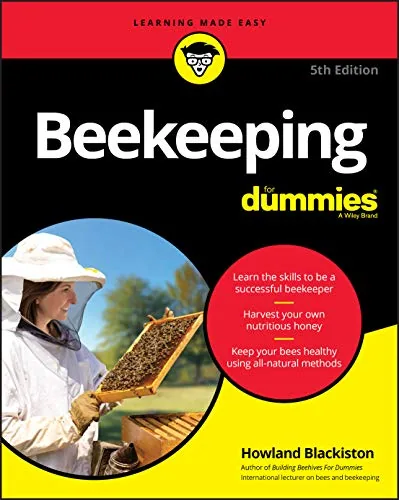
Beekeeping For Dummies
- Format
- Paperback
- Publisher
- Wiley
- Published
- 2020
Wiley's Beekeeping For Dummies covers equipment, hive setup, inspections and the honey harvest in the series' plain, scannable format. The listed printing is 2020.
Best for: Readers starting from zero who like short sections and checklists
Skip if: You already understand hive basics and want depth
- Beginner-friendly structure
- Equipment through harvest
- Easy to dip into
- 2020 printing predates the 2026 HBHC thresholds
- Langstroth-focused
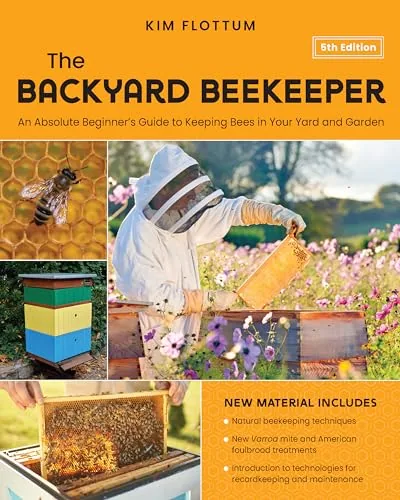
The Backyard Beekeeper, 5th Edition
- Format
- Paperback
- Publisher
- Quarry Books
- Edition
- 5th (2024)
The Backyard Beekeeper from Quarry Books is in its 5th edition (2024), the newest book here. The publisher describes new varroa material and record-keeping pages, with a focus on keeping bees in a yard or garden.
Best for: Backyard and suburban first-hive keepers
Skip if: You keep top-bar or Warré hives
- 5th edition, 2024
- Updated varroa section per publisher
- Record-keeping pages
- Yard and garden focus
- Still predates the 2026 HBHC 9th edition
- Langstroth-focused
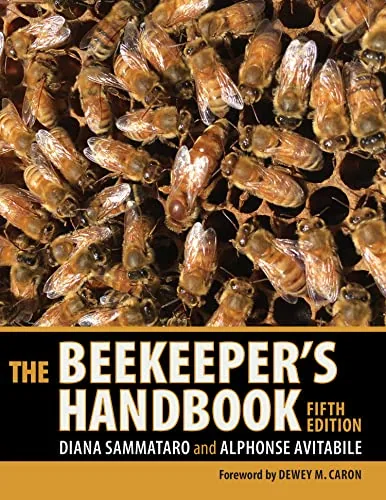
The Beekeeper's Handbook (Sammataro & Avitabile)
- Format
- Paperback
- Publisher
- Comstock (Cornell University Press)
- Edition
- 5th
The Beekeeper's Handbook by Sammataro and Avitabile, now in its 5th edition from Comstock (Cornell University Press), is a long-running illustrated manual covering hive management, bee biology, and pests and diseases. It is the book you reach for when something looks wrong.
Best for: Every beekeeper's shelf, from the first season on
Skip if: You want a narrative read rather than a reference
- Illustrated manual
- Biology plus management
- Pests and diseases coverage
- Publication year not listed for this edition
- Reference style is dense for some beginners
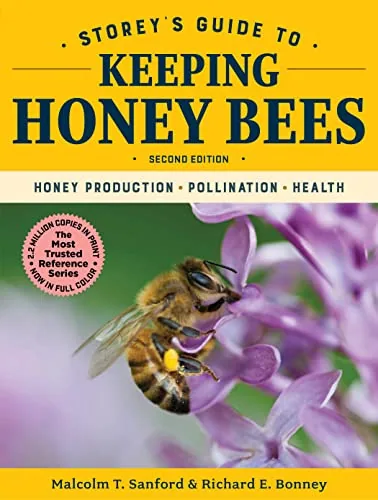
Storey's Guide to Keeping Honey Bees, 2nd Ed.
- Format
- Paperback
- Publisher
- Storey Publishing
- Edition
- 2nd (2018)
Storey's Guide to Keeping Honey Bees, 2nd edition (2018), is part of Storey's raising series and covers honey production, pollination and bee health in depth.
Best for: Beginners who want more than the basics
Skip if: You want the newest mite guidance in print
- 2nd edition
- Honey and pollination
- Bee health coverage
- 2018 edition; check mite advice against HBHC 2026
- Longer read
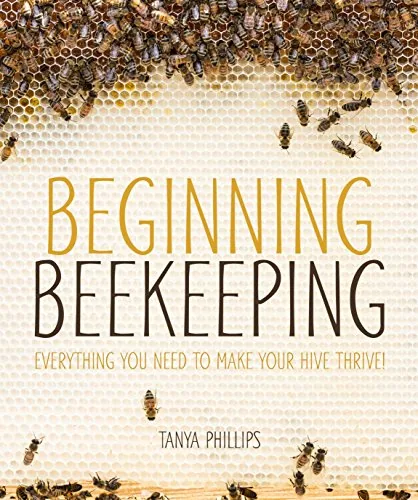
Beginning Beekeeping (DK / Alpha)
- Format
- Paperback
- Publisher
- Alpha Books (DK)
- Published
- 2017
Beginning Beekeeping from Alpha Books (DK) is a step-by-step beginner's guide to setting up and running a first hive. Published in 2017.
Best for: Visual learners and readers who like step-by-step layouts
Skip if: You want a reference you will keep using after year one
- Beginner focus
- Step-by-step layout
- Paperback
- 2017 publication
- Less depth than a manual
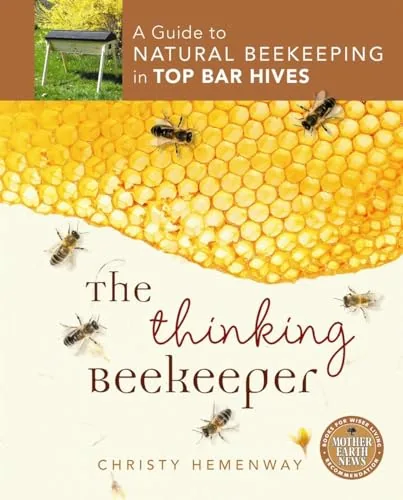
The Thinking Beekeeper: Top Bar Hives
- Format
- Paperback
- Publisher
- New Society Publishers
- Published
- 2013
The Thinking Beekeeper from New Society Publishers (2013) is a guide to natural beekeeping in top-bar hives, the horizontal hive style that most beginner books skip.
Best for: Top-bar hive keepers and readers drawn to natural methods
Skip if: You keep Langstroth hives only
- Top-bar focus
- Natural approach
- Fills a gap in beginner books
- 2013 publication
- Check mite advice against HBHC 2026
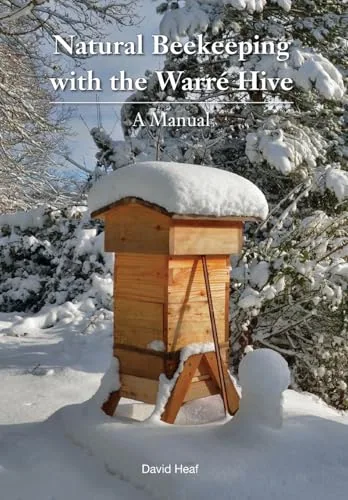
Natural Beekeeping With the Warré Hive: A Manual
- Format
- Paperback
- Publisher
- Northern Bee Books
Natural Beekeeping With the Warré Hive: A Manual, from Northern Bee Books, covers building and managing the vertical Warré hive, with black-and-white illustrations.
Best for: Warré hive builders and keepers
Skip if: You keep Langstroth or top-bar hives
- Warré-specific
- Building and management
- Illustrated
- Publication year not listed
- Narrow focus
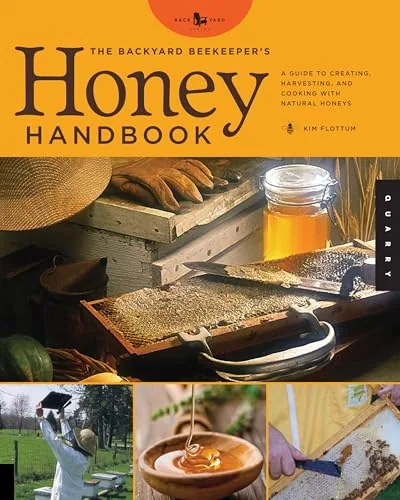
The Backyard Beekeeper's Honey Handbook
- Format
- Paperback
- Publisher
- Quarry Books
- Published
- 2009
The Backyard Beekeeper's Honey Handbook from Quarry Books (2009) is about producing, harvesting and cooking with different honeys, including honey varietals.
Best for: Backyard keepers planning to harvest and sell a little honey
Skip if: You want hive management guidance
- Honey varietals
- Harvest guidance
- Recipes
- 2009 publication
- Check current labeling rules separately
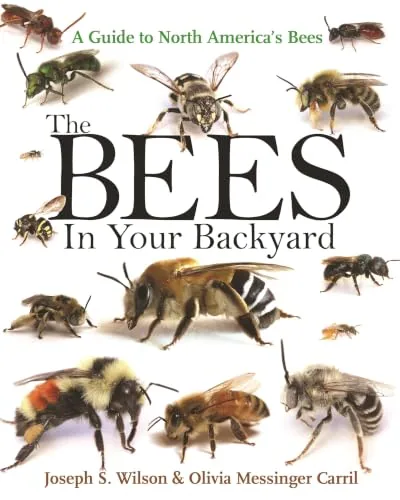
The Bees in Your Backyard: North America's Bees
- Format
- Paperback
- Publisher
- Princeton University Press
- Published
- 2015
- Author
- Joseph S. Wilson, Olivia Messinger Carril
The Bees in Your Backyard by Joseph S. Wilson and Olivia Messinger Carril (Princeton University Press, 2015) is a field guide to about 4,000 native North American bee species, with more than 900 color photos and range maps.
Best for: Anyone curious about the other bees in the garden, including kids
Skip if: You want a honey bee management book
- Native bee identification
- 900+ color photos
- Range maps
- Not about keeping honey bees
- Field-guide format
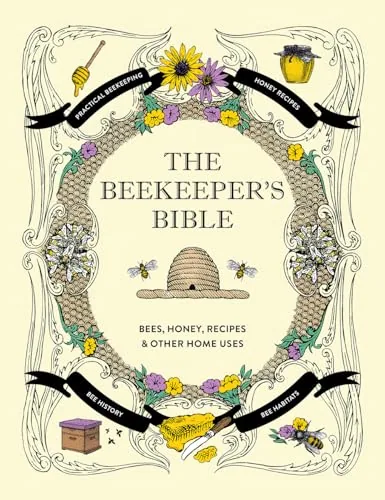
The Beekeeper's Bible: Bees, Honey, Recipes
- Format
- Hardcover
- Publisher
- Abrams
- Published
- 2011
The Beekeeper's Bible from Abrams (2011) is a large illustrated hardcover on bee history, hive keeping, honey recipes and home uses for hive products. More coffee table than field manual.
Best for: A gift for a new or would-be beekeeper
Skip if: You want a practical first-year manual
- Illustrated hardcover
- History plus practice
- Recipes and crafts
- 2011 publication
- Broad rather than deep on management
How to choose beekeeping books
One guide, one manual
Most beekeepers end up with two kinds of book: a beginner guide that walks through the first year in order, and a reference manual organized by topic for problems. Start with one of each rather than three beginner guides that cover the same ground.
Match your hive style
Most beginner books assume Langstroth hives. If you keep a top-bar or Warré hive, add a book written for it; the management is different.
Check the edition date
Mite thresholds, registered treatments and labeling rules change. A newer edition is not automatically better written, but its health chapters will be closer to current guidance.
Paperback, hardcover or e-book
A paperback you can mark up, and carry to the apiary in a bag, is the practical choice for a beginner guide. Hardcovers like The Beekeeper's Bible are better as gifts and shelf references. Some titles, such as Advanced Top Bar Beekeeping, are listed only as e-books in our catalogue; an e-book is handy for searching but awkward with gloves and propolis on your hands.
Look for a beekeeping club too
Many state and local beekeeping associations run beginner classes each winter and keep a recommended reading list. Their picks will reflect your region's climate and forage, which no national book can.
Read with a local calendar
Books set in one region time tasks for that region. Our seasonal calendar and seasonal checklist adapt timing to six US regions.
Beekeeping books compared
| Product | Format | Publisher | Published | Edition |
|---|---|---|---|---|
| Beekeeping For Dummies | Paperback | Wiley | 2020 | — |
| The Backyard Beekeeper, 5th Edition | Paperback | Quarry Books | — | 5th (2024) |
| The Beekeeper's Handbook (Sammataro & Avitabile) | Paperback | Comstock (Cornell University Press) | — | 5th |
| Storey's Guide to Keeping Honey Bees, 2nd Ed. | Paperback | Storey Publishing | — | 2nd (2018) |
| Beginning Beekeeping (DK / Alpha) | Paperback | Alpha Books (DK) | 2017 | — |
| The Thinking Beekeeper: Top Bar Hives | Paperback | New Society Publishers | 2013 | — |
| Natural Beekeeping With the Warré Hive: A Manual | Paperback | Northern Bee Books | — | — |
| The Backyard Beekeeper's Honey Handbook | Paperback | Quarry Books | 2009 | — |
| The Bees in Your Backyard: North America's Bees | Paperback | Princeton University Press | 2015 | — |
| The Beekeeper's Bible: Bees, Honey, Recipes | Hardcover | Abrams | 2011 | — |
Specs as listed by the maker or seller; check the listing before you buy.
How old is the book's health advice?
Years between the listed publication year and the HBHC 9th edition (2026). Books without a listed year are left out
Which book for which beekeeper?
Quick picks
| You are… | Start with | Add later |
|---|---|---|
| Starting a first Langstroth hive | Beekeeping For Dummies or The Backyard Beekeeper | The Beekeeper's Handbook |
| Keen to understand bee biology | The Beekeeper's Handbook | Storey's Guide |
| Keeping a top-bar hive | The Thinking Beekeeper | Top-Bar Beekeeping (Chelsea Green) |
| Keeping a Warré hive | Natural Beekeeping With the Warré Hive | Care of Bees in Warré and Top Bar Hive |
| Planning to sell honey | The Backyard Beekeeper's Honey Handbook | FDA honey labeling guidance |
| Buying a gift | The Beekeeper's Bible | The Bees in Your Backyard |
Source: Hive & Frame catalogue
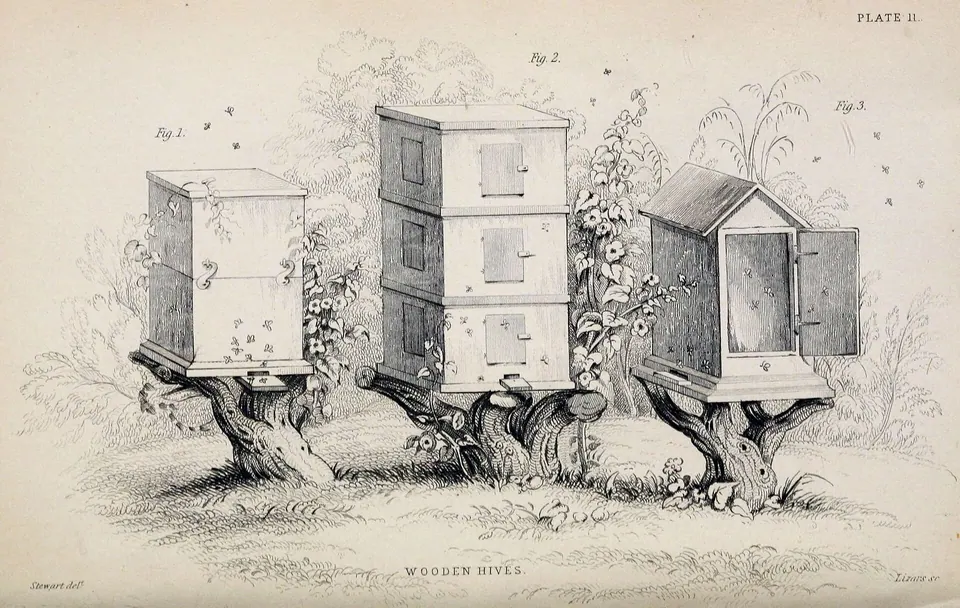
More titles in our catalogue, from the classic Langstroth's Hive and the Honey-Bee by L. L. Langstroth to building your own equipment:
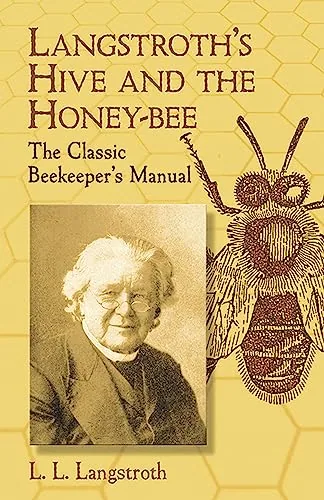
Langstroth's Hive and the Honey-Bee (Dover)
- Format
- Paperback
- Publisher
- Dover
- Published
- 2004 reprint (first 1878)
Best for Beekeeping history readers
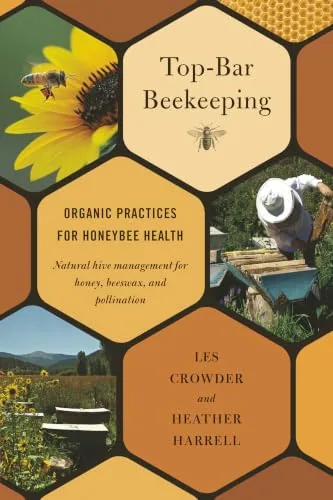
Top-Bar Beekeeping: Organic Practices
- Format
- Paperback
- Publisher
- Chelsea Green
- Published
- 2012
Best for Top-bar hive keepers
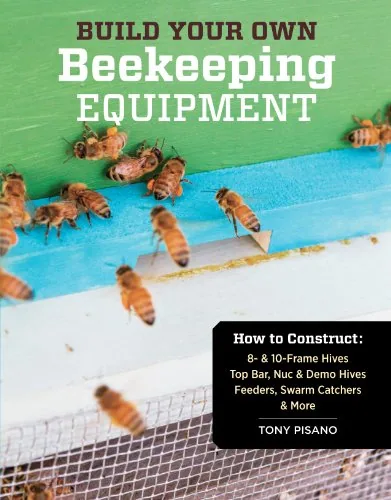
Build Your Own Beekeeping Equipment (Storey)
- Format
- Paperback
- Publisher
- Storey Publishing
- Published
- 2013
Best for Building your own gear
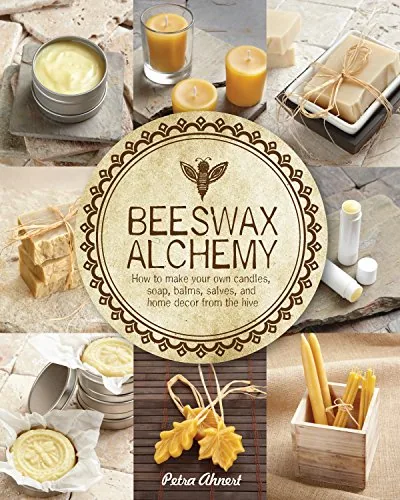
Beeswax Alchemy: Soap, Candles, Balms & Salves
- Format
- Paperback
- Publisher
- Quarry Books
- Published
- 2015
Best for Using your hive's wax
Pair a book with our how to start beekeeping guide and the beekeeping glossary.
Keeping a book's advice current
- Update the mite numbers
If a book uses the older "3%" rule (HBHC 8th edition and earlier), replace it with the HBHC 9th-edition thresholds below. The varroa mite treatment guide covers registered options by season.
- Check every treatment against its label
Use only EPA-registered products and follow the current label. Older books may mention products or methods that are not registered or no longer recommended, including homemade oxalic acid mixes. Do not follow them.
- Report American foulbrood
If a book suggests treating suspected AFB yourself, do not. Many states require you to report it. Contact your state apiarist first.
- Check selling rules locally
Honey labeling and cottage-food rules vary by state. Follow the FDA honey labeling guidance and your state department of agriculture.
- Write it down
Keep your own notes in the hive inspection log. Your records become your best local book.
Varroa thresholds by colony phase (mites per 100 adult bees), HBHC 9th edition
| Colony phase | Immediate control not needed | Promptly control |
|---|---|---|
| Dormant Little or no brood; winter cluster (sample just before clustering) | ✓ below 1% | ✗ 1% or more |
| Population increase Late winter to spring build-up, brood expanding | ✓ below 1% | ✗ 1% or more |
| Peak population Summer, colony at full size, supers often on | ✓ below 2% | ✗ 2% or more |
| Population decrease Late summer to fall, brood rearing slowing | ✓ below 2% | ✗ 2% or more |
Source: Honey Bee Health Coalition, Tools for Varroa Management, 9th edition (June 11, 2026), Table 1. Thresholds can vary by region; ask your state apiarist.
Mistakes to avoid
- Buying three beginner books. They overlap. One guide plus one manual goes further.
- Following a book's calendar blindly. A Northeast schedule will be weeks off in Georgia or Arizona.
- Trusting old mite thresholds. Use the 2026 numbers.
- Reading instead of joining a club. A local mentor answers questions no book can, like what your nectar flow looks like this week.
Browse every book, journal and gift in books and gifts, or see the full gear list for your first hive. Shopping for someone else? See our gifts for beekeepers.
For a first Langstroth hive, pair The Backyard Beekeeper (5th edition, 2024, the newest here) or Beekeeping For Dummies with The Beekeeper's Handbook as your reference. Top-bar keepers should add The Thinking Beekeeper, Warré keepers Natural Beekeeping With the Warré Hive. For a gift, The Beekeeper's Bible looks great on a shelf, and The Bees in Your Backyard opens eyes to native bees. Whatever you read, check mite thresholds against the 2026 HBHC guide.
We chose books from our catalogue by audience, hive style, edition and listed publication year, using publisher descriptions. We did not review each book page by page, and we name authors only where our catalogue lists them. Health and treatment advice in any book should be checked against current HBHC guidance and EPA labels.