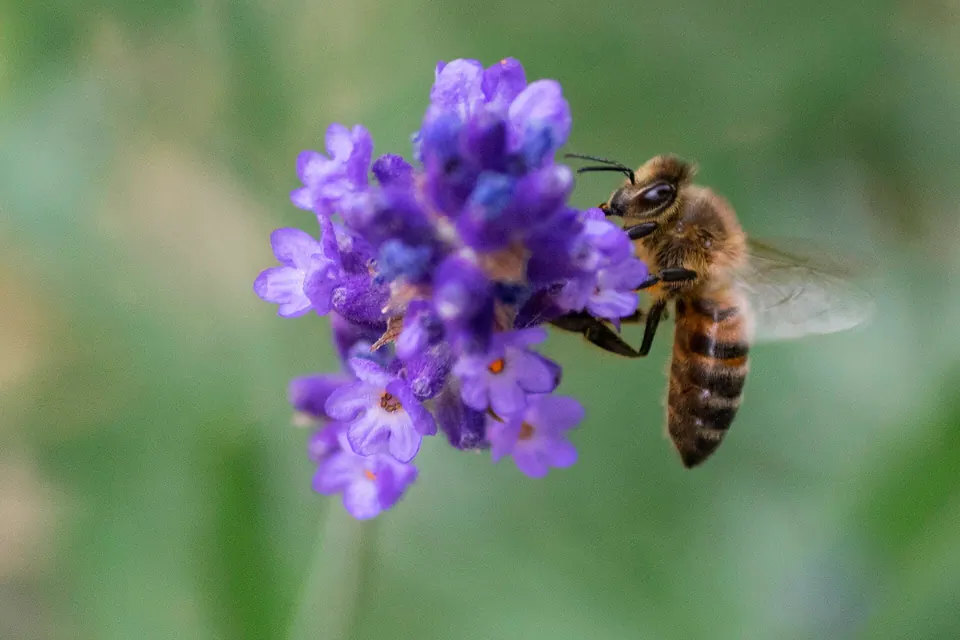
- The best bee-friendly plants are the ones that bloom when little else does in your area: early spring and late summer to fall are the usual gaps.
- Use a regional native list. Pollinator Partnership publishes 36 US ecoregional planting guides, and the Xerces Society offers 21 regional lists.
- Plant in groups, choose single-flowered varieties and avoid spraying insecticides on anything in bloom.
- Give bees a shallow, safe water source near the hive so they do not visit your neighbors' pools.
Bee-friendly plants will not feed a colony on their own; honey bees forage over a wide area, and your garden is one small part of their menu. What a garden can do is fill gaps: a patch of early pollen when colonies are building in spring, or a late bloom that carries them into fall. Native bees, butterflies and other pollinators benefit too.
This guide lists widely recommended plants by season, explains how to find a list built for your region, and covers water, pesticides and the common mistakes. The examples are a starting point; your local native plant list and extension office know your soil and climate best.
How do you choose bee-friendly plants for your region?
Bloom time and suitability change a lot across the US. A plant that is a great bee plant in Ohio may struggle in Arizona or be invasive in Florida. Two free resources make the regional part easy:
- Pollinator Partnership ecoregional planting guides: enter your zip code to find your ecoregion and download a guide with native plants for it.
- Xerces Society pollinator plant lists: regional native lists covering nectar and pollen plants, host plants and plants for specialist bees.
Pollinator Partnership also reminds gardeners to check local invasive species lists and never plant known invasives. Your state's native plant society or extension office can confirm what is invasive where you live.
Bee-friendly plants by season
These plants are widely recommended for honey bees and other pollinators across much of the US. Check each one against your regional list before you plant.
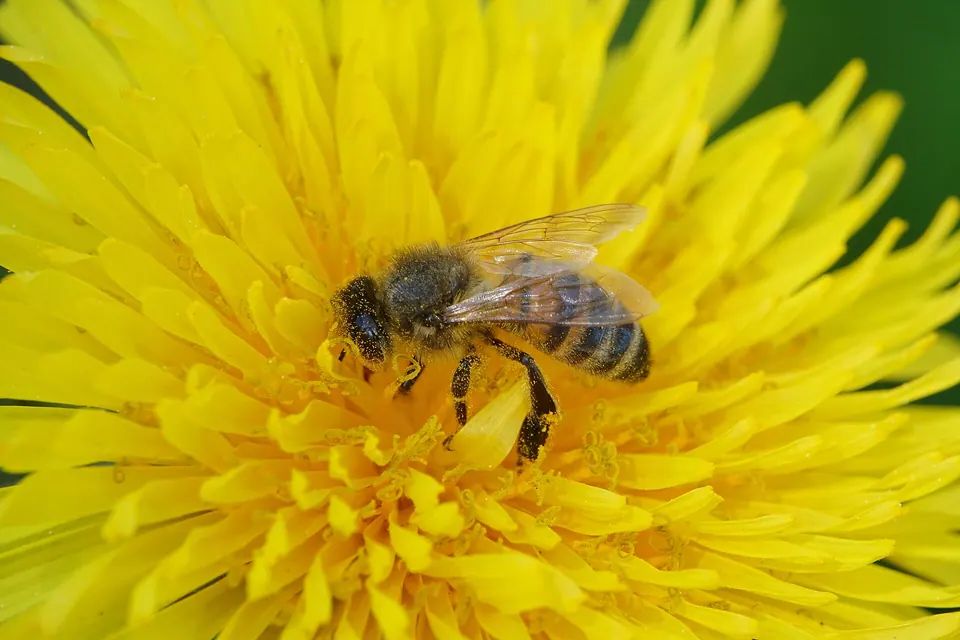
Bee-friendly plants by bloom season (examples)
| Bloom season | Plant | Type | Why it helps |
|---|---|---|---|
| Late winter to early spring | Willows (Salix) | Tree/shrub; many native species | Early pollen when colonies start building |
| Late winter to early spring | Red maple (Acer rubrum) | Native tree (East) | One of the first spring pollen sources in much of the East |
| Late winter to early spring | Crocus and other early bulbs | Non-native bulbs | Easy early color near the hive; small but welcome |
| Spring | Fruit trees: apple, cherry, plum, pear | Non-native trees | Heavy bloom; avoid spraying insecticides during bloom |
| Spring | Redbud (Cercis) | Native tree | Early nectar and pollen; good for small yards |
| Spring | Serviceberry (Amelanchier) | Native tree/shrub | Early bloom, berries for birds later |
| Late spring to summer | White and crimson clover | Non-native, widely grown | Let a lawn flower; mow high or in strips |
| Late spring to summer | Basswood / linden (Tilia) | Native and non-native trees | A classic honey tree where it grows |
| Summer | Bee balm (Monarda) | Native perennial | Long bloom; many native bees use it too |
| Summer | Anise hyssop (Agastache) | Native perennial | Weeks of bloom in sun; drought-tolerant |
| Summer | Catmint, lavender, oregano, thyme | Non-native herbs | Good for pots, balconies and borders |
| Summer | Mountain mint (Pycnanthemum) | Native perennial | Busy with many kinds of pollinators |
| Summer | Sunflowers (single-flowered) | Native annual | Pick pollen-bearing, single types |
| Late summer to fall | Goldenrod (Solidago) | Native perennial | A major fall flow in many regions |
| Late summer to fall | Asters (Symphyotrichum) | Native perennial | Late nectar and pollen before winter |
| Late summer to fall | Sedum / stonecrop (Hylotelephium) | Non-native perennial | Late bloom for small gardens |
Plants per season in the table above
Aim for something in bloom from late winter to fall
Trees and shrubs give the most flowers per square foot of ground. If you have room for one larger plant, a willow, red maple, redbud, serviceberry or linden often does more for bees than a whole bed of annuals.
How to plant a bee garden step by step
- Map your bloom gaps
Walk the neighborhood each month for a season and note what is flowering. The empty months are where your planting matters most. Our seasonal calendar shows what colonies need month by month.
- Download your regional list
Use the Pollinator Partnership guide for your ecoregion or a Xerces regional list, and circle plants that bloom in your gap months.
- Plant in groups
Plant drifts of three or more of the same plant rather than single specimens. Bees forage more efficiently on a patch than on scattered flowers.
- Choose single flowers
Pick single-flowered varieties. Many doubled, frilly cultivars have extra petals in place of the parts that make pollen and nectar.
- Ask about pesticides at the nursery
Ask whether plants were treated with systemic insecticides before you buy, and skip insecticide sprays on anything in bloom at home.
- Add water
Set out a shallow waterer with landing spots near the hive and keep it filled all summer.
- Leave some untidy corners
Clover in the lawn, a patch of goldenrod and bare soil for ground-nesting native bees all help.
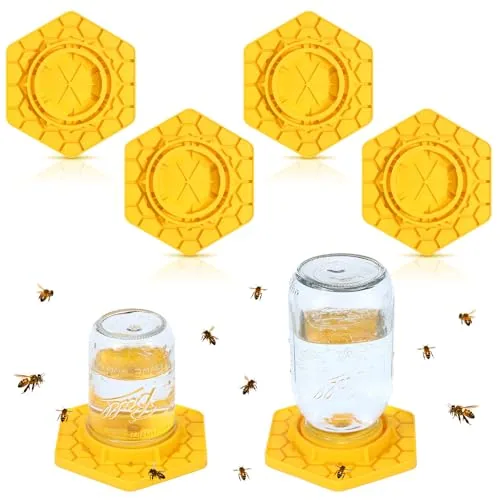
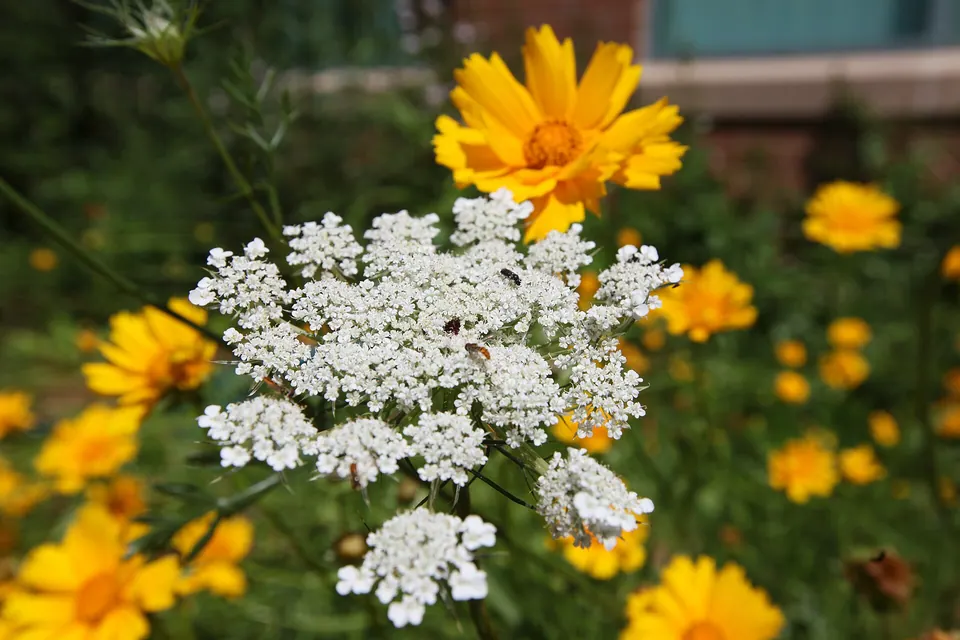
Do honey bees need a water source?
Yes. Bees collect water to cool the hive and dilute stored honey for the brood. If you do not provide water, they will find it, often in a neighbor's pool, birdbath or pet bowl. A water source close to the hive, set up before the bees arrive, teaches them to use it.
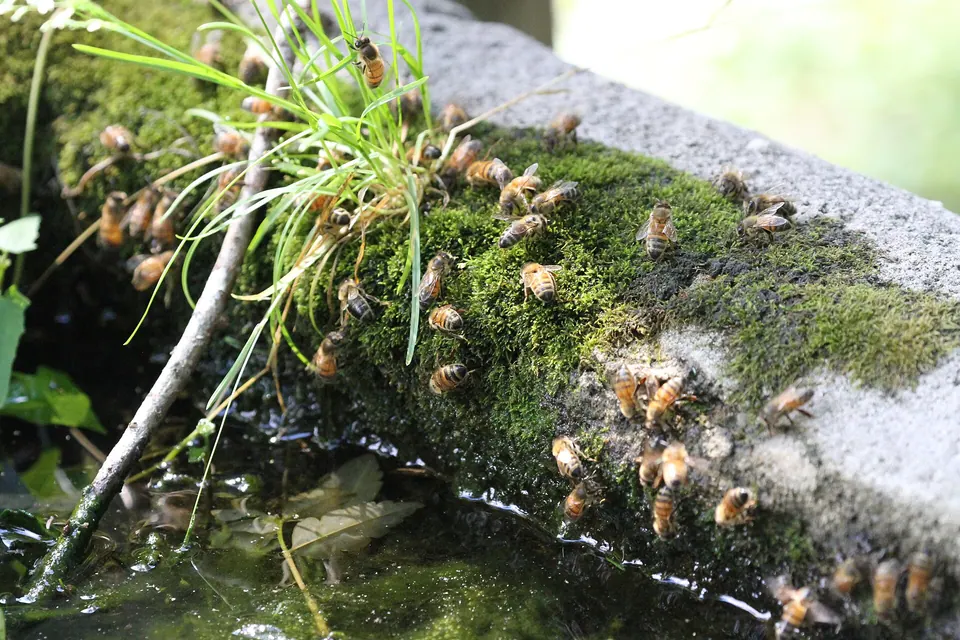
- Use a shallow dish with stones, marbles or floating corks so bees can land without drowning.
- Mason-jar waterers on a base are easy to refill; the Leinuosen bases fit regular and wide-mouth jars (jars not included).
- Keep it clean and full; bees remember a reliable source.
Leinuosen Mason Jar Bee Waterers, 4 Pack
- Type
- Mason jar waterer
- Fits
- Regular and wide-mouth jars
- Count
- 4
Best for A water source near the yard
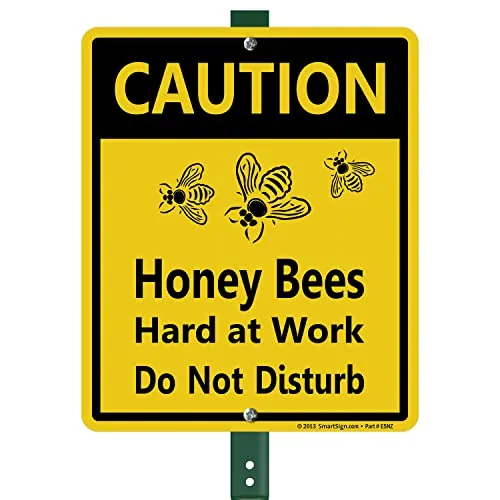
SmartSign "Honeybees Hard At Work" Yard Sign
- Size
- 10 x 12 in
- Material
- 40 mil aluminum
- Includes
- 3 ft stake
Best for Marking a backyard apiary
Lawns, weeds and the plants you already have
Before you buy anything, look at what is already growing. Dandelions and clover in a lawn are some of the most visited spring and early-summer flowers in many neighborhoods. Mowing a little higher, mowing less often in spring, or leaving a strip unmown until the clover finishes can add more forage than a new flower bed.
Shrubs and hedges count too. Many hedging plants flower briefly but heavily, and a hedge left unclipped until after bloom feeds bees for a week or two at little cost. The same goes for herbs: let some of your oregano, thyme, mint and basil flower instead of cutting every stem for the kitchen.
If you change one habit, make it this: do not spray lawn weeds or flowering shrubs with insecticide while they are in bloom. Read any pesticide label for its bee-protection instructions, and spray, if you must, when plants are not flowering.
Mistakes to avoid
- Planting only summer flowers, when forage is often already plentiful.
- Buying plants treated with systemic insecticides without asking.
- Spraying insecticides on flowering plants, or on weeds in bloom, during the day.
- Choosing doubled, sterile or pollen-free cultivars because they look showy.
- Planting species that are invasive in your region.
- Expecting a garden to replace the landscape; it supplements what bees find within flying range.
Who should plant what?
- Balconies and small yards: containers of catmint, lavender, oregano, thyme and anise hyssop, plus a waterer. See our backyard and urban hub.
- Suburban lots: one flowering tree (redbud, serviceberry or linden), a clover-friendly lawn and a fall bed of asters and goldenrod.
- Larger properties: hedgerows of native shrubs and trees, and wildflower strips from your regional native list.
- Families: a small bee garden is an easy outdoor project; pair it with a field guide and our kids and family picks.
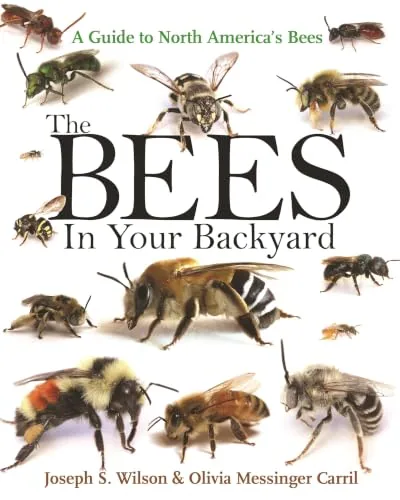
The Bees in Your Backyard: North America's Bees
- Format
- Paperback
- Publisher
- Princeton University Press
- Published
- 2015
Best for Learning wild and native bees
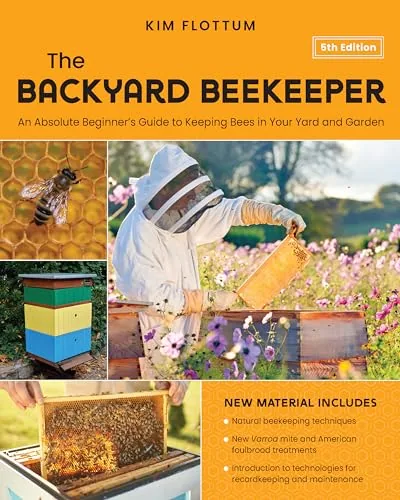
The Backyard Beekeeper, 5th Edition
- Format
- Paperback
- Publisher
- Quarry Books
- Edition
- 5th (2024)
Best for Backyard first-hive keepers
Leinuosen Mason Jar Bee Waterers, 4 Pack
- Type
- Mason jar waterer
- Fits
- Regular and wide-mouth jars
- Count
- 4
Best for A water source near the yard
Planning your first hive? Read how to start beekeeping, check the month-by-month beekeeping calendar, and use the seasonal checklist for your region.
Planting for your own hives? Our best beehives for beginners and beehive feeder guides cover the gear for the gaps between blooms.
Plant for the gaps, not the peaks. Use a regional native list, cover early spring and late summer to fall, plant in groups, skip insecticides on blooms and add a water source. Your bees will still forage widely, but they will find more near home when they need it most.
Regional resources and counts come from Pollinator Partnership and the Xerces Society; the plant table lists widely recommended examples, not a regional prescription. Product details are copied from maker listings. Check every plant against your local native and invasive lists.